


There’s something liberating about cycling Vietnam coast, the rhythmic sound of waves crashing beside you, the salty air filling your lungs, and the endless ribbon of road that winds through fishing villages, sand dunes, and seaside cafés. The route from Da Nang to Phan Thiet has quietly become one of Southeast Asia’s most inspiring coastal bike adventures, a journey that blends movement, landscape, and lifestyle in a way only Vietnam can.
Read more interesting posts here:
- Empowering Women: The Heart of Community Based Tourism Vietnam
- Discover the Best Cultural Immersion Vietnam Experiences with ExoTrails
- Climbing for Gold: The Ancient Tradition of Honey Hunting Vietnam's Highlands
Map your journey when cycling Vietnam coast through scenic landscapes
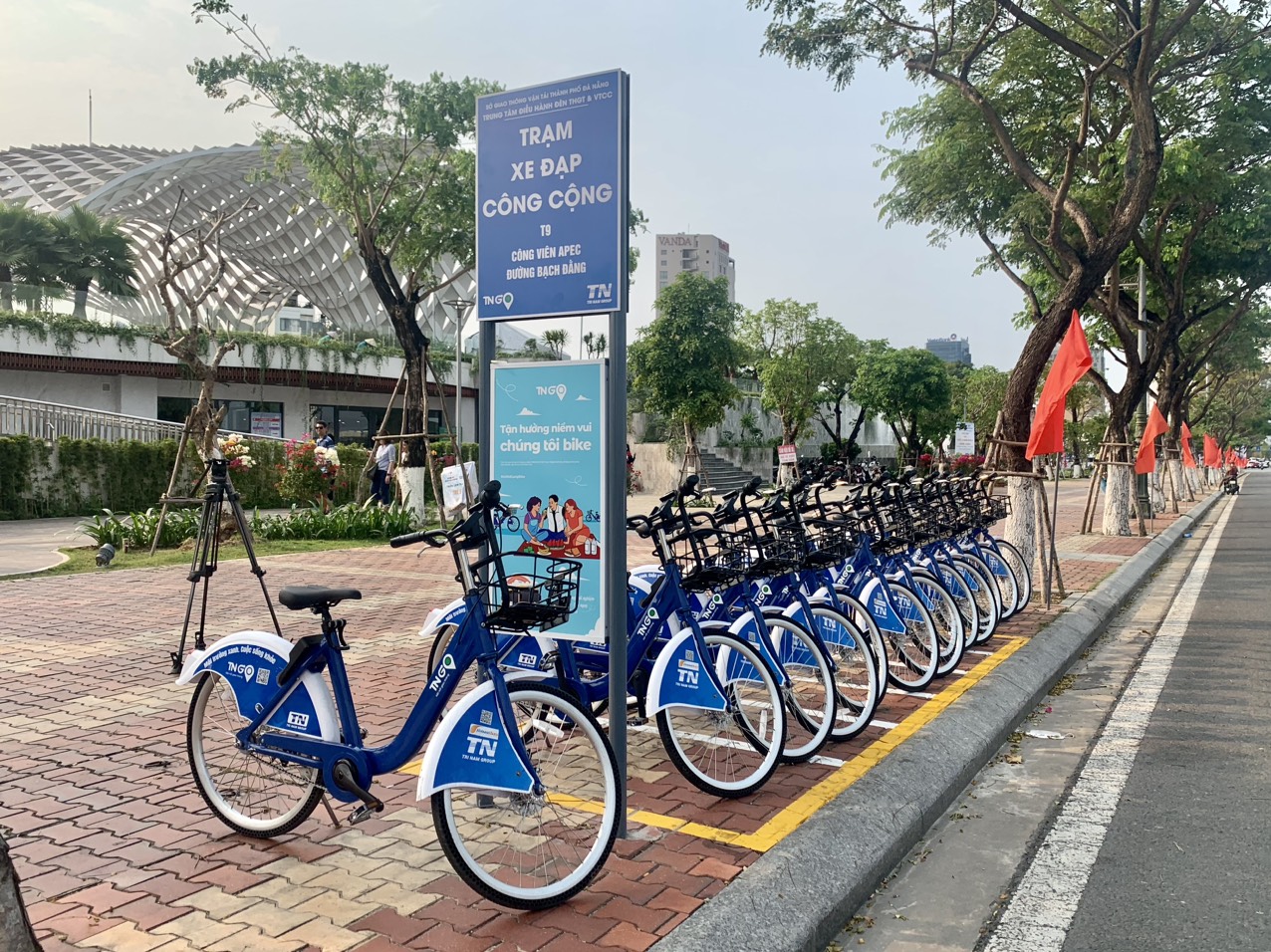
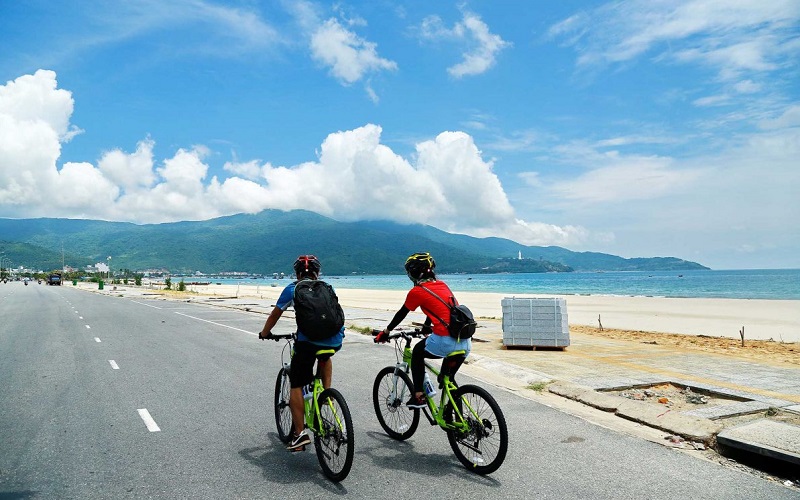
Stretching nearly 700 kilometers, this journey begins in Da Nang, Vietnam’s cycling-friendly coastal hub. With its flat roads, bike lanes, and proximity to the Hai Van Pass, it’s the perfect place to start your adventure of cycling Vietnam coast. Early mornings here are filled with locals on bicycles, from triathletes training for the next Ironman to retirees cruising along My Khe Beach.
Once you clear the city, the road hugs the coastline, passing through Hoi An, a UNESCO heritage town that’s as charming on two wheels as it is on foot. Pedal past lantern-lit alleys, rice paddies glistening with morning dew, and roadside vendors selling bánh mì and fresh coconuts. Every few kilometers feels like a scene change, from emerald fields to dramatic seascapes.
The stretch between Quy Nhon and Phu Yen is a highlight when cycling Vietnam coast: quiet coastal roads, panoramic ocean views, and climbs that reward you with breathtaking descents. Stop at hidden beaches like Ky Co, Bai Xep, or Ganh Da Dia, where you can cool off in turquoise water before continuing your ride. By the time you reach Mui Ne and Phan Thiet, the landscape shifts again, red dunes, desert winds, and palm-lined roads that feel almost Mediterranean.
The culture of the ride
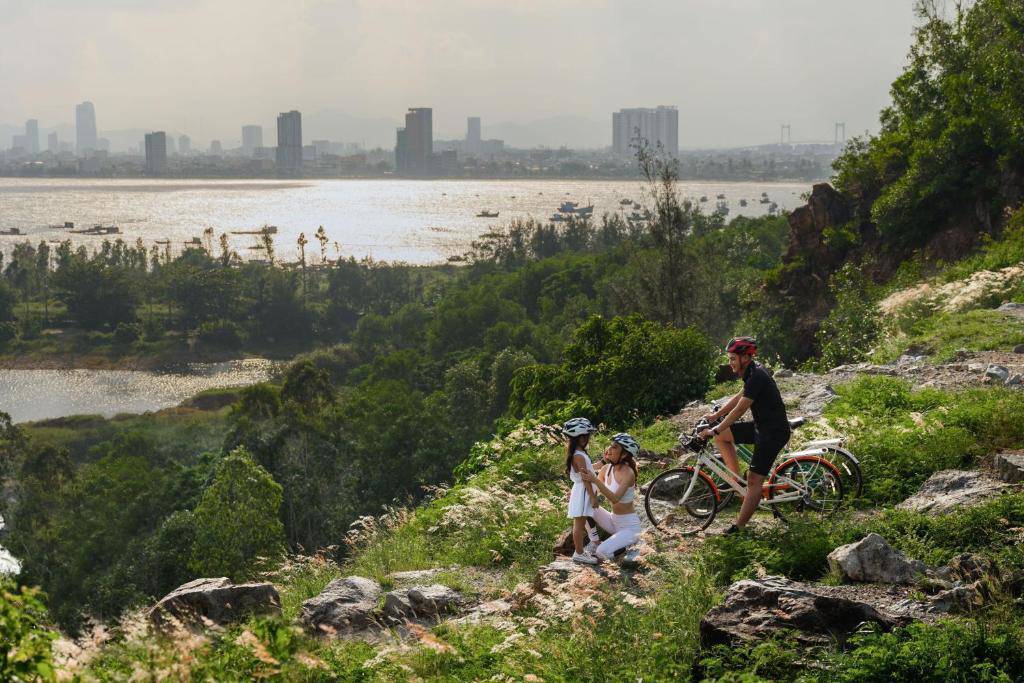
Cycling Vietnam coast isn’t just about endurance, it’s about immersion. Each stop offers a glimpse into local life. Fishermen untangling nets at sunrise. Women selling iced tea from roadside stands. Families waving as you pass through their village.
In Phu Yen, you might be invited to share a meal of grilled squid and rice wine, while in Quy Nhon, café culture thrives, seaside spots like Surf Bar or Bien Station Café have become favorites for those cycling Vietnam coast, offering espresso with a sea breeze. These “wind cafés,” as locals call them, are more than rest stops, they’re social hubs where travelers, artists, and riders meet over strong coffee and ocean air.
Essential gear and planning tips for cycling Vietnam coast
Thanks to new initiatives from the ExoTrails community and local partners, planning your route has never been easier. The MOVE+ category in the app helps riders discover scenic routes, safety-rated trails, and verified pit stops for food, rest, and repairs. You can track your ride, share highlights on BaseCamp, and even connect with other cyclists tackling similar routes.
For multi-day trips, lightweight camping gear or boutique stays from the STAY category, like seaside glamping tents near Tuy Hoa or family-run homestays in Binh Dinh, give you the freedom to rest comfortably without losing the adventure spirit.
Finding your personal rhythm of Vietnam
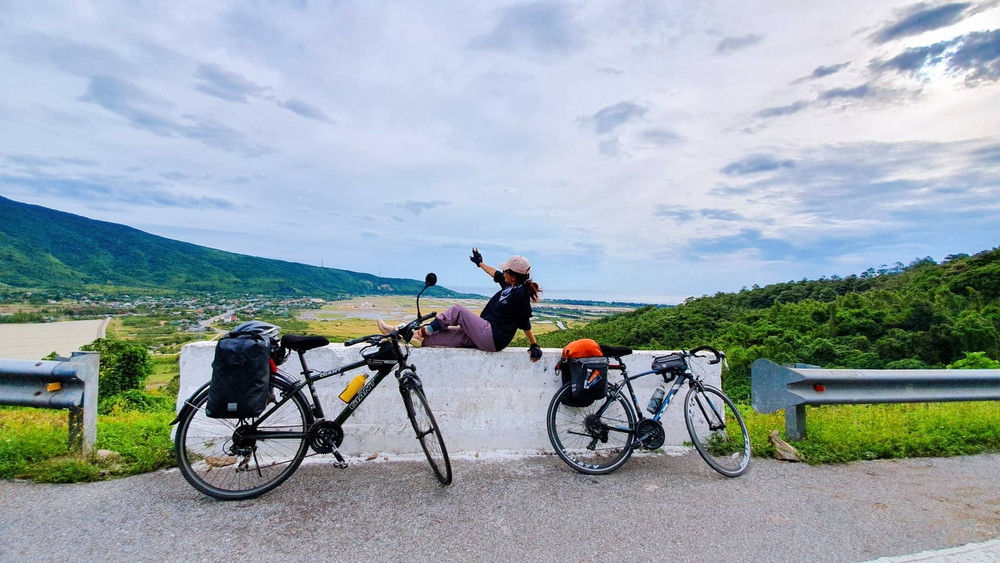
What makes this route special isn’t just the terrain, it’s the rhythm. The sound of waves becomes your metronome; the shifting light your guide. Each day brings a new kind of beauty, a stretch of wild coast, a sleepy fishing port, or the hum of a small city waking up.
You begin to realize that cycling here isn’t just travel; it’s meditation in motion. The road becomes both your challenge and your teacher, reminding you to slow down, breathe deeply, and truly see Vietnam.
The bright future of cycling Vietnam coast and long-distance trails
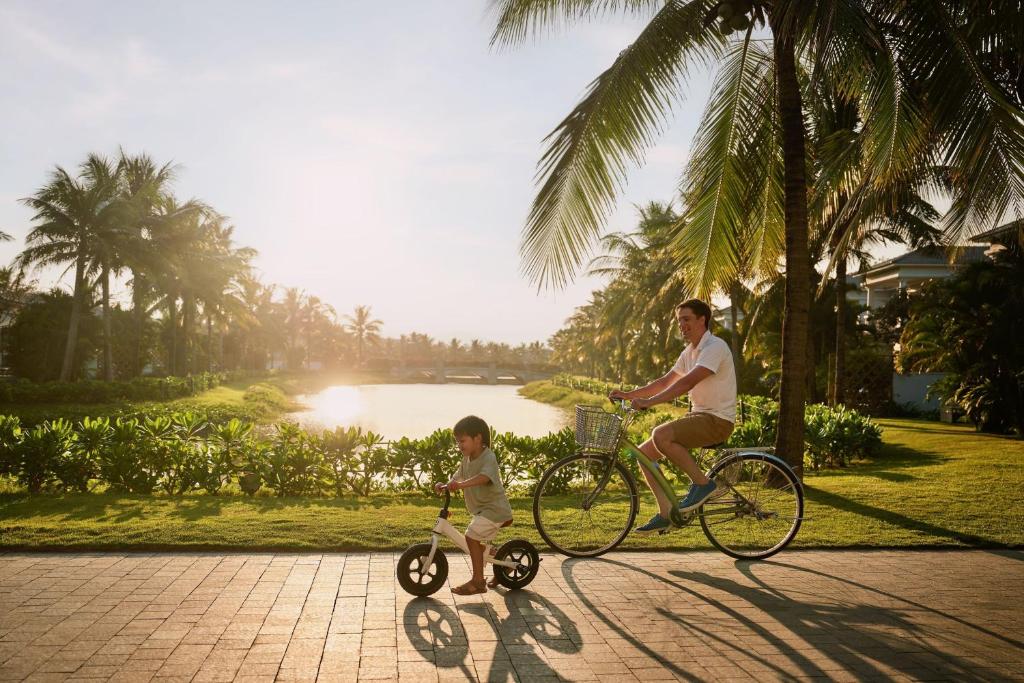
With Vietnam’s growing cycling culture and ExoTrails’ push to map new long-distance routes, the Da Nang–Phan Thiet stretch may soon join the ranks of Asia’s iconic rides. But for now, it remains something rare, an open road with endless stories waiting to unfold.
So, if you’ve ever dreamed of feeling the wind off the South China Sea as you ride past cliffs and coffee stands, this is your moment. Pack your gear, tune your bike, and let the coast lead the way. Because on Vietnam’s coastal trails, the journey isn’t measured in kilometers, it’s measured in freedom.
Conclusion
Cycling Vietnam coast is more than just a physical challenge; it is a gateway to the soul of the country. From the modern vibe of Da Nang to the rustic charm of the southern dunes, every pedal stroke connects you deeper with the land and its people. Whether you are a seasoned pro or a leisure rider, this coastal journey offers a sense of liberation that few other routes in the world can match.
Want to discover more travel tips in Vietnam? Join our vibrant community on Facebook to share your trekking stories and tips, and don't forget to like the ExoTrails fanpage for the latest updates and exclusive offers!
FAQs
What is the best time of year for cycling Vietnam coast?
The best time is during the dry season, from January to May, when the weather is sunny and the winds are generally favorable. Avoid the monsoon season from October to December to stay clear of heavy rains and potential storms.
Are the roads safe for solo cyclists along this route?
Yes, the coastal roads are generally safe, but you should remain alert for motorbikes and trucks on busier sections. Using the ExoTrails app can help you find safety-rated paths and quieter backroads for a more secure experience.
What kind of bicycle is best suited for cycling Vietnam coast?
A touring bike or a sturdy gravel bike is ideal, as they handle both paved highways and the occasional sandy or uneven road well. Ensure your bike is fitted with reliable tires and a comfortable saddle for the long 700km journey.
Do I need to carry a lot of food and water?
No, you don’t need to overpack supplies because there are plenty of "wind cafés" and local stalls every few kilometers. You can easily find fresh water, coconuts, and local meals throughout the entire journey from Da Nang to Phan Thiet.