
Most travellers meet the Mekong Delta in a rush, arriving before sunrise, gliding through Cái Răng Floating Market, then heading back by mid-morning. But the most sustainable way to experience the Mekong isn’t faster. It’s slower, deeper, and far more intentional. Following a responsible travel Vietnam guide here isn’t just about what you see, it’s about when and how you experience it. And when you stretch your journey across a full day, something remarkable happens: you reduce your impact while increasing your connection.
Read more interesting posts here:
- The Soulful Magic of Floating Market Tours Vietnam: An Ultimate Guide to Dawn on the River
- Authentic Village Immersion Vietnam: Trekking Villages Where Tradition Meets Adventure in Vietnam
- Amazing Secrets of Fansipan Flora and Fauna: The Ultimate Trekker’s Guide
5:00 AM - Low impact and high awareness for your responsible travel Vietnam guide
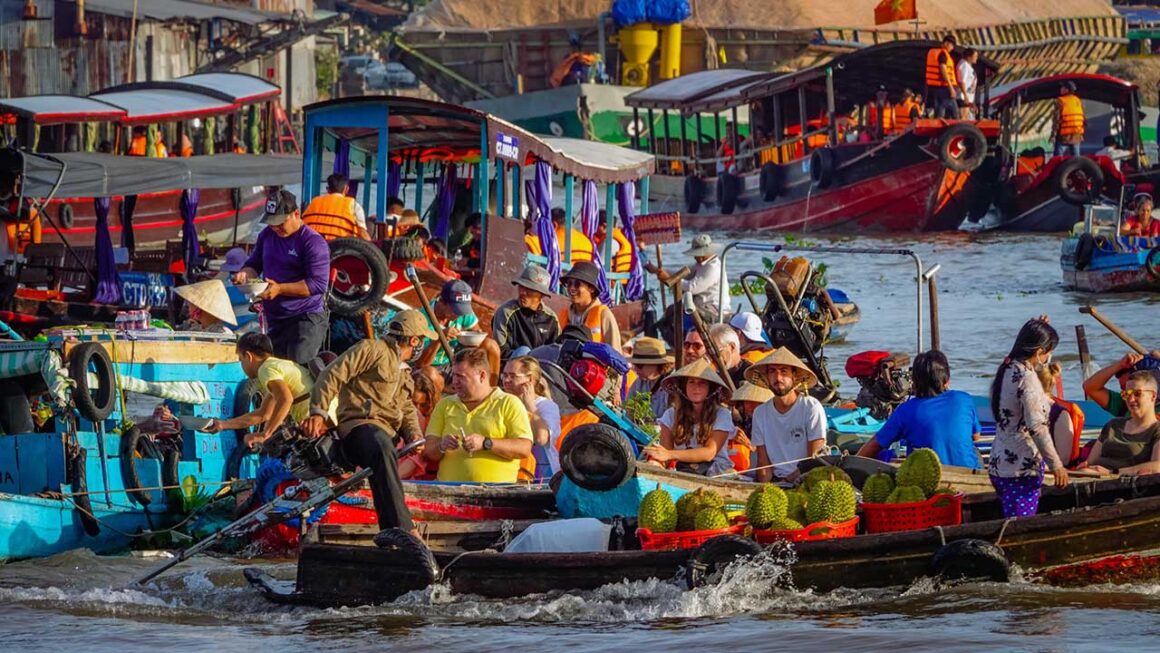
Start early, but start consciously as part of your responsible travel Vietnam guide principles. From Cần Thơ, choose a small, locally operated boat rather than a large tour group. Fewer passengers mean less fuel, less noise, and a lighter footprint on an already active river. As you move into the floating market, avoid chasing the busiest clusters. Let your guide navigate gently, keeping distance where needed. You’re not just observing, you’re respecting a working environment.
7:00 AM - Eating local and supporting communities directly
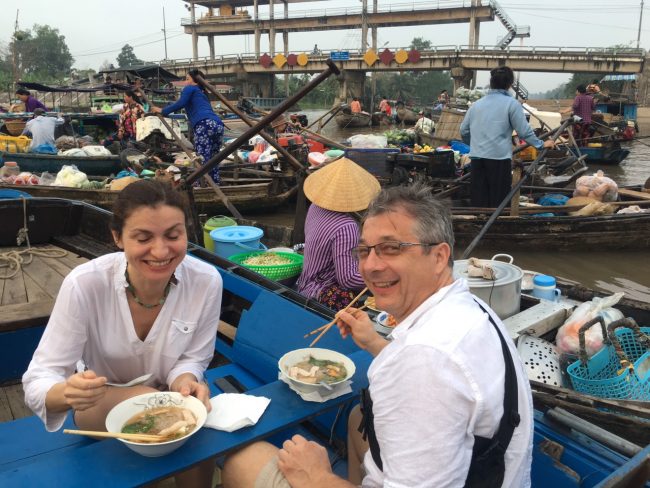
Breakfast on the river isn’t just a highlight—it’s an opportunity as outlined in this responsible travel Vietnam guide. Instead of pre-arranged meals, buy directly from vendors. A bowl of noodles, fresh fruit, or coffee prepared on a small boat supports micro-economies that rely on daily trade. It’s simple, but it ensures your spending stays within the community.
9:00 AM - Dispersing the crowd for a better responsible travel Vietnam guide experience
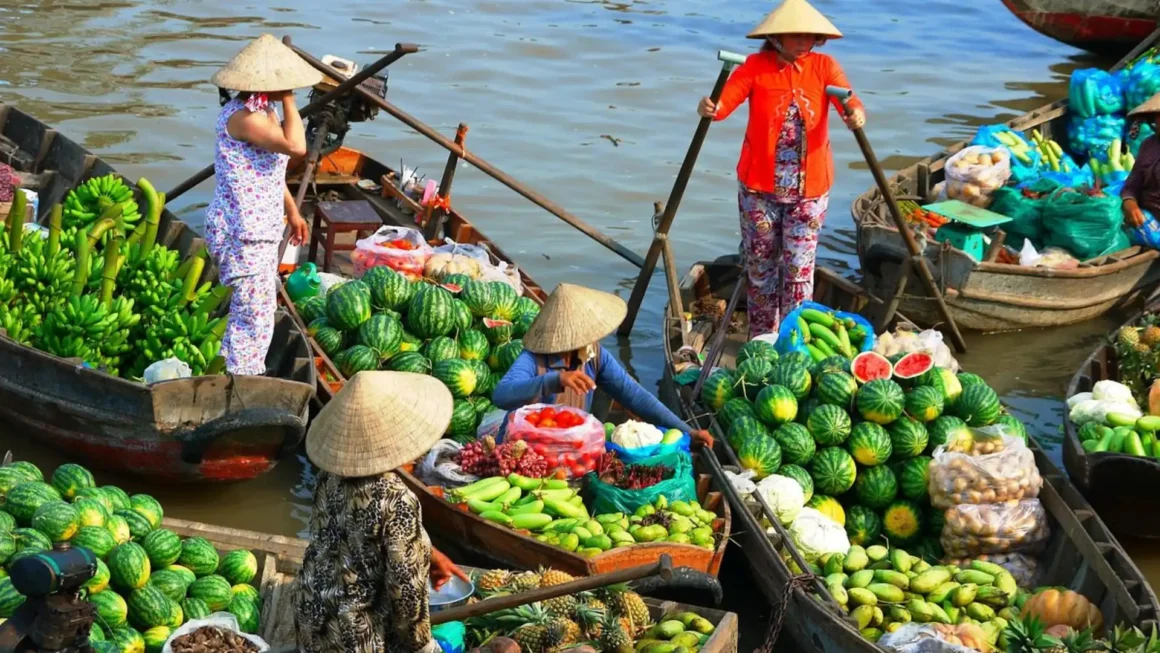
As the main market begins to thin, this is your moment to move differently to ensure your responsible travel Vietnam guide goals are met. Head toward quieter areas like Phong Điền Floating Market or into narrow canals where traffic is lighter. Spreading visitor presence reduces pressure on high-density zones and allows for a more balanced ecosystem, both environmentally and socially. Less crowding leads to more authenticity.
11:00 AM - Stepping off the boat for land-based responsible travel Vietnam
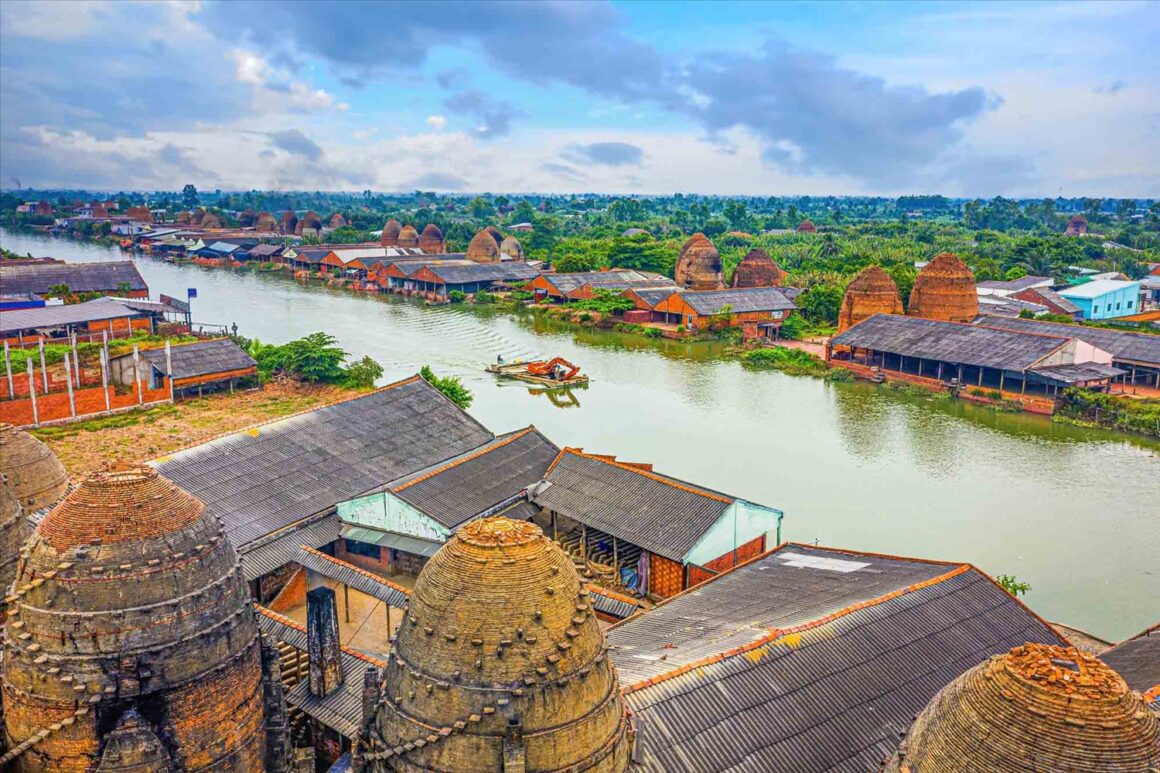
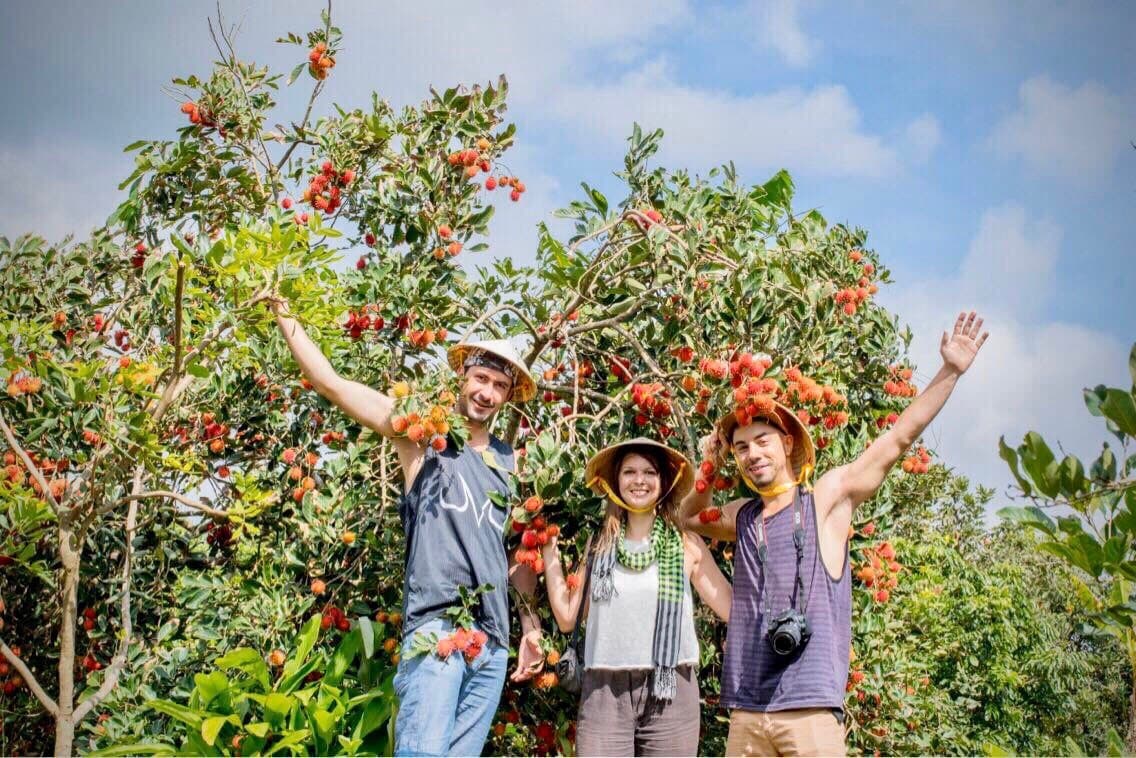
Sustainability in the Mekong isn’t only about water—it’s about land. Transition to low-impact exploration. Cycle through villages, walk orchard paths, or visit small farms in Vĩnh Long Province. These activities require no fuel, create minimal disruption, and offer deeper engagement with local life. You move slower, but you see more through the lens of this responsible travel Vietnam guide.
1:00 PM - Eating what the land provides within your responsible travel Vietnam guide itinerary
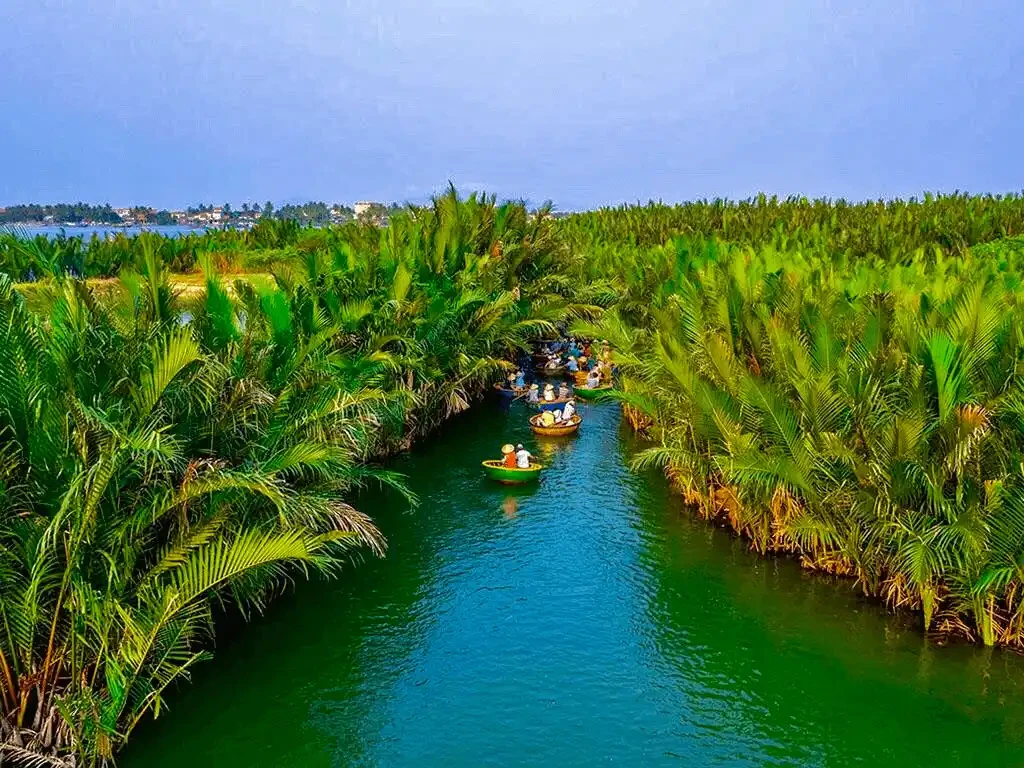
Lunch is another opportunity to travel responsibly. Choose meals prepared with local ingredients fish from nearby waters, vegetables grown in surrounding farms, fruits harvested that same morning. In regions like Bến Tre Province, this is a cornerstone of any responsible travel Vietnam guide. Short supply chains mean less transport, less waste, and more direct support for local producers.
3:00 PM - Resting and not rushing is a key responsible travel Vietnam guide tip
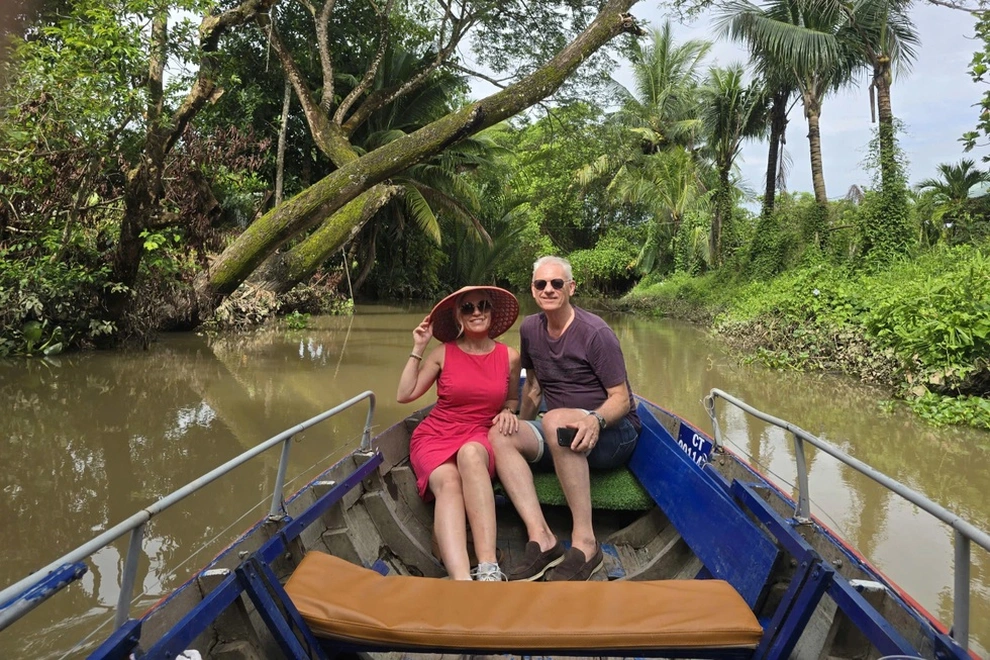
One of the most overlooked aspects of sustainable travel is rest within this responsible travel Vietnam guide framework. Instead of moving constantly, pause. Stay at a riverside homestay. Sit in the shade. Watch daily life unfold without trying to “do” anything. This reduces your environmental footprint while allowing the destination to exist without constant interaction. Sometimes, the most sustainable action is simply being present without consuming.
6:00 PM - Experience the quiet Mekong
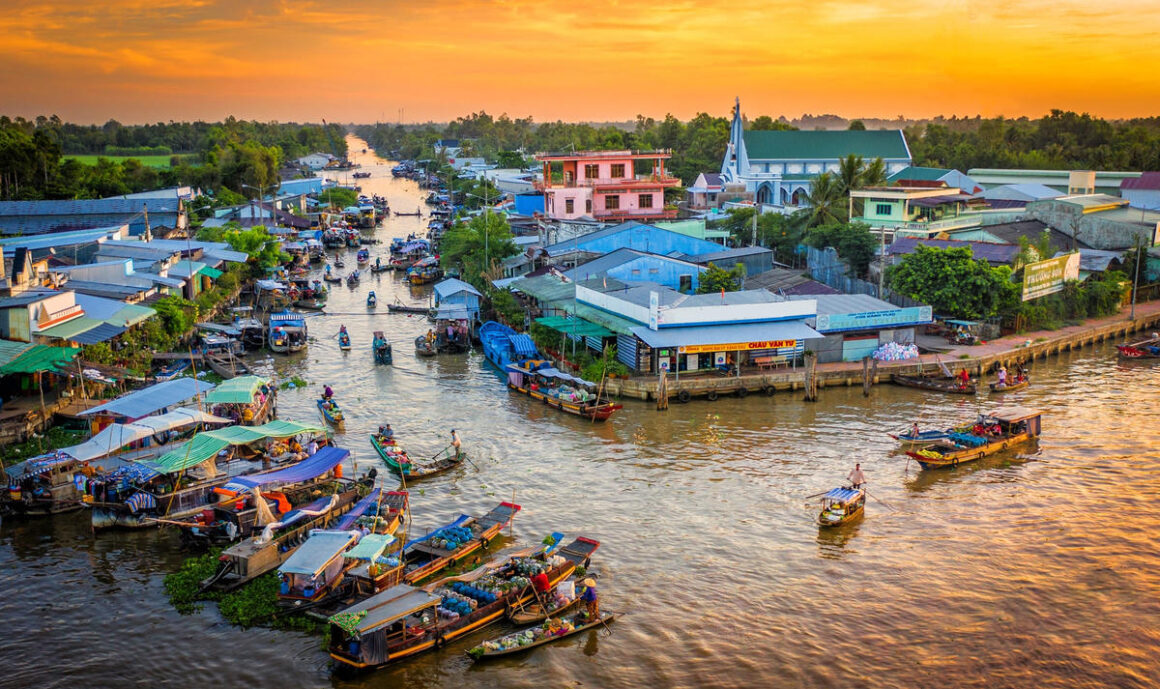
Evening in the Mekong is calm, reflective, and rarely experienced by day-trippers. Stay for it with your responsible travel Vietnam guide mindset. Fewer boats, less noise, and minimal activity mean lower environmental stress. It’s also when you connect most naturally with your hosts—sharing meals, stories, and perspectives that deepen your understanding of the region. This is eco-tourism at its most human.
9:00 PM - Leaving no trace is the final step of a responsible travel Vietnam guide
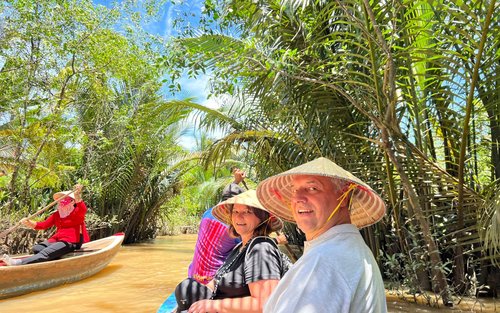
Before the day ends, consider what you’ve left behind. Minimize waste. Use reusable bottles. Be mindful of plastics, bcause in a water-based ecosystem, everything flows downstream. Small actions matter more here than almost anywhere else.
If planning a responsible Mekong itinerary feels a bit complex, you might find this full-day tour from Ho Chi Minh a more manageable way to experience it: Full Day Excursion To Mekong Delta from Ho Chi Minh City.
Conclusion
The Mekong Delta is changing, and while environmental pressures are real, eco-tourism offers a path forward. This responsible travel Vietnam guide encourages you to travel slower, spend locally, and move consciously to become part of a system that supports rather than strains this unique region. When you give the Mekong the time it deserves, sustainability isn't just a feature—it’s the future of travel.
Ready to explore the world with intention? Join our ExoTrails Community Group and like the Facebook Page to connect with fellow travelers and get the latest tips from our responsible travel Vietnam guide!
FAQs
What is the most important rule for a responsible travel Vietnam guide?
The most important rule is to minimize your environmental impact by reducing waste and supporting local economies directly through fair-trade purchases.
How can I reduce plastic waste while following a responsible travel Vietnam guide?
Always carry a reusable water bottle and refill it at your homestay or filtered water stations to avoid purchasing single-use plastic bottles.
Which region is best for eco-tourism according to a responsible travel Vietnam guide?
The Mekong Delta and the northern highlands of Ha Giang are prime destinations for sustainable exploration due to their delicate ecosystems and rich local cultures.
Is it better to travel solo or with a guide for responsible travel?
Hiring a local ethnic minority guide is highly recommended, as it ensures your travel funds support the community and provides you with deep cultural insight.
Does slow travel really make a difference in a responsible travel Vietnam guide?
Yes, staying longer in one location reduces transportation emissions and allows for more meaningful, low-impact interactions with the environment and local people.


