


Let’s have a "heart-to-heart" for a second. Most first-time visitors to Vietnam flock to Da Nang or Nha Trang for their "beach fix." And look, if you want a mojito delivered to your sun lounger while a DJ plays house music, those places are great. But if you want to see what happens when fire meets the ocean when volcanic fury creates a landscape so symmetrical it looks like it was designed by an architect you need this Phu Yen Vietnam nature travel guide.
Phu Yen is the "middle child" of Vietnam’s coastline. It’s often overlooked, sitting quietly between its more famous siblings, which is exactly why I love it. In 2026, while the rest of the coast is buzzing with construction, Phu Yen remains a land of cactus-lined cliffs, golden grass, and some of the most bizarre geological formations on the planet.
Read more interesting posts here:
- Hidden Villages in Vietnam: 12 Breathtaking Routes into the Soul of an Ancient Empire
- Red River Delta Civilization: Fascinating Insights into Vietnam’s Ancient Water Culture
- Authentic Local Experiences Vietnam: Amazing Secrets Locals Don’t Usually Share
Ghenh Da Dia: A Must-See in This Phu Yen Vietnam Nature Travel Guide
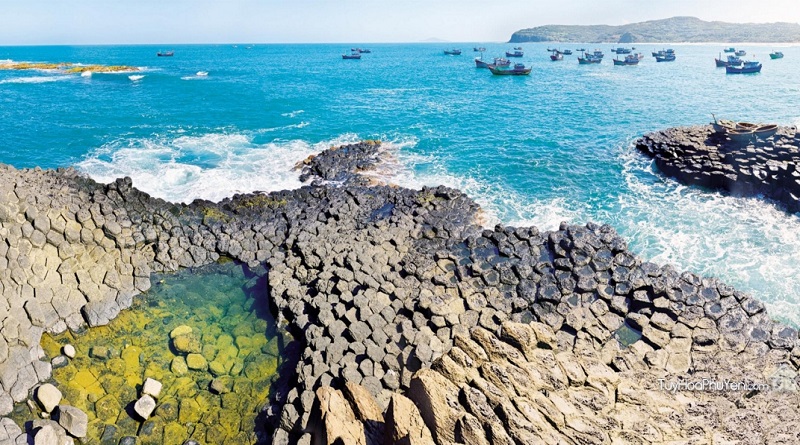
The undisputed star of any Phu Yen Vietnam nature travel guide is Ghenh Da Dia (The Cliff of Stone Plates). Imagine tens of thousands of basalt columns mostly hexagonal, some pentagonal stacked neatly against the turquoise surf. It looks like a giant honeycomb or a set of prehistoric stairs leading into the East Sea.
As any comprehensive Phu Yen Vietnam nature travel guide will tell you, this isn't just "pretty rocks." This is a rare geological phenomenon formed by volcanic eruptions millions of years ago. As the lava hit the cold ocean water, it contracted and cracked into these perfect geometric pillars. It’s one of only a handful of such sites in the world (think Ireland’s Giant’s Causeway, but with better weather and significantly more fish sauce).
Bai Xep: Where Volcanic Cliffs Meet Emerald Plains
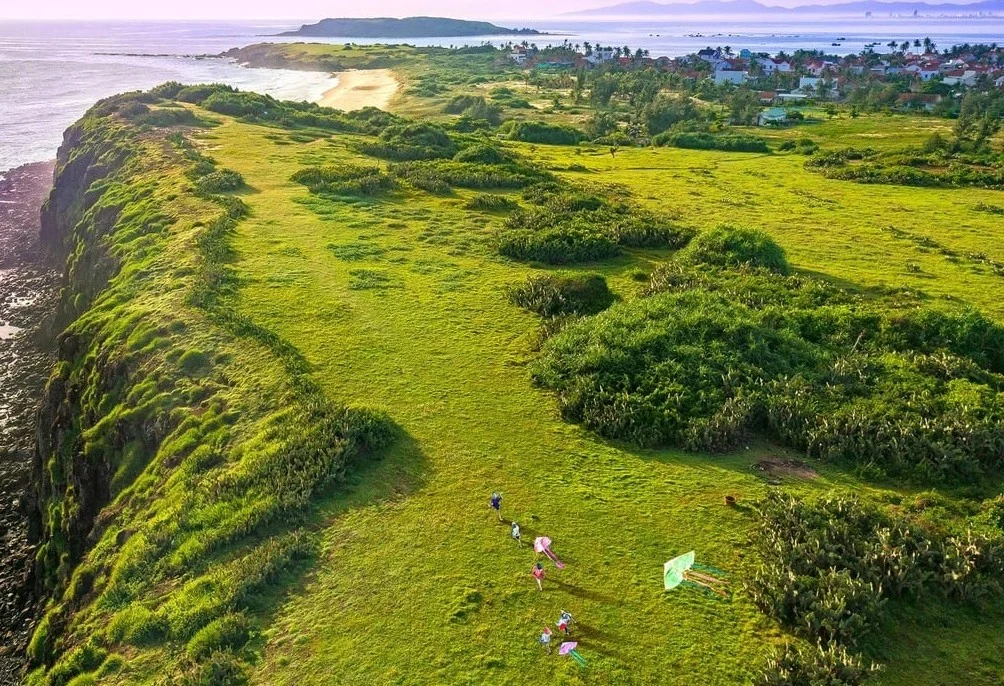
As highlighted in our Phu Yen Vietnam nature travel guide, a few miles down the coast, you’ll find Bai Xep. If this place looks familiar, it’s because it was the filming location for the famous Vietnamese film "Yellow Flowers on Green Grass." The contrast here is wild:
- The Top: A flat, emerald-green plateau covered in wild cacti and yellow wildflowers.
- The Bottom: A secluded, crescent-moon beach with sand so white it looks bleached.
- The Edge: Black volcanic rocks that create natural tide pools perfect for a quick (and private) dip.
Standing on the cliff edge with the wind whipping through your hair, looking down at the local fishermen in their round "basket boats" (Thuyen Thung), you’ll realize that this is exactly what you were searching for in a Phu Yen Vietnam nature travel guide.
Dai Lanh Cape: Catching the First Sunrise in Vietnam
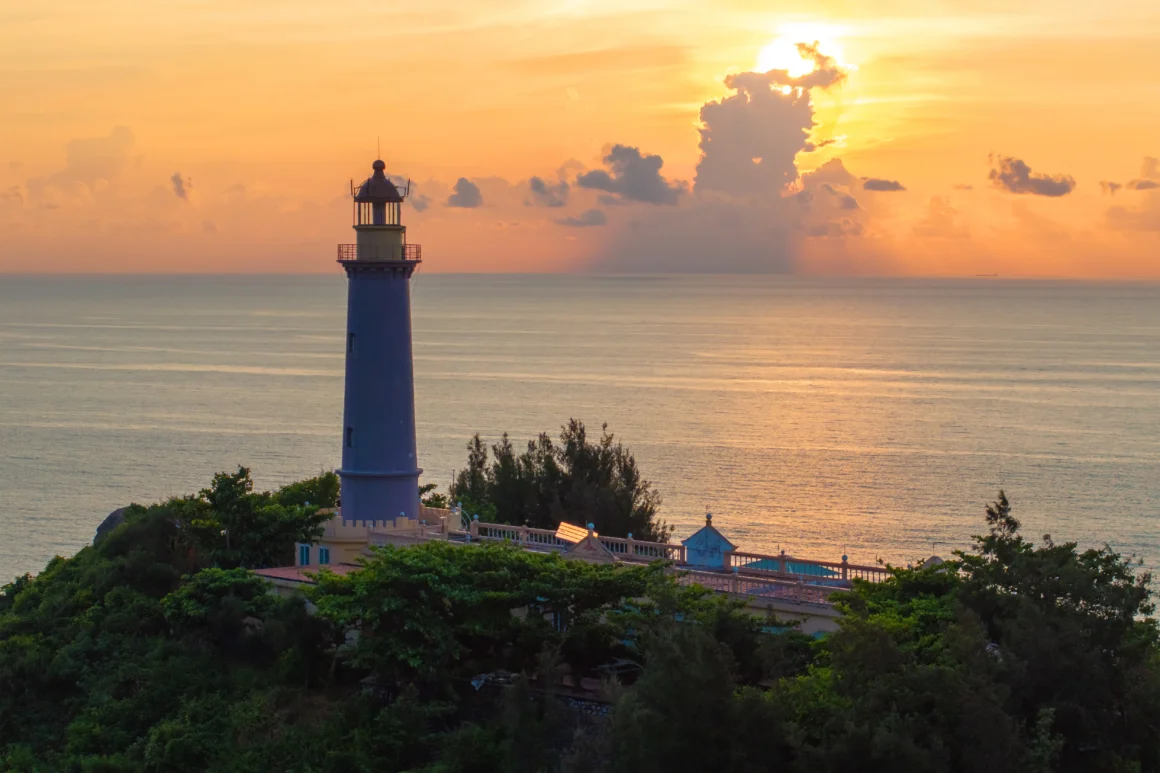
If you’re an early riser (or can be bribed with a strong Vietnamese coffee), our Phu Yen Vietnam nature travel guide highly recommends heading to Mui Dien (Dai Lanh Cape). For a long time, this was considered the easternmost point of mainland Vietnam.
You’ll hike up to a French-built lighthouse from the 1800s. Standing there at 5:00 AM, watching the very first rays of the Vietnamese sun hit the cliffs of Mon Beach below, is a spiritual experience. The water here is so clear you can see the coral reefs from 100 meters above.
Practical Tips for Your Phu Yen Nature Expedition
I’ll be honest: Phu Yen isn't for the traveler who needs a Starbucks on every corner.
- The Language Barrier: It’s real here. You’ll need Google Translate and a lot of hand gestures.
- The Food: It’s adventurous, but any authentic Phu Yen Vietnam nature travel guide will tell you that you haven't truly "done" the province until you’ve tried Ocean Tuna Eyeball (steamed with herbs). It tastes like a rich, savory sea-marrow. Trust me, just close your eyes and take a bite!
- The Heat: There is very little shade on these volcanic cliffs. If you aren't wearing a hat and 50+ SPF, the sun will cook you like a piece of calamari.
Ready to witness these geological marvels for yourself? Explore our handpicked adventure itineraries and start your journey to Phu Yen today: Phu Yen Day Tour From Quy Nhon: Mang Lang Church, Ghenh Da Dia
Conclusion
This Phu Yen Vietnam nature travel guide shows that the most beautiful parts of the coast are often the ones left untouched. From the geometric wonder of Ghenh Da Dia to the spiritual sunrise at Dai Lanh Cape, Phu Yen offers a raw, volcanic beauty that you won't find in the resort hubs. If you're willing to trade the mojitos for basalt columns and tuna eyeballs, Phu Yen will reward you with a landscape you'll never forget.
FAQ
1. When is the best time to visit Phu Yen for nature lovers?
The dry season from March to August is ideal. The skies are clear, the water is turquoise, and the "yellow flowers on green grass" are in full bloom.
2. How do I get to Phu Yen?
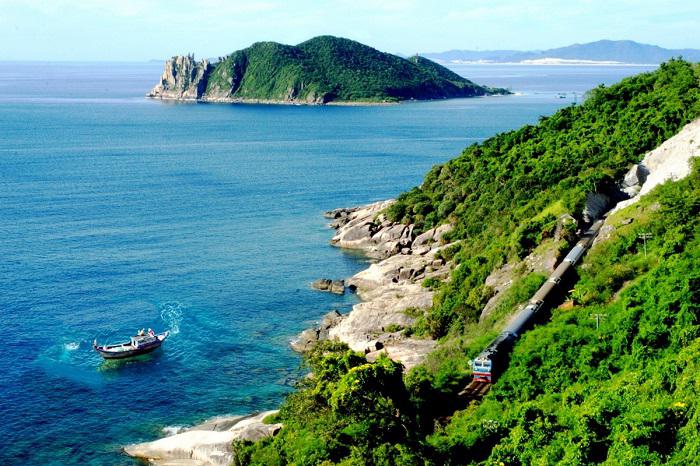
You can fly directly into Tuy Hoa Airport from Hanoi or Ho Chi Minh City, or take a scenic train ride along the coast.
3. What is the most famous dish in this Phu Yen Vietnam nature travel guide?
Ocean Tuna Eyeball is the local delicacy. If that's too bold, try the "Chicken Rice" (Com Ga Tuy Hoa) or fresh lobster from the local lagoons.
4. Do I need to rent a motorbike to see the sights?
According to our Phu Yen Vietnam nature travel guide, a motorbike offers the most freedom to explore hidden coves, but private cars with local drivers are recommended for those not comfortable with mountain roads.
5. Is Phu Yen good for photography?
Absolutely. Places like Ghenh Da Dia and Bai Xep offer unique geometric patterns and lighting that are perfect for professional and amateur photographers alike.
Ready to share your secret travel discoveries and connect with fellow adventurers? Join our ExoTrails community group on Facebook and like our Fanpage for more inspiration!


