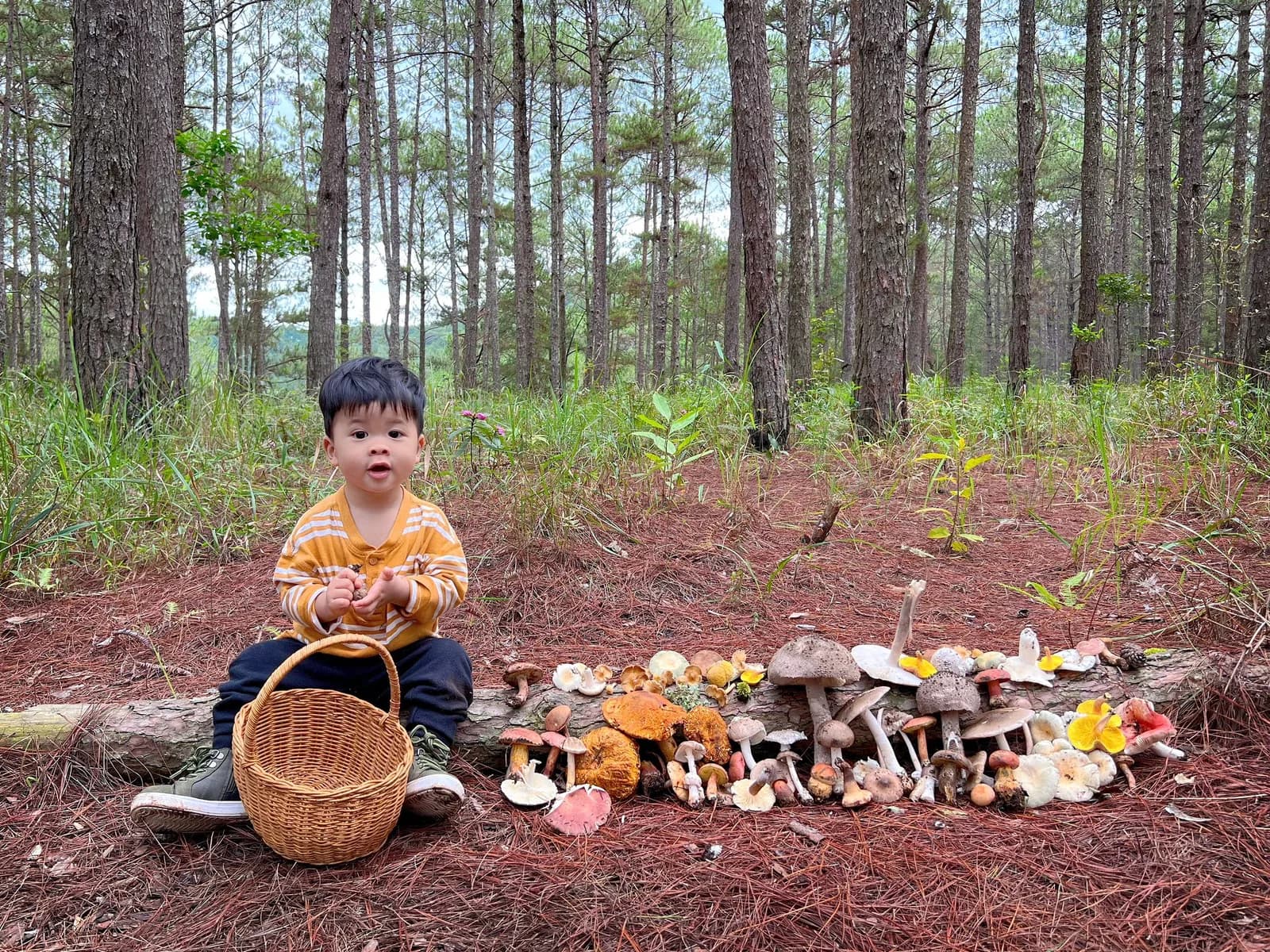


I have spent decades navigating the monsoon-carved ridges of the borderlands, and I’ve learned that the "Primitive North", while iconic—has a southern counterpart in the limestone heart of Central Vietnam that operates on the same raw frequency. In 2026, while the crowds queue for the famous show-caves, the true soul of the Annamite Range remains hidden in the "forgotten" water systems and dense jungles of Quảng Bình, offering the perfect frontier for sustainable travel in Central Vietnam.
This isn't about checking boxes; it’s about trading 5-star thread counts for 5-billion-star views. If you are ready to earn your vista, we must look beyond the illuminated walkways toward the dark, emerald veins of the Minh Hóa and Tuyên Hóa districts.
Read more interesting posts here:
- The Perfect Mekong Delta Day Tour: An Unforgettable Escape Into River Life
- The Ultimate Culinary Tourism Vietnam Guide: Essential Secrets of Authentic Local Markets
- 7 Essential Secrets for Using Offline Maps for Hiking Vietnam Mountains Successfully
Experience the flood-plains of Tú Làn as a masterpiece of sustainable travel in Central Vietnam
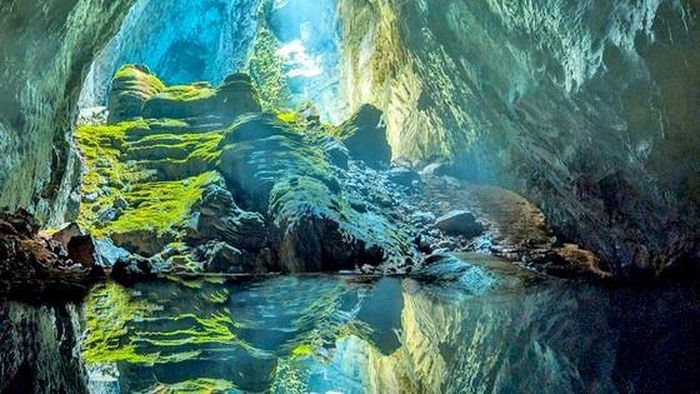
While Phong Nha-Kẻ Bàng is the headline, the Tú Làn cave system in Tân Hóa is where the earth still feels like a living, breathing organism. This is a land of "seasonal geography," where the landscape transforms entirely between the dry and wet seasons.
- The Primitive Angle: You aren't just walking through a cave; you are swimming through it. This system is a series of interconnected grottoes carved by the Rào Nan River. The Hmong and Nguồn people here have adapted to this volatile environment for generations, creating a lifestyle that is a masterclass in hydraulic resilience and a model for sustainable travel in Central Vietnam.
- The Trek: A deep-jungle immersion that requires you to scramble over sharp karst and swim into the darkness of giant river caves. In the early morning, the mist hangs so low over the Tân Hóa valley that the water buffalo look like ghosts drifting through a prehistoric swamp.
Protect the limestone sanctuaries of Tuyên Hóa through community-led sustainable travel in Central Vietnam
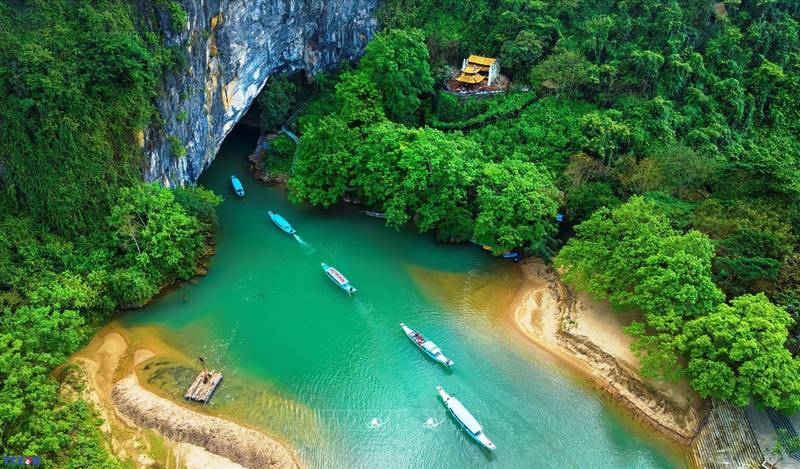
To the north of the main national park lies Tuyên Hóa, a district that remains largely absent from international maps. This is the "Primitive" refuge of the Hatinh Langur, one of the world’s rarest primates, which lives among the vertical limestone cliffs.
- The Experience: We don't go with binoculars and safari trucks. We go with local community rangers—former loggers turned conservationists—who track these silver-maned monkeys by the sound of their calls echoing off the karst. This is the pinnacle of community-led eco-tourism and a vital part of sustainable travel in Central Vietnam.
- The Impact: This is the pinnacle of community-led eco-tourism. By visiting, you are directly incentivizing the protection of the forest over illegal hunting. The "luxury" here is the sight of a wild langur family leaping across a 200-meter drop as the sun sets.
Discover the lost valley of Hung Thoòng for the most remote sustainable travel in Central Vietnam
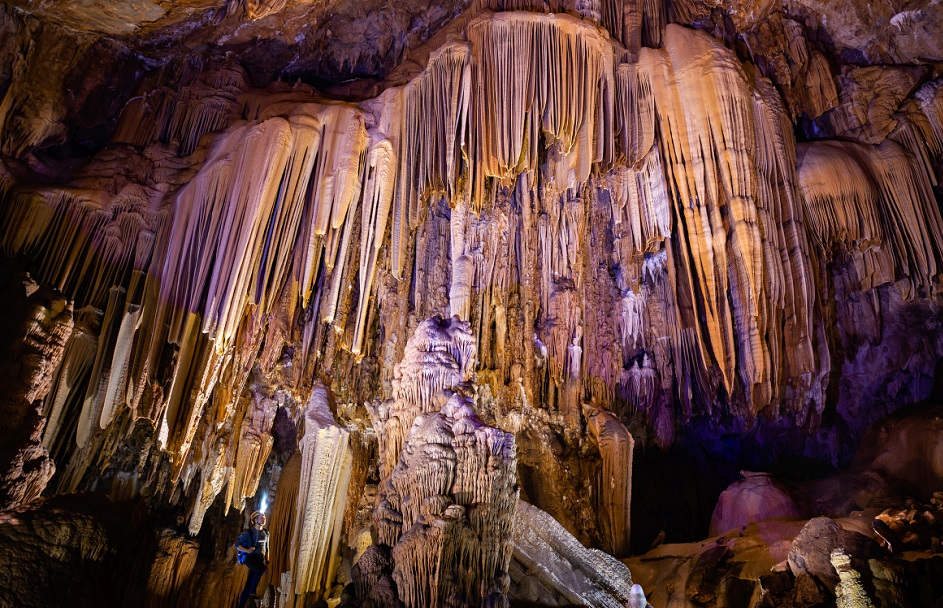
Hidden deep within the core zone of the karst mountains lies Hung Thoòng, a valley so remote it was only recently opened to limited, low-impact exploration.
- The Hidden Gem: The "Crystal Grotto," where the stalactites are so pure they are translucent. Getting here involves a multi-day trek through primary forest where the canopy is so thick the forest floor exists in a perpetual emerald twilight.
- The Eco-Impact: In 2026, this remains a "Strict Protection Zone." No permanent structures are allowed. We use portable, eco-friendly campsites that leave zero chemical footprint on the sensitive cave water systems, ensuring the subterranean biodiversity remains intact while promoting the highest standards of sustainable travel in Central Vietnam.
The mandate: Respect the flow
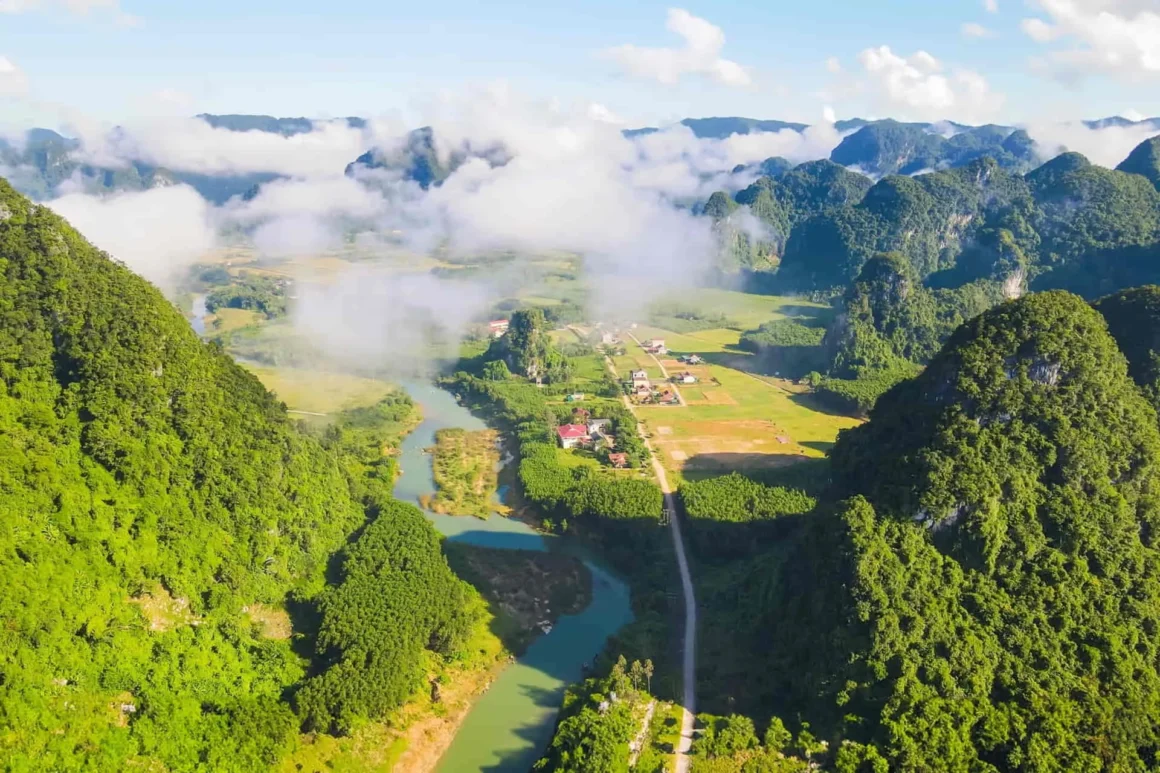
The true power of Quảng Bình’s "Primitive" interior is its unpredictability. In these limestone cathedrals, water is the sculptor and we are merely guests in its workshop. Protecting this frontier requires a radical commitment to minimalist travel—carrying only what is vital and leaving behind nothing but the ripple of a paddle.
The real discovery is not a new cave, but a new perspective on how fragile our wild spaces truly are. It’s about the silence of a pitch-black cavern and the realization that the world is much larger, and much older, than we often remember.
Conclusion
In conclusion, the primitive beauty of Quảng Bình offers a profound opportunity for sustainable travel in Central Vietnam. By venturing into these hidden grottoes and supporting local conservation efforts, travelers can ensure that the emerald veins of the Annamite Range continue to thrive. It is a journey that transforms not just the landscape, but the traveler as well, proving that the future of exploration lies in our ability to protect the wild.
Ready to protect the wild? Join our vibrant community in the ExoTrails Community Group and be sure to like the Facebook Page for the latest hidden gems, trail updates, and daily inspiration!
FAQs
What is the best time for sustainable travel in Central Vietnam?
The ideal window is between February and August during the dry season, as heavy rains can make the cave systems of Quảng Bình inaccessible.
How does sustainable travel in Central Vietnam help local communities?
It provides alternative livelihoods for former loggers and hunters, who now work as professional rangers and guides to protect the ecosystem.
Is sustainable travel in Central Vietnam suitable for beginners?
While some expeditions like Hung Thoòng are technical, there are many moderate eco-tours designed for those with basic fitness levels.
What should I bring for a sustainable travel trip in Central Vietnam?
Focus on eco-friendly gear, including biodegradable toiletries, reusable water bottles, and quick-dry clothing that leaves a minimal environmental footprint.
Do I need a permit for sustainable travel in Central Vietnam's core zones?
Yes, most protected areas require permits and professional guides to ensure the safety of both the traveler and the sensitive environment.