


As Vietnam embraces the spotlight for its culinary tourism Vietnam, local markets stand out as vibrant epicenters of culture and flavour, providing a deeper understanding of the country's rich food traditions. These bustling hubs not only offer an array of fresh ingredients and authentic dishes but also serve as a window into daily life in Vietnam, showcasing the interwoven relationship between food, community, and culture.
Read more interesting posts here:
- The Perfect Mekong Delta Day Tour: An Unforgettable Escape Into River Life
- Solo Trekking in Sapa: Essential Tips for a Safe and Breathtaking Adventure
- Sapa Trekking Difficulty: Surprising Realities You Must Know for a Successful Adventure
Why vibrant local markets are the heartbeat of culinary tourism Vietnam
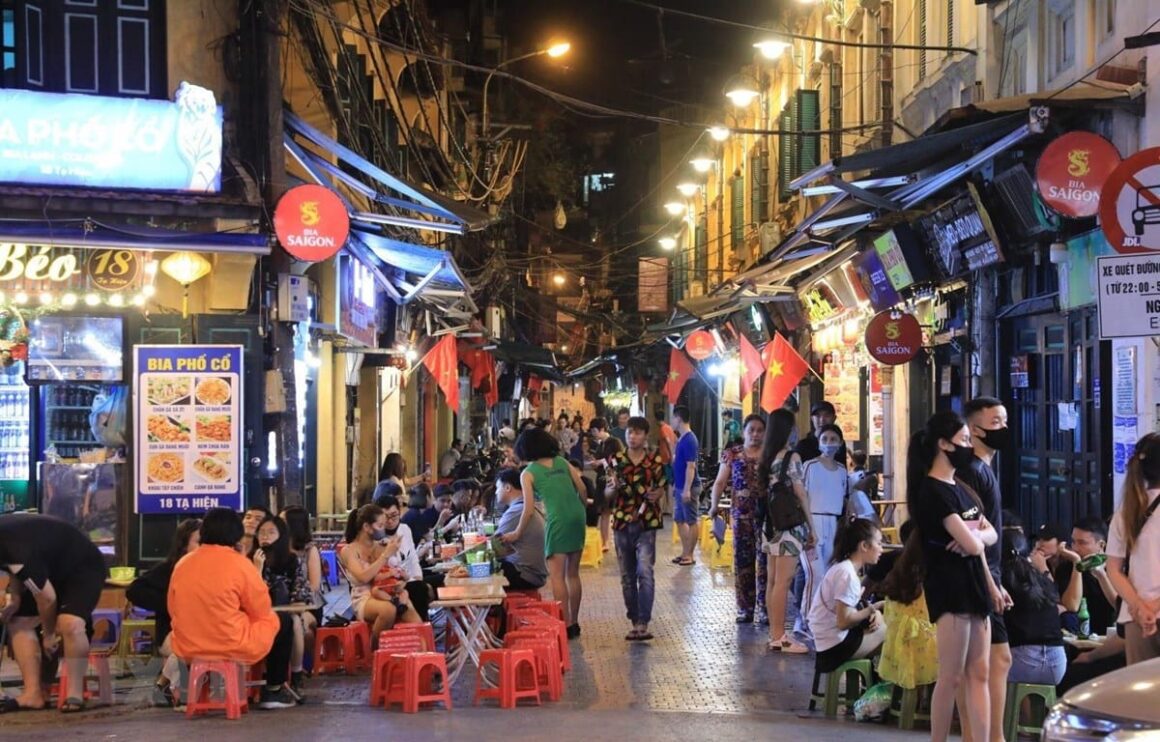
Walking through a Vietnamese market is a sensory extravaganza. The air is filled with enticing aromas from sizzling street food stalls, the chatter of vendors calling to customers, and the vibrant colors of fresh fruits and vegetables spilling over from stalls. Each market tells a story, reflecting the unique culinary identity of the region, which is a key pillar of culinary tourism Vietnam.
In Hanoi, the historic Old Quarter’s markets offer specialty items such as Bánh Mì fillings and regional herbs that are essentials for many traditional dishes. Down south in Ho Chi Minh City, markets like Ben Thanh are famous for their diverse offerings—from fresh seafood to mouthwatering Phở allowing visitors to indulge in the best of culinary tourism while experiencing the hustle and bustle of city life.
Essential ingredients you will discover while exploring culinary tourism Vietnam
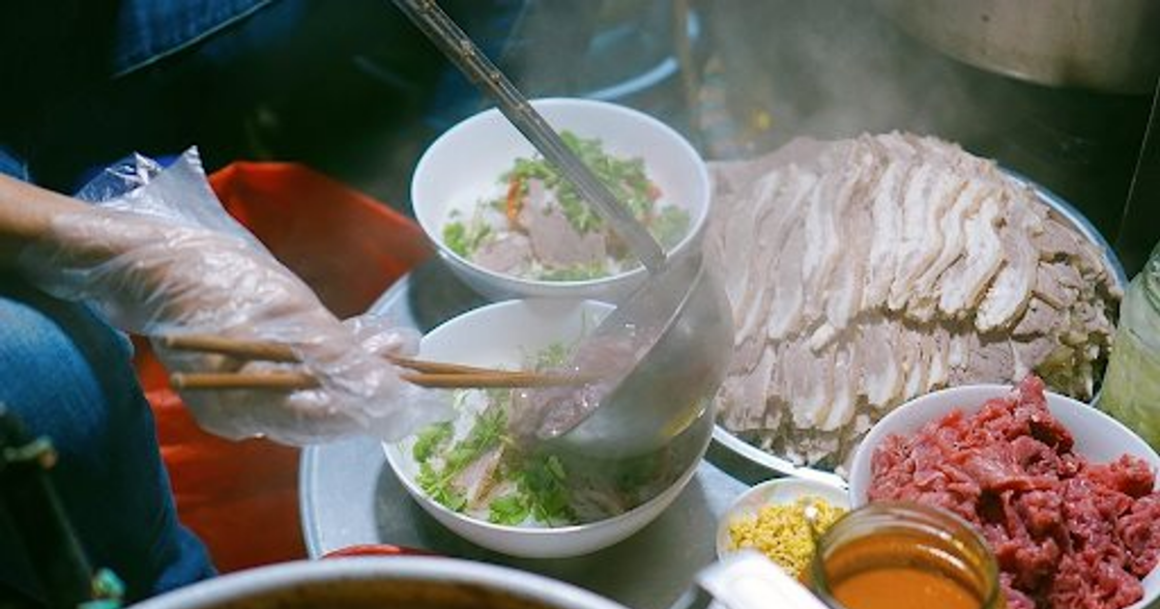
Vietnamese cuisine is renowned for its fresh ingredients, and local markets are the best places to discover them. Each region boasts unique produce shaped by its climate and geography, adding variety to culinary tourism Vietnam.
In the northern markets, you can find Măng (bamboo shoots) that are essential for making savoury stews, while central markets offer fragrant herbs like Riềng (ginger-lily) that add a distinctive kick to dishes. The southern provinces highlight tropical fruits like Bưởi (grapefruit) and Xoài (mango), which are abundant and often incorporated into refreshing salads. Exploring these ingredients not only enhances travellers' culinary tourism Vietnam knowledge but also supports local economies and sustainable farming practices.
How to connect with authentic local culture
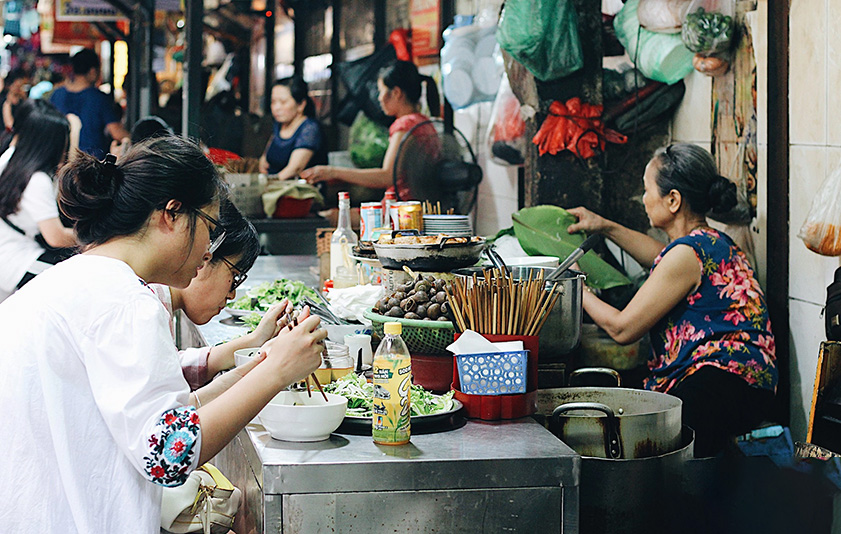
Local markets are community gathering places, and immersing yourself in these environments helps forge meaningful connections. Here, travellers can chat with local vendors, hear their stories, and learn about their traditional recipes, which is the soul of culinary tourism Vietnam.
Many markets offer cooking demonstrations, where visitors can witness the preparation of classic dishes, such as Gỏi (Vietnamese salads) or Cao Lẫu (a Hoi An specialty noodle dish). Tourists can also participate in hands-on cooking classes that begin with selecting fresh ingredients from the market, creating an authentic farm-to-table experience.
Experiences that go beyond tasting during your culinary tourism Vietnam adventure
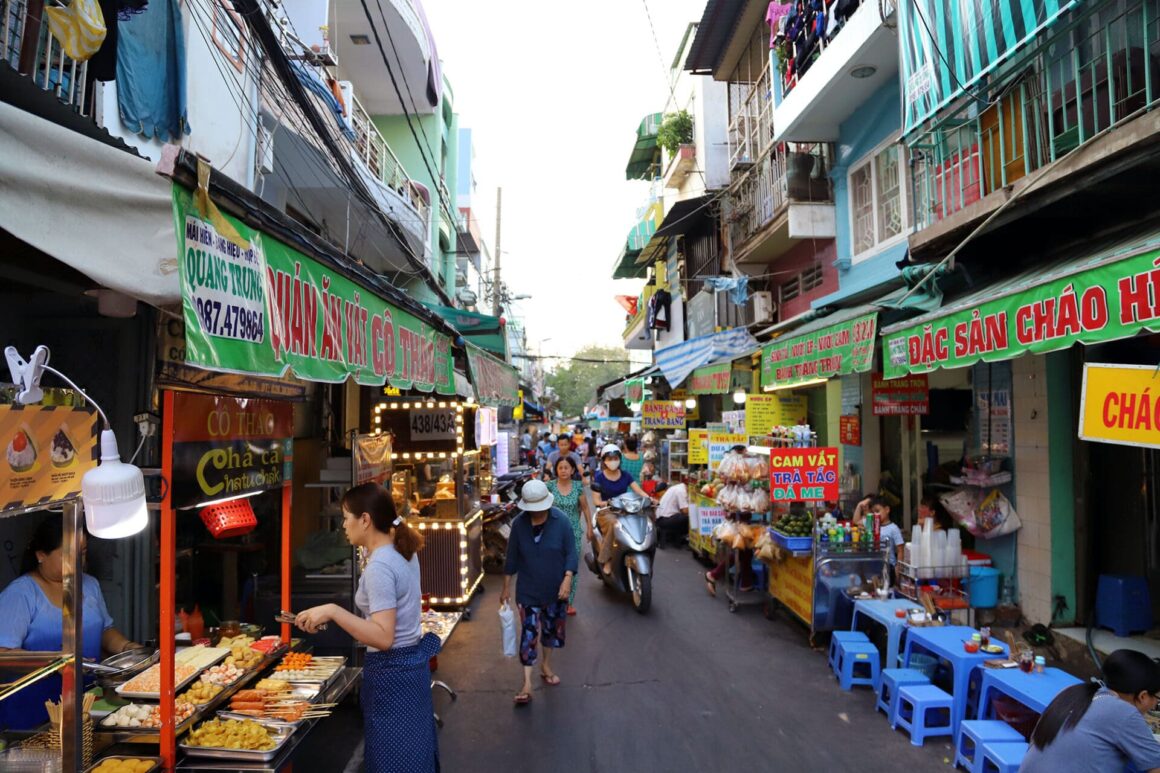
Visiting Vietnamese markets goes beyond sampling food; it’s about recognizing the cultural significance of food in daily life. Markets often feature regional ceremonies, artisan crafts, and seasonal festivals that provide additional layers of understanding to your culinary tourism Vietnam journey.
Travellers can witness traditional celebrations like the Tết (Lunar New Year) festivities, where markets fill with seasonal ingredients and festive treats. Engaging with local artists and craftsmen further enriches the experience, showcasing how food traditions intersect with art and community.
Sustainable practices in local markets
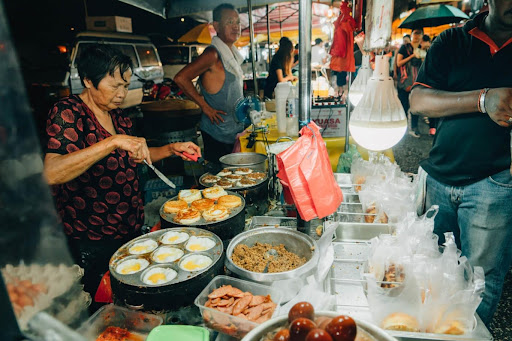
Many local markets in Vietnam are increasingly focusing on sustainability. The rise of eco-conscious eating among consumers has led to efforts to reduce plastic waste and support environmentally friendly practices, a trending topic in culinary tourism Vietnam.
Some markets are adopting initiatives to promote organic farming and sustainable sourcing of ingredients, ensuring that the food served is both fresh and environmentally responsible. By purchasing local produce, travellers contribute to the local economy and help promote practices that preserve the ecosystem, ensuring a bright future for culinary tourism.
If choosing what and where to eat feels a bit overwhelming, you might find this Ho Chi Minh City street food tour a more straightforward way to explore: Ho Chi Minh City Street Food Walking Tour.
Conclusion
In summary, the rise of culinary tourism Vietnam has made exploring local markets an essential part of any traveler's itinerary. These vibrant spaces are where the heart of Vietnamese culture lies, providing an immersive experience that fuels the senses and fosters authentic connections. For anyone eager to explore the country beyond its iconic dishes, the local markets present a valuable opportunity to discover the stories, people, and flavours that make Vietnam culinary tourism a true global gem.
Ready to taste the real Vietnam? Join our vibrant community in the ExoTrails Community Group and be sure to like the Facebook Page for the latest hidden gems, trail updates, and daily inspiration!
FAQs
What is the best city to experience Vietnamese culinary tourism?
While Hanoi is famous for its historic street food, Hoi An and Ho Chi Minh City offer incredibly diverse regional flavors that are essential for any food lover.
Is it safe to eat at local markets during my culinary tourism Vietnam trip?
Yes, it is generally safe if you choose busy stalls with high turnover and observe basic hygiene practices like eating cooked food.
What are the must-try dishes for someone interested in culinary tourism Vietnam?
You should not miss authentic Phở, Bánh Mì, and regional specialties like Bún Chả in the north or Cơm Tấm in the south.
Do I need a guide to explore markets for Vietnamese culinary tourism?
While you can explore alone, a local guide can help you navigate the language barrier and explain the unique medicinal or culinary uses of various herbs.
When is the best time of day to visit a market for culinary tourism Vietnam?
Early morning is the best time, as this is when the produce is freshest and you can witness the authentic local trading culture at its peak.


