

Table of Contents Show
Fish sauce in desserts, primarily known for its savory applications in Southeast Asian cuisines, may seem an unlikely candidate for sweet treats. However, this fermented condiment can add depth, complexity, and unexpected flavor contrasts to sweet dishes. Let’s explore how using fish sauce can revolutionize your baking, showcasing its versatility and the science behind flavor balance.
Read more interesting posts here:
- Hanoi Street Food Bun Cha: Explore Must-Know Secrets of Hanoi’s Legendary Noodle Dish
- Vietnam Local Food Trails: Explore the Incredible Culinary Adventures Beyond the City
- Exploring the Diversity of Vietnam Climate Zones: From Tropical Palms to Misty Peaks
The flavor alchemy of fish sauce in desserts
At first glance, the notion of integrating fish sauce in desserts might raise eyebrows. However, this ingredient is rich in umami, one of the primary taste sensations, which enhances flavors and creates a fuller profile in dishes. When combined thoughtfully, fish sauce in desserts can amplify sweetness while introducing a savory balance that tantalizes the taste buds.
Understanding umami in sweets
Umami enhances the perception of sweetness and contributes to overall flavor balance, making it a potent ally in dessert-making. A touch of fish sauce can elevate the taste experience of a sweet dish, adding depth that traditional ingredients might lack. Think of it as an ingredient that brings out the best in others, similar to how a pinch of salt can enhance sweetness in chocolate.
Innovative uses of fish sauce in desserts
1. Chocolate and Fish Sauce
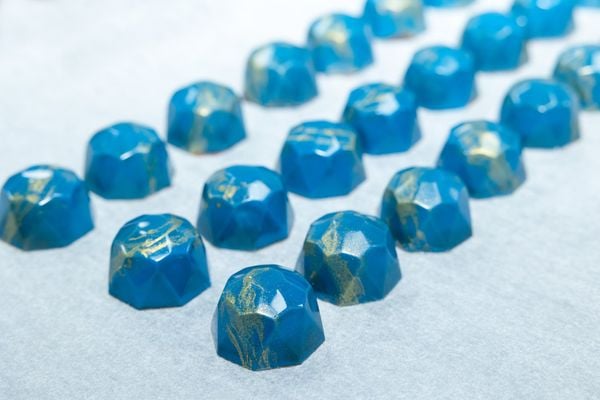
One of the most intriguing applications of fish sauce in desserts is in chocolate. Adding a small amount of fish sauce to chocolate truffles, brownies, or fudge can intensify the chocolate flavor. The combination creates a complex, savory-sweet pairing that invites curiosity and delight.
Recipe Idea: Chocolate Fish Sauce Truffles
- Ingredients: Dark chocolate, heavy cream, butter, fish sauce, sea salt, and cocoa powder.
- Instructions: Melt chocolate with cream and butter. Stir in a few drops of fish sauce and a pinch of sea salt. Chill, scoop, and roll in cocoa powder for a surprising treat.
2. Caramel with a Twist
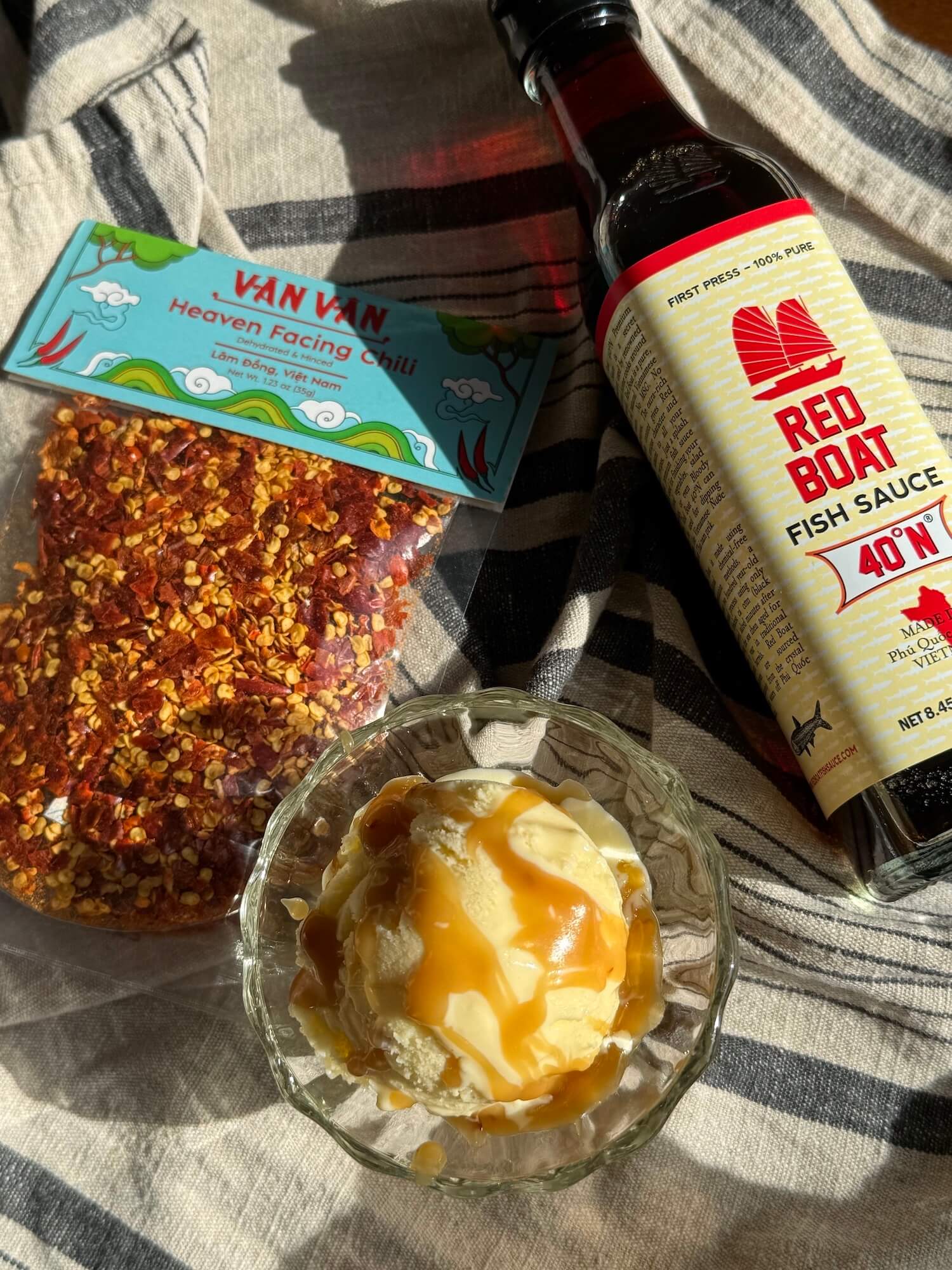
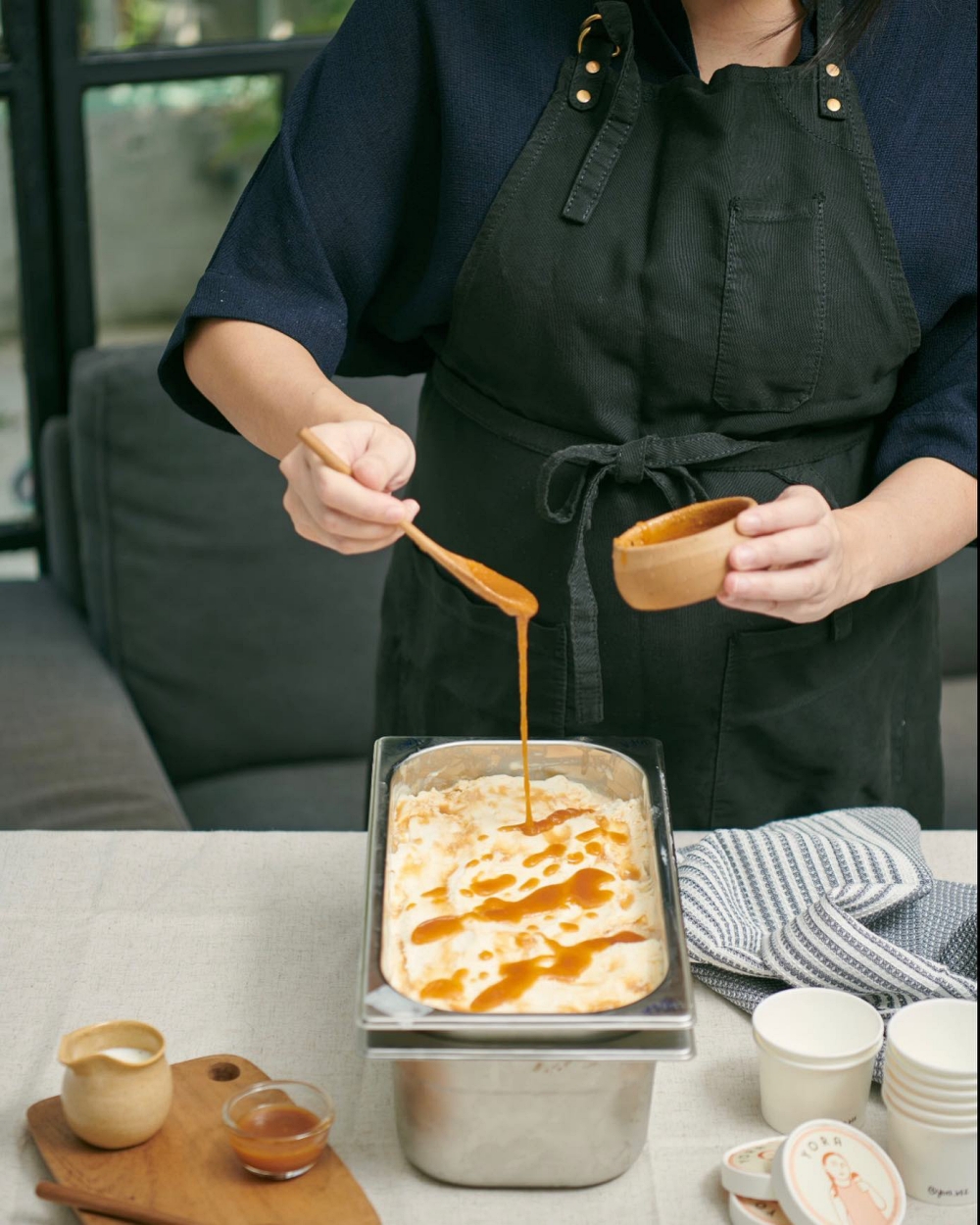
Fish sauce can also be incorporated into caramel sauce. The oceanic notes add a depth that counteracts the sweetness, creating a luscious drizzling sauce perfect for ice cream or panna cotta.
Recipe Idea: Fish Sauce Caramel Sauce
- Ingredients: Sugar, butter, cream, and fish sauce.
- Instructions: Melt sugar until it turns amber, then add butter and cream off the heat. Stir in fish sauce for a sweet-savory sauce that delights.
3. Fruit salads and salsas elevated by fish sauce in desserts
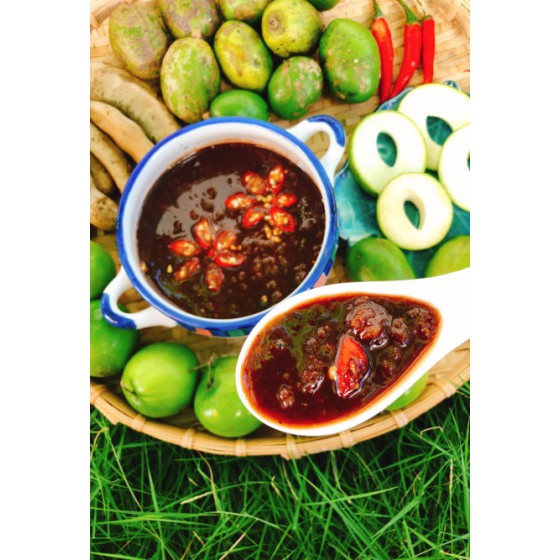
Pairing fish sauce in desserts with fresh fruits can lead to refreshing treats. For instance, use it in tropical fruit salads or salsas, think mango, pineapple, or watermelon, combined with lime juice and mint for a unique flavor that brightens any dessert table.
Recipe Idea: Tropical Fruit Salad with Fish Sauce
- Ingredients: Mango, pineapple, watermelon, lime juice, mint, and fish sauce.
- Instructions: Toss cubed fruits with lime juice and a drizzle of fish sauce. Garnish with fresh mint for a vibrant, refreshing dessert.
4. Unique frozen treats
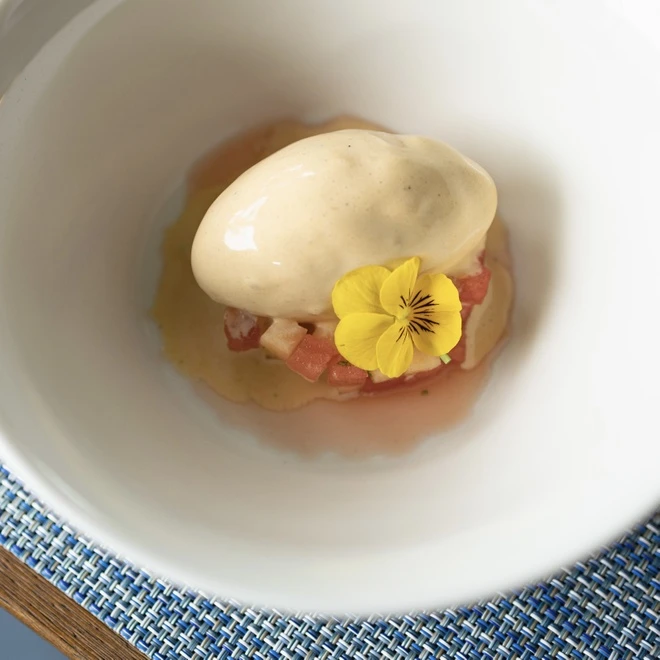
Fish sauce in desserts can be a surprising ingredient in frozen treats like sorbets or popsicles. Combining it with ingredients like coconut, pineapple, or even lime can create a refreshing and savory-sweet frozen treat that’s perfect for the warm weather.
Recipe Idea: Coconut Fish Sauce Sorbet
- Ingredients: Coconut milk, sugar, fish sauce, lime juice.
- Instructions: Blend all ingredients and freeze in an ice cream maker for a creamy, tangy sorbet.
The cultural context of fish sauce in desserts
In many ways, using fish sauce in desserts aligns with culinary practices in various cultures that embrace sweet-savory contrasts. For instance, Southeast Asian cuisines often blend sweet and salty elements—think of tropical fruits topped with salt or savory glazes on sweet dishes. This practice reminds us that the culinary world is rich with possibilities, encouraging chefs to think outside the box.
Conclusion
Embracing the bold, unexpected flavors of fish sauce in desserts is a brilliant way to elevate your home baking to professional heights. By carefully balancing sweet caramel, rich chocolate, or fresh tropical fruit with the deep umami notes of this savory condiment, you create an incredibly sophisticated flavor profile. Do not be afraid to experiment in the kitchen, trust your palate, and discover the sweet magic of this Southeast Asian staple.
Ready to share your daring dessert creations and connect with fellow culinary explorers? Follow our Facebook Page and join our ExoTrails Community Group to connect with fellow explorers and stay updated on the latest trails!
FAQs
Does using fish sauce in desserts make them taste like seafood?
No, when used in very small quantities, the strong fishy flavor completely cooks off or blends into the background. Instead, it acts exactly like sea salt or soy sauce, amplifying the rich sweetness and adding deep umami complexity.
What is the best type of fish sauce to use for baking?
You should always opt for a high-quality, premium brand (often labeled “extra virgin” or “first press”) because it has a smoother, less pungent flavor profile. Cheaper brands often contain harsh artificial additives that can easily ruin the delicate balance of your sweet treats.
Can I substitute soy sauce if I don’t have fish sauce?
While soy sauce does provide a similar salty, umami kick to sweet dishes, it lacks the specific funky depth and complexity of fish sauce. However, it is a perfectly acceptable vegetarian alternative for caramel or chocolate recipes in a pinch.
Klook.com