


From misty northern peaks to sunlit coasts, every season in Vietnam tells its own adventure story. Vietnam is a land that never stands still. Its mountains breathe fog, its rivers swell and fade, its forests shift from emerald green to golden hues, and every season brings a different kind of magic for explorers. Whether you’re a hiker chasing the clouds in Sapa or a camper drawn to the quiet lagoons of Phu Yen, timing your journey using a comprehensive Vietnam travel seasons guide can transform a good trip into an unforgettable one. Here’s a journey through Vietnam’s "Seasons of the Wild"—where every month holds a new reason to wander.
Read more interesting posts here:
- Nature’s Rhythm: A Guide to the Best Places to Kayak in Vietnam
- Self-Discovery Travel Vietnam: Discover Powerful Contrasts That Lead to Inner Balance
- Beyond GPS: Why Offline Maps for Trekking Vietnam are the Key to Hidden Gems
Discover spring renewal with this Vietnam travel seasons guide
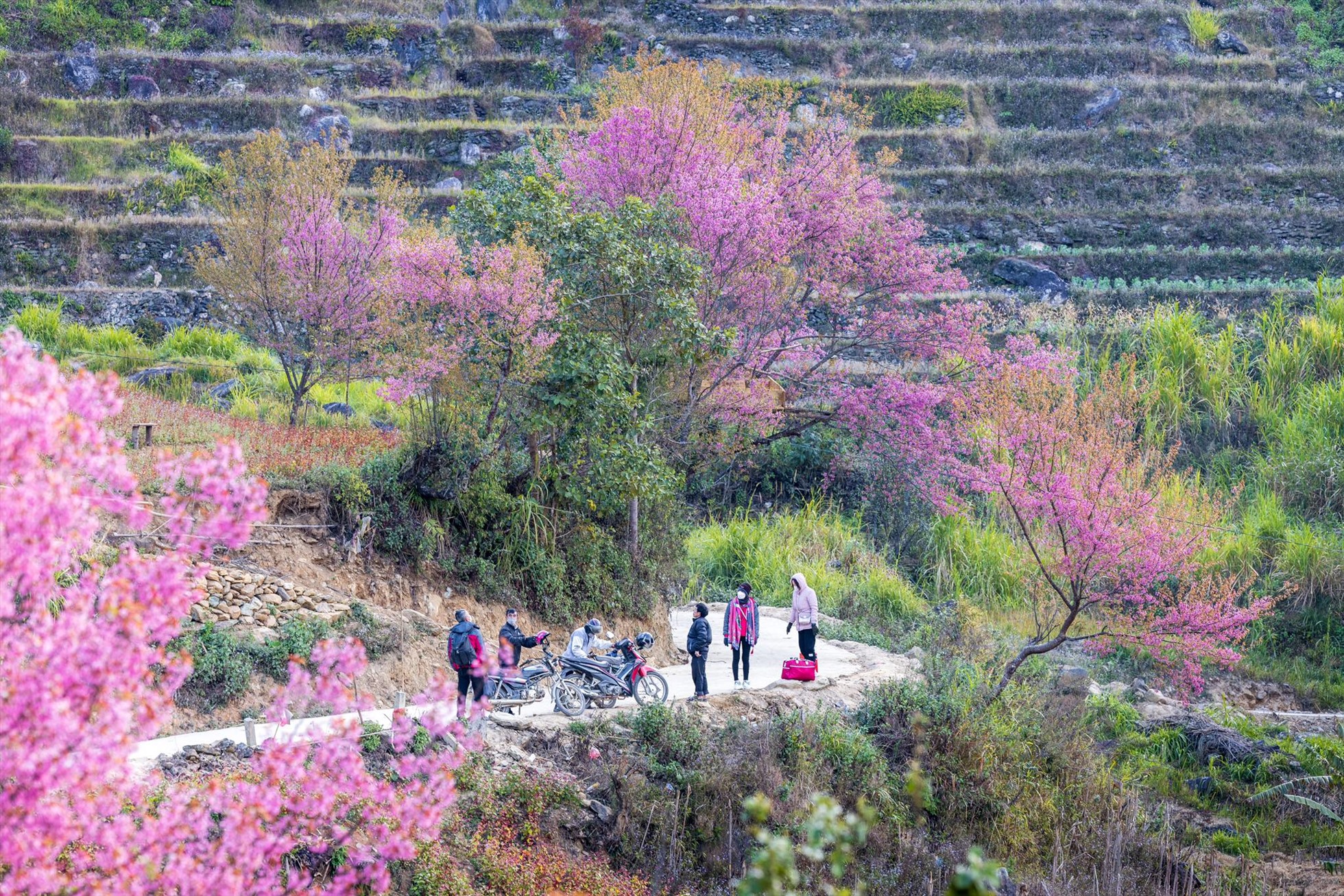
Spring in Vietnam is a celebration of life, crisp mornings, blooming valleys, and the scent of wet earth. In the north, the fog begins to lift, revealing terraced fields in Sapa and Mu Cang Chai just waking from winter’s chill.
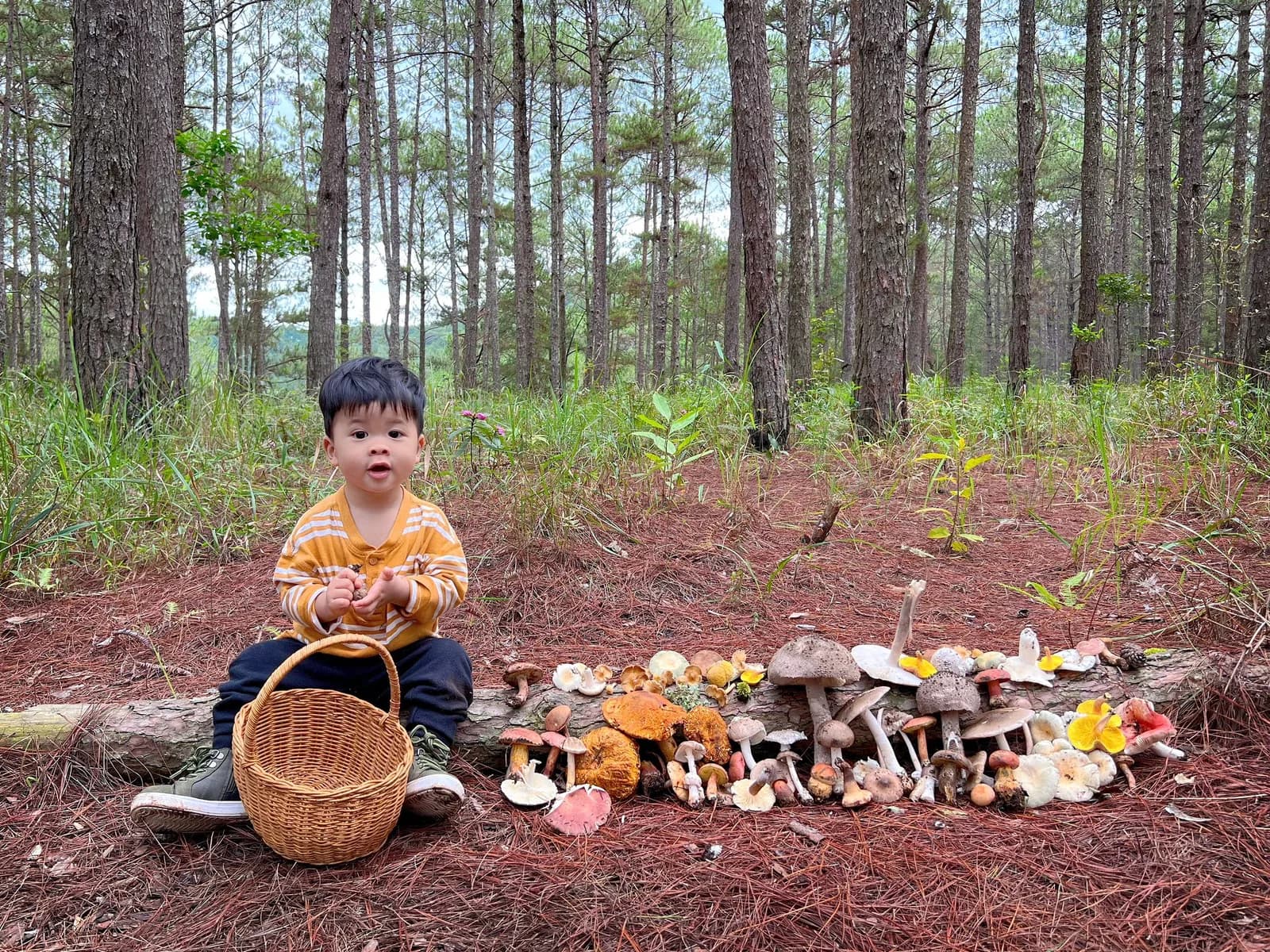
This is an essential period for any Vietnam travel seasons guide focused on northern mountain treks, as the weather is mild, the trails are clear, and the air carries a hint of jasmine and woodsmoke. For those who prefer lush forests and gentle rivers, Cat Tien National Park in the south bursts with wildlife — gibbons calling at dawn and butterflies dancing over trails. In central Vietnam, Da Lat’s pine forests glow gold beneath early sunshine, perfect for soft treks and sunrise photography. Spring teaches one of Vietnam’s first lessons to travelers: nature renews quietly, and patience rewards the observant.
Summer (May – August): The Call of the Coast
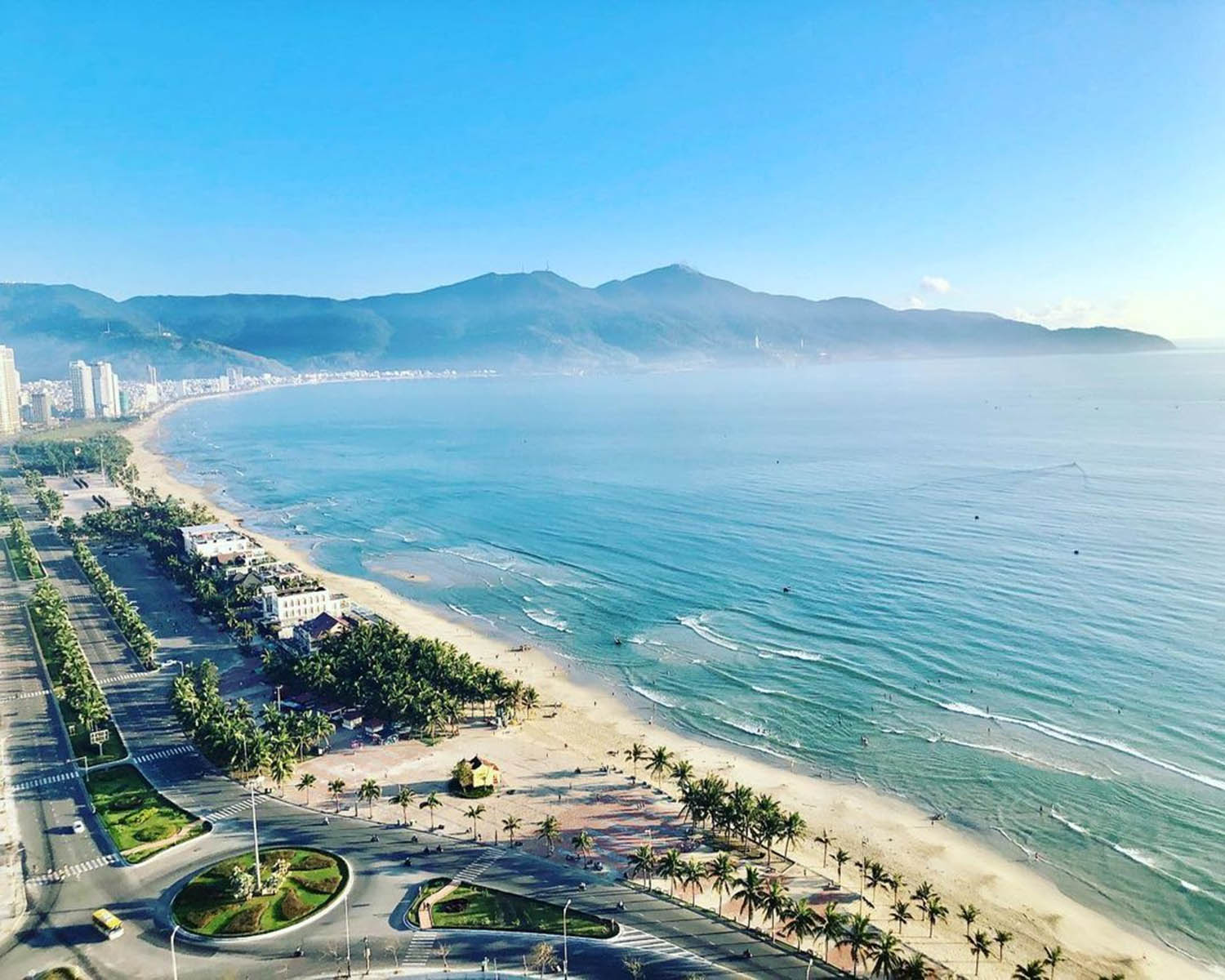
Summer in Vietnam is bold and bright, a time for coastal adventures and water-filled escapes. The central coastline from Da Nang to Quy Nhon becomes a playground for hikers and campers. Offshore islands like Ly Son and Cham Island invite exploration, while trails along the cliffs of Ninh Thuan and Phu Yen reveal hidden coves perfect for camping.
However, any reliable Vietnam travel seasons guide must note that this is also the wet season in the north. Expect afternoon rains in Sapa, Ha Giang, and Pu Luong, but don’t let that deter you. The mountains turn an even deeper green, and waterfalls roar back to life. Locals call this the time for “chasing the mist”, when clouds roll low over valleys, and every sunrise feels earned. Bring good boots, a waterproof layer, and an open mind; Vietnam’s wild heart thrives in the rain.
Why autumn is the golden highlight of any Vietnam travel seasons guide
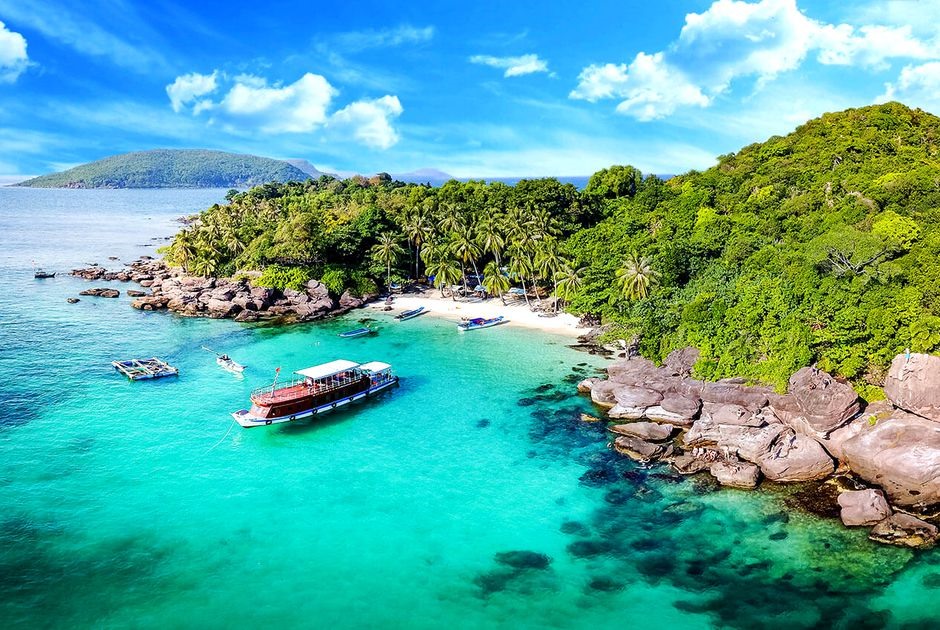
If Vietnam has a most beloved season, it’s autumn (September – November). The heat softens, the skies turn cobalt blue, and rice terraces glow gold as harvest begins. Northern Vietnam, especially Mu Cang Chai, Hoang Su Phi, and Ha Giang, transforms into a landscape photographer’s dream.
Cool mornings and clear trails make it perfect for long treks. In the central highlands, the forests of Bidoup and Chu Yang Sin National Parks offer crisp air and stunning views. Down south, Con Dao and Phu Quoc offer calm seas and fewer crowds, ideal for diving or coastal camping. Autumn is the season that captures Vietnam’s soul, vibrant, generous, and alive with color, making it a top recommendation in every Vietnam travel seasons guide.
Winter (December – January): Quiet trails and cold peaks
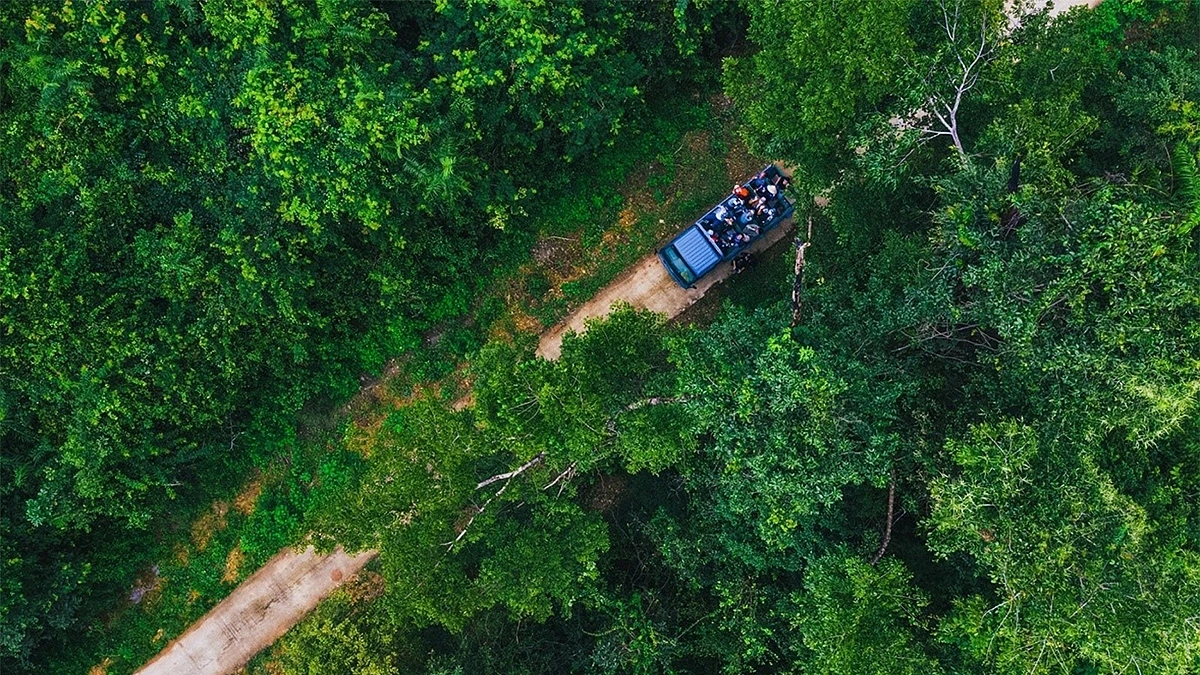
Winter brings contrast. The north turns cold, misty, and still, the kind of beauty you feel in your bones. This is the time for Fansipan, Vietnam’s “Roof of Indochina,” where frost sometimes dusts the summit.
Meanwhile, a Vietnam travel seasons guide for this period will highlight the south's dry season, perfect for trekking through Cat Tien, Nam Cat Tien, or Mui Ne’s red dunes under gentle sunshine. The Mekong Delta opens its floating markets and river routes in full color — a peaceful retreat from the northern chill. Winter in Vietnam reminds travelers that stillness can be its own adventure.
Conclusion
Ultimately, Vietnam is a destination that defies simple travel charts; it is a wild, unpredictable, and breathtaking land in every mood. The secret to an amazing trip isn’t finding a "perfect" time to visit, but rather understanding which kind of beauty you wish to meet be it the golden rice fields of autumn or the misty peaks of winter. We hope this Vietnam travel seasons guide helps you choose the rhythm that best fits your soul. Because in this country, every season has its story, and if you walk softly enough, Vietnam will let you be part of it.
Want to share your seasonal adventures and get more tips? Join our vibrant community on Facebook to share your trekking stories and tips, and don't forget to like the ExoTrails fanpage for the latest updates and exclusive offers!
FAQs
What is the best month to visit both the North and South of Vietnam?
March and April are generally the best months to visit both regions as the weather is mild in the north and the south is still in its dry season.
When is the best time to see the golden rice terraces in Northern Vietnam?
According to most experts, late September to early October is the peak harvest season when the terraces turn a brilliant golden yellow.
Is it safe to trek during the rainy season in Vietnam?
Trekking is possible in the rain, but you must wear proper gear and use a Vietnam travel seasons guide or local guide to avoid slippery or flood-prone areas.
Does it ever snow in Vietnam during the winter?
Snow is very rare, but in high-altitude northern areas like Sapa and Fansipan, frost and light snowfall can occur during particularly cold winters in January.


)

