
Table of Contents Show
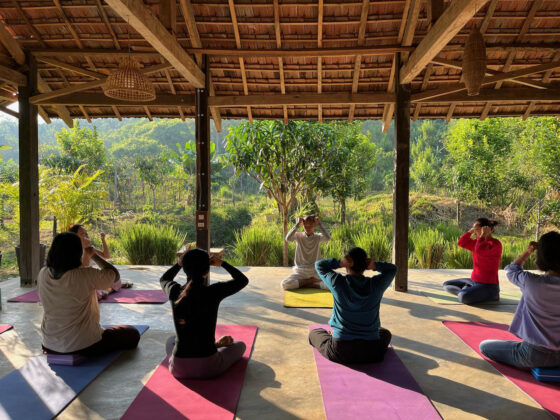
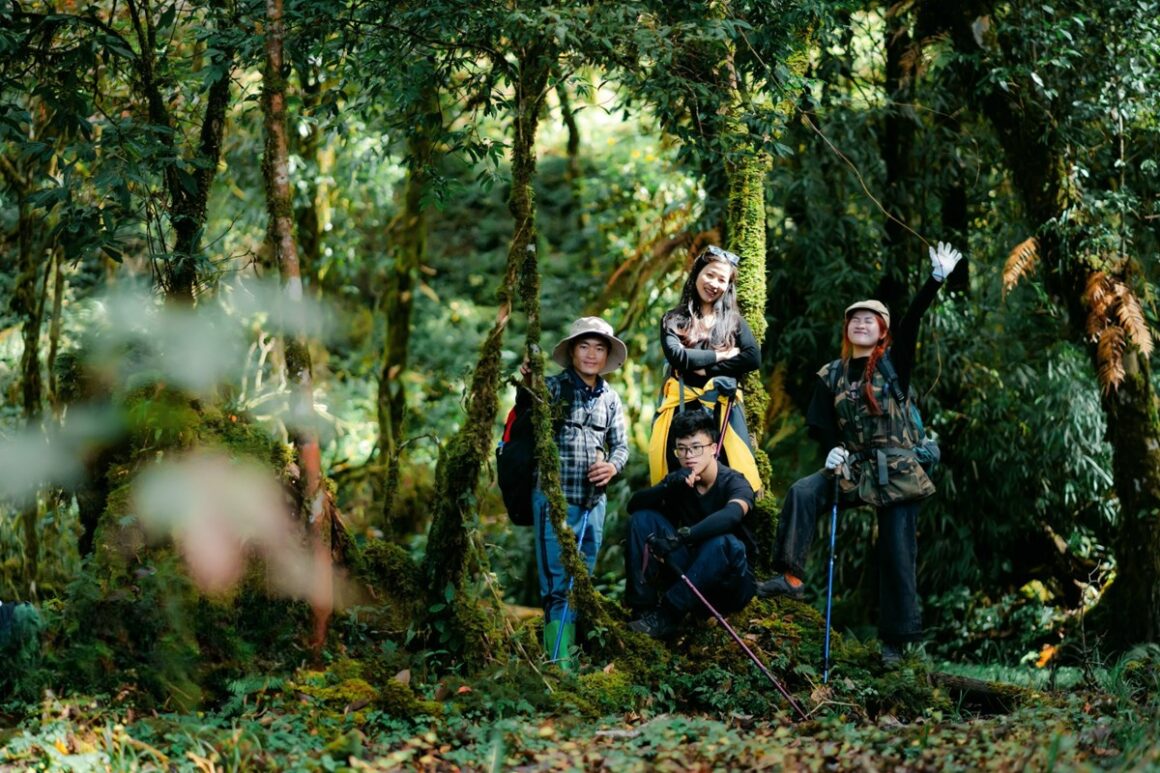
There’s a quiet revolution happening in Vietnam’s cities — and it doesn’t start in offices or boardrooms. It begins at dawn, when young people pack their backpacks, lace up their boots, and head for the nearest mountain, river, or forest. They call it a lifestyle. Some call it a return. But at its heart, it’s a movement — a defining moment for Youth culture Vietnam rediscovering the country through its trails.
Read more interesting posts here:
- Inside BaseCamp: Vietnam’s Premier Social Platform for Hikers
- Trail Stories: How the Vietnam Hiking Community Is Redefining Adventure
- Tradition on the Trail: The Classic Vietnam Hiking Gear Hikers Still Swear By
A shift in how Youth culture Vietnam approaches travel

For years, travel in Vietnam meant beaches, resorts, and sightseeing tours. But a new demographic — younger, tech-savvy, and eco-conscious — is rewriting that narrative. This shift in Youth culture Vietnam means trading five-star hotels for homestays, nightclubs for campfires, and convenience for connection.
On weekends, groups from Hanoi and Ho Chi Minh City load their motorbikes with tents and head for Ba Vi, Ta Dung, or Lang Biang. In the North, students from Thai Nguyen or Ha Giang trek through rice terraces to learn photography and mindfulness. It’s not just tourism — it’s self-discovery through nature.
The pandemic years taught many Vietnamese to slow down, to look inward, and to value the environment around them. That awakening didn’t fade when borders reopened; it grew roots. Now, every campfire story, every shared photo of misty peaks, every new trail discovered adds to a larger cultural shift — one where outdoor life becomes a central pillar of Youth culture Vietnam and a statement of identity and belonging.
The communities driving the new Youth culture Vietnam
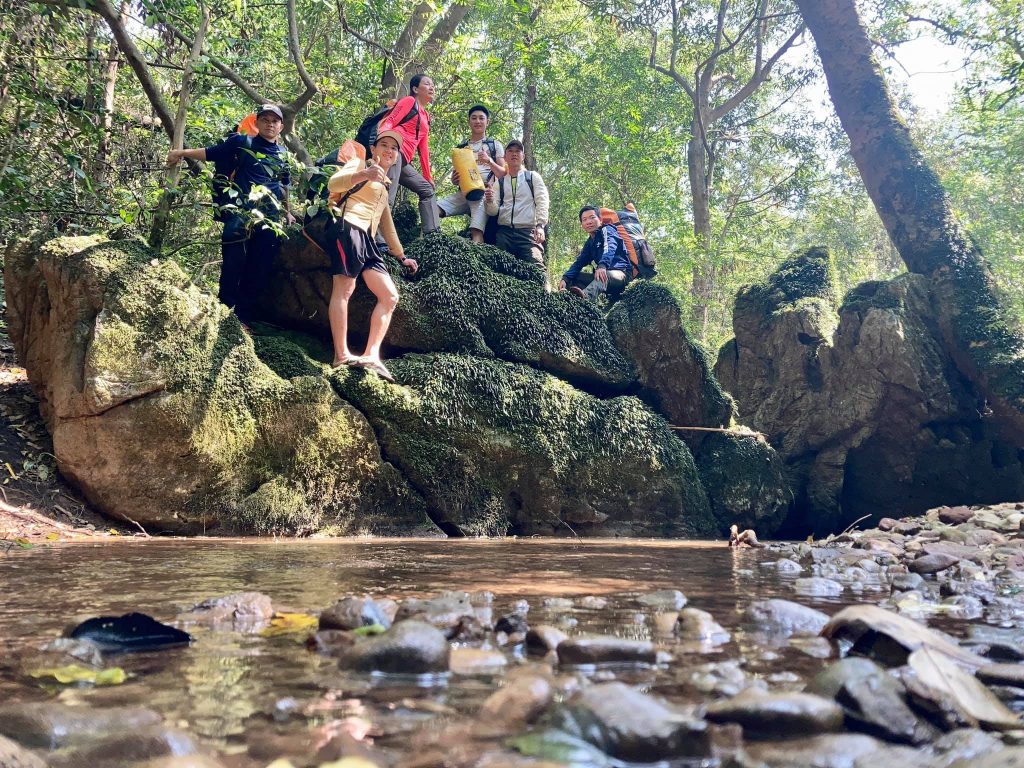
What makes this movement unique is its community-first spirit. Online hubs like ExoTrails’ BaseCamp are connecting hikers, cyclists, and campers across Vietnam — not through algorithms, but shared purpose.
It’s where guides post new routes, families share their weekend adventures, and young travellers find mentors who teach them how to trek safely and sustainably. It’s where beginners learn to respect the land — not just explore it. What’s emerging is a network of people who see the outdoors not as a weekend escape, but as a lifestyle that values simplicity, mindfulness, and care for the environment.
For some, that lifestyle becomes a career. Local guides in Ha Giang or Dak Lak, once working only with tour groups, now lead small, curated treks for independent travellers they meet online. Youth collectives in Da Lat organize cleanup hikes and night runs. These initiatives show that adventure can coexist with stewardship — and even drive local economies, reflecting the responsible nature of Youth culture Vietnam.
How technology meets trail life in Youth culture Vietnam
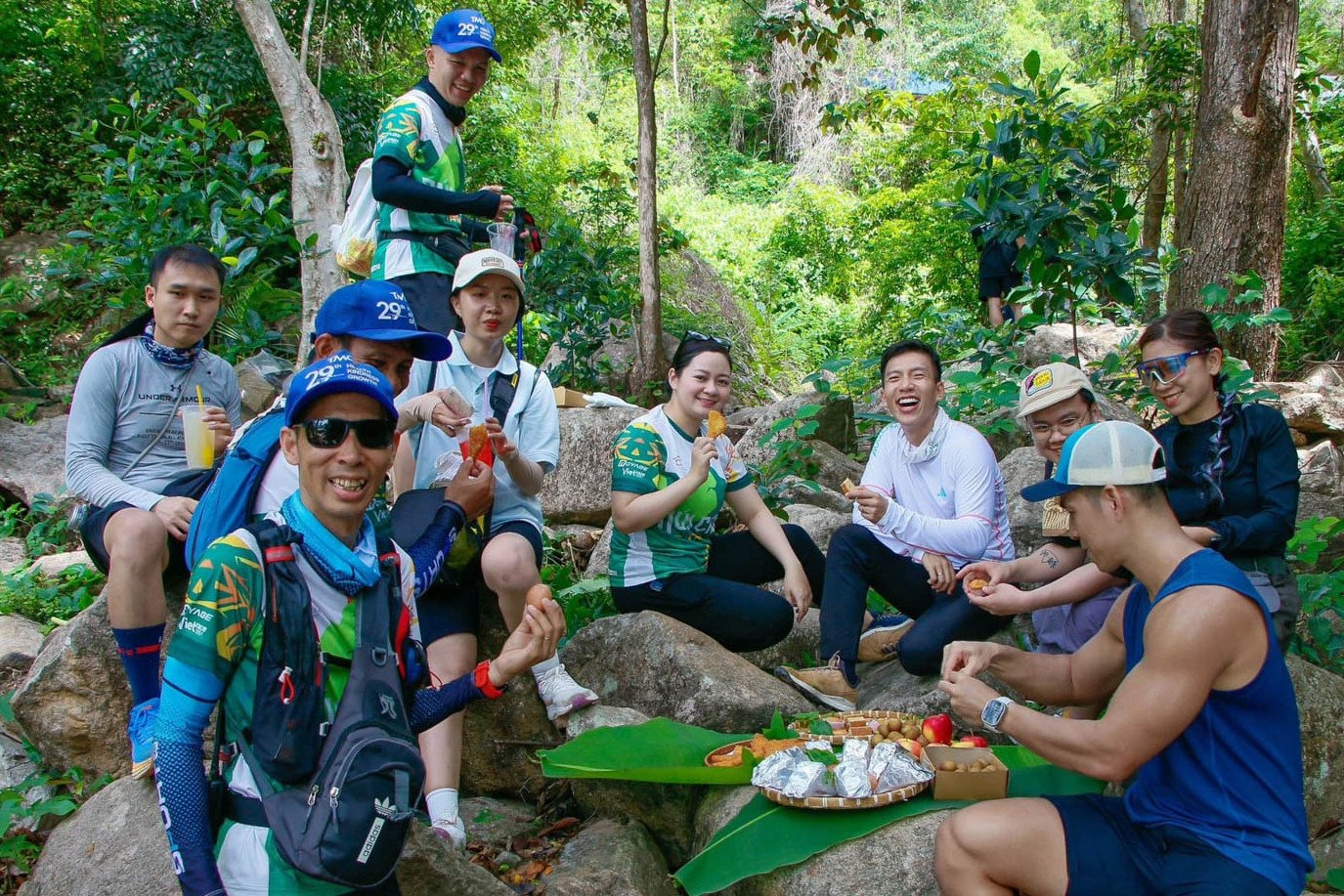
Technology, often seen as a barrier to real connection, has become an unlikely bridge. Through platforms like ExoTrails, users can discover verified trails, earn ExoSeed rewards, and share authentic experiences — from hidden waterfalls to the best local tea stops.
With Ask Tony AI on the horizon, the experience will become even more intuitive, suggesting personalized outdoor escapes or eco-stays based on each user’s style. It’s a modern way to nurture ancient instincts — to move, explore, and belong. This integration of digital tools with physical exploration is a hallmark of modern Youth culture Vietnam.
A future written on the trail for Youth culture Vietnam
What Vietnam’s outdoor generation is building isn’t a fleeting trend; it’s a cultural reawakening. They’re showing the world that adventure here isn’t about conquest — it’s about connection. The beauty of this movement is how accessible it is. You don’t need to summit Fansipan to feel its pull; you can start with a morning hike at Ba Vi, a bike ride in Hoi An, or a camping night by Tri An Lake. The spirit is the same — curiosity, respect, and joy.
Vietnam’s young adventurers are charting more than trails; they’re mapping a new way of life. And with communities like ExoTrails leading the way, they’re proving that Youth culture Vietnam understands that loving the outdoors isn’t just about where you go — it’s about how you grow along the way.
Conclusion
In summary, the transformation we are witnessing is profound. Youth culture Vietnam is moving away from passive consumption and towards active engagement with the natural world. This generation is fostering a deep respect for the environment and building communities grounded in shared experiences and sustainability. By embracing the outdoors, they are not only preserving Vietnam’s landscapes but also redefining what it means to be young, adventurous, and connected in the modern age.
Join our vibrant community on Facebook to share your trekking stories and tips, and don’t forget to like the ExoTrails fanpage for the latest updates and exclusive offers!
Frequently Asked Questions (FAQs)
1. What are the main characteristics of the new Youth culture Vietnam regarding travel?
The current Youth culture Vietnam prioritizes eco-friendly travel, authentic experiences like camping and trekking, and a strong sense of community over traditional luxury tourism.
2. Which destinations are popular within Youth culture Vietnam for outdoor activities?
Popular spots include Ba Vi National Park, Da Lat for camping, Ta Dung Lake, and the mountainous regions of Ha Giang for trekking and photography.
3. How does technology influence Youth culture Vietnam in the outdoors?
Technology acts as a bridge; apps like ExoTrails help young explorers find safe routes, share experiences on social platforms like BaseCamp, and organize community clean-up events.
Klook.com