
Table of Contents Show
For the La Chí, New Year is not fireworks — it’s a conversation with their ancestors. Their Khu Cù Tê festival exemplifies the deep spiritual and cultural significance of this time, encompassing ancestral rituals, offerings, dances, and communal gatherings that few outsiders have the opportunity to witness. This vibrant celebration is a rich tapestry of traditions, showcasing the enduring La Chi people culture as they honor their heritage and reconnect with their roots.
Read more interesting posts here:
- Beyond the Postcard: Unforgettable Local Experiences Vietnam
- Trail Stories: How the Vietnam Hiking Community Is Redefining Adventure
- Tradition on the Trail: The Classic Vietnam Hiking Gear Hikers Still Swear By
A spiritual gathering that defines La Chi people culture
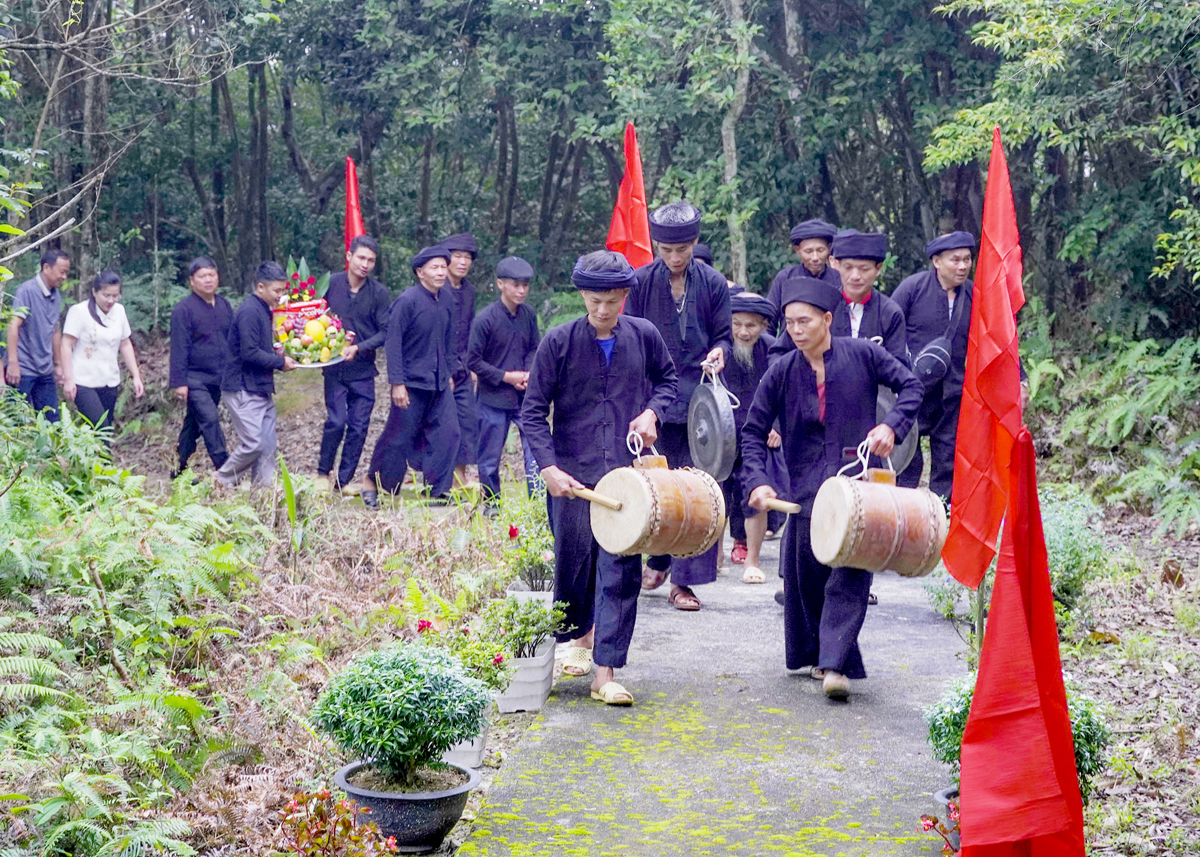
The Khu Cù Tê festival marks the arrival of the New Year, occurring in late January or early February, closely aligned with the lunar calendar. For the La Chí people, it is a moment of reflection and gratitude, where families come together to honor their ancestors and seek blessings for the upcoming year. The spiritual aspects of the celebration are woven into every activity, from ancestral offerings to traditional rites that reinforce the connection between the living and the spirits of their forebears, a hallmark of La Chi people culture.
Ancestral offerings and rituals in La Chi people culture

Central to the Khu Cù Tê festival are the elaborate offerings made to the ancestors. Families prepare traditional dishes, including rice, meat, and local delicacies, which are beautifully arranged on altars adorned with flowers and incense. Each offering is imbued with meaning, symbolizing respect and devotion within the La Chi people culture.
During the festival, rituals are performed to invite ancestral spirits to partake in the celebrations. Elders play a crucial role, leading prayers and incantations that reflect the community’s aspirations and hopes for the year ahead. These moments foster a sense of unity and reverence for their lineage.
Traditional dances and cultural expressions of La Chi people culture
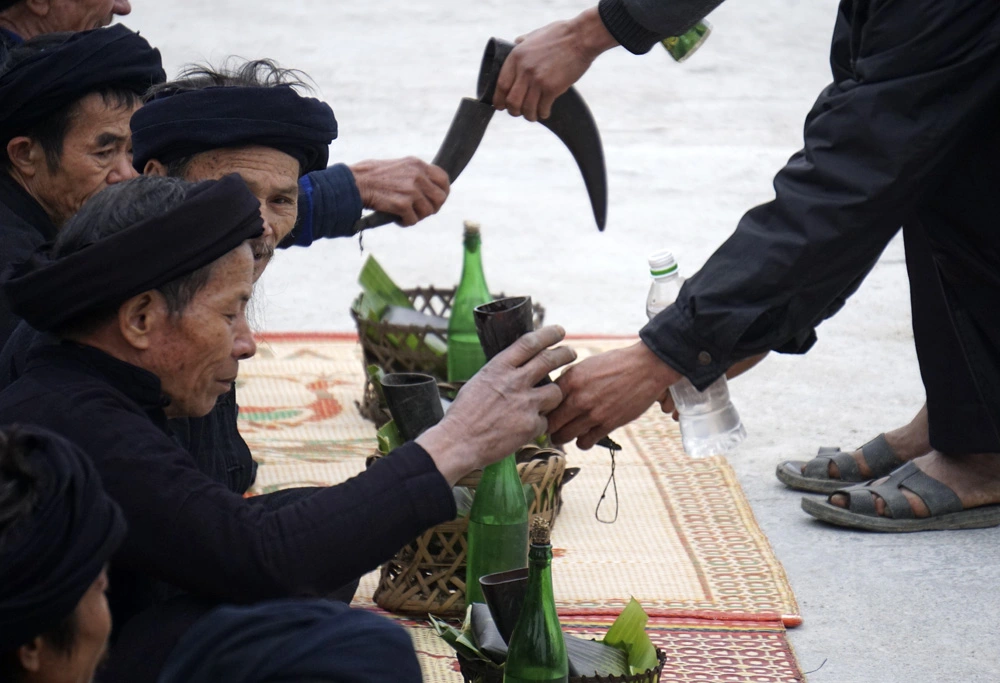
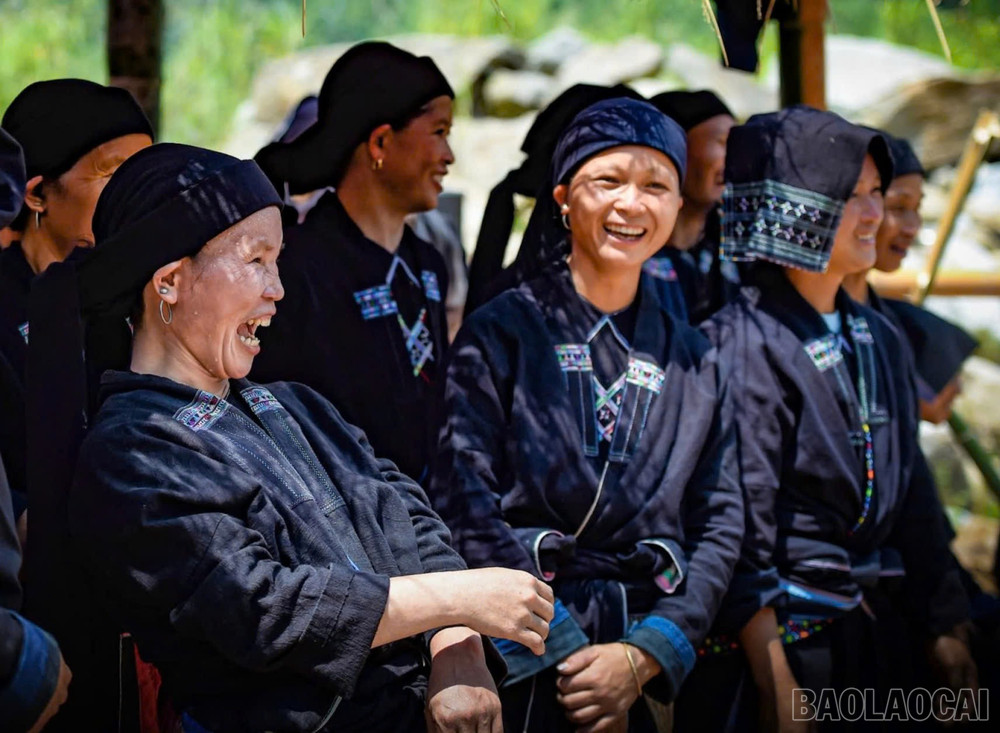
The vibrant dances and music that accompany the Khu Cù Tê festival showcase the artistic talents of the La Chí people. Colorful traditional attire, often adorned with intricate patterns and motifs, brings life to the festivities. Participants engage in lively performances, sharing stories of their culture and history through movement and song, which is vital to La Chi people culture.
The dances often represent ancient folklore and communal values, inviting everyone to join in, whether they are young children or the elderly. This spirit of inclusivity strengthens community bonds and allows for the transmission of cultural heritage to future generations.
A glimpse into other tribes near the La Chi people culture
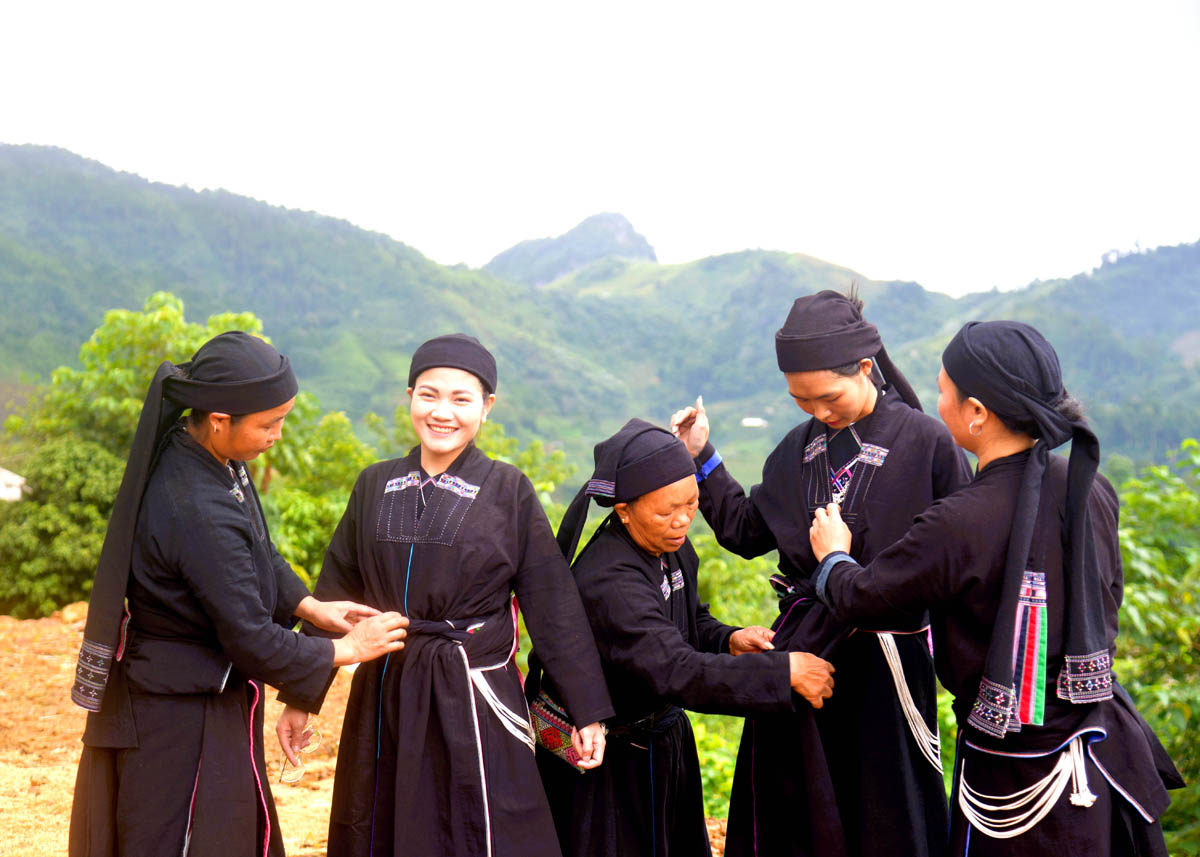
In addition to the La Chí, nearby tribes such as the Hmong and Tay also celebrate their own unique New Year festivals, offering travelers a broader perspective on the region’s rich cultural fabric.
Hmong New Year: A Vibrant Celebration
The Hmong New Year, known as “Hmong Xyoo Tuaj”, typically takes place in November or December. Celebrated with colorful clothing, music, traditional games, and dance, this festival features rituals that pay homage to ancestors and celebrate the unity of the Hmong community. The gathering highlights the importance of family lineage and fosters connections among community members.
Tay New Year: Honoring the Harvest
The Tay people celebrate their New Year at the end of the lunar calendar, coinciding with the harvest festival. Their celebrations include rituals that express gratitude for the crops and the earth. The festival features traditional music and dance, where the community gathers to share food and stories, celebrating both the harvest and the relationships that strengthen their bonds.
Conclusion
The Khu Cù Tê festival of the La Chí is a beautiful testament to the spirit of community, ancestry, and cultural richness, reflecting the depth and resilience of La Chi people culture. By participating in this celebration, travelers gain invaluable insights into the values of the La Chí people, who view New Year not as a mere festivity, but as an essential connection to their heritage. Exploring the New Year traditions of not only the La Chí but also the Hmong and Tay tribes reveals a vibrant tapestry of customs that reflect the region’s diverse cultures. This multi-faceted approach to New Year celebrations emphasizes the importance of identity and kinship for these communities, inviting those who venture into their world to join in honoring the past and celebrating the future.
Join our vibrant community on Facebook to share your trekking stories and tips, and don’t forget to like the ExoTrails fanpage for the latest updates and exclusive offers!
Frequently Asked Questions (FAQs)
Q: When does the La Chi people culture celebrate the Khu Cù Tê festival?
A: The Khu Cù Tê festival typically occurs in late January or early February, aligning closely with the lunar calendar for the La Chí people.
Q: What is the main purpose of the Khu Cù Tê festival?
A: The festival’s main purpose is to honor ancestors, seek their blessings for the new year, and strengthen the bonds within the La Chí community.
Q: What are the key elements of the La Chi people culture displayed during the festival?
A: Key elements include elaborate ancestral offerings, traditional dances with colorful attire, and rituals led by elders.
Q: Where can one typically find the La Chi people culture in Vietnam?
A: The La Chí people are primarily located in the mountainous northern provinces of Vietnam, often near the border regions.
Klook.com