
Table of Contents Show
While the global coffee conversation often revolves around the delicate notes of Arabica, Vietnam built its entire coffee empire on the strength and resilience of the Robusta bean. This dark, powerful varietal is not just an agricultural success story; it is the fundamental ingredient that dictates the unique, bold flavor profile and economic backbone of Vietnamese coffee culture. This is the story of Vietnam Robusta coffee.
Read more interesting posts here:
- History of Vietnamese Coffee: From Colonial Import to National Fuel
- Exploring the Soul of the Highlands: Discovering the Best Tea Hills Vietnam
- Discovering the Authentic Vietnamese Coffee Culture in the Central Highlands
Agricultural Triumph: The Resilience of Vietnam Robusta Coffee
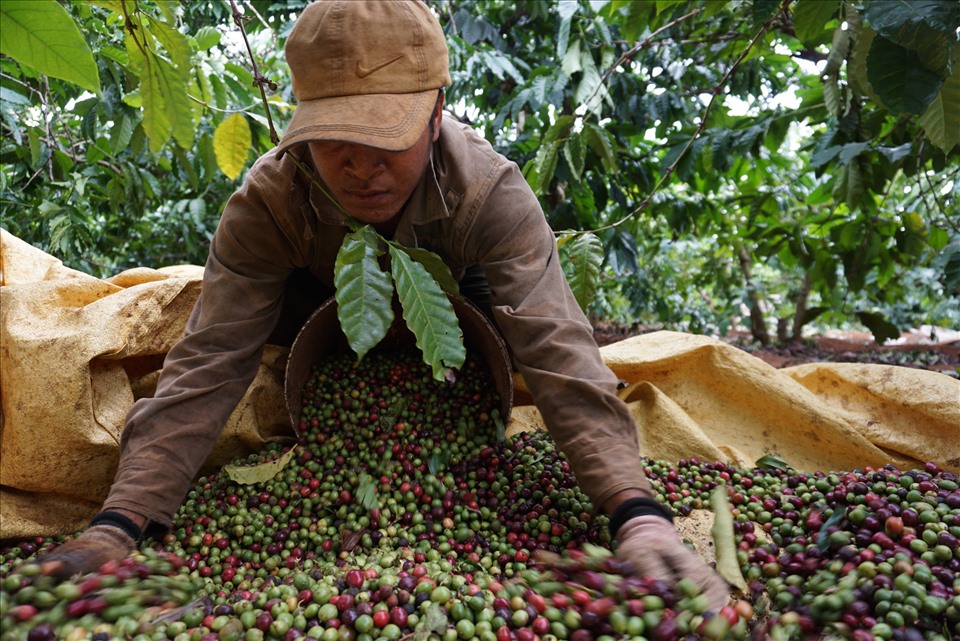
Robusta (Coffea canephora) was initially introduced to Vietnam after the French realized that the Arabica plants they first brought over struggled with the country’s high temperatures and susceptibility to pests.
- Climate Resilience: The Robusta bean proved exceptionally well-suited to the hot, humid, and monsoon-prone climate of Vietnam. More critically, it thrives in the đất đỏ bazan (basalt red soil) found across the Central Highlands, a region like Đắk Lắk and Lâm Đồng which became the epicenter of the coffee industry.
- Hardiness and Yield: Robusta is far more resistant to disease and pests than Arabica and produces a significantly higher yield per plant. This agricultural advantage made Vietnam Robusta coffee the clear choice for commercial viability in Vietnam, leading to rapid and widespread cultivation.
- The Caffeine Kick: Robusta beans contain nearly twice the caffeine (around 2.5% to 4.5%) of Arabica, giving Vietnamese coffee its legendary, intense jolt. This high-octane energy makes it the perfect fuel for the country’s dynamic, fast-paced urban life.
Flavor Profile: The Cultural Signature of Vietnam Robusta Coffee
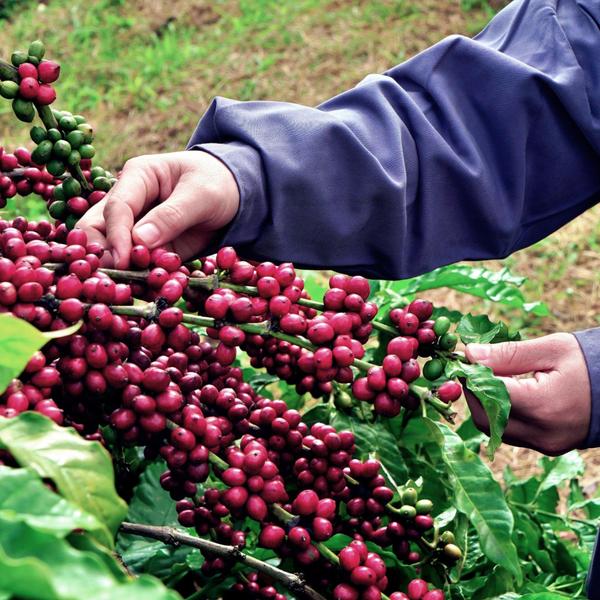
The flavor of Robusta—often described as having earthy, smoky, and bold notes—is traditionally perceived as harsher than Arabica. However, the Vietnamese culture creatively adapted to this intensity, turning a perceived weakness into a national signature.
- Sweetness is Key: The bean’s characteristic bitterness is perfectly balanced by the heavy use of sweetened condensed milk in Cà Phê Sữa Đá. This combination creates a thick, syrupy, almost chocolate-like profile, moving the flavor far away from the delicate acidity of typical Arabica brews and making it uniquely Vietnamese.
- Roasting Tradition: To further enhance its depth and complexity, Vietnam Robusta coffee is traditionally roasted slowly and darkly, often with small amounts of butter, oil, or even a touch of vanilla or cocoa added during the cooling process. This intense roasting process elevates the bean’s earthy notes and deepens its color, leading to the near-black color of a classic Vietnamese brew.
- Ubiquitous Affordability: The high-yield nature of Robusta keeps production costs low. This affordability ensures that coffee remains an accessible, democratic beverage for everyone from high-powered business executives to motorbike drivers. A street-side cup of cà phê đen (black coffee) typically costs between $0.50 and $1.00 USD.
Global Dominance: The Economic Impact of Vietnam Robusta Coffee
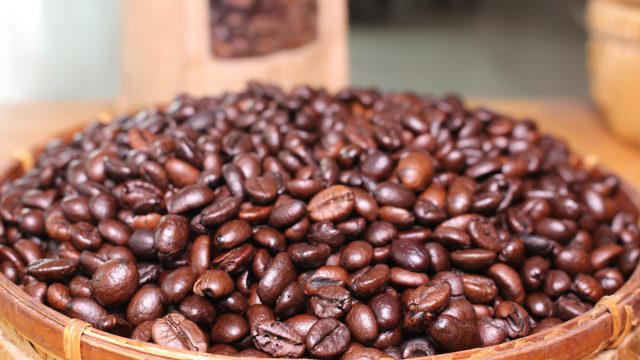
The success of the Robusta bean is inseparable from Vietnam’s post-war economic resurgence, transforming the Central Highlands into a global agricultural powerhouse.
The Đổi Mới Success Story: Following the 1986 economic reforms, the government encouraged massive replanting and expansion, leading to an agricultural explosion. Coffee quickly became the second-largest export commodity by value after rice.
Global Market Control: Within a few short decades, Vietnam completely disrupted the global coffee market, becoming the world’s second-largest overall coffee exporter and, crucially, the undisputed global leader in Robusta production. This economic dominance gave the country significant leverage in international commodity markets.
Modern Identity: Today, brands like Highlands Coffee and independent specialty shops are embracing the bean’s unique characteristics, promoting high-quality, specialty Robusta that challenges the traditional global view. They emphasize the bean’s robust structure and high caffeine content as positive differentiators, fully claiming the unique identity that the mighty Vietnam Robusta coffee has forged for the nation.
Conclusion
The journey of the Robusta bean in Vietnam is a remarkable testament to agricultural resilience, cultural adaptation, and economic ingenuity. From its initial cultivation to becoming the bedrock of the world’s second-largest coffee exporting nation, Vietnam Robusta coffee has successfully carved out its own unique, powerful identity. It is a bold, high-octane beverage that perfectly mirrors the dynamic spirit of the country that perfected it.
Join our vibrant community on Facebook to share your trekking stories and tips, and don’t forget to like the ExoTrails fanpage for the latest updates and exclusive offers!
Frequently Asked Questions (FAQs)
Q: Why does Vietnam primarily grow Robusta coffee?
A: Vietnam primarily grows Robusta because the bean is far more resistant to the country’s hot, humid climate, pests, and disease compared to the more delicate Arabica variety.
Q: What is the main difference in flavor between Vietnam Robusta coffee and Arabica?
A: Robusta has a much bolder, earthier, and smokier flavor with higher bitterness, whereas Arabica is known for having a lighter body, brighter acidity, and more complex aromatic notes.
Q: How do the Vietnamese traditionally drink their Robusta coffee?
A: The most popular way is as Cà Phê Sữa Đá, a strong, dark-roasted Robusta coffee drip-brewed into a glass with a generous amount of sweetened condensed milk, then poured over ice.
Q: Which region is the center of Vietnam Robusta coffee production?
A: The Central Highlands region, particularly the provinces of Đắk Lắk and Lâm Đồng, is the undisputed epicenter of Robusta cultivation due to its ideal đất đỏ bazan (basalt red soil).
Klook.com