


Vietnamese cuisine is often celebrated for its vibrant street food scene, but there exists a deeper world that elevates this culinary tradition into the realm of fine dining. Beyond the bustling streets filled with pho stalls and banh mi vendors lies an intricate tapestry of regional haute cuisine, characterized by bespoke culinary education, rare ingredients, and exclusive dining experiences that constitute true Vietnamese fine dining. This exploration into Vietnam's gastronomic heritage delves into the complexities of its flavors, showcasing a culinary landscape that is as rich and varied as the country's cultural history.
Read more interesting posts here:
- Discovering the Authentic Vietnamese Coffee Culture in the Central Highlands
- Beyond the Spa: A Guide to Creating Your Own Vietnam Wellness Retreats
- Finding Myself on a Vietnam Nature Retreats: From Room Service to River Stones
The complexity of Vietnamese fine dining and imperial cuisine
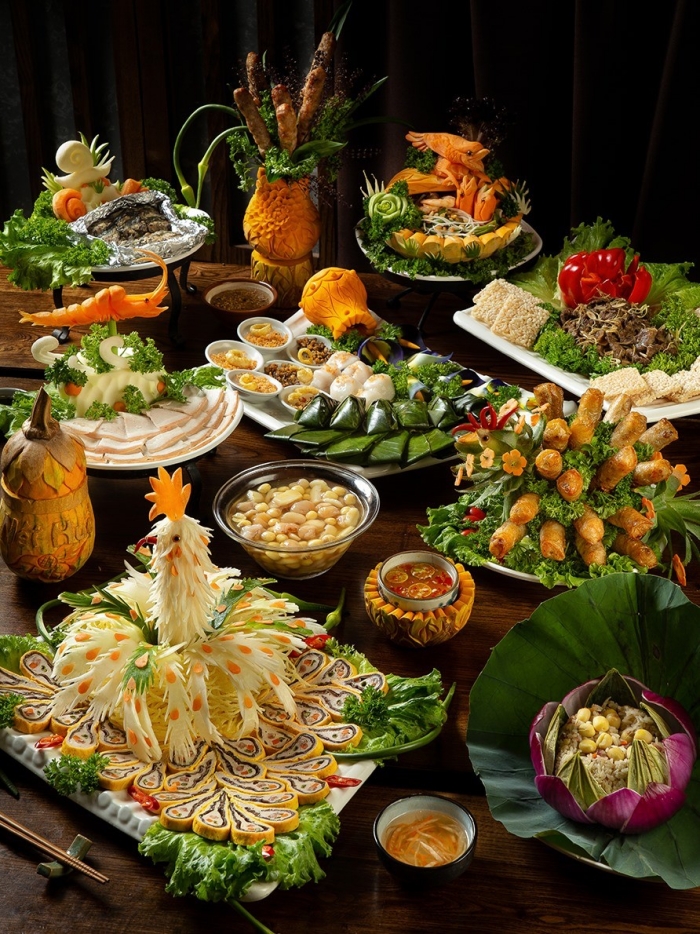
In Vietnam, food is more than sustenance; it is an art form steeped in tradition and significance. One of the most exquisite aspects of this culinary heritage is Imperial Cuisine, particularly the sophisticated cooking style that emerged from the former royal capital, Huế. Renowned for its intricate presentation and delicate flavors, Huế Royal Cuisine is a treasure trove of culinary knowledge often guarded by a select group of chefs. Arranging a private masterclass with a chef specializing in this royal tradition offers a rare opportunity to learn about the historic significance of each dish, the meticulous techniques required, and the elegant plating that transforms meals into visual masterpieces of Vietnamese fine dining.
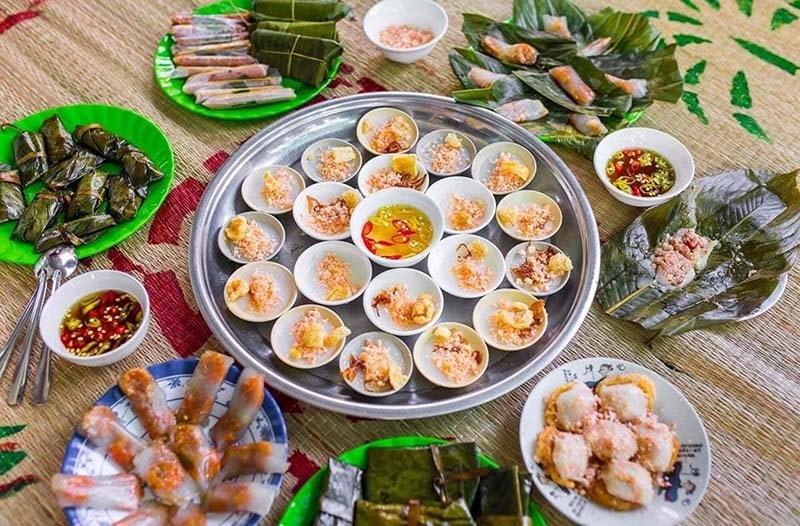
During these exclusive sessions, participants gain insight into the making of intricate dishes such as Bánh Bèo (steamed rice cakes) and Nem Lề (spring rolls), while also understanding the cultural importance behind these offerings. This isn’t merely a cooking class; it’s an immersion into a rich historical narrative that connects food with identity and heritage.
Sourcing rare ingredients: The heart of Vietnamese fine dining
To truly grasp the complexities of Vietnamese flavors, one must delve into the sourcing of high-quality, specialty ingredients. Guided private tours of local markets provide unparalleled access to the country’s diverse produce and specialty products, essential for Vietnamese fine dining. Imagine wandering through the vibrant wholesale flower market in Đà Lạt, known for its breathtaking variety of blooms and herbs, with a knowledgeable local chef. Such experiences allow amateurs and enthusiasts alike to appreciate the nuances of selecting ingredients, from seasonal herbs to exotic fruits.
Another remarkable experience can be found at coastal seafood auctions in Nha Trang. Accompanied by a top chef, participants witness the fervor of local fishermen bringing in their daily catch. The freshness of the seafood is unmatched, and the chef’s expertise ensures that the best selections are made. This hands-on experience culminates in a private cooking session, using the freshly sourced ingredients to create dishes that reflect the unique coastal flavors of Vietnam.
The single-estate robusta revolution in Vietnamese fine dining
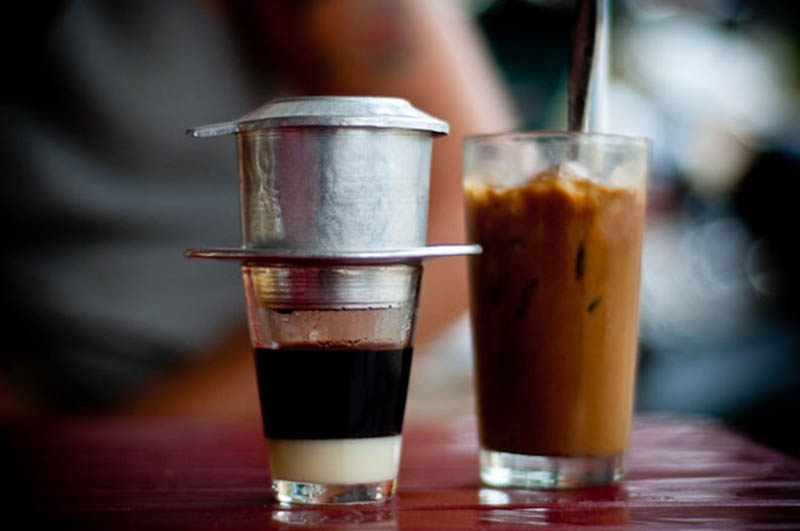
As the world of Vietnamese coffee continues to evolve, the high-end movement surrounding single-origin robusta has gained notable attention. Historically overshadowed by arabica, robusta coffee is making a name for itself in upscale markets, thanks in part to its unique flavor profiles and sustainability practices, aligning it with the ethos of Vietnamese fine dining. A private visit to an award-winning coffee plantation in the Central Highlands allows coffee enthusiasts to witness the meticulous process behind producing premium robusta beans.
During these exclusive experiences, guests are guided by the farmer who expertly navigates the terrain of coffee cultivation. This intimate setting offers insights into the benefits of single-estate sourcing, the ideal growing conditions, and the art of coffee tasting. Guests can savor the diverse flavors of robusta—from its fruity notes to chocolate undertones—while learning about the cultivation methods that enhance quality and sustainability.
Conclusion
As the concentric circles of Vietnamese cuisine expand beyond street food to include its rich culinary heritage, a new narrative emerges—one that celebrates the country’s diverse, complex flavors and its commitment to high-quality, specialty products. Through bespoke culinary education, exclusive chef experiences, and immersive ingredient sourcing, food enthusiasts are invited to discover the depths of Vietnamese fine dining.
This journey transcends standard cooking classes, offering a profound understanding of the cultural significance and culinary techniques that define Vietnam’s heritage. Whether it’s mastering Imperial dishes or discovering the secrets behind single-origin robusta coffee, participants will gain not only skills but also stories that enrich their appreciation for the exquisite art of Vietnamese cuisine. As they savor these experiences, they become part of a greater narrative—one that honors the past while embracing the future of culinary excellence in Vietnam.
Join our vibrant community on Facebook to share your trekking stories and tips, and don't forget to like the ExoTrails fanpage for the latest updates and exclusive offers!
Frequently Asked Questions (FAQs)
Q: What is Imperial Cuisine in the context of Vietnamese fine dining?
A: Imperial Cuisine is a highly sophisticated cooking style that originated in the former royal capital of Huế, known for its intricate presentation and delicate, traditional flavors.
Q: Where can one find the best single-origin Robusta coffee for Vietnamese fine dining?
A: Premium single-origin Robusta is typically found at award-winning plantations located in Vietnam's Central Highlands, where ideal growing conditions are maintained.
Q: How does the sourcing of ingredients play a role in Vietnamese fine dining?
A: Vietnamese fine dining places a high value on rare, high-quality, and specialty ingredients, often sourced through guided tours of local markets or directly from the fishermen and farmers.
Q: Is Vietnamese fine dining only limited to traditional dishes?
A: While deeply rooted in traditional and historical dishes (like Imperial Cuisine), modern Vietnamese fine dining also includes innovative techniques and elevated presentations of classic regional flavors.


