


As you explore the hidden gems of Vietnam, your adventure wouldn’t be complete without diving into the rich culinary landscape that defines this vibrant country. While iconic dishes like phở and bánh mì are well-known, there lies a treasure trove of regional specialties and lesser-known delights waiting to be discovered. This culinary journey invites you to go beyond the tourist menus and savor the authentic Vietnamese food, revealing the heart of its culture through food. With ExoTrails' EAT LOCAL initiative, you’ll find unique local specialties as you roam, ensuring your culinary experience is both authentic and unforgettable.
Read more interesting posts here:
- The Soul of the Streets: Your Ultimate Vietnam Night Market Food Guide
- Beyond the Crowds: The Ultimate Guide to Wild Camping Vietnam's Coastline
- The Forgotten Kingdoms: Tracing the Enduring Cham Culture in Vietnam
Local Markets: The Heart of Culinary Exploration
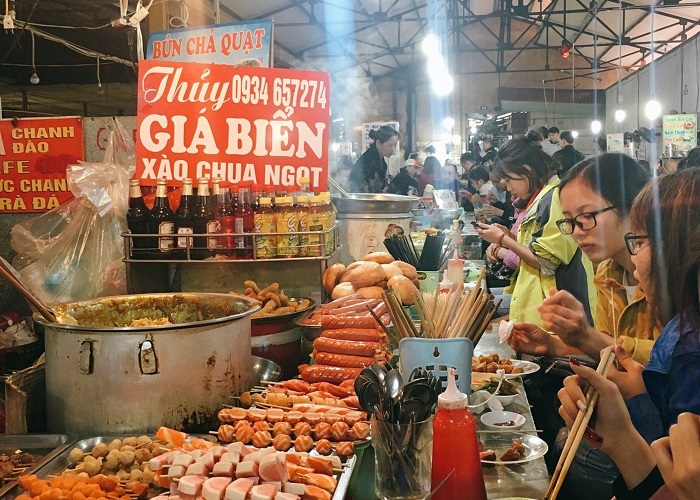
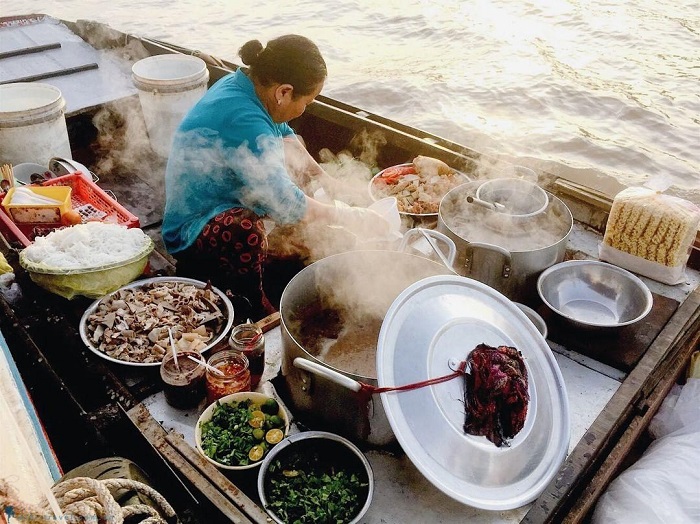
Venturing into local markets is one of the best ways to begin your culinary adventure. Places like the bustling markets of Hanoi or the lively floating markets of the Mekong Delta offer a sensory overload of colors, sounds, and aromas. Here, you can immerse yourself in the local culture, sampling authentic Vietnamese food, fresh fruits, herbs, and street food that reflect the region's vibrant culinary legacy.
Interacting with local vendors provides insights into traditional cooking methods and the significance of various ingredients. This experience organizes your understanding of Vietnamese cuisine, making it more than just a meal, but a celebration of culture and community—all part of ExoTrails' commitment to EAT LOCAL.
Regional Specialties: A Taste of Authentic Vietnamese Food Diversity
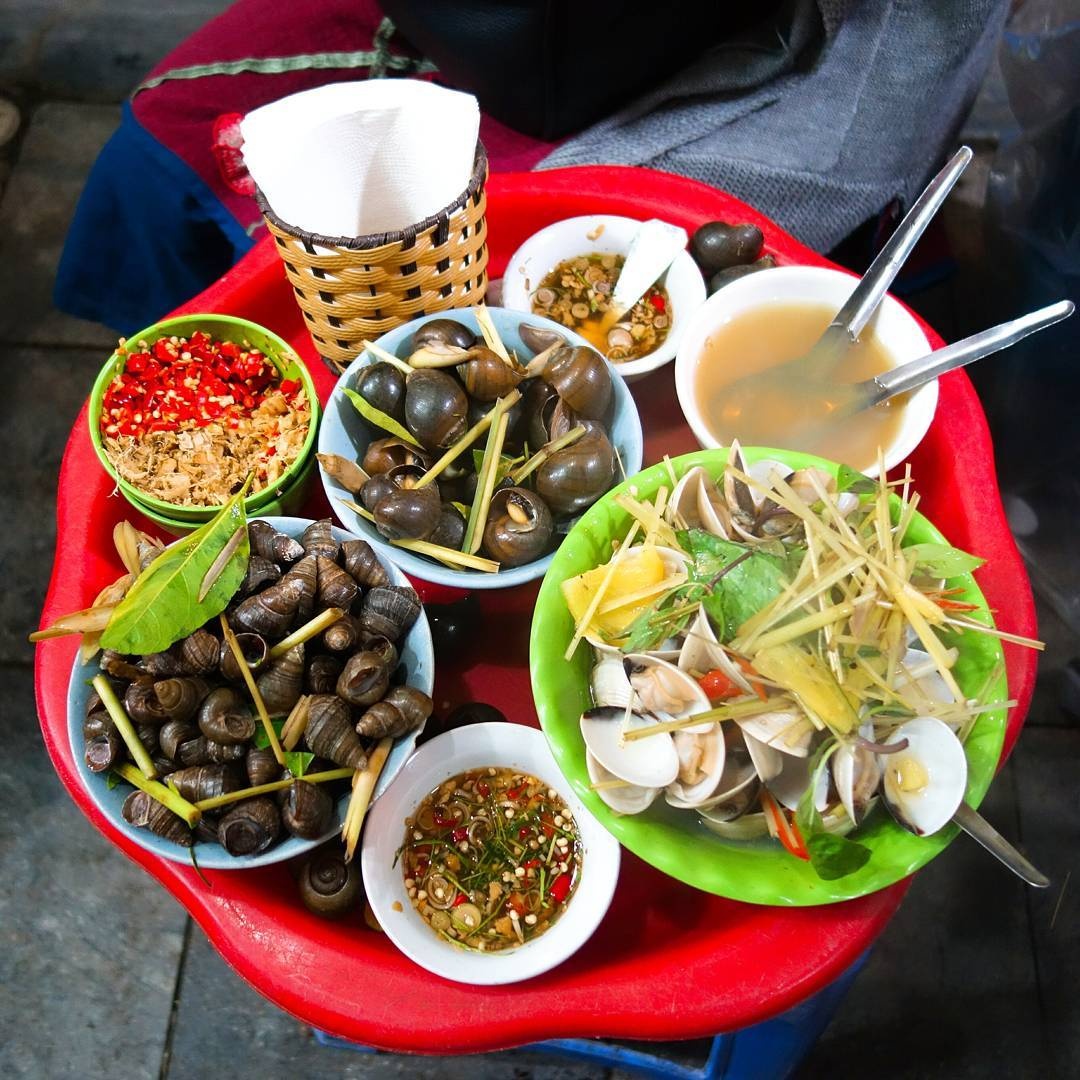
Vietnam's diverse geography translates into a variety of flavors and cooking styles across its regions. In the central city of Hue, try the savory bánh bèo—small rice cakes topped with shrimp and herbs—one of many examples of authentic Vietnamese food rich in imperial history. Meanwhile, in the highlands, savor the simplicity of grilled meats served with fresh herbs, or immerse yourself in the regional specialty of cơm lam—bamboo rice.
With ExoTrails guiding your culinary journey, you can explore these regional specialties authentically. Their EAT LOCAL initiative ensures you dine with locals who are eager to share family recipes, allowing you to taste both the food and rich stories behind each dish.
Cooking Classes: Hands-On Cultural Engagement
If you’re eager to deepen your culinary experience, taking a cooking class is an excellent way to engage with the culture directly. Many regions offer workshops where you can learn how to create traditional dishes from scratch using fresh, local ingredients.
In these classes, you’ll gain hands-on experience in preparing beloved Vietnamese dishes, guided by skilled chefs who share not only techniques but also the history and traditions surrounding each meal. This immersive experience aligns perfectly with ExoTrails' EAT LOCAL initiative, allowing you to carry a piece of Vietnam home with you, resulting in an enriched appreciation for the cuisine.
Street Food Adventures: Indulging in Authentic Vietnamese Food Delights
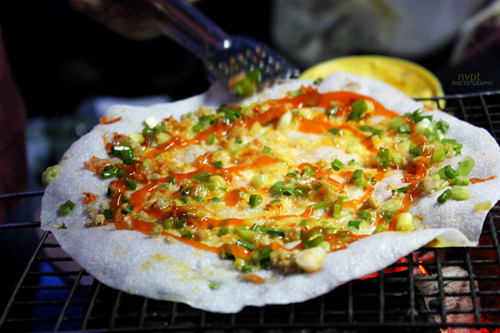
No culinary exploration of Vietnam would be complete without indulging in its renowned street food. While popular options like pho and spring rolls are staples, countless hidden delights await discovery. Seek out local stalls and food carts selling bánh xèo (Vietnamese pancakes) or nem nướng (grilled pork sausage) for authentic Vietnamese food that bursts with flavor and authenticity.
ExoTrails can lead you to the best street food spots through their EAT LOCAL initiative, introducing you to passionate vendors committed to preserving their culinary traditions. These encounters become memorable stories that enhance your understanding of Vietnamese food culture.
Sustainability: Eating with Purpose
As you savor the rich flavors of Vietnam, it’s essential to reflect on the impact of your choices. Supporting local farmers and businesses through sustainable dining practices enhances your culinary adventure and contributes to the community’s well-being.
By prioritizing meals made from fresh, seasonal ingredients sourced from local markets, you can engage in a responsible culinary exploration that aligns with ecological values. With ExoTrails’ EAT LOCAL initiative, you can rest assured that your culinary journey supports sustainable practices, promoting a healthier planet and vibrant local communities.
Conclusion
Savoring the true essence of Vietnam’s culinary landscape offers a unique opportunity to connect with its culture and people. From local markets and regional specialties to hands-on cooking experiences and street food adventures, your culinary journey invites you to explore authentic Vietnamese food and flavors that are often overshadowed by more well-known dishes.
Embrace the richness of Vietnam’s cuisine, and allow each bite to tell a story, revealing the heart of the land and its people. With ExoTrails as your guide and their EAT LOCAL initiative, you’ll navigate a culinary compass that opens the door to flavors beyond the tourist menu, transforming your journey into both a feast and a celebration of discovery.
Ready to taste the real Vietnam? Join our vibrant community on Facebook to share your trekking stories and tips, and don't forget to like the ExoTrails fanpage for the latest updates and exclusive offers!
Frequently Asked Questions (FAQs)
Q: How can I find the most authentic Vietnamese food outside of tourist areas?
A: Focus on local markets, look for hyper-specialized street vendors who only sell one dish, and utilize local food guides and apps like the EAT LOCAL section on ExoTrails.
Q: What is a popular central Vietnamese dish of authentic Vietnamese food?
A: Bánh bèo (small steamed rice cakes topped with shrimp) and Bún Bò Huế (spicy beef and pork noodle soup) are highly authentic central Vietnamese dishes.
Q: Is Phở considered authentic Vietnamese food, or is it too touristy?
A: Phở is absolutely authentic and a national staple; however, the most authentic versions are often found at small, unpretentious stalls rather than large, modern restaurants.
Q: Do cooking classes teach how to make authentic Vietnamese food?
A: Yes, many classes focus on fundamental, authentic dishes like spring rolls, phở, or regional specialties using fresh, locally-sourced ingredients.


