
Table of Contents Show
In Vietnam, a coffee break is not a pit stop; it is a sacred ritual. The country is one of the world’s largest coffee producers, and its unique Vietnam cafe culture, from bustling street corners to hidden alley gems, offers a vital counterpoint to the nation’s energetic pace. It is here that life slows down, ideas are brewed, and communities find their daily anchor.
Read more interesting posts here:
- Discovering the Authentic Vietnamese Coffee Culture in the Central Highlands
- Safe Swimming Spots Vietnam: Gentle Island Adventures for Families
- Discovering the Unique La Chi People Culture: The Khu Cù Tê Festival
Dawn to Noon: The Street Corner Commencement of Vietnam Cafe Culture
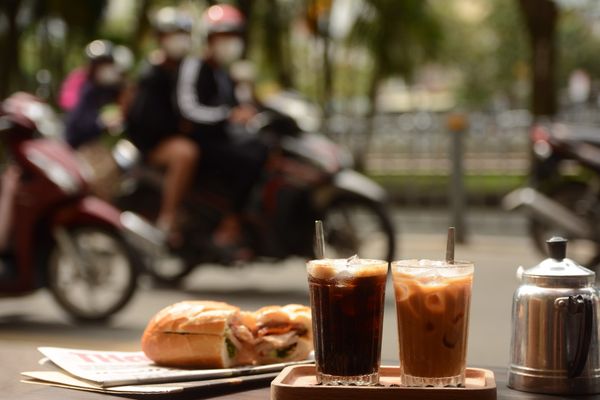
Like the early morning phở stall, the roadside coffee vendor is an essential marker of the Vietnamese day’s beginning. This is where simplicity and efficiency meet depth of flavor, defining the quintessential Vietnam cafe culture.
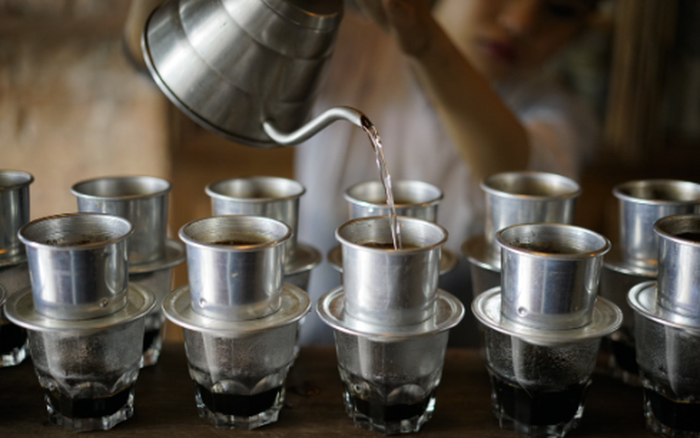
The most iconic sight is the low-slung chair cafe, where patrons sit on plastic stools and watch the world go by. The drink of choice is often a Cà Phê Sữa Đá, the famous iced coffee made with robust dark-roast beans (often Robusta) brewed through a traditional metal phin filter and mixed with sweet condensed milk. The slow drip is a lesson in patience, guaranteeing a strong, syrupy beverage.
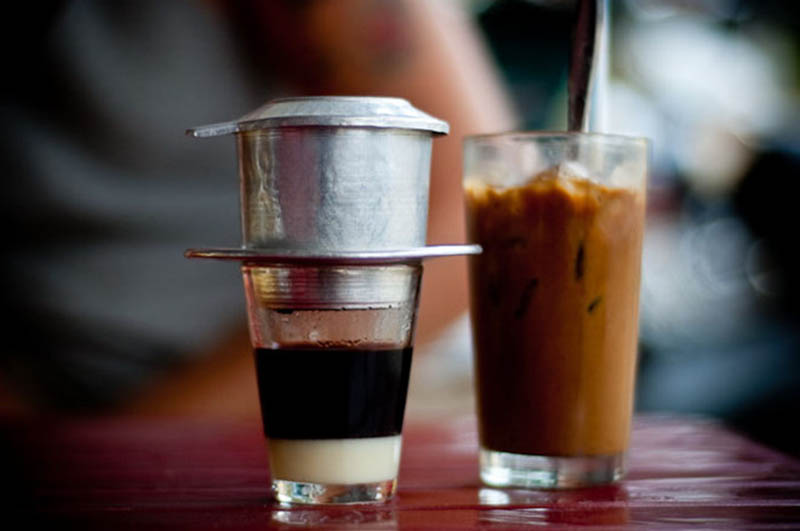
For a true local experience, seek out a cafe specializing in Cà Phê Trứng (Egg Coffee) in Hanoi. This Northern specialty is a decadent cup of hot coffee topped with a creamy, airy layer of whisked egg yolk and condensed milk, resembling a liquid meringue.
The street coffee experience is incredibly affordable. A standard cup of hot or iced black coffee (cà phê đá or nóng) costs between $0.50 and $1.00 USD, while the richer cà phê sữa đá typically ranges from $1.00 to $1.50 USD. The street corner is not just a place to drink; it’s an impromptu, open-air office and social hub.
The Midday Lull: Unique Refuges in Vietnam Cafe Culture
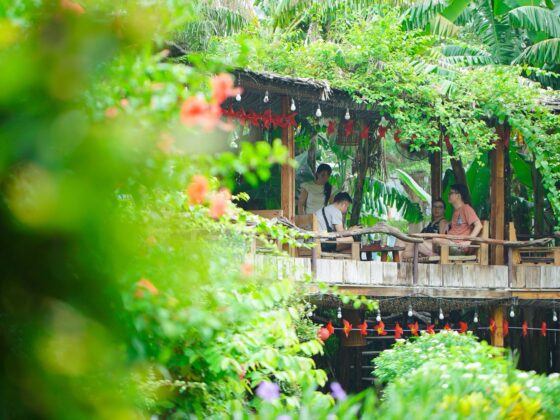
As the midday heat peaks, the Vietnam cafe culture shifts indoors, moving into unique, often eccentric spaces that offer shade, quiet, and a sense of discovery. This is the time for creative reflection and deep conversation.
Vietnamese cafes are renowned for their architectural ingenuity. From “hidden” cafes located behind seemingly ordinary shops to minimalist, concrete spaces that feel like art galleries, seeking out a new cafe is a treasure hunt. In places like Ho Chi Minh City, look for cafes in old, dilapidated apartment blocks where you must climb several flights of stairs to reach a charming, often plant-filled oasis overlooking the busy street below. These spaces serve as cool, atmospheric refuges from the hustle.
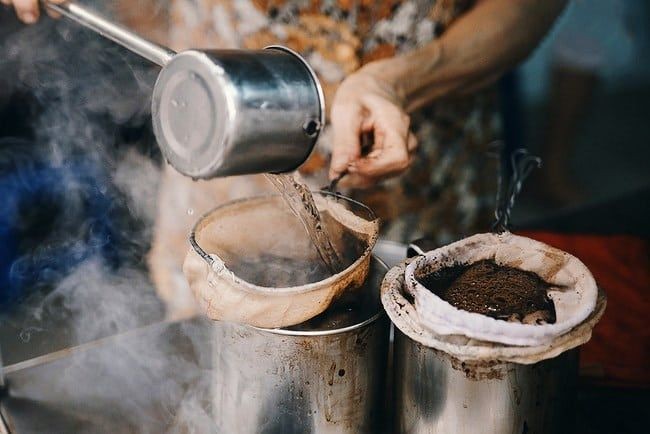
For a different kind of midday pick-me-up, especially popular in the South, try Cà Phê Cốt Dừa (Coconut Coffee). This blend of frozen coconut milk and strong coffee creates a cooling, creamy slushie that provides both a caffeine jolt and relief from the heat.
Prices in these atmospheric, sit-down cafes are higher than on the street, but still very reasonable. A specialty drink, such as Egg Coffee or Coconut Coffee, typically costs between $2.00 and $4.00 USD, offering hours of comfortable seating and high-speed Wi-Fi for the price of a small coffee back home.
As twilight descends, the lights dim, and the outdoor terraces of the cafes fill up again. The ritual slows further, trading the morning’s frantic energy for the soft, reflective chatter of the evening. The cafe, whether a humble stool or a grand establishment, remains the enduring, essential parlor of Vietnamese social life.
Conclusion
The unique Vietnam cafe culture is an essential lens through which to view the nation’s resilient spirit, offering a vital daily pause for social connection and personal reflection. From the cheap, quick street-side cà phê sữa đá to the inventive hidden cafes serving Cà Phê Trứng, this ritual of the grind is one of the most accessible and profound cultural experiences for any traveler in Vietnam.
Ready to pull up a plastic stool and join the ritual? Join our vibrant community on Facebook to share your trekking stories and tips, and don’t forget to like the ExoTrails fanpage for the latest updates and exclusive offers!
Frequently Asked Questions (FAQs)
Q: Why is Vietnamese coffee so strong?
A: Vietnamese coffee is strong because it is traditionally made with Robusta beans, which have nearly double the caffeine content of the Arabica beans used in most Western countries.
Q: What is a phin and how is it used in Vietnam cafe culture?
A: A phin is a small, gravity-fed metal filter used to brew coffee slowly, one cup at a time, creating a dense, rich, and syrupy concentrate.
Q: What is the price difference between street and indoor cafes?
A: Street-side coffee is very affordable, typically under $1.50 USD, whereas specialty drinks in an indoor, atmospheric cafe usually cost between $2.00 and $4.00 USD.
Q: Is Cà Phê Trứng (Egg Coffee) only available in Hanoi?
A: While Cà Phê Trứng originated and is most famous in Hanoi, it can now be found in specialty cafes throughout major cities in Vietnam.
Klook.com