
Table of Contents Show
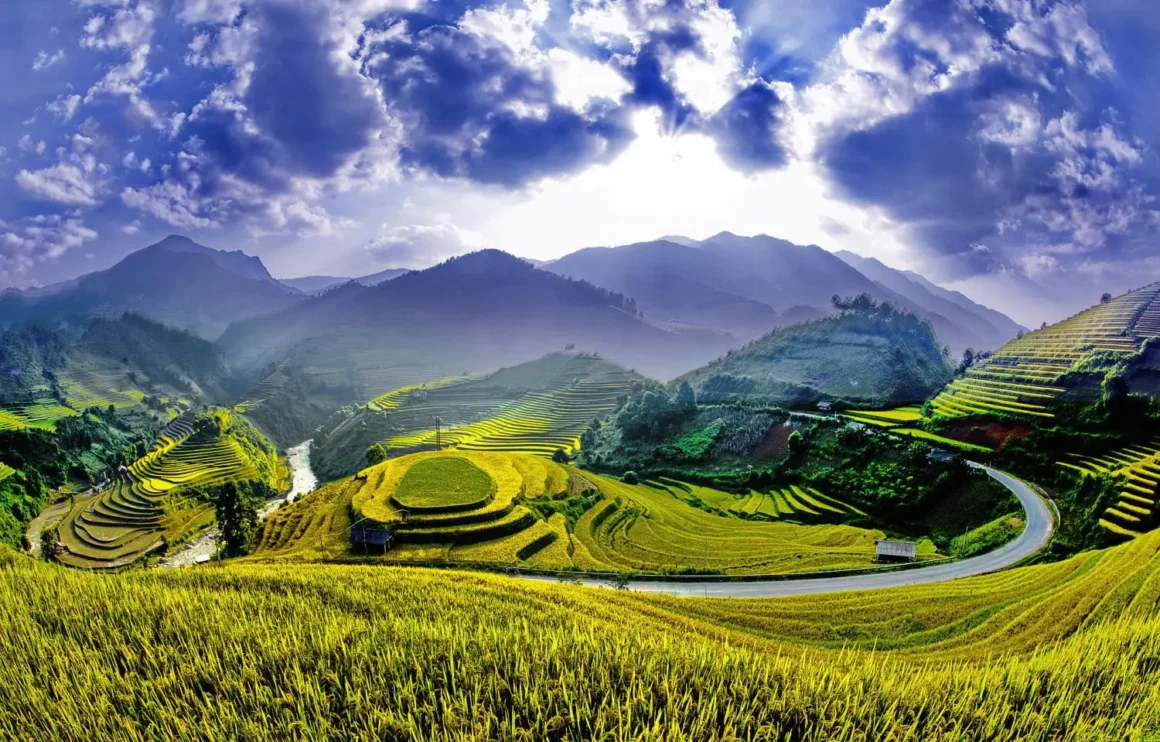
These terraces look like they were painted by the gods — and few outsiders ever witness them. While Sapa often steals the spotlight for its stunning rice terraces, Vietnam is home to several hidden gems that showcase the country’s agricultural beauty in lesser-known regions. If you’re seeking a more authentic experience away from the tourist trails, let’s explore the breathtaking terraced landscapes of Hoang Su Phi, Mu Cang Chai, and Y Ty’s cloud valleys—truly the best rice terraces in Vietnam.
Read more interesting posts here:
- Cai Rang Floating Market: A Traveler’s Guide to Vietnam’s Floating World
- History of Vietnamese Coffee: From Colonial Import to National Fuel
- French Colonial Architecture Vietnam: Mastering the Art of Cultural Synthesis
Hoang Su Phi: The Hidden Masterpiece of the Best Rice Terraces in Vietnam

Nestled in Ha Giang Province, Hoang Su Phi is a treasure trove of terraced rice fields, recognized as a National Heritage site for its stunning agricultural landscapes. Unlike Sapa, where visitors flock in droves, Hoang Su Phi’s terraces maintain an air of serenity, making it perfect for those who wish to immerse themselves in nature and culture.
The rice terraces here are intricately carved into the mountainside, weaving a tapestry of gold and green that changes with the seasons. The best time to visit is during the harvest season in late September to October when the fields turn a brilliant yellow, resembling a golden sea. Travelers can enjoy trekking routes that lead through traditional villages, providing invaluable insights into the lives of the local ethnic groups. With fewer tourists around, you can capture the beauty of these landscapes without the distractions of a bustling crowd.
Mu Cang Chai: Remote Corners of Beauty
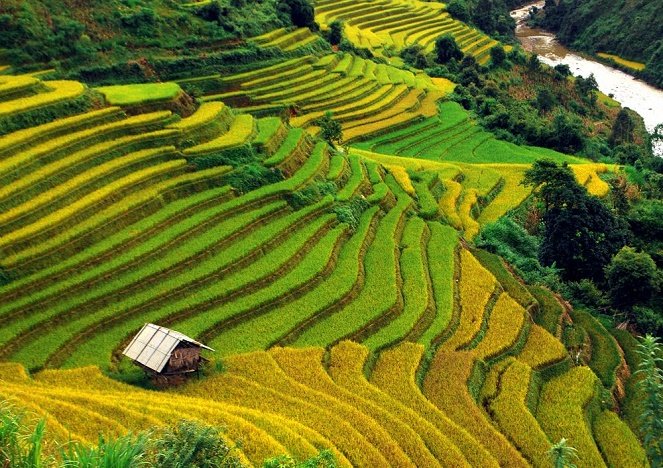
Further south lies Mu Cang Chai, another tucked-away gem known for its dramatic terraces that cascade down steep hillsides. This region offers some of the most picturesque views in the country and is often favored by photographers and adventure seekers.
The area is renowned for its stunning largest terraced fields, particularly in the villages of La Pan Tan and Khau Pha. These terraces are intricately designed and maintained by the local H’mong people, who have cultivated rice here for generations. The best time to visit is also in September and October, when the fields are ripe for harvest, creating a brilliant golden landscape that is simply captivating. The stunning views confirm these are among the best rice terraces in Vietnam.
Beyond the terraces, the trails around Mu Cang Chai lead to opportunities for mountain trekking and cultural exchanges with local villagers. Engaging with the local community, you’ll learn about traditional farming techniques, cultural practices, and the deep connection the people have with their land.
Y Ty: The Cloud Valley Wonder Among the Best Rice Terraces in Vietnam
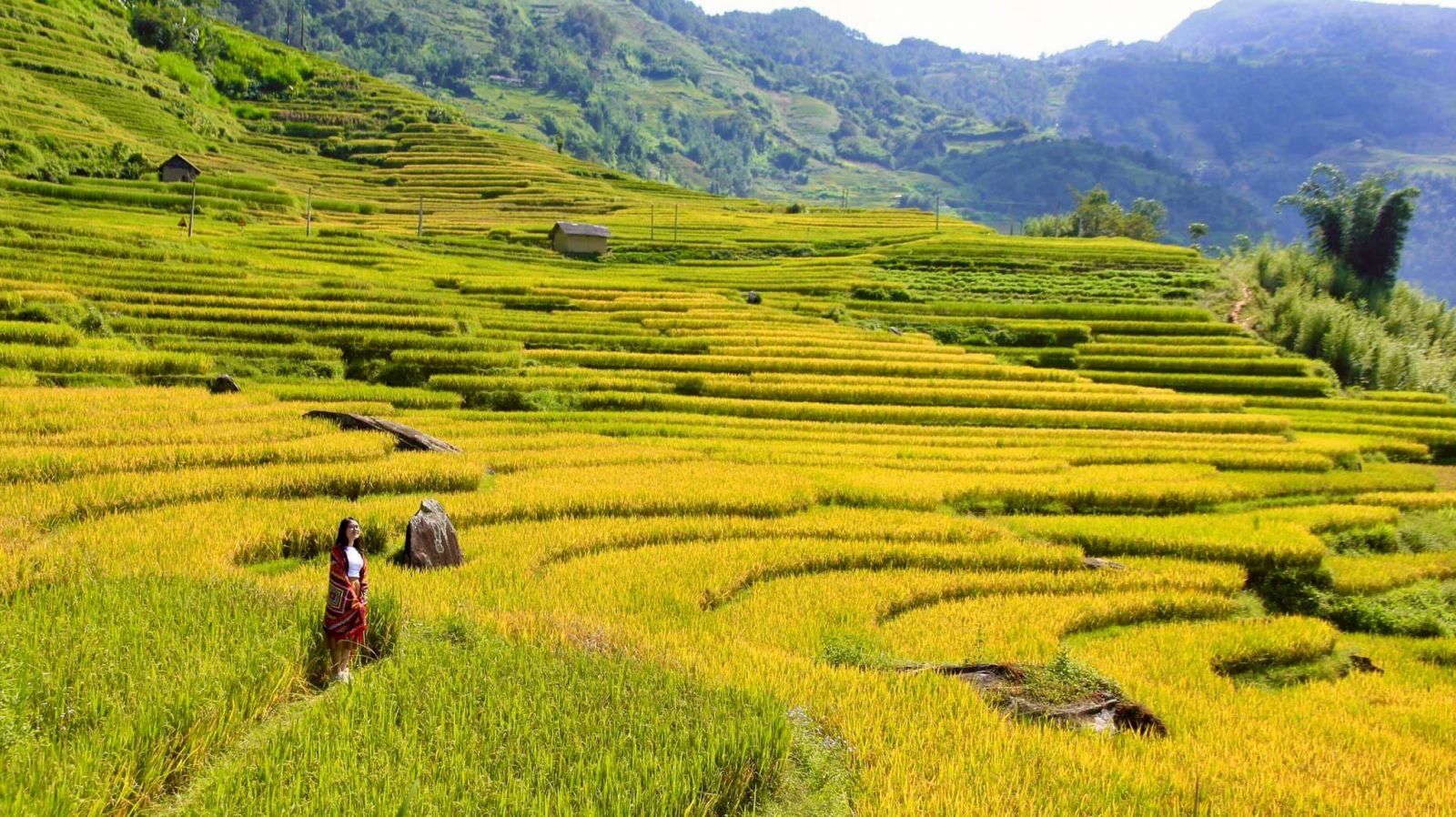
One of Vietnam’s hidden secrets, Y Ty is perched high above the clouds in Lao Cai Province. Renowned for its mist-covered valleys and panoramic views, this area is often overlooked by tourists, making it a true hidden gem.
The rice terraces in Y Ty are spectacular, particularly at sunrise or sunset when the mist rolls in and creates an ethereal atmosphere. The fields here are less extensive than Sapa but equally stunning, with intricate patterns carved into the landscape by the diligent hands of local farmers. The best time to visit Y Ty is from late September to October during the harvest season, when the fields burst with a golden hue.
Unique to Y Ty is the combination of terraced farming and stunning mountainous backdrops. The atmosphere is tranquil, allowing visitors to fully absorb the beauty of the surroundings. Interactions with the local communities, consisting mainly of the Ha Nhi and Giay ethnic groups, add a rich layer to your experience, providing insights into their traditional lifestyles and customs.
Conclusion
For those willing to venture beyond the well-trodden paths of Sapa, Vietnam’s secret rice terraces offer breathtaking beauty and cultural richness that few travelers have the opportunity to experience. Hoang Su Phi, Mu Cang Chai, and Y Ty are each unique landscapes where terraced fields create a painterly scene that is both awe-inspiring and serene.
These valleys are not just about the stunning sights; they offer a chance to engage with local cultures, learn about traditional farming practices, and connect with the land and its people. To make the most of your adventure, consider hiring a local guide who can share hidden routes, cultural insights, and ensure you fully immerse yourself in the beauty of these off-the-beaten-path treasures, the best rice terraces in Vietnam.
So, pack your bags and prepare for a journey into the heart of Vietnam’s agricultural wonders. Discover the valleys of gold that remain a secret to many and experience a side of Vietnam that is as enchanting as the landscapes it holds. Your adventure awaits beyond the crowded spots, where the true essence of Vietnam’s beauty lies.
Ready to witness the golden landscapes? Join our vibrant community on Facebook to share your trekking stories and tips, and don’t forget to like the ExoTrails fanpage for the latest updates and exclusive offers!
Frequently Asked Questions (FAQs)
Q: When is the best time to visit the best rice terraces in Vietnam?
A: The best time is during the harvest season, from late September to early October, when the fields turn a brilliant, photogenic golden color.
Q: Are Hoang Su Phi and Mu Cang Chai difficult to access?
A: They are more remote than Sapa, requiring challenging drives, but their main viewing areas are accessible, and the remoteness ensures a less crowded, authentic experience.
Q: Which ethnic groups cultivate the best rice terraces in Vietnam?
A: The majority of the rice terraces in these regions are cultivated and maintained by the H’mong and Dao ethnic minority groups.
Q: What is the main difference between Sapa and the other best rice terraces in Vietnam?
A: The other terraces (Hoang Su Phi, Mu Cang Chai, Y Ty) are generally more remote, less developed for mass tourism, and offer a more authentic view of traditional H’mong and Dao life.
Klook.com