
Table of Contents Show
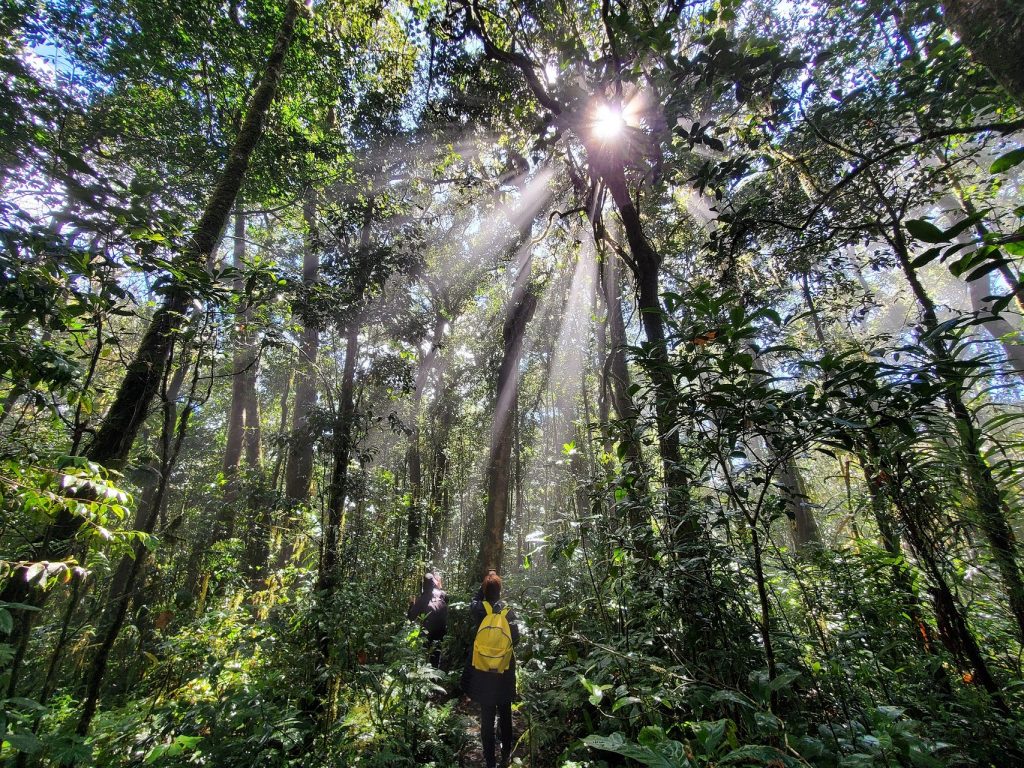
At dawn in Bidoup–Nui Ba National Park, the mist rises like smoke from the forest floor, weaving through the trunks of thousand-year-old pines. The air is thick with the hum of cicadas, the flutter of wings, and the promise of a land reclaiming itself. These are Vietnam’s lost forests, once scarred by deforestation, now slowly being reborn through a quiet but powerful rewilding Vietnam movement.
Across the country, from the limestone peaks of Cuc Phuong to the lowland rainforests of Cat Tien, a new generation of conservationists, rangers, and local communities is rewriting Vietnam’s relationship with nature. It’s a story of hope, resilience, and rediscovery — and one that reminds travelers that the real adventure lies in preservation.
Read more interesting posts here:
- Top Sunrise Peaks Vietnam: Chasing the First Light of Dawn
- Where Jungle Meets Sea: The Ultimate Guide to Coastal Trekking Vietnam
- Exploring the Diversity of Vietnam Climate Zones: From Tropical Palms to Misty Peaks
The history and progress of rewilding Vietnam
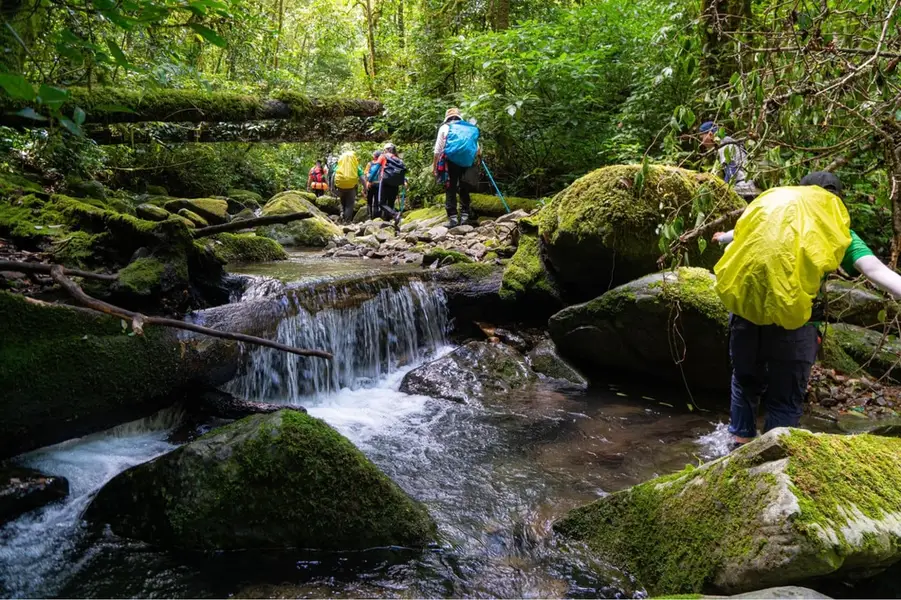
For decades, Vietnam’s forests faced relentless pressure, logging, poaching, and agricultural expansion stripped away habitats that once teemed with biodiversity. But change began where it often does: with people who refused to look away. Today, rewilding Vietnam efforts are restoring lost habitats with native trees, while organizations partner with local ethnic groups to protect fragile ecosystems and endangered wildlife like the black-shanked douc and Asiatic black bear.
In Bidoup–Nui Ba, ecologists work hand in hand with K’Ho villagers, teaching sustainable land use and monitoring forest health. In Cuc Phuong, the country’s oldest national park, the Endangered Primate Rescue Center has become a global model for species rehabilitation. And in the central highlands, former loggers have become guides, leading eco-tours that give visitors an inside look at Vietnam’s remarkable natural recovery.
How travelers can participate in rewilding Vietnam
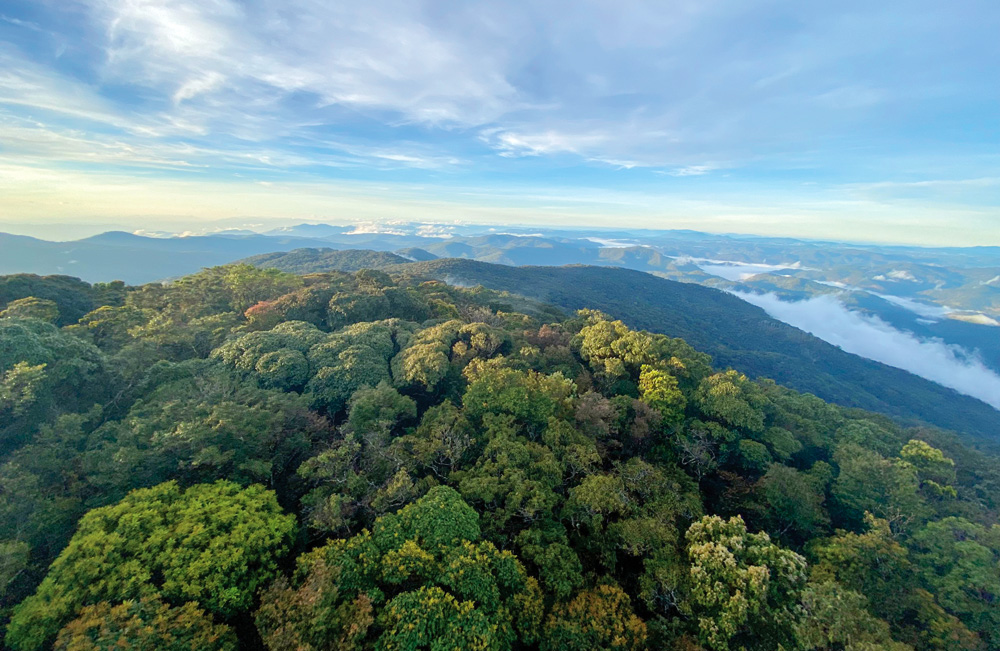
For travelers, the shift toward restoration has opened up an entirely new way to experience the wilderness. Instead of merely trekking through trails, visitors can now take part in rewilding Vietnam through hands-on conservation: tree planting, wildlife tracking, or learning traditional forest knowledge from local guides.
It’s tourism with purpose, and ExoTrails is helping connect the dots. Through curated eco-routes listed in the app, travelers can find trails verified for sustainability, book certified guides, and even earn ExoSeeds for joining conservation projects.
These journeys aren’t just about adventure; they’re about giving back. The trails through Pu Mat or Bach Ma don’t just offer breathtaking views, they carry stories of survival, restoration, and human determination.
The local communities leading Vietnam rewilding efforts
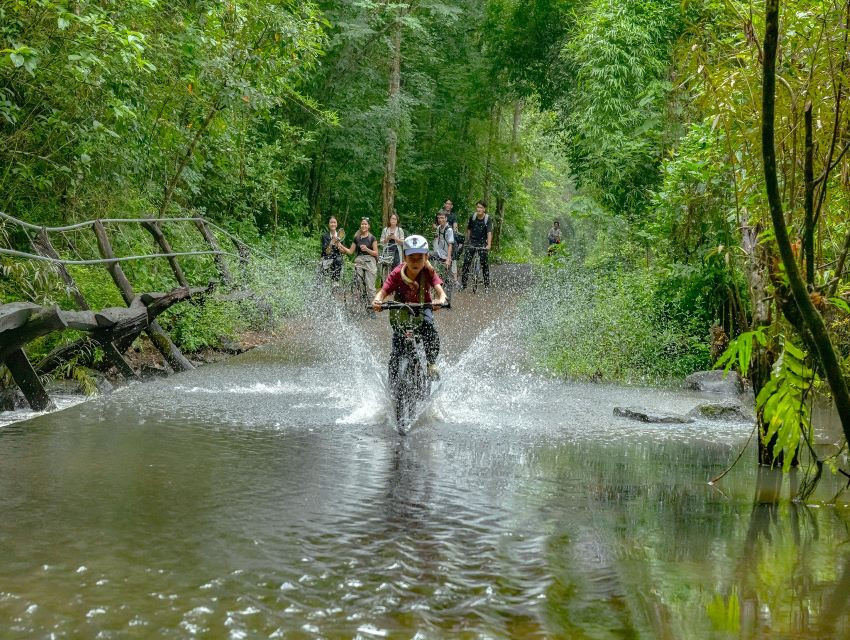
Meet the new guardians of Vietnam’s forests, a generation of young Vietnamese who see conservation not as a duty, but as a calling. Rangers in Cat Tien now use GPS tools and drones to track illegal activity. In Kon Tum, volunteers from local schools join tree-planting drives every rainy season.
Through community-driven conservation, the focus has shifted from “protecting from people” to “protecting with people.” This shared responsibility is what makes rewilding Vietnam unique, it’s powered not by isolation, but by inclusion and local empowerment.
Adventure meets awareness
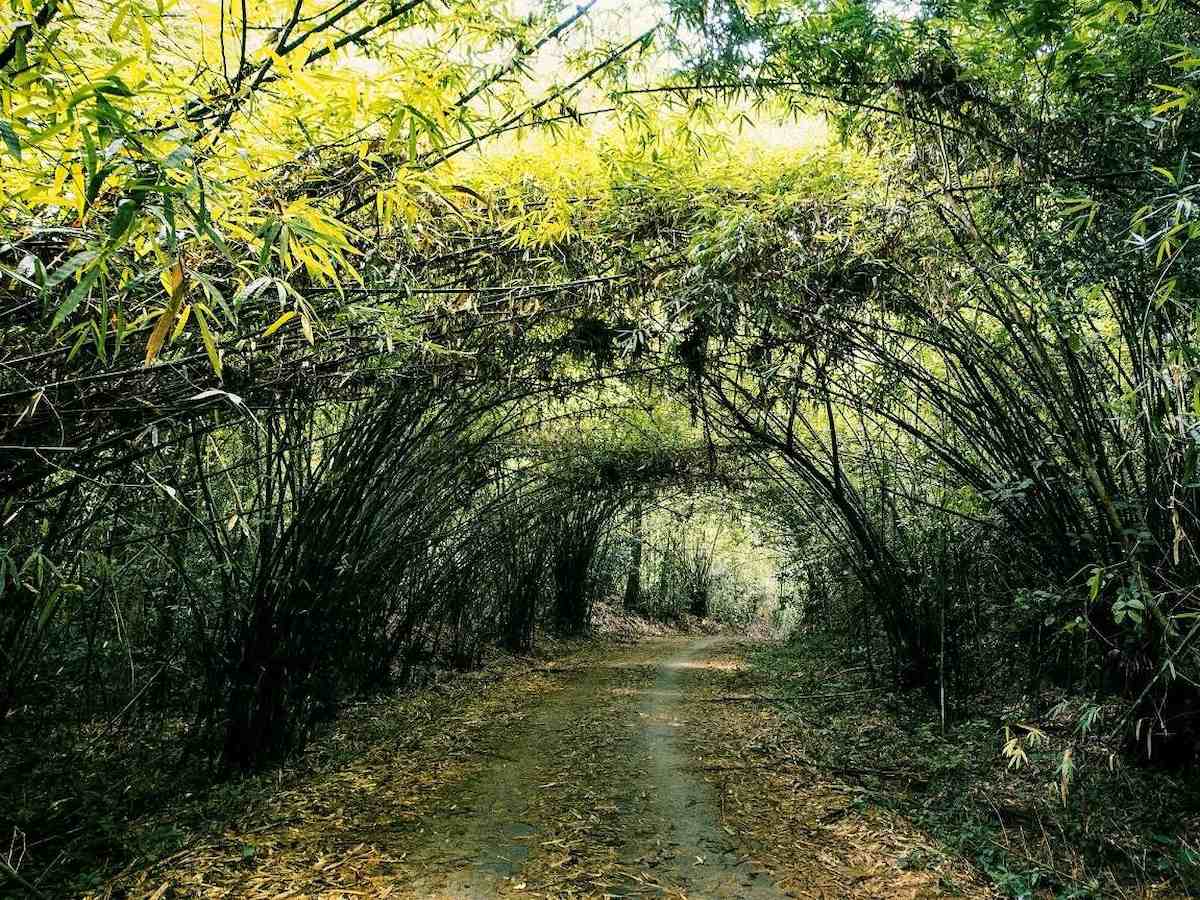
The rewilding story also invites travelers to reflect. When you walk through the lush trails of Phong Nha or camp under the dense canopy of Yok Don, you’re not just witnessing recovery, you’re part of the rewilding Vietnam mission. These forests hold lessons about coexistence, patience, and balance that resonate far beyond the trail.
As more travelers seek meaningful journeys, Vietnam’s rebuilding frontier stands as both a destination and a philosophy: that adventure can heal, that exploration can protect, and that the wild, if given the chance, always finds its way back.
Conclusion
The rewilding Vietnam movement is a testament to the fact that environmental degradation is not an irreversible sentence. Through the combined efforts of technology, local wisdom, and conscious tourism, Vietnam is successfully bringing its “lost forests” back to life.
As we look toward 2026 and beyond, the success of these frontiers depends on our willingness to be participants in nature rather than just observers. By supporting sustainable trails and conservation-focused travel, every explorer can help ensure that Vietnam’s wild heart beats stronger than ever before.
Ready to make an impact on your next journey? Join our outdoor community! Follow our Facebook Page and join our ExoTrails Community Group to connect with fellow explorers and stay updated on the latest trails!
FAQs
What is the goal of rewilding Vietnam?
The primary goal is to restore degraded ecosystems to their natural state by reintroducing native species, protecting wildlife habitats, and allowing nature to reclaim balance with minimal human interference.
How can tourists help with rewilding Vietnam?
Tourists can contribute by choosing eco-certified tours, participating in tree-planting activities, and using platforms like ExoTrails to find routes that directly support local conservation communities.
Where are the best places to see rewilding Vietnam in action?
National parks like Cat Tien, Cuc Phuong, and Bidoup–Nui Ba are leading frontiers where you can witness reforestation and wildlife rehabilitation programs firsthand.
Does rewilding Vietnam affect local communities?
Yes, it provides sustainable economic opportunities for local ethnic groups through eco-tourism, allowing them to move away from logging or poaching toward becoming protectors of the forest.
Klook.com