
Table of Contents Show
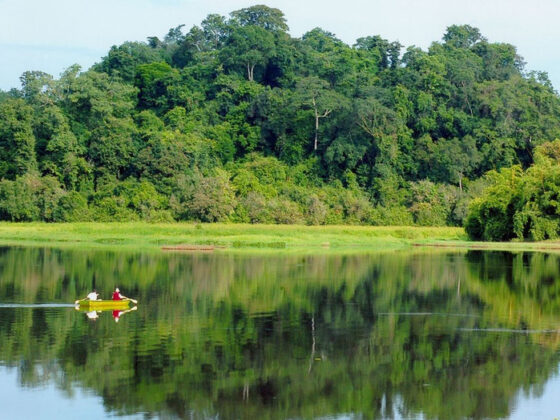
In the early mornings of northern Vietnam, you can hear it, the hum of a community waking with the mist. Farmers prepare tea, guides check their GPS routes, and travelers pack up their gear to tread lightly across ancient trails. It’s a rhythm that’s becoming familiar across Southeast Asia: a quieter, more conscious kind of tourism that values connection, culture, and conservation over convenience. This shift is a cornerstone of the green travel movement 2026, where exploration meets responsibility.
At the heart of this transformation lies a new generation of travelers, and an emerging ecosystem of innovators like ExoTrails, who are reimagining what it means to explore responsibly in one of the world’s most biodiverse regions.
Read more interesting posts here:
- Discover the Artisan Heart of the North: A Guide to Traditional Craft Villages Vietnam
- Nature’s Rhythm: A Guide to the Best Places to Kayak in Vietnam
- The Ultimate Vietnam Travel Seasons Guide: When to Explore Nature’s Wonders
Why conscious adventure drives the green travel movement 2026
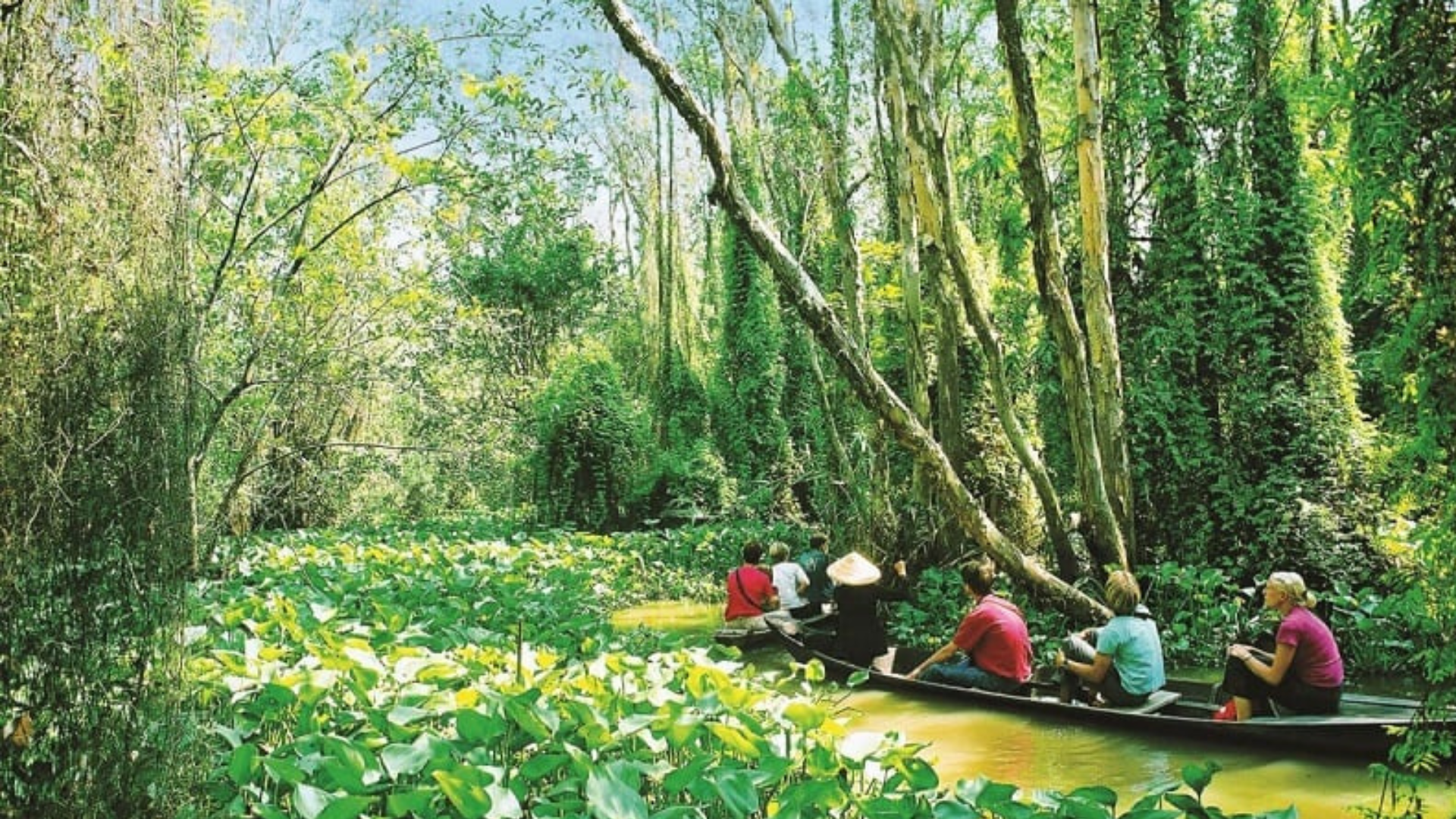
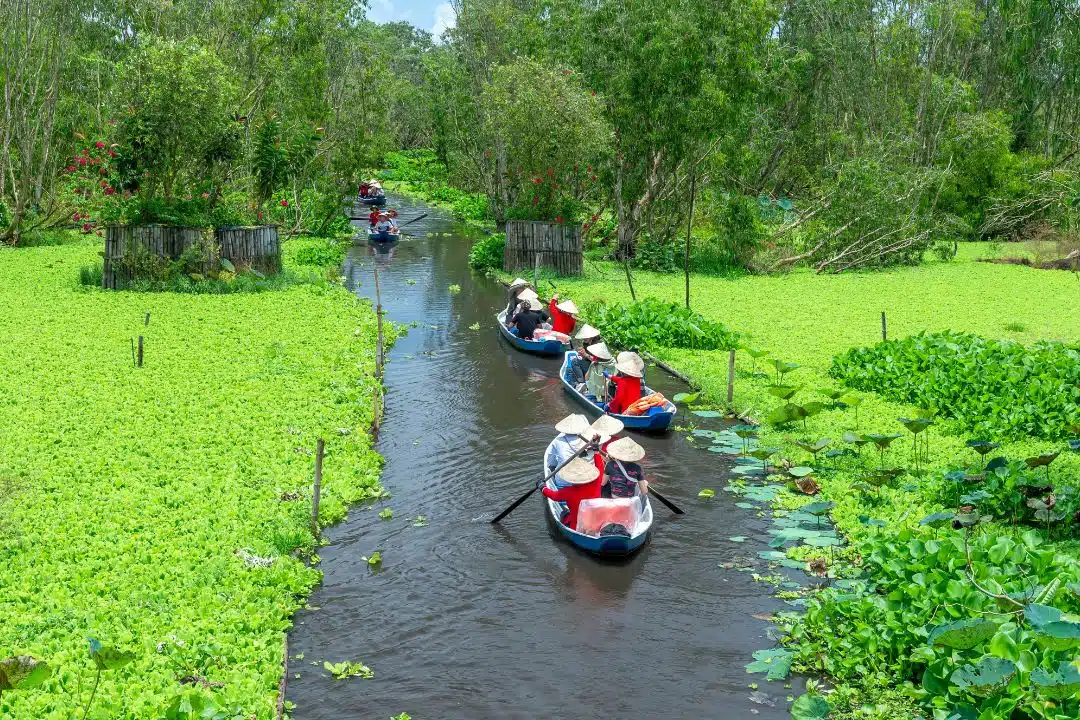
For decades, adventure tourism in Southeast Asia was about raw exploration, chasing waterfalls, summiting peaks, ticking off bucket-list destinations. But today’s explorers are asking deeper questions: Who benefits from my visit? How can I give back? This mindset is at the core of the green travel movement 2026, reshaping the industry from the ground up. Across Vietnam, Thailand, and Malaysia, local communities are reclaiming their role in adventure tourism, running eco-lodges, guiding nature walks, and teaching travelers the stories behind the landscapes.
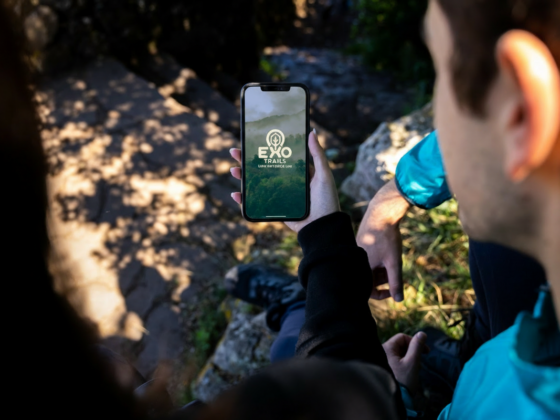
ExoTrails has become a key player in connecting these initiatives. Through its Trail Blazers network and community-driven BaseCamp hub, the platform supports local guides, promotes sustainable stays, and helps travelers engage with nature without leaving a heavy footprint.
Nature as a partner, not a backdrop

In northern Vietnam, hill-tribe communities are transforming former logging routes into guided eco-treks. In Malaysia’s Perak region, youth groups are mapping hidden trails to encourage low-impact exploration. These initiatives are proof that the green travel movement 2026 isn’t just a policy, it’s a partnership between people and planet.
By integrating verified data, transparent disclaimers, and real-time safety updates, ExoTrails ensures that exploration remains responsible. Each trail on the platform comes with cultural insights, environmental notes, and guidelines on respecting local customs, turning navigation into education.
Using technology to support the green travel movement 2026
But technology alone doesn’t make travel sustainable, intention does. That’s why the green travel movement 2026 relies on a balance of digital tools and human ethics. Through Ask Tony AI, users receive intelligent, localized guidance: how to travel during eco-sensitive seasons, where to buy local, or when to avoid overcrowded trails.
Its BaseCamp community hub features sections to highlight conservation drives, environmental programs, and nature preservation activities across the region, while important essential information ensures that travelers have well informed and relevant information wherever they go.
Creating a shared vision for the green travel

What makes this movement remarkable is its inclusivity. Sustainability is no longer a niche concept reserved for eco-lodges, it’s becoming mainstream. Families camping near Da Lat, international trekkers exploring Laos’ forests, and cyclists in Chiang Mai are all part of a connected green travel movement 2026 that spans borders.
By positioning Vietnam as a regional leader and knowledge hub, ExoTrails is helping shape Southeast Asia’s collective identity as the world’s next sustainable adventure destination. The future of travel here isn’t about traveling farther, it’s about traveling better. It’s about rediscovering the simple joy of walking a clean trail, supporting a local farmer, or finding a quiet moment under a thousand stars. Southeast Asia’s greatest frontier isn’t its mountains or its jungles, it’s its heart. And that’s where this new era of green adventure begins.
Conclusion
The green travel movement 2026 represents a pivotal shift in how we interact with the world’s most delicate ecosystems. By moving away from mass tourism and toward community-led, tech-supported conservation, we ensure that the beauty of Southeast Asia remains intact for future generations. As we look forward, the success of this movement depends on our collective ability to value the stories of the land as much as the landscapes themselves. With platforms like ExoTrails leading the way, the journey toward a more sustainable future is already well underway.
Ready to be part of the change? Join our community of eco-conscious explorers by participating in our ExoTrails community group and like the ExoTrails Fanpage to stay updated on the latest sustainable trails and conservation initiatives!
FAQs
What exactly is the green travel movement 2026?
It is a collective shift toward high-impact conservation and low-impact tourism that prioritizes the social and environmental well-being of local communities.
How does ExoTrails contribute to this movement?
ExoTrails provides a digital ecosystem that connects travelers with verified eco-friendly routes and local guides, ensuring tourism revenue stays within the community.
How can I participate in the green travel movement 2026 as a traveler?
You can participate by choosing slow travel options, staying in community-owned eco-lodges, and using digital tools to navigate responsibly while respecting local wildlife and customs.
Are there specific technology tools for sustainable travel in 2026?
Yes, tools like Ask Tony AI and community hubs provide real-time data on trail sensitivity and sustainable practices to help travelers make ethical decisions on the go.
Klook.com