


As one of the most historically significant regions in Vietnam, the Red River Delta is not only a land of ancient civilizations but also a thriving repository of cultural diversity. Each community within this fertile expanse contributes to a vibrant tapestry woven from the threads of tradition, customs, and beliefs that have been passed down through generations. By exploring the Red River Delta and its many traditional craft villages Vietnam, visitors gain a deeper appreciation for the region’s multifaceted heritage and its continuing relevance in the modern world.
Read more interesting posts here:
- Exploring the Mekong Delta: Transformative Nature Journeys Beyond the Waterways
- Soul of the Highlands: Exploring the Buon Ma Thuot Coffee Culture
- Windswept Wonders: The Best Scenic Drives in Vietnam for Coastal Thrills
Ethnic diversity: a mosaic of cultures in traditional craft villages Vietnam
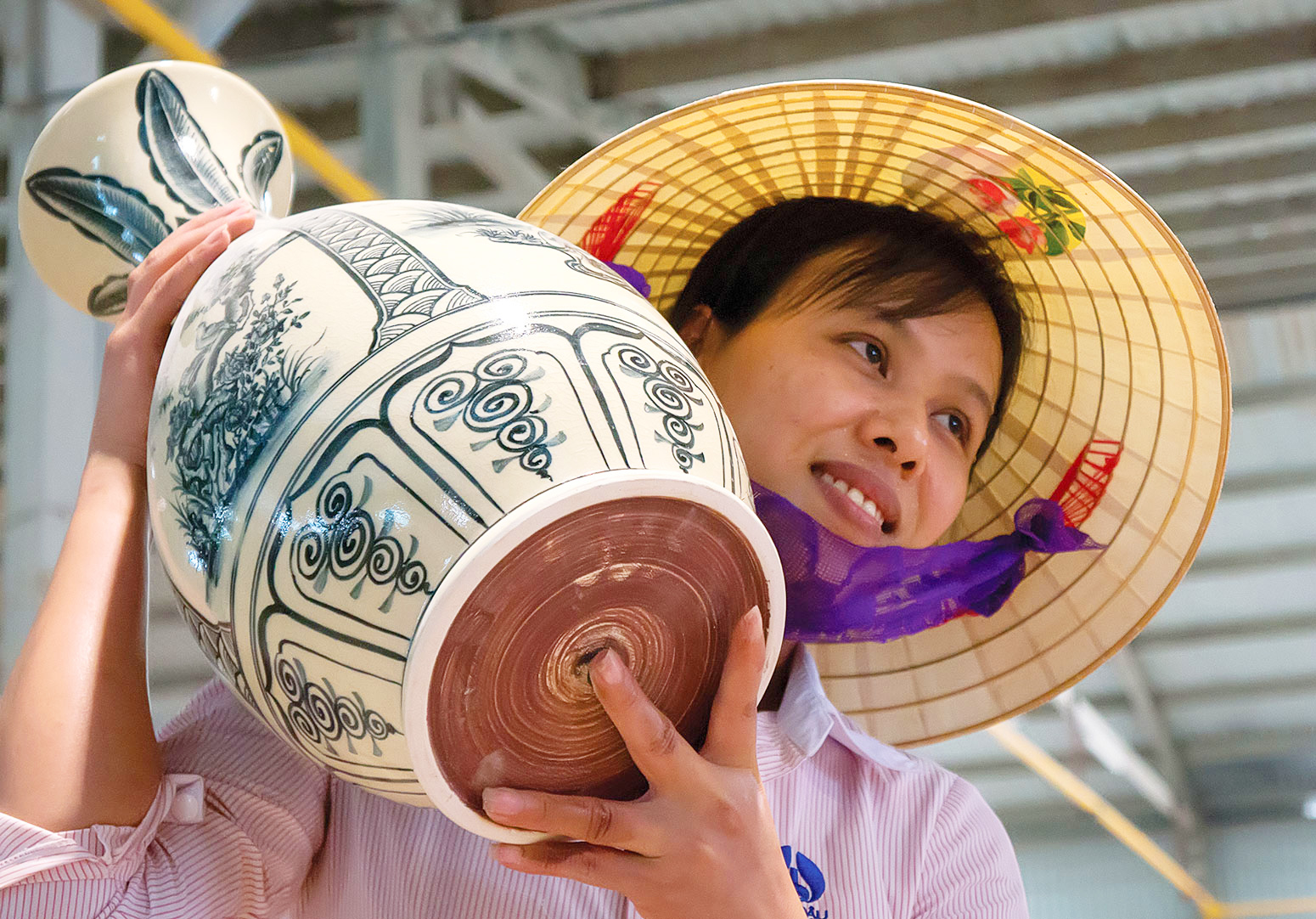
The Red River Delta is home to numerous ethnic groups, each with its own unique customs and cultural practices. Predominantly inhabited by the Kinh (the majority ethnic group in Vietnam), the region also hosts various minority groups, such as the Tay, Thai, and Muong. Each of these communities adds to the region's rich cultural mosaic of traditional craft villages Vietnam, contributing distinct languages, folklore, music, and traditional costumes.
For instance, the Tay people are known for their elaborate festivals that include colorful rituals and traditional dances, often accompanied by music played on distinctive instruments. Visiting these communities offers travelers a chance to experience firsthand the diversity that enriches Vietnamese culture, fostering mutual respect and understanding.
Traditional crafts: Echoes of artisan heritage
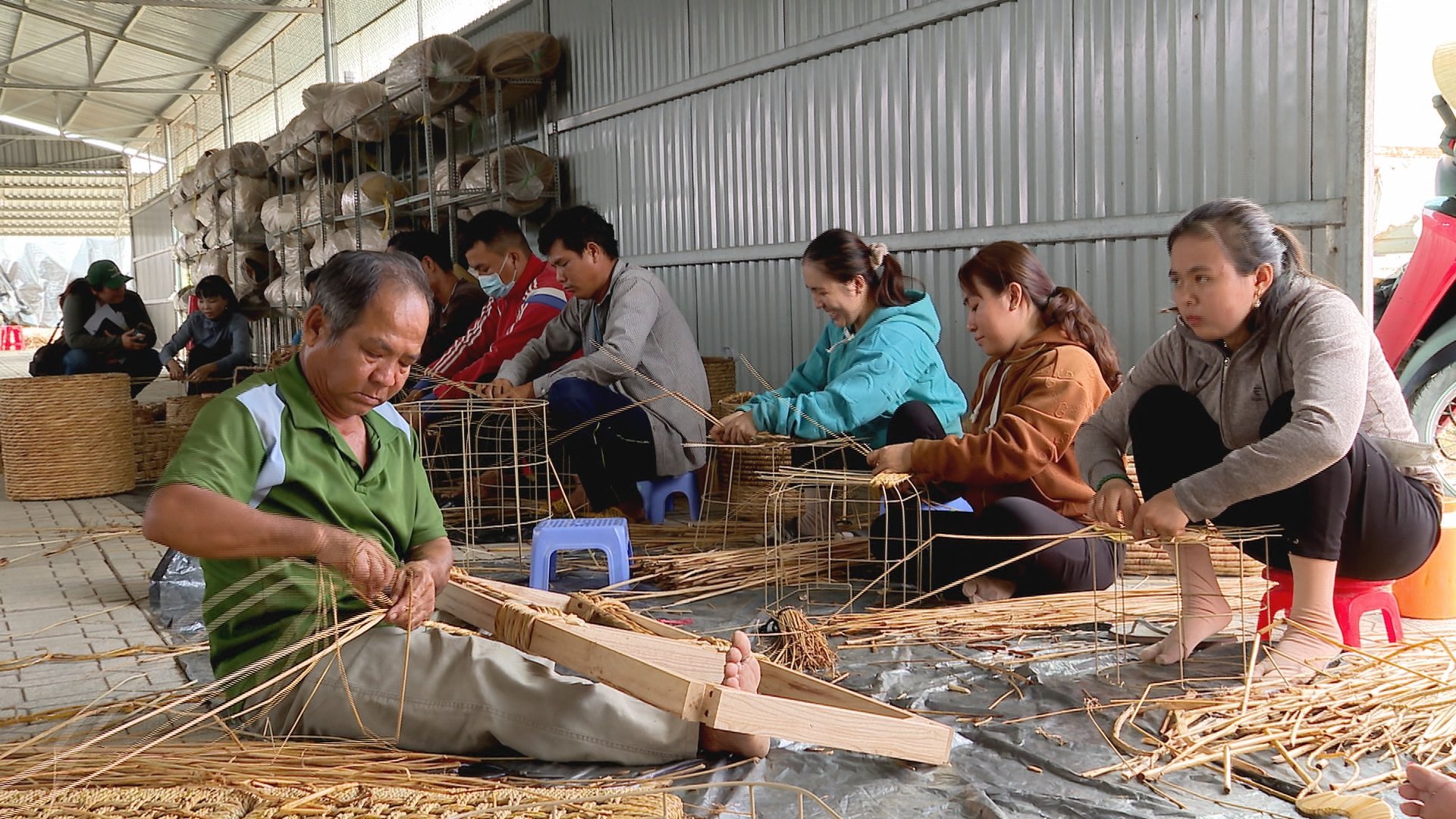
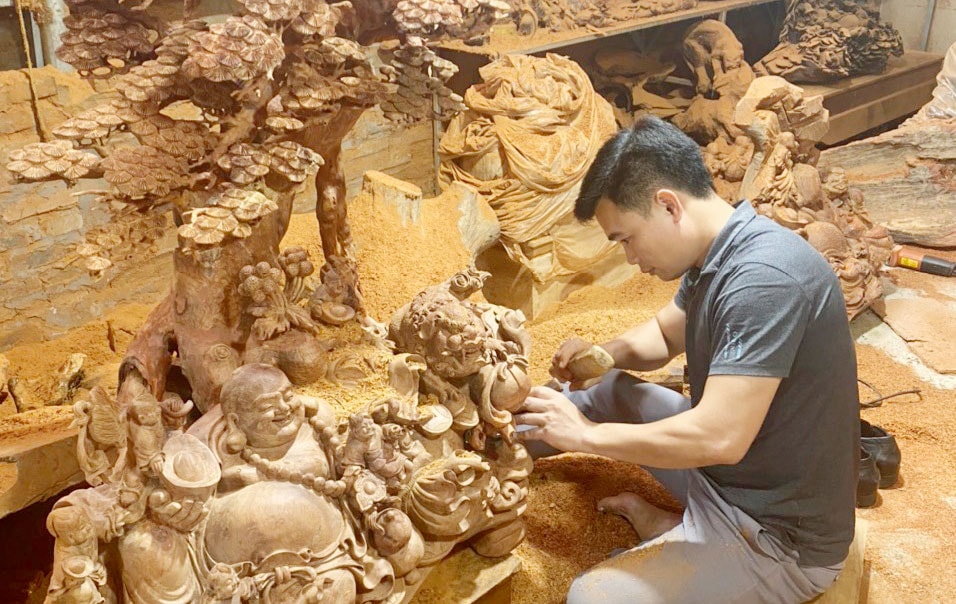
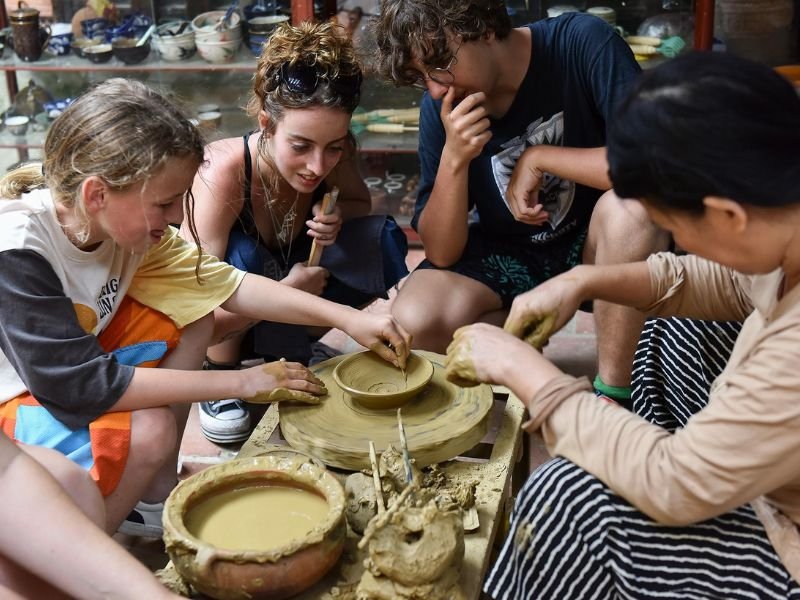
The Red River Delta is renowned for its skilled artisans, whose craftsmanship reflects the region's historical legacy. Traditional crafts such as textile weaving, pottery, and wood carving found in traditional craft villages Vietnam are not merely economic activities; they are vital expressions of cultural identity.
In villages like Van Phuc, famous for its silk production, the age-old techniques of weaving are still in practice, resulting in exquisite textiles that showcase the intricate artistry passed down from ancestors. Visitors can engage with local artisans, observe the production process, and even try their hand at crafting, thus gaining insight into the skills that have sustained families for generations.
Festivals: celebrations of life and harvest at traditional craft villages Vietnam
The multitude of festivals celebrated in the Red River Delta is a testament to the region's rich cultural heritage. These events often revolve around agricultural cycles, community ties, and religious beliefs.
One of the most significant festivals is the Tet Trung Thu, or the Mid-Autumn Festival, which celebrates the harvest and honors the moon. During this lively event, families partake in lantern processions, enjoy mooncakes, and engage in traditional games and activities. The festival is not only a time for celebration but also an opportunity for communities in traditional craft villages Vietnam to strengthen their bonds, as generations come together to celebrate shared values and cultural practices.
Culinary traditions: A flavorful journey
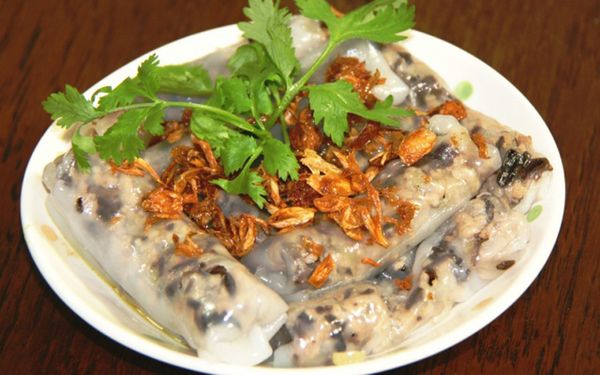
The culinary landscape of the Red River Delta offers another layer of cultural richness, rooted in ancient practices and local ingredients. Vietnamese cuisine, with its emphasis on fresh flavors and balanced nutrition, showcases the agricultural bounty of the region, which is often best experienced while visiting traditional craft villages Vietnam.
Dishes such as "bánh cuốn" (steamed rice rolls) and "phở" (rice noodle soup) highlight the importance of rice and seasonal vegetables, reflecting the agricultural legacy of the Delta. Food is a significant part of cultural identity; sharing meals often fosters community connections and reinforces familial bonds. Culinary tours in traditional craft villages Vietnam allow travelers to immerse themselves in this aspect of Vietnamese culture, learning about ingredients, cooking techniques, and the historical roots of various dishes.
Preserving heritage: Challenges and opportunities
Despite its rich cultural heritage, the Red River Delta faces challenges brought about by modernization, urbanization, and globalization. As traditions risk fading in the face of rapid development, efforts to promote the cultural preservation and revitalization of traditional craft villages Vietnam have become increasingly important.
Local communities, along with governmental and non-governmental organizations, are working to raise awareness and promote the significance of traditional practices. Initiatives such as cultural exchange programs, educational workshops, and heritage festivals aim to engage younger generations and encourage them to embrace their cultural roots.
Conclusion
Exploring the traditional craft villages Vietnam offers a profound window into the country's soul, where the past and present coexist in a delicate, beautiful balance. From the rhythmic clacking of silk looms to the shared laughter over a traditional meal, these villages represent the resilience and creativity of the Vietnamese people. By choosing to visit and support these artisan communities, travelers help ensure that these ancient skills and cultural stories continue to thrive for generations to come.
Want to discover more hidden gems and local secrets in Vietnam? Join our community of adventurers in the ExoTrails Facebook group and like our Fanpage to stay updated on weather-ready trails and local trekking tips!
FAQs
Which are the most famous traditional craft villages Vietnam to visit near Hanoi?
Van Phuc Silk Village and Bat Trang Pottery Village are the most iconic traditional craft villages due to their long history and proximity to the capital.
Can I purchase authentic handmade goods at traditional craft villages in Vietnam?
Yes, most traditional craft villages allow you to buy directly from the artisans, ensuring you receive high-quality, authentic products while supporting the local community.
Is it possible to take a hands-on workshop in traditional craft villages?
Many traditional craft villages Vietnam, such as Bat Trang, offer interactive workshops where visitors can learn pottery-making or silk-weaving techniques from experienced masters.
What is the best time of year to explore traditional craft villages Vietnam?
The dry season from October to April is ideal for visiting traditional craft villages in Vietnam, as the pleasant weather makes it easier to explore the outdoor workshop areas and village paths.


