
Table of Contents Show
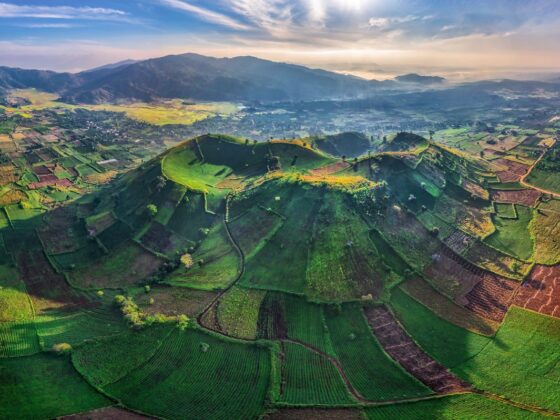
Nui Chua National Park (Ninh Thuan) is one of the rare dry ecosystems in Vietnam and Southeast Asia. What makes this place remarkable is its unusual geography: dry forest, natural freshwater lakes, granite cliffs, and blue sea coexist within a relatively compact area. That sharp contrast creates Nui Chua’s distinctive beauty — raw, powerful, and slightly unforgiving.
If you are looking for a journey that combines trekking adventure with impressive check-in spots set in dramatic nature, Nui Chua is well worth considering.
Where is Nui Chua National Park and what makes it special?
Nui Chua National Park is located in Ninh Thuan Province, about 30 km from the center of Phan Rang – Thap Cham City. The area has been recognized by UNESCO as a World Biosphere Reserve thanks to its unique coastal dry forest ecosystem.
For detailed information about Nui Chua National Park, visit ExoTrails.
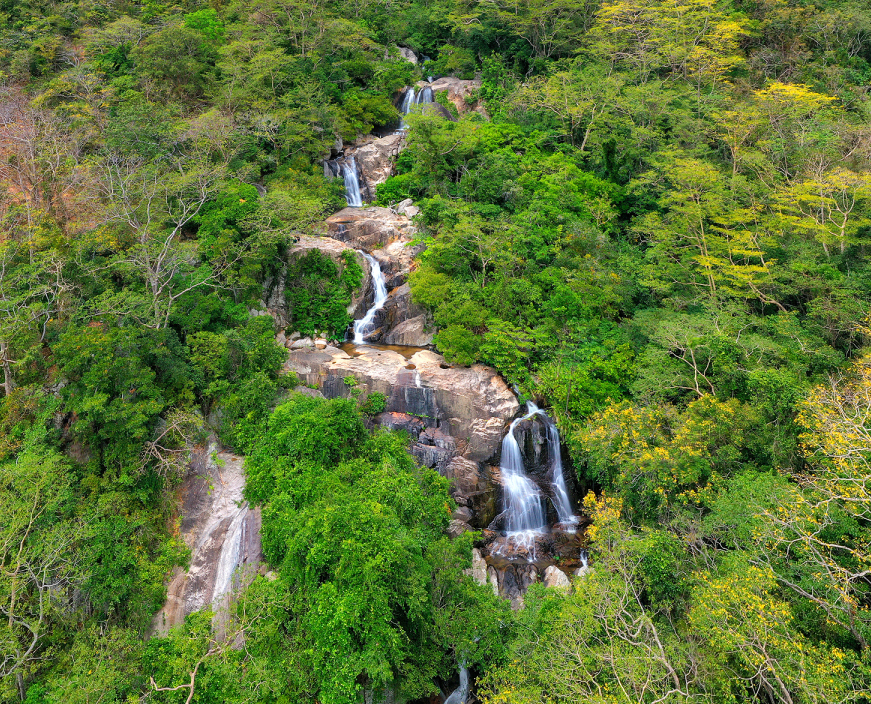
Unlike many national parks with dense green vegetation year-round, Nui Chua carries the distinct character of an arid climate. The trees are low and sparse, the terrain is rocky, and sunshine dominates most of the year. Yet hidden within this seemingly harsh landscape are natural freshwater lakes and pristine turquoise beaches. The clear transition between forest and sea makes the experience here very different from typical trekking destinations.
Best time to explore Nui Chua National Park
The period from January to August is considered the most suitable time to visit and trek in Nui Chua. This is the dry season, when the weather is stable, rocks are dry and safer to traverse, and visibility is clearer. Forest lakes often display beautiful colors, and the sea is calm — ideal for outdoor activities.
From September to November is the rainy season. Some rocky sections can become slippery, water levels in the lakes may rise, and trekking becomes more challenging, especially for less experienced hikers. Regardless of when you go, it is recommended to start early in the morning to avoid Ninh Thuan’s intense heat and to ensure enough time to complete your journey.
Hang Rai Cave Tourist Area – The Unique “Waterfall on the Sea”
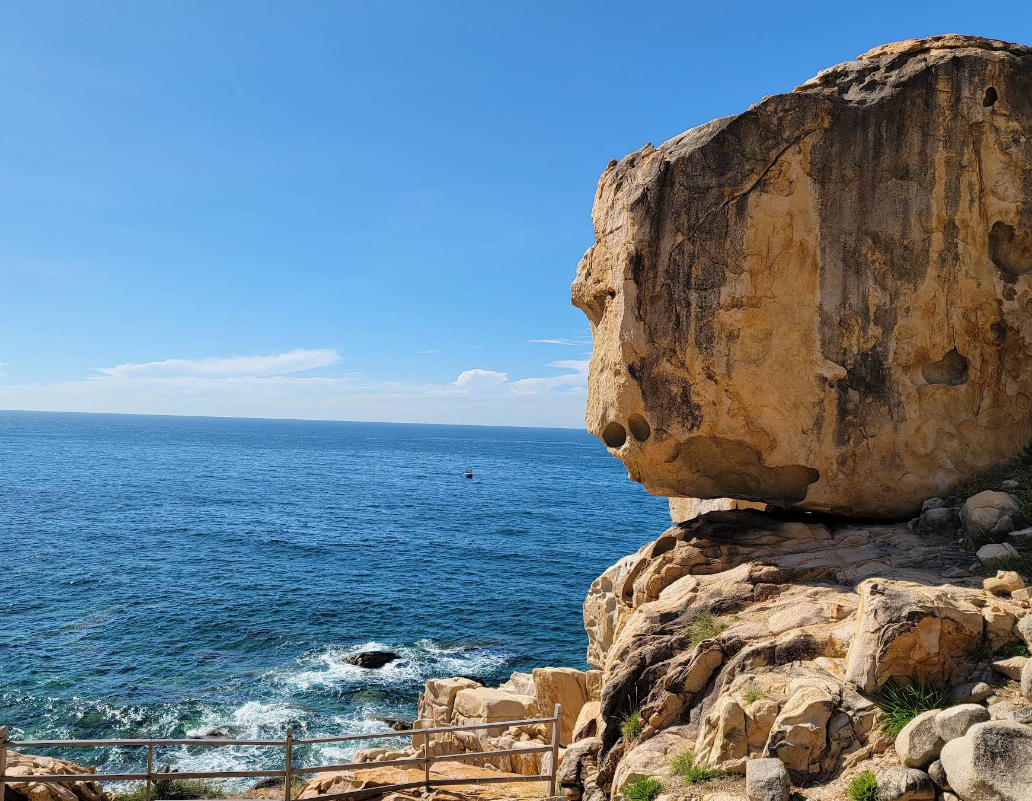
Hang Rai is one of the most outstanding attractions within Nui Chua National Park and a popular stop for visitors to Ninh Thuan. It is especially striking for its ancient fossilized coral reef, formed millions of years ago and stretching along the coastline. The rugged, layered rock surface feels almost otherworldly, as if you were walking on another planet.
The most distinctive feature of Hang Rai is the phenomenon of waves cascading over rocky ledges and spilling down to lower rock shelves, creating the appearance of a “waterfall on the sea.” At sunrise, when angled light hits the green moss covering the rocks, the entire surface glows with dramatic color. Late afternoon is also a beautiful time to visit, when the sun softens and you can more easily capture the wave-cascading effect.
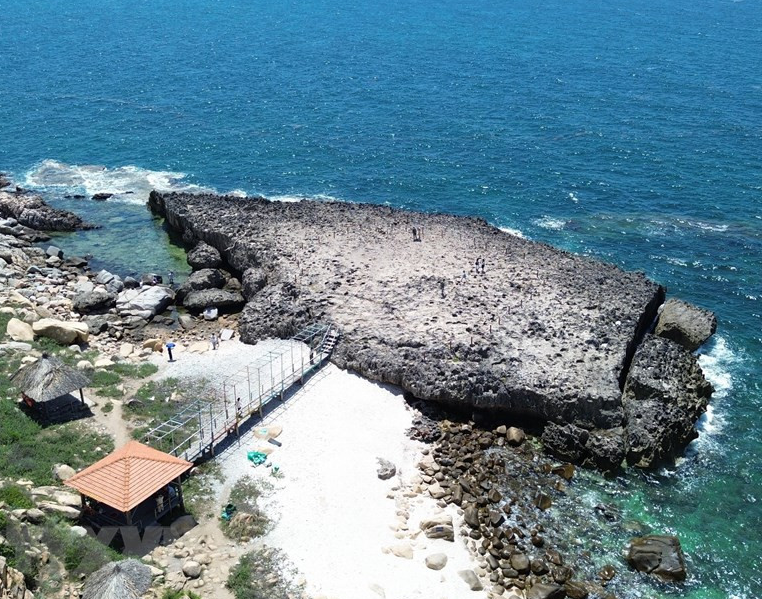
For more detailed information about Hang Rai Cave, visit ExoTrails.
Entrance fees currently range from 20,000 to 50,000 VND per adult depending on the period, while children’s tickets are around 10,000 VND. Parking and electric cart services inside the area require separate fees. Because the rocks absorb heat quickly and the sun can be intense, visitors should avoid midday visits during summer to prevent burns and dehydration.
Da Vach Lake – Bai Thung Beach Trekking Route
If Hang Rai Cave is ideal for sightseeing and photography, the Da Vach Lake – Bai Thung Beach trekking route is for those who want to truly immerse themselves in Nui Chua’s ecosystem.
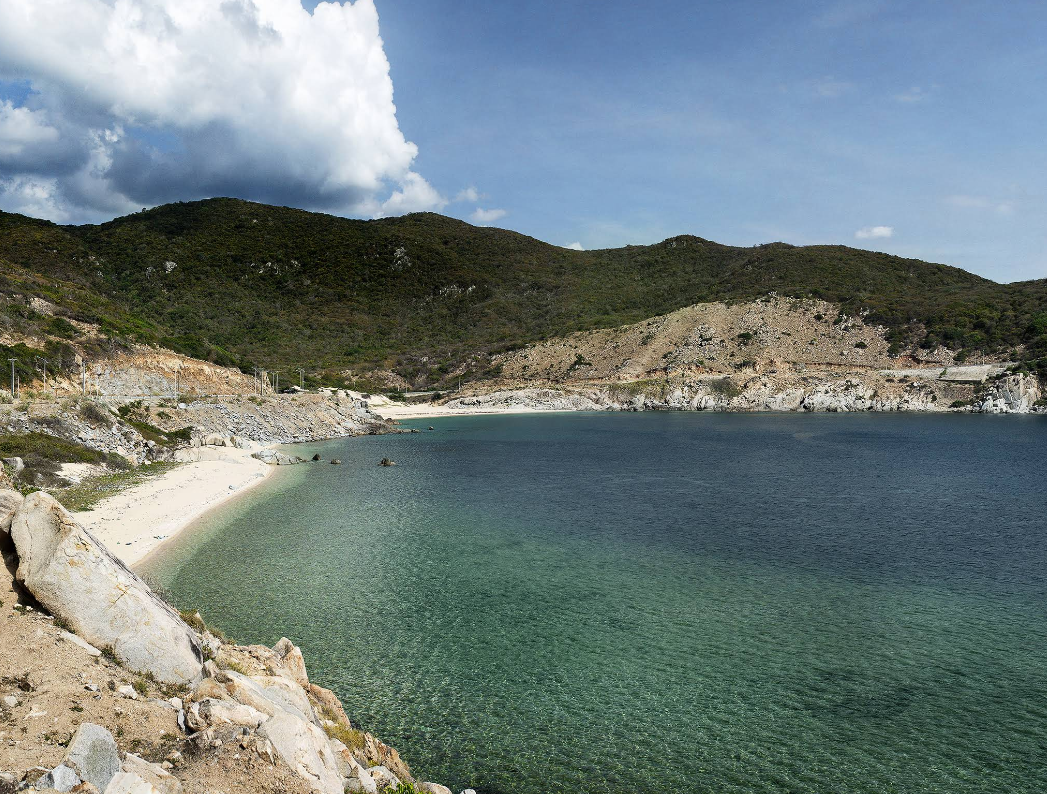
For detailed information and navigation of the Da Vach Lake – Bai Thung Beach trekking route, visit ExoTrails.
The route stretches approximately 10 km and typically takes 5 to 7 hours to complete, depending on fitness level and weather conditions. It is rated moderate to moderately challenging, suitable for a day trek or combined with permitted beach camping.
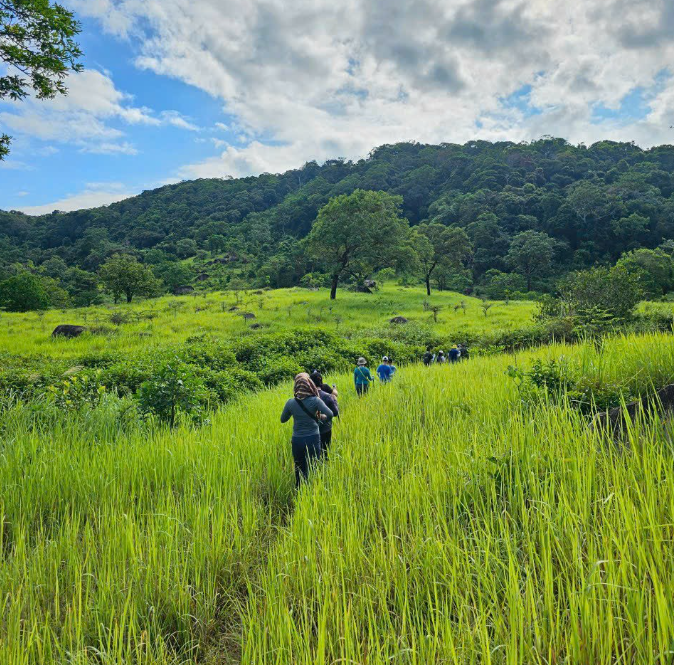
What makes this route compelling is its clearly defined landscape transition. You begin in Nui Chua’s characteristic dry forest, crossing large rock sections and slopes, then unexpectedly reach Ho Da Vach (also known as Ao Ho) — a rare freshwater lake within a coastal dry forest ecosystem. From there, the trail opens toward majestic granite cliffs before ending at Bai Thung, a pristine stretch of blue sea. The entire journey reflects the spirit of “golden forest – silver sea,” both demanding and richly rewarding.
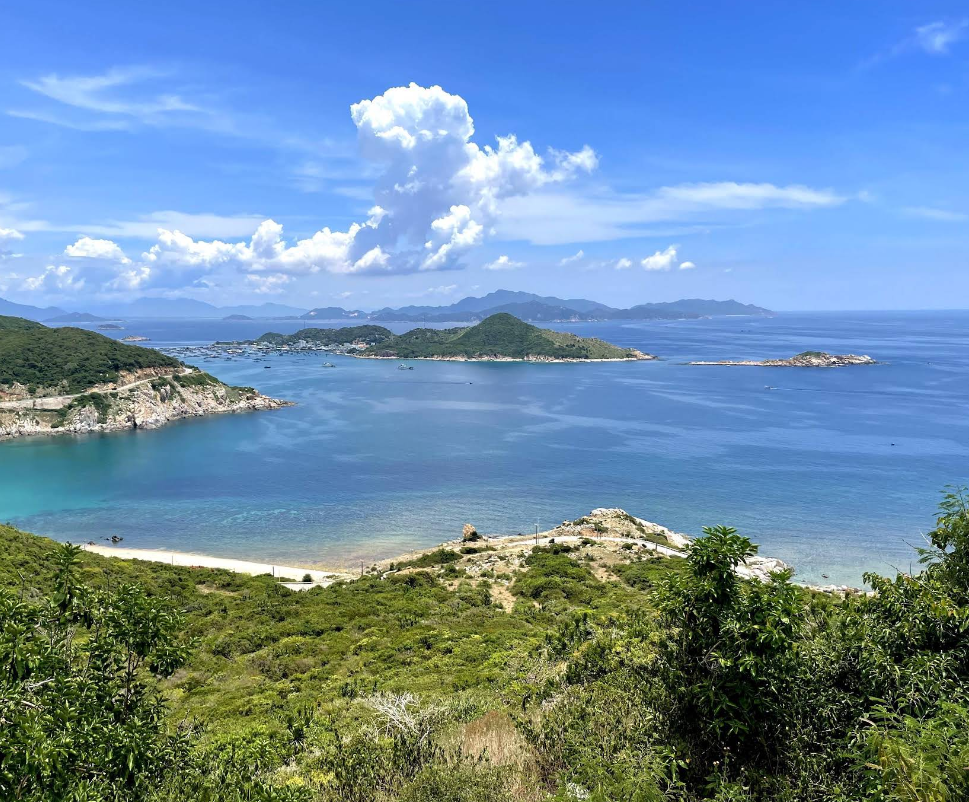
Since there are no safe water refill points along the route, each person should carry at least 2.5 to 3 liters of water, along with quick energy snacks such as chocolate, energy bars, or dried fruit. Electrolytes are highly recommended, as coastal heat can cause rapid dehydration.
The terrain features large rocks, slopes, and exposed sections under direct sun. During the rainy season, rocks become significantly more slippery, increasing the risk of falls. Those unfamiliar with the terrain should not trek alone. Downloading the trail map on the ExoTrails app before entering the forest is essential, as many sections have no mobile signal.
What to prepare before exploring Nui Chua National Park
Tracklogs and route descriptions in Nui Chua National Park are for reference only, as real conditions may vary depending on season, weather, and individual fitness levels. Visitors are encouraged to trek with local guides or reputable trekking operators, especially if they lack experience with rocky forest terrain.
Nui Chua National Park is not a gentle resort destination but a relatively harsh natural environment. First and foremost, equip yourself with the ExoTrails navigation and trail app to make your journey both enjoyable and safe.
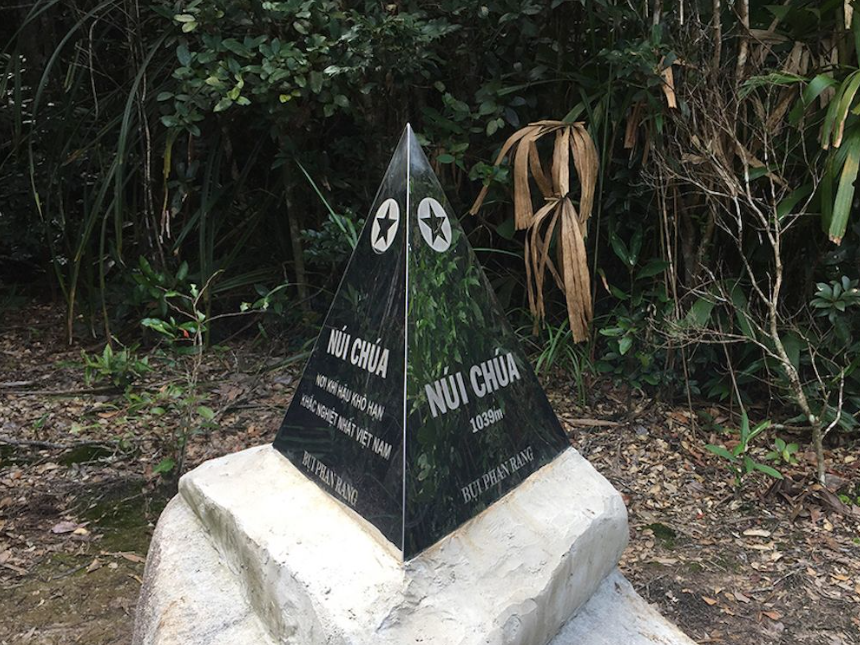
Good-grip trekking shoes, a hat, and sun-protective clothing are nearly mandatory. Water must be carefully prepared, and you should bring your own trash bag, as there are no trash bins along the forest routes.
The “Leave No Trace” principle should be strictly followed to protect both the dry forest ecosystem and the coastal environment.
Safety Notes
Tracklogs and route descriptions in Nui Chua National Park are for reference only, as real conditions may vary depending on season, weather, and individual fitness levels. Visitors are encouraged to trek with local guides or reputable trekking operators, especially if they lack experience with rocky forest terrain.
Preparing adequate physical fitness, respecting nature, and understanding your own limits will help ensure a safe and fulfilling journey in Nui Chua National Park.
Klook.com