


There’s a certain magic in the air of Vietnam’s Central Highlands — a blend of roasted coffee, red soil, and cool mist that clings to the mountains of Dak Lak and Lam Dong. Here, mornings are slow, filled with the sound of gongs and birds, and afternoons drift between sunlight and the hum of coffee mills. For travelers seeking a side of Vietnam that’s soulful and grounded, this region offers something far deeper than scenic views — it’s an encounter with the people, traditions, and landscapes that define the spirit of the Vietnamese highlands, all centered around the Buon Ma Thuot coffee culture.
Read more interesting posts here:
- Coffee, Clay & Craters: The Ultimate Buon Ma Thuot Coffee Tour Guide
- The Sleepy Trails: Discovering the Best Vietnam Hammock Cafes for Ultimate Relaxation
- Slow Train to Adventure: Experiencing Vietnam on the Iconic Vietnam Reunification Express
Where Coffee Tells a Story: The Heart of Buon Ma Thuot Coffee Culture
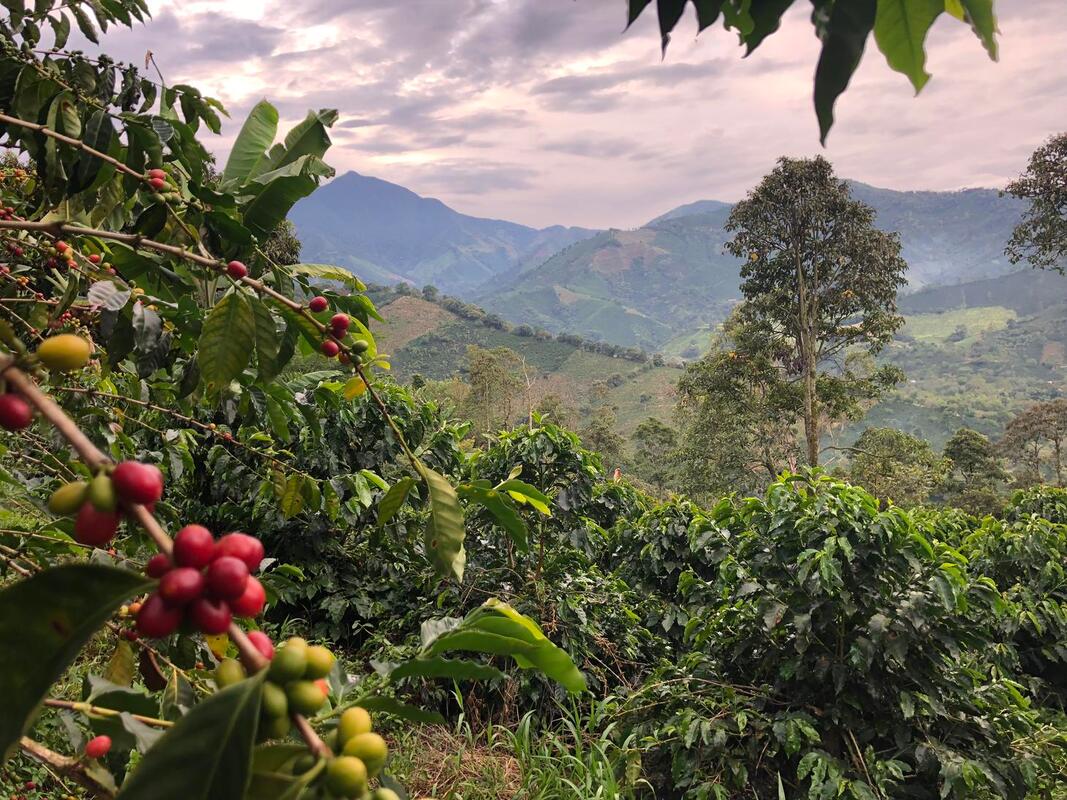
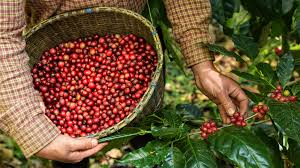
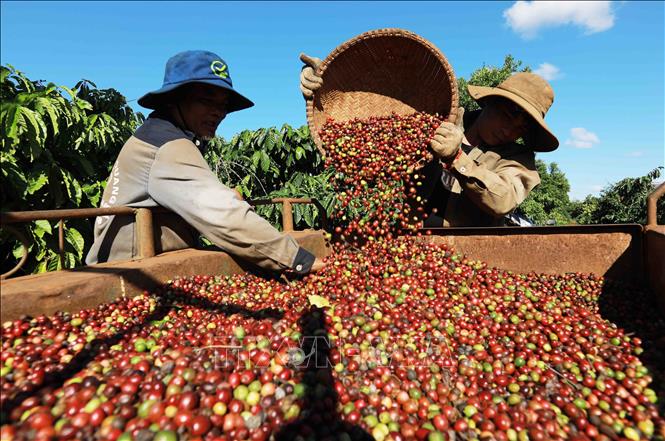
Coffee isn’t just a drink here; it’s a way of life. Dak Lak is the beating heart of the Buon Ma Thuot coffee culture, where rolling plantations stretch for miles and every cup carries a story of hard work and heritage. Many of these farms are family-run, passed down through generations of Ede, M’nong, and Jarai communities who have cultivated coffee for decades. Their harvests aren’t about mass production — they’re about preservation. Visitors who stay at local homestays or eco-lodges often find themselves helping to pick cherries or learning how traditional roasting methods differ from the commercial blends found in the cities.
Sipping coffee on a bamboo deck overlooking Lak Lake, you understand why the locals call it the “drink of the earth.” Every aroma carries the essence of the soil, the rain, and the resilience of the people who grow it.
Tradition in Every Step: Beyond the Buon Ma Thuot Coffee Culture
Beyond coffee, the Central Highlands are alive with heritage shaped by the Buon Ma Thuot coffee culture. In Buon Ma Thuot, longhouses made of timber and woven bamboo line the riverbanks, while gongs echo across the valleys during traditional festivals. In nearby Kon Tum, travelers can hike through villages where ancient wooden churches stand beside rice barns — a reflection of Vietnam’s layered cultural history.
Many of these trails are now being mapped and featured on ExoTrails, connecting explorers with local guides who understand both the terrain and the traditions that shape it. Trekking here isn’t just about scenery; it’s about connection. Each path leads to stories of ancestors, spiritual practices, and the deep respect the highland communities have for nature.
Hospitality Rooted in the Land
What makes the Central Highlands special isn’t just what you see, but how you’re welcomed. Local families open their homes to travelers, sharing not only meals but memories — from learning how to weave baskets to tasting home-brewed rice wine by the fire.
This human warmth is what inspired the STAY category on ExoTrails, which curates authentic eco-lodges, farmstays, and homestays where visitors can experience real community living. It’s a model that supports local livelihoods while preserving the authenticity of rural life.
The Future of Sustainable Exploration

As Vietnam’s tourism landscape evolves, the Central Highlands stand as a reminder of how development can harmonize with nature and culture. Adventure here means more than conquering peaks — it’s about contributing to a living heritage.
ExoTrails’ partnership with regional guides and cultural collectives is helping promote ethical travel — ensuring that visitors tread lightly, respect local customs, and help sustain the land and people who make these journeys possible.
Because in the end, the Central Highlands aren’t a destination; they’re an experience shaped by the Buon Ma Thuot coffee culture that stays with you. A place where every cup of coffee, every path through the forest, and every shared smile tells the same story — one of resilience, beauty, and belonging.
Conclusion
The Buon Ma Thuot coffee culture is the profound heart of Vietnam's Central Highlands, offering an immersive experience that goes beyond simply tasting the high-caffeine Robusta bean. By engaging with the local Ede and M’nong communities, travelers gain an authentic understanding of the region's resilient traditions, its unique volcanic red soil, and the soulful rhythm that defines the life of a coffee farmer.
Ready to sip the "drink of the earth"? Join our vibrant community on Facebook to share your trekking stories and tips, and don't forget to like the ExoTrails fanpage for the latest updates and exclusive offers!
Frequently Asked Questions (FAQs)
Q: Why is Buon Ma Thuot the capital of Vietnamese coffee culture?
A: It is the largest commercial and cultural hub of the Central Highlands, which is Vietnam's highest-volume coffee-producing region.
Q: What is the primary type of coffee bean associated with Buon Ma Thuot coffee culture?
A: The region is overwhelmingly known for the highly resilient and high-caffeine Robusta bean, which thrives in the local volcanic red soil.
Q: Can I visit an Ede or M'nong longhouse during a coffee tour?
A: Yes, many authentic coffee tours and homestay experiences offer the opportunity to respectfully visit or stay in traditional longhouses and learn about their customs.
Q: What is the traditional coffee preparation method in Buon Ma Thuot coffee culture?
A: Coffee is traditionally brewed through a small, gravity-fed phin filter and often served with sweetened condensed milk over ice (cà phê sữa đá).


