
Table of Contents Show
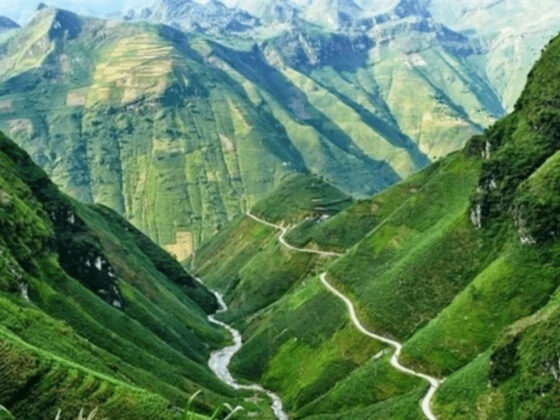
In Vietnam’s volcanic highlands, the land doesn’t just grow crops, it grows character. Long before roads, resorts, and tour maps, fire shaped this land. Deep beneath the red earth of Vietnam’s Central Highlands, volcanoes once roared, carving valleys, creating plateaus, and leaving behind the fertile soil that now sustains millions and gives rise to experiences like the Buon Ma Thuot coffee tour. But what those eruptions truly ignited wasn’t destruction, it was life.
Today, the same volcanic ground that once flowed with magma now gives birth to coffee plants, clay pottery, forest farms, and communities that live in harmony with the land’s ancient pulse. Welcome to the volcanic heart of Vietnam, where every aroma, texture, and tradition carries the memory of fire.
Read more interesting posts here:
- The Sleepy Trails: Discovering the Best Vietnam Hammock Cafes for Ultimate Relaxation
- Exploring the Soul of the Highlands: Discovering the Best Tea Hills Vietnam
- Discovering the Authentic Vietnamese Coffee Culture in the Central Highlands
Coffee Born of Ash and Altitude: The Buon Ma Thuot Coffee Tour Experience
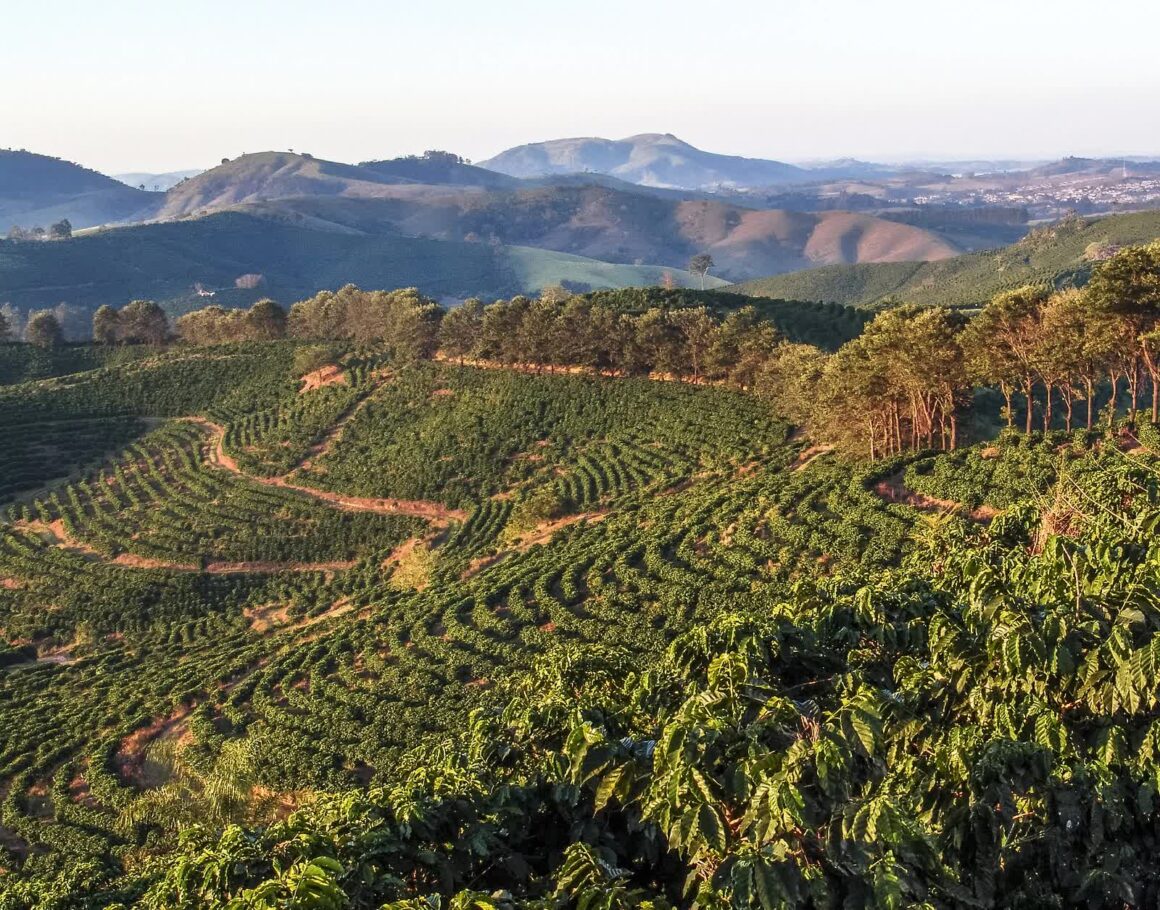
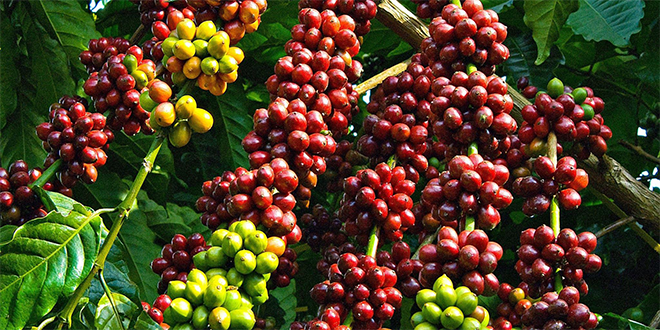
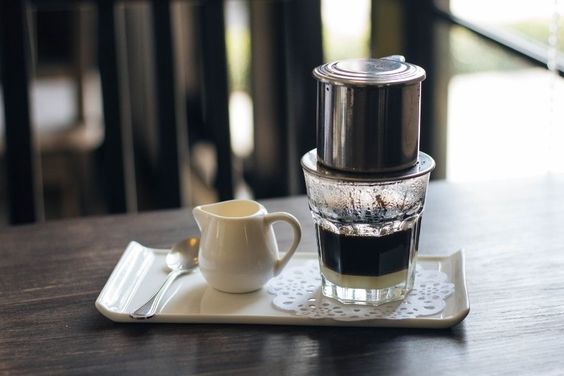
Vietnam is the world’s second-largest coffee producer, and the highlands are its beating heart. Provinces like Dak Lak, Gia Lai, and Lam Dong are carpeted in coffee farms, their rows of trees thriving in mineral-rich soil left by long-extinct volcanoes. In Buon Ma Thuot, the capital of coffee culture and the soul of any Buon Ma Thuot coffee tour, mornings begin with the smell of roasting beans wafting through the streets. Locals sip their cà phê sữa đá slowly, talking about the weather and the harvest. Here, coffee isn’t just an export — it’s identity.
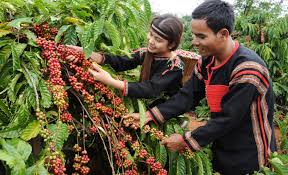
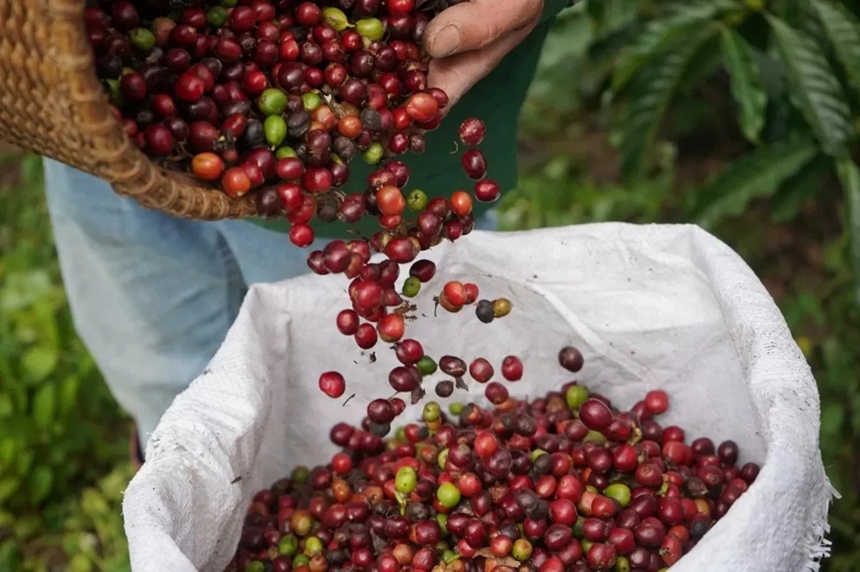
Many farms now open their doors to travelers for immersive stays. Guests can pick, roast, and brew their own coffee, learning how altitude, ash, and rainfall combine to create flavor. Some even hike to nearby craters — like Chu Dang Ya or Bien Ho — where volcanic soil nourishes both forests and farms. To taste highland coffee is to taste the land’s memory — deep, earthy, and alive.
Clay, Craft, and The Hands That Remember Beyond the Buon Ma Thuot Coffee Tour
The highlands’ volcanic legacy isn’t only in its crops — it lives in its crafts. The rich red clay of Ea Kar and Dak Nong is the foundation for a pottery tradition passed down through generations.
In villages around Krong Ana, artisans still shape clay by hand, spinning pots and vases using age-old techniques — moments often woven into a Buon Ma Thuot coffee tour for those who want to feel the soul of the highlands. The process is raw and rhythmic: clay from the riverbed, water from the stream, fire from the earth. Nothing wasted, nothing rushed.
Travelers who visit these villages can join short workshops, shaping their own small piece of the highlands to take home. It’s not just art — it’s dialogue. The land offers, the people create, and the fire transforms.
The People of the Plateaus: Cultural Immersion on Your Buon Ma Thuot Coffee Tour
Travel farther north to Kon Tum, and you’ll find the Bahnar and Jarai people — communities who have lived here for centuries. Often discovered as an extension of a Buon Ma Thuot coffee tour, their world opens slowly, revealing traditions shaped by time. Their rong houses, tall and steeply thatched, rise like volcanoes themselves — symbols of unity and resilience.
Life moves gently here. Mornings hum with the sound of gongs and cicadas, evenings glow with hearth fires and conversation. The people live close to the land — farming, foraging, and crafting — always in rhythm with the seasons.
Visitors are welcome, but respect is key: ask before entering homes or photographing ceremonies. What feels timeless here has survived because locals guard it carefully, not because time forgot it.
Safety, Season & Spirit
The volcanic highlands are open year-round, but November to April offers the clearest skies and best travel conditions. During the rainy season, trails near crater lakes and waterfalls can flood, so always check local conditions or use ExoTrails verified route updates before exploring.
Wear good traction shoes, carry light waterproof layers, and if you travel by motorbike, beware of slick red soil after storms — it’s as slippery as clay. Adventure here is safe when you respect its pace — and those who know it best, especially guides who shape meaningful experiences like a Buon Ma Thuot coffee tour.
Fire That Never Went Out
The volcanic highlands aren’t a place you simply visit — they’re a place that grounds you. Every sip of coffee, every piece of clay, every song by a village fire carries the story of transformation, of fire becoming soil, of soil becoming life. Experiences like a Buon Ma Thuot coffee tour reveal this rhythm slowly, inviting you to feel rather than just see. This is Vietnam’s quiet masterpiece, not dramatic like Ha Long or famous like Sapa, but steady, generous, and deeply human. Because here, beneath the green canopy and red earth, the fire still burns — not in the ground, but in the spirit of those who call it home.
Conclusion
A Buon Ma Thuot coffee tour offers much more than a simple plantation visit; it is a deep cultural immersion into the Central Highlands’ resilient soul. By exploring the volcanic-rich soil, engaging with the local Jarai and Bahnar communities, and participating in the seed-to-cup process, travelers gain an authentic understanding of how coffee has profoundly shaped the region’s identity, traditions, and economy.
Ready to taste the land’s memory? Join our vibrant community on Facebook to share your trekking stories and tips, and don’t forget to like the ExoTrails fanpage for the latest updates and exclusive offers!
Frequently Asked Questions (FAQs)
Q: Why is Buon Ma Thuot considered the capital of Vietnamese coffee?
A: Buon Ma Thuot is the epicenter of the Central Highlands coffee region, known for producing the highest volume and quality of Vietnam’s Robusta beans.
Q: What is unique about the coffee grown for a Buon Ma Thuot coffee tour?
A: The coffee is grown in the region’s unique đất đỏ bazan (basalt red soil), which is a mineral-rich, fertile remnant of ancient volcanic activity.
Q: Can I participate in coffee harvesting on a Buon Ma Thuot coffee tour?
A: Yes, many farms offer immersive, hands-on experiences where visitors can participate in the picking, roasting, and traditional phin brewing process.
Q: What is the best time of year to take a Buon Ma Thuot coffee tour?
A: The ideal time is during the dry season (November to April) for clear skies and the best road conditions, though the actual harvest season varies slightly.
Klook.com