
Table of Contents Show
The Annamite Range, a spectacular mountain range stretching along the border between Vietnam and Laos, stands as one of Southeast Asia’s most remarkable ecological and cultural treasures. This region, rich in natural beauty and biodiversity, has drawn the attention of scientists, conservationists, and travelers alike, yet it faces significant threats that underscore the urgency of conservation efforts within the Vietnam Laos border mountains.
Read more interesting posts here:
- Hidden Hanoi: Uncovering the Best Non-Touristy Things to Do in Hanoi
- The Ritual of the Grind: Unpacking the Vibrant Vietnam Cafe Culture and Slow Living
- The Mekong’s Final Breath: Life at the Edge of the Mekong Delta Mangroves
Geography and Natural Features of the Vietnam Laos Border Mountains
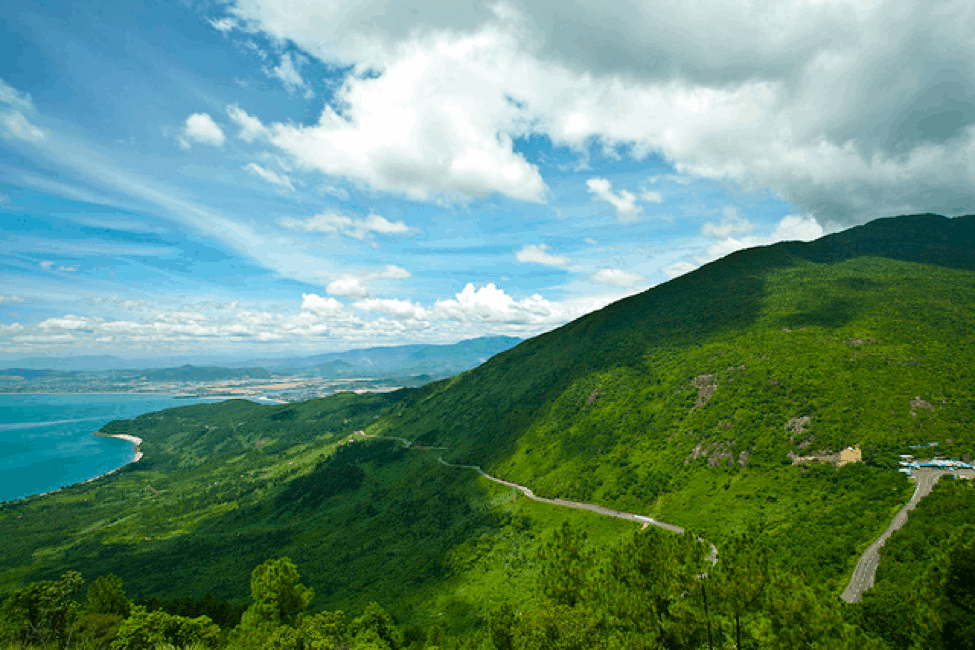
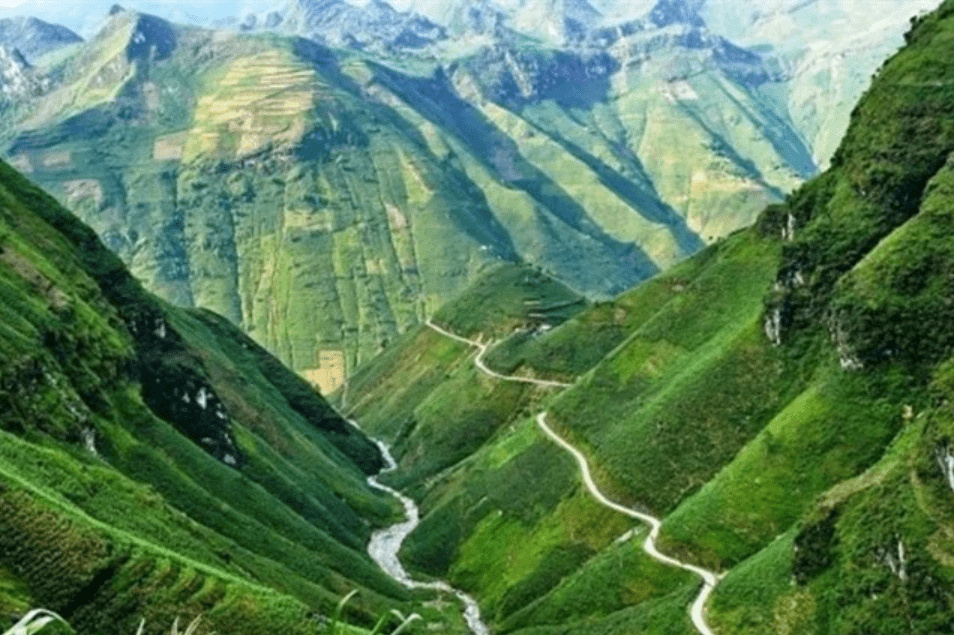
The Annamite Range runs parallel to Vietnam’s coastline, extending over 1,000 kilometers. Its dramatic landscape features rugged ridges, deep valleys, and lush forests, creating a diverse habitat for flora and fauna. The area is characterized by a tropical climate with heavy monsoon rains, fostering a vibrant ecosystem that is both unique and delicate.
Biodiversity Hotspot in the Vietnam Laos Border Mountains
One of the most striking features of the Annamite Range is its extraordinary biodiversity. It is recognized as a biodiversity hotspot, home to numerous endemic species that cannot be found anywhere else on Earth. The dense forests of the Annamites provide critical habitats for a variety of wildlife, including the critically endangered Southern White-cheeked Gibbon and other rare mammal species.
In addition to mammals, the area supports a stunning diversity of plant life, many of which have medicinal properties and play essential roles in local ecosystems. From towering trees to colorful orchids, the Vietnam Laos border mountains boast a rich tapestry of biodiversity that is integral to the region’s ecological balance.
Cultural Significance of the Vietnam Laos Border Mountains

Beyond its ecological importance, the Annamite Range is a cultural hub, inhabited by various ethnic groups such as the Hmong, Dao, and Kinh. These communities possess rich traditions and livelihoods that are intricately linked to the land. Agriculture, particularly rice farming and herbal medicine, plays a central role in their way of life.
The cultural heritage is reflected in the local festivals, traditional music, and artisanal crafts that honor the unique relationship between the people and their environment. This blend of culture and nature makes the Annamite Range not just a place of remarkable natural beauty but also a living canvas of human history and tradition.
Conservation Challenges
While the Annamite Range is celebrated for its beauty and biodiversity, it faces substantial threats. Deforestation, driven by agricultural expansion, logging, and infrastructure development, poses a significant risk to the delicate ecosystems. Additionally, mining activities have led to habitat destruction and pollution, further endangering the unique wildlife of the region.
The pressures of climate change add another layer of complexity, with increased flooding and drought threatening traditional agricultural practices and the overall health of the ecosystem. Conservationists are urgently calling for integrated approaches that balance development with environmental protection to ensure the sustainability of this precious area.
The Path Forward
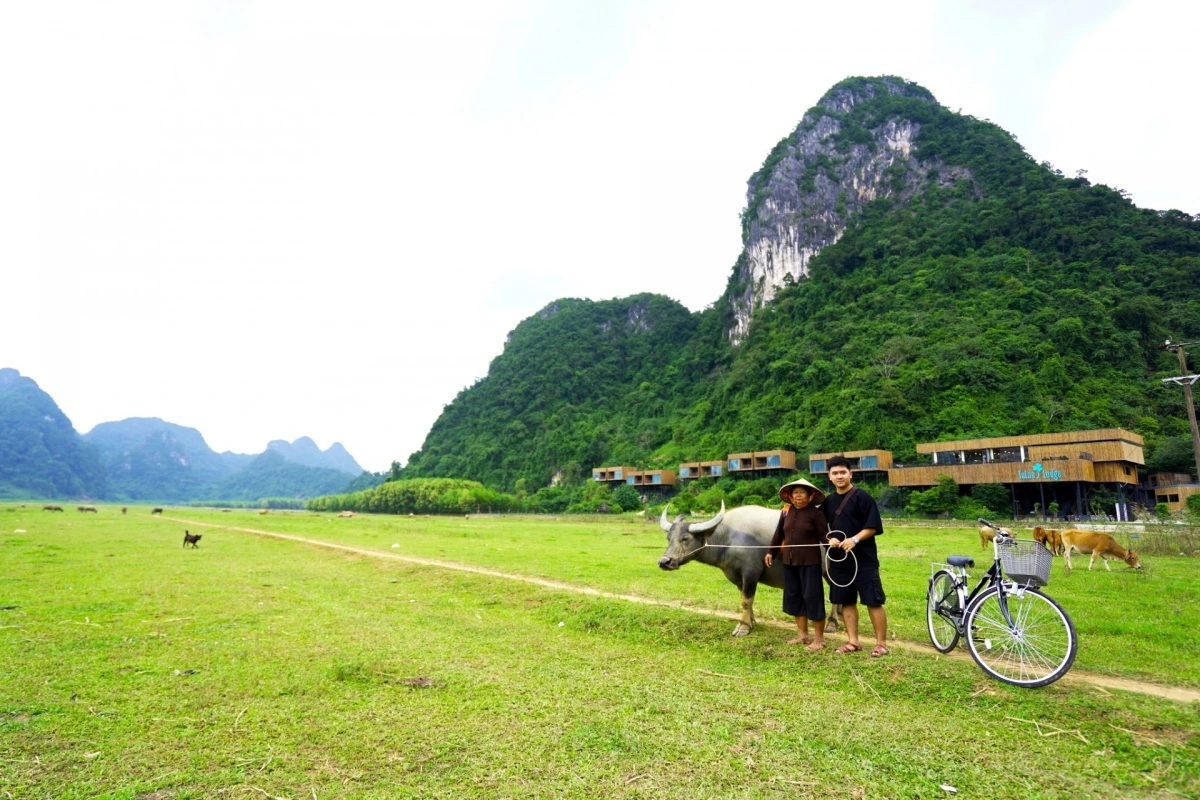
To safeguard the Annamite Range for future generations, collaborative efforts involving local communities, government authorities, and international organizations are essential. Initiatives focused on sustainable agricultural practices, community-based tourism, and conservation education can empower local people to become stewards of their environment.
Ecotourism presents a viable opportunity for economic growth while promoting conservation. By attracting visitors who appreciate the unique beauty and cultural heritage of the Annamites, local communities can find alternative livelihoods that reduce reliance on destructive practices.
Conclusion
The Annamite Range is more than just a geographical landmark; it is a vibrant ecosystem and a cultural haven that deserves protection. As we navigate the challenges of environmental degradation and climate change, the need for concerted conservation efforts has never been more urgent. By recognizing the intrinsic value of this remarkable region, we can help preserve its natural and cultural heritage for generations to come.
Want to support the conservation of this vital region? Join our vibrant community on Facebook to share your trekking stories and tips, and don’t forget to like the ExoTrails fanpage for the latest updates and exclusive offers!
Frequently Asked Questions (FAQs)
Q: What is the Annamite Range known for?
A: It is known as a major biodiversity hotspot, famous for its rugged geography and numerous endemic species found only in these Vietnam Laos border mountains.
Q: Which provinces in Vietnam border the Annamite Range?
A: Several provinces, including Quảng Nam, Thừa Thiên Huế, and Nghệ An, have territories that extend into the Annamite Range along the border with Laos.
Q: What is the biggest threat to the biodiversity in the Vietnam Laos border mountains?
A: The most significant threat is deforestation and habitat loss caused by agricultural expansion, logging, and infrastructure development.
Q: Which ethnic groups live in the Annamite Range?
A: Various ethnic minority groups, such as the Hmong, Dao, and numerous Mon-Khmer speaking groups, inhabit the different elevations of the mountain range.
Klook.com