
Table of Contents Show
Few places in the world offer the breathtaking opportunity to traverse from tropical palms to pine forests, desert landscapes, and cloud-soaked peaks all within a single country and often in just a matter of days. Vietnam is not only rich in culture and history; it is also a remarkable living museum of Vietnam climate zones and ecosystems that captivates travelers with its stunning variety.
Read more interesting posts here:
- Where Jungle Meets Sea: The Ultimate Guide to Coastal Trekking Vietnam
- Exploring the Mysterious Vietnam Tepui Plateaus: A Journey to Nature’s Sky Islands
- Embrace the Monsoon: A Guide to Vietnam Rainy Season Travel and Adventure
Discovering tropical wonders within the southern Vietnam climate zones
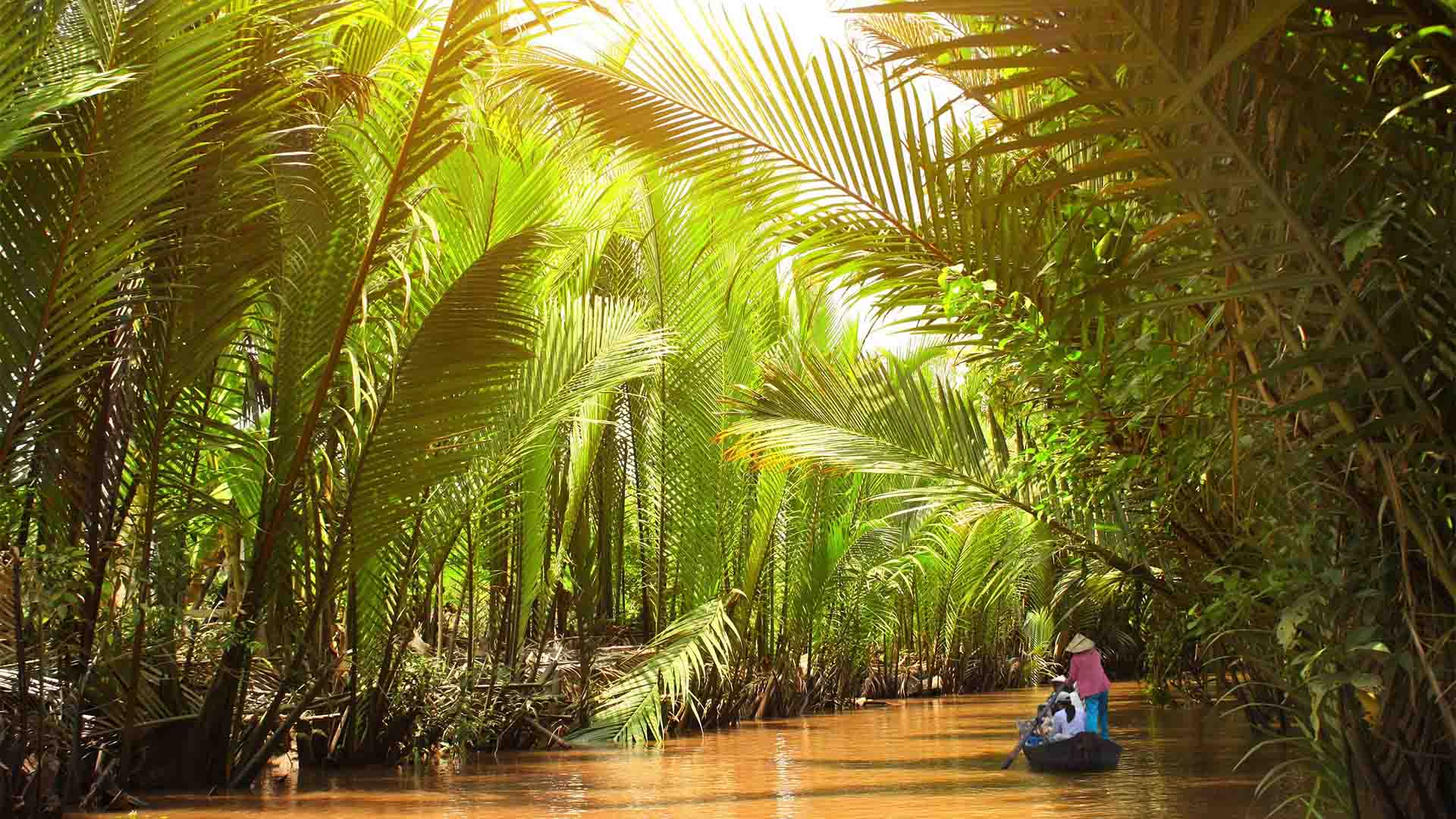
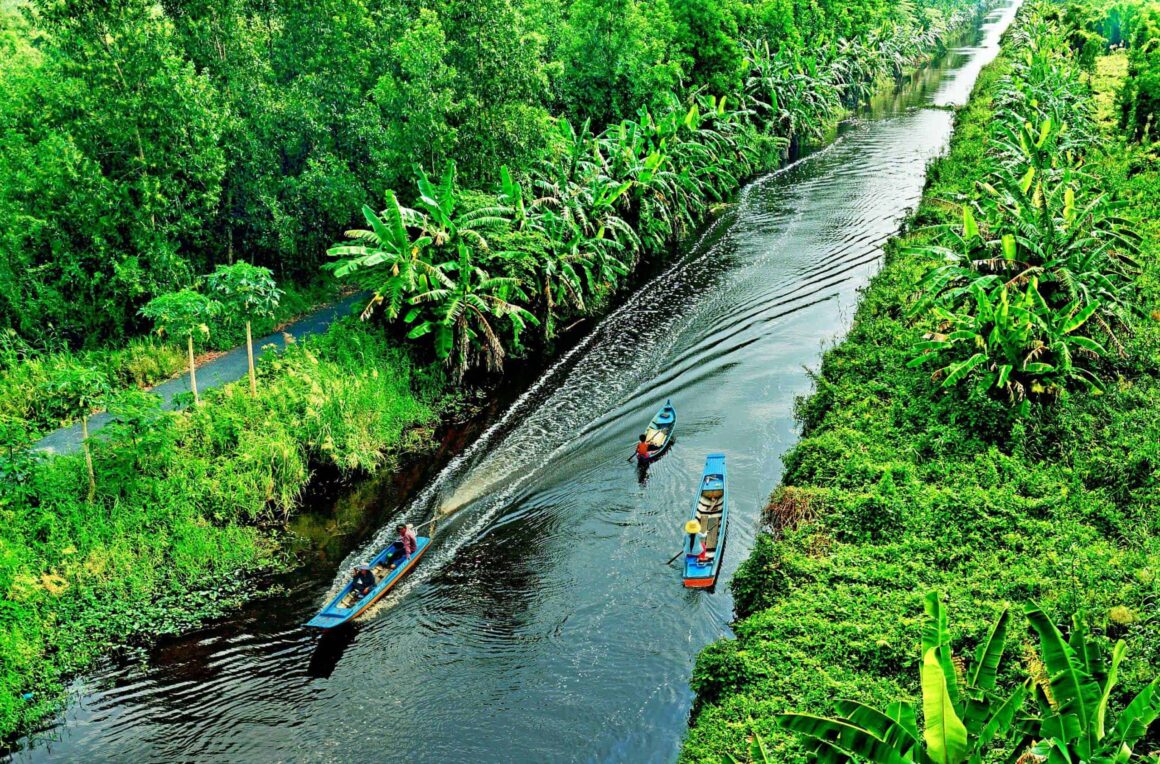
Beginning your adventure in the south, the lush landscapes of the Mekong Delta welcome you with open arms. This vibrant region is a prime example of the humid tropical Vietnam climate zones, characterized by an extensive network of rivers, swamps, and islands teeming with wildlife and rich agricultural life. Here, tropical palm trees sway in warm breezes as you glide down the river on a traditional longboat, sampling the region’s famous fruit like ripe mangoes and juicy dragon fruit.
Beyond the waterways, the coastal city of Ho Chi Minh City, bustling with life and energy, provides a perfect starting point for excursions to nearby beaches such as Vung Tau or the picturesque islands of Phu Quoc. The stunning vistas and warm tropical climate foster a sense of laid-back relaxation before you journey northward.
The transition to high-land pine forests
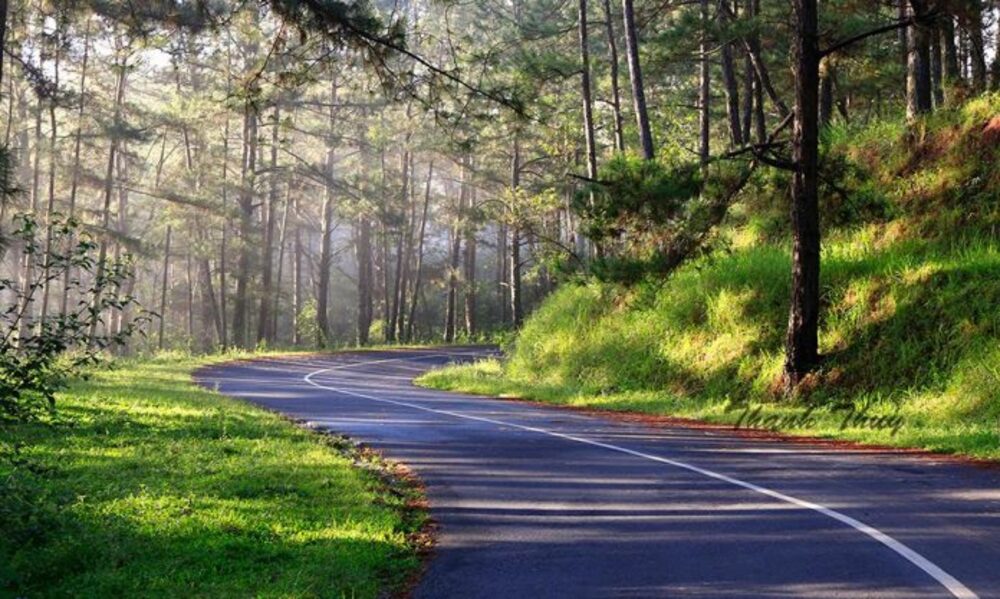
As you head north, a dramatic transition occurs. The vibrant green of palm trees gives way to rugged highlands adorned with towering pine trees. A popular route for travelers is the ascent to Da Lat, a charming city known for its temperate weather, which stands in stark contrast to the surrounding Vietnam climate zones. Nestled at an altitude of 1,500 meters, Da Lat is often referred to as the “City of Eternal Spring.” Here, you can bask in the cool mountain air and explore unique architecture that reflects French colonial influence.
While in Da Lat, consider taking a day to trek through the surrounding forests, where you can discover waterfalls, enjoy exhilarating mountain biking trails, and visit local coffee farms known for their rich, aromatic brews. The contrast between the warmer lowland temperatures and the cool breezes of the mountains creates a refreshing adventure for any traveler.
Navigating the unique arid Vietnam climate zones in Ninh Thuan
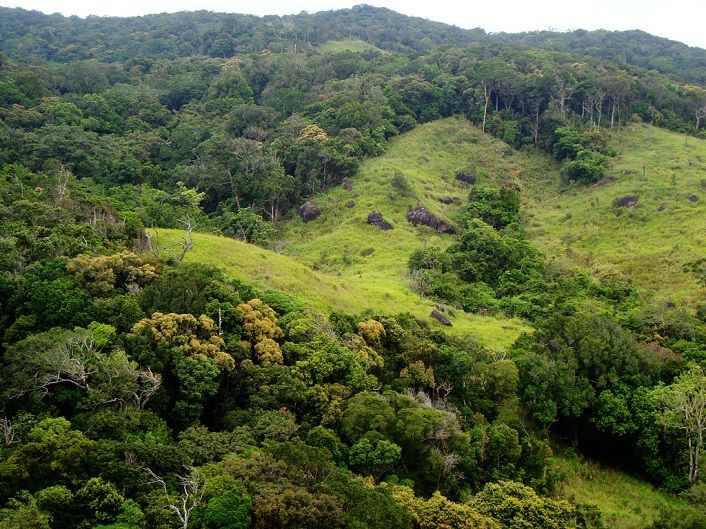
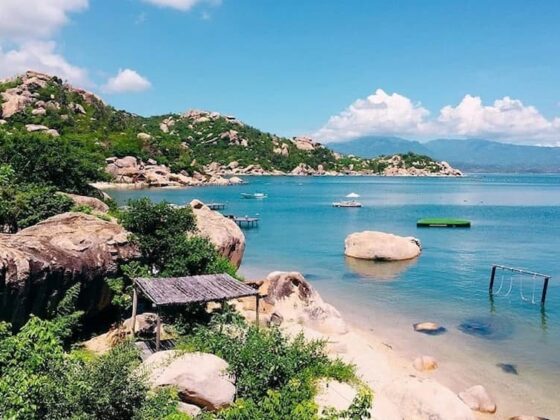
Continuing your journey, you’ll find the semi-arid landscapes of Ninh Thuận Province. Here, shifting from lushness to desert is nothing short of astonishing. The captivating sand dunes near Mui Ne glimmer under the bright sun, offering exhilarating opportunities for sandboarding and photography. The juxtaposition of rich dunes against the backdrop of the azure ocean paints a surreal picture, making it one of Vietnam’s most photogenic destinations.
In contrast to the highland pine forests, Ninh Thuan embodies a different spirit. It showcases the resilience of its inhabitants who have cultivated a thriving agricultural culture amidst these arid Vietnam climate zones. Travelers can learn about traditional Cham culture while exploring ancient temples and sampling local delicacies like grilled skewers and rice cakes.
Cloud-soaked peaks in the North
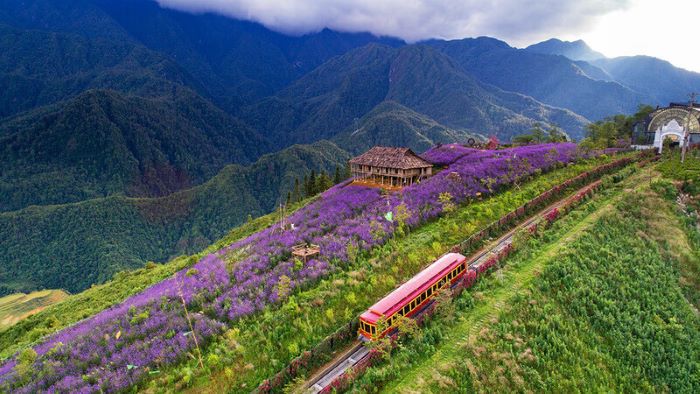
No odyssey through the country would be complete without a visit to the Himalayan-like, cloud-soaked peaks of Sapa in the Northwest. To reach this breathtaking region, travelers often embark on a scenic train ride followed by a winding drive through terraced rice fields. The sub-alpine conditions here represent the coolest of the Vietnam climate zones, offering views that are nothing short of spectacular.
Once in Sapa, you’ll be welcomed by the fresh mountain air and an opportunity to trek among the iconic rice terraces and ethnic minority villages. The highest peak, Fansipan, offers hearty climbers a chance to reach “The Roof of Indochina,” rewarding those who make the ascent with panoramic views that stretch across the valleys and peaks, often shrouded in mist.
Conclusion
Understanding the various Vietnam climate zones is essential for any traveler looking to experience the full spectrum of Southeast Asia’s natural beauty. From the tranquil, sun-drenched waters of the Mekong Delta to the sacred, frost-tipped heights of Sapa, Vietnam offers a kaleidoscope of ecological diversity that few other nations can match.
By respecting these distinct environments and preparing for their unique weather patterns, we can ensure our adventures are both safe and sustainable. Whether you are seeking the heat of the dunes or the chill of the mountains, Vietnam’s dynamic climate remains a living museum waiting to be explored.
Ready to trek through every season in one trip? Join our outdoor community! Follow our Facebook Page and join our ExoTrails Community Group to connect with fellow explorers and stay updated on the latest trails!
FAQs
How many main Vietnam climate zones are there?
Vietnam is generally divided into three main climate regions: the North (four distinct seasons), the Central (transition zone with heavy rainfall), and the South (consistently warm with wet and dry seasons).
When is the best time to visit all Vietnam climate zones in one trip?
The best “bridge” months are typically March, April, October, and November, as these periods offer relatively stable and pleasant weather across the North, Central, and South.
How should I pack for different Vietnam climate zones?
The best strategy is layering; bring lightweight, breathable clothes for the tropical South and a high-quality jacket or fleece for the chilly highland and northern mountain zones.
Does the ExoTrails app provide weather updates for these zones?
Yes, ExoTrails offers real-time data and localized safety updates to help you navigate the changing conditions across different Vietnam climate zones with confidence.
Klook.com