


Table of Contents Show
Shopping at local markets in Vietnam, such as the famous Bến Thành Market, is an integral part of the travel experience. But to truly engage with the vibrant atmosphere and enjoy the thrill of negotiating, it helps to understand the cultural nuances, market etiquette, and even a few numbers in Vietnamese using this bargaining in Vietnam guide. This guide will equip you with the tools to master the art of negotiation while having fun along the way!
Read more interesting posts here:
- Ha Giang Motorbike Loop: Discover the Epic Off-Grid Routes Most Travelers Never Discover
- Vietnam Family Travel Guide 2026: Amazing Places for a Fun Family Escape
- Fish Sauce in Desserts: Unexpected Treats That Will Completely Change Your Mind
The cultural approach to negotiation in our bargaining in Vietnam guide

Negotiating in Vietnam is not just about getting the best price; it’s a social interaction filled with laughter and personality. Here are some key aspects to keep in mind from this bargaining in Vietnam guide:
1. Establish a Friendly Rapport
- Smile and Greet: Start with a warm smile and a friendly greeting such as “Xin chào” (Hello). Building a rapport can make the seller more willing to negotiate.
- Use Humor: Light-hearted banter is often appreciated. A little humor can break the ice and create a positive atmosphere.
2. Understand the Pricing Dynamics
- Inflated Prices: Vendors often quote higher prices initially, anticipating that buyers will negotiate down. This is a standard practice outlined in any good bargaining in Vietnam guide, so don’t hesitate to counter their offers.
- Set Your Budget: Before you start negotiating, determine how much you’re willing to spend. This will help you stay focused and not get carried away.
3. Show Interest in the Product
- Ask Questions: Express curiosity about the items, asking about their origin or usage. This engages the seller and shows you’re genuinely interested, which can lead to better prices.
Numbers in Vietnamese: Essential for negotiation in this bargaining in Vietnam guide
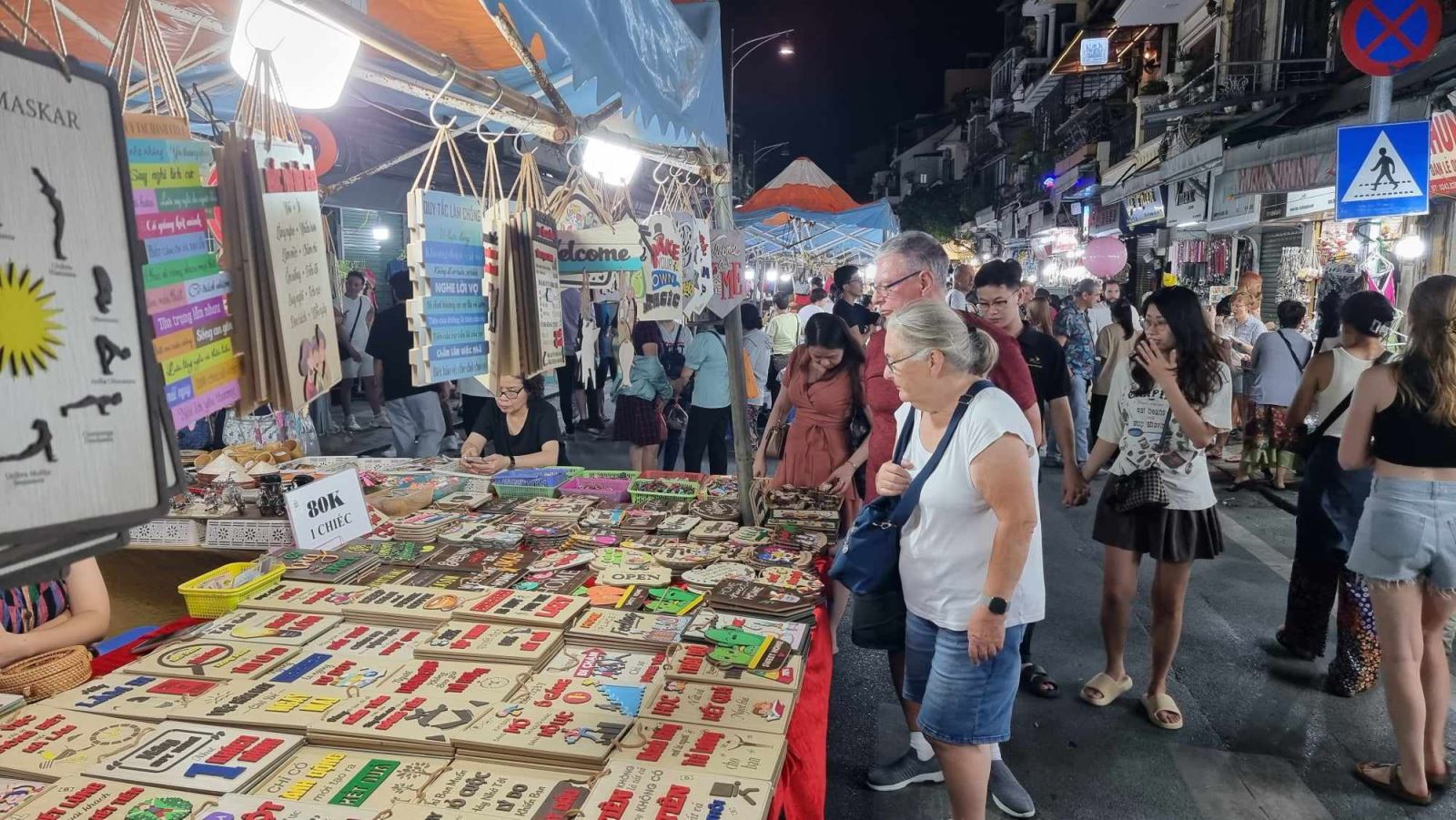
Familiarizing yourself with basic numbers in Vietnamese can significantly enhance your negotiating power, a key element of this bargaining in Vietnam guide. Here are some key terms:
1 – Một
2 – Hai
3 – Ba
4 – Bốn
5 – Năm
6 – Sáu
7 – Bảy
8 – Tám
9 – Chín
10 – Mười
- Example Phrases:
“Cái này bao nhiêu?” (How much is this?)
“Giá cao quá!” (Too expensive!)
“Tôi muốn trả [number] ngàn.” (I want to pay [number] thousand.)
Using these phrases from your bargaining in Vietnam guide not only shows that you’re making an effort but also helps in negotiating more effectively.
The playful back-and-forth
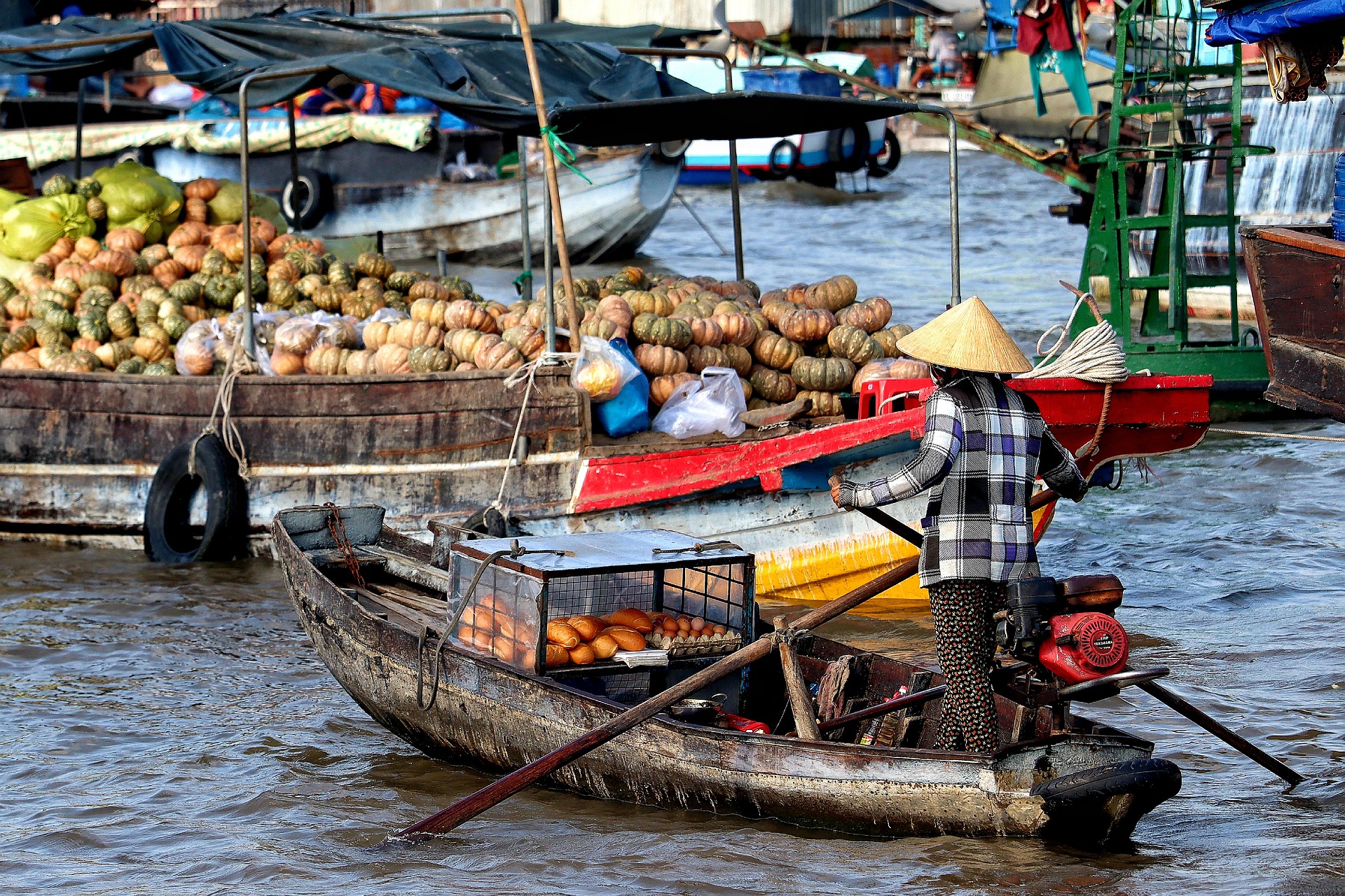
The negotiation process at markets like Bến Thành is often lively and playful. Here’s how to navigate this aspect:
- Be Prepared for Counteroffers: Sellers will likely counter your initial offer. This is part of the game! Keep a sense of humor and be prepared to go back and forth a few times, just as this bargaining in Vietnam guide suggests.
- Use Body Language and Facial Expressions: Show playful disbelief at high prices with exaggerated facial expressions. This can encourage laughter and make the vendor more amenable to lowering the price.
- Know When to Walk Away: If negotiations stall, feel free to start walking away. This can often prompt sellers to call you back with a better offer, as they don’t want to lose a potential sale.
Conclusion
Mastering the art of negotiation is an incredibly fun and essential part of your Southeast Asian adventure. By utilizing the practical language tips and cultural etiquette outlined in this bargaining in Vietnam guide, you can confidently navigate bustling local markets while securing authentic souvenirs at fair prices. Always approach vendors with a warm smile, remember that haggling is a friendly social exchange, and walk away with great bargains and even better memories.
Ready to share your market triumphs and connect with fellow budget travelers? Follow our Facebook Page and join our ExoTrails Community Group to connect with fellow explorers and stay updated on the latest trails!
FAQs
Is it considered rude to use a bargaining in Vietnam guide at street food stalls?
Yes, haggling for a 50-cent bowl of street food is generally considered rude. You should save your negotiation skills exclusively for tourist markets, souvenir shops, and unmetered taxis where prices are highly inflated for foreigners.
How much should I initially counteroffer when shopping at Ben Thanh Market?
A good rule of thumb is to start your counteroffer at roughly 40% to 50% of the vendor’s initial asking price. From there, you can playfully negotiate back and forth until you both agree on a fair, middle-ground price.
Do market vendors accept credit cards, or do I need cash to bargain?
Cash is absolutely king when negotiating at traditional local markets. Always carry plenty of small-denomination Vietnamese Dong (VND) notes, as vendors are much more likely to accept a lower price if you can pay in exact change immediately.
Klook.com