
Table of Contents Show
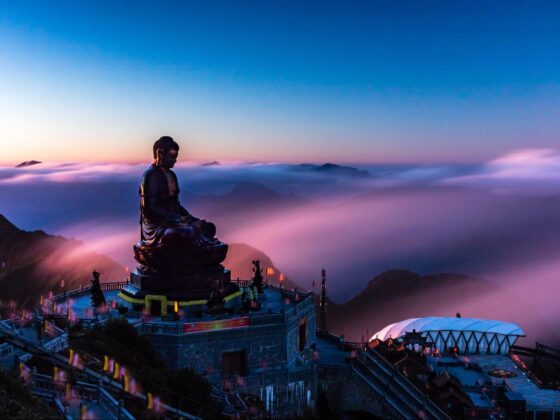
There’s a hush that only the mountains of Vietnam can hold — a quiet that stretches between mist-covered valleys and whispers through pine forests. Far from the well-trodden paths of Sapa or Da Lat, lie the silent peaks — remote highland trails where the air feels ancient, the land feels alive, and the sense of discovery is deeply personal. For the best experiences, consider Central Highlands Vietnam trekking.
Read more interesting posts here:
- Inside BaseCamp: Vietnam’s Premier Social Platform for Hikers
- Trail Stories: How the Vietnam Hiking Community Is Redefining Adventure
- Tradition on the Trail: The Classic Vietnam Hiking Gear Hikers Still Swear By
The forgotten highlands and central highlands Vietnam trekking
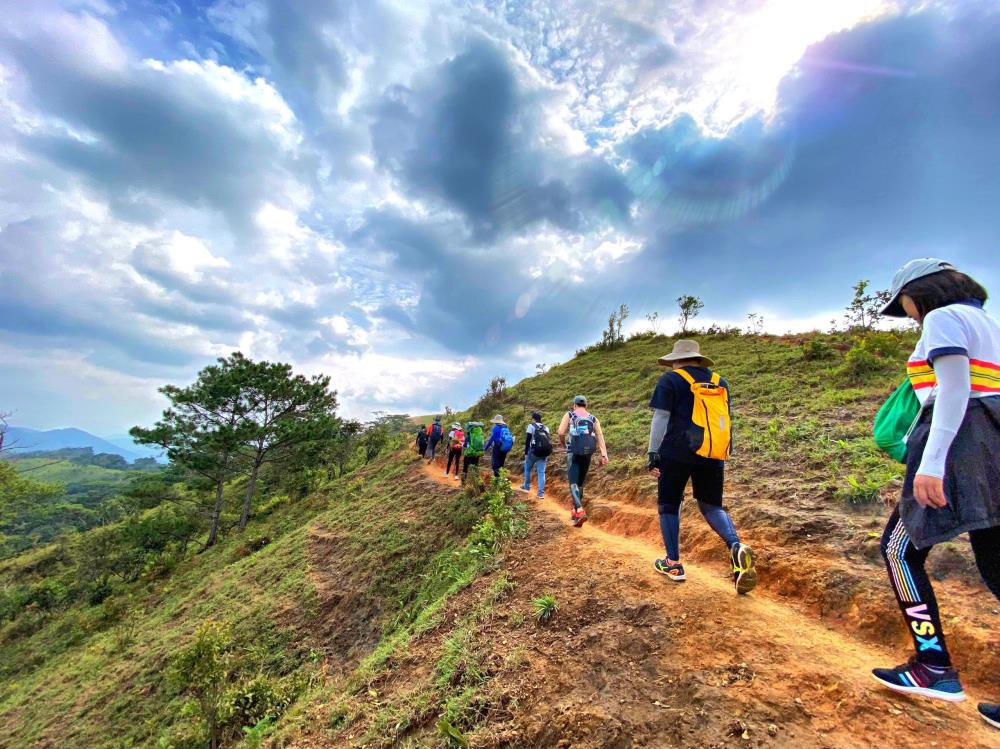
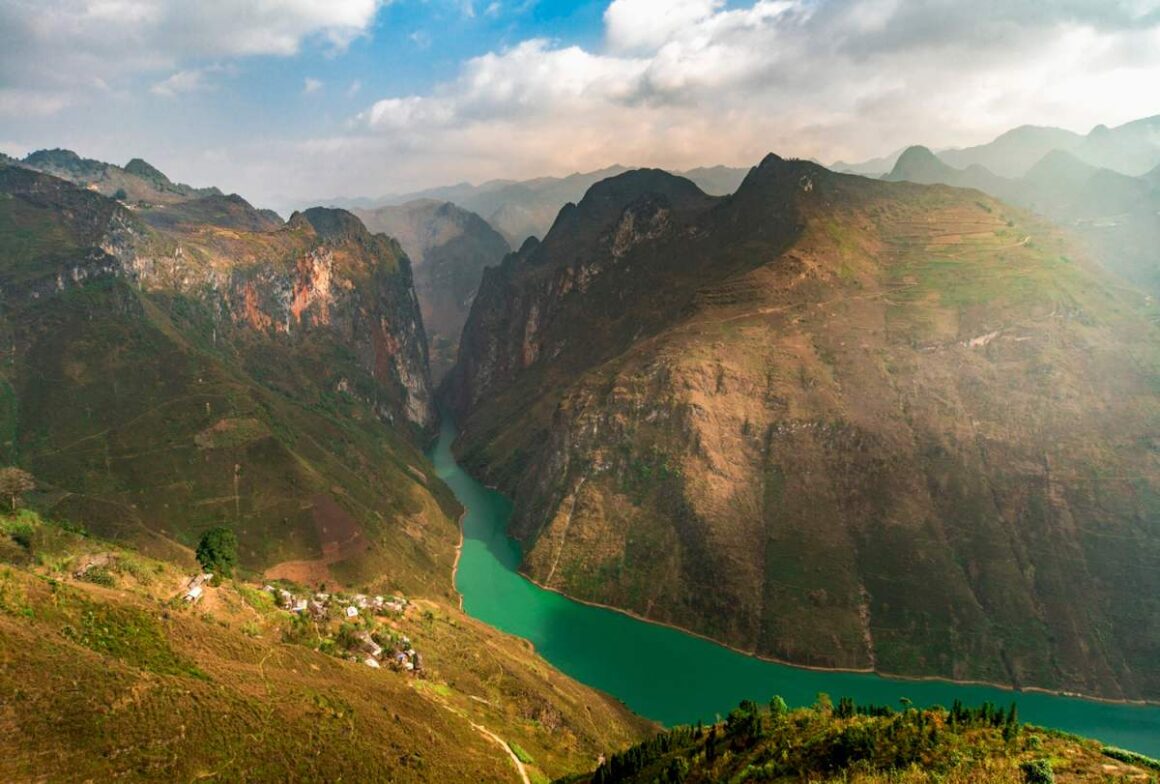
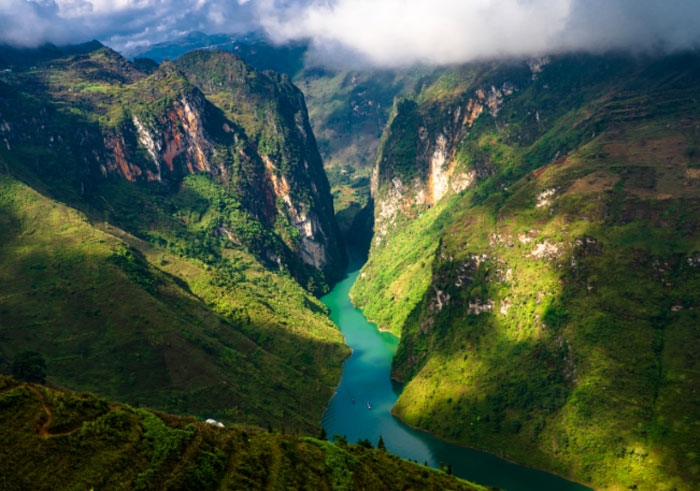
Northern Vietnam has always carried an air of mystery. In Ha Giang, the limestone towers of Dong Van rise like sleeping giants. Early morning mist rolls through the Ma Pi Leng Pass, curling around the road like smoke from an unseen fire. Further west, in Lai Chau and Son La, trails weave through terraced rice fields so vast they seem to spill into the clouds. Few travelers make it this far, but those who do find themselves walking paths still used by local Hmong and Dao villagers — trails that have connected communities for centuries.
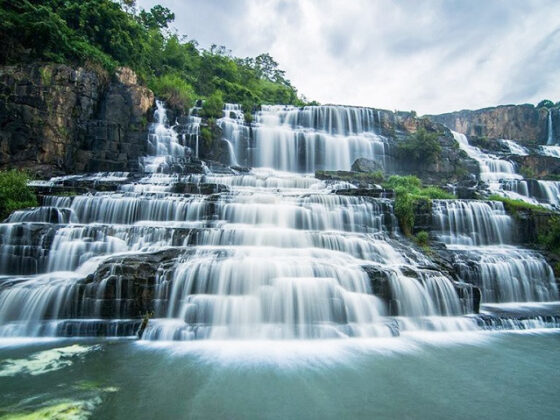
The southern highlands tell a different story. In Dak Nong and Gia Lai, the landscape shifts from forest to coffee plantations, from volcanic plateaus to thundering waterfalls. Central Highlands Vietnam trekking here isn’t about conquering peaks — it’s about tracing Vietnam’s living heartbeat, where every bend in the trail reveals a new rhythm of rural life.
Nature, culture, and connection through central highlands Vietnam trekking
For those who love adventure with depth, the highlands are more than just physical challenges. They’re cultural crossings. You might stop for tea in a Tay village, share a meal of bamboo-cooked rice with a Hmong family, or join a local guide who tells you how the trails once served as trade routes between ethnic communities. The practice of Central Highlands Vietnam trekking offers encounters that blur the line between adventure and connection — a reminder that travel, at its best, isn’t just about moving through landscapes, but letting them move through you.
A new way to explore central highlands Vietnam trekking
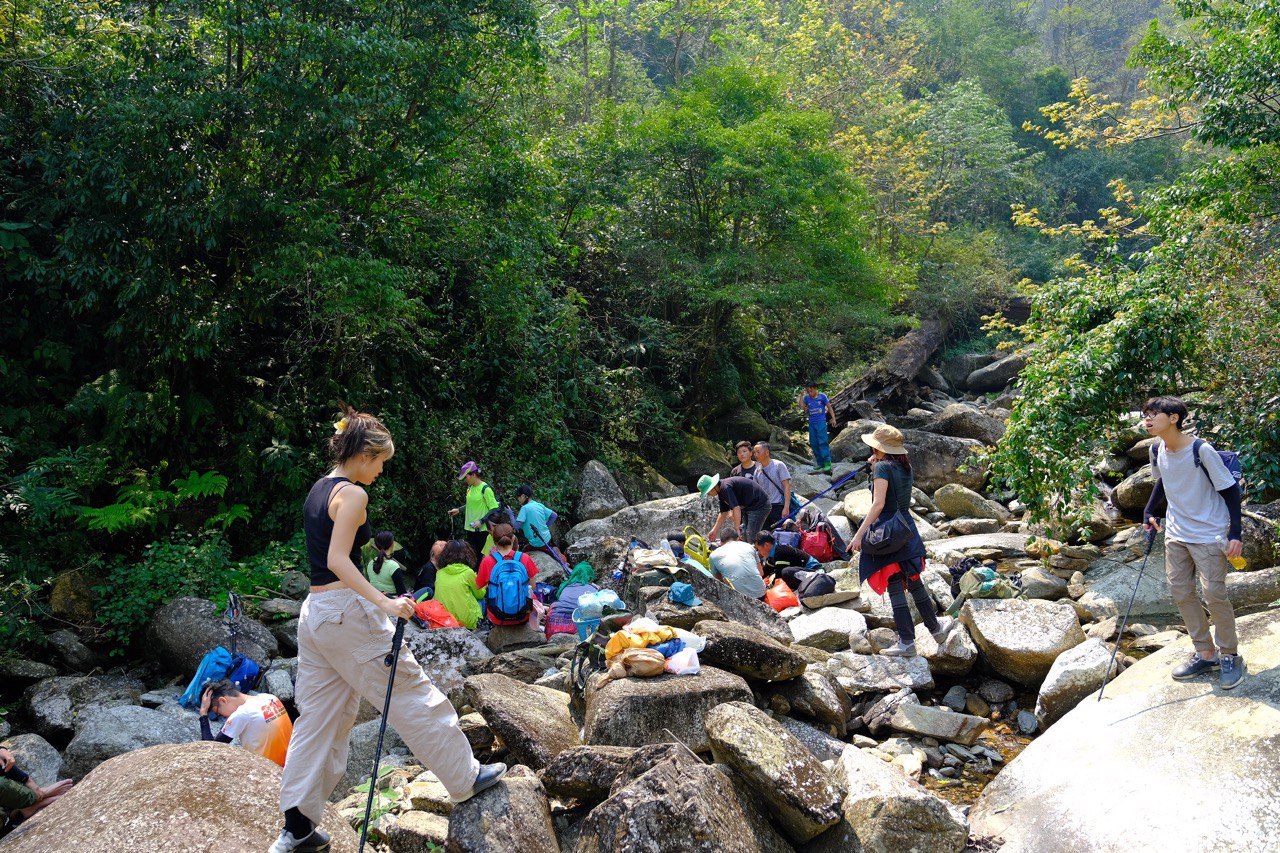
Today’s explorers are rediscovering these forgotten trails thanks to a new generation of local guides and platforms like ExoTrails, which curate verified routes and cultural experiences across Vietnam. The app helps travelers uncover the paths less traveled — connecting them with local communities, safety information, and even off-grid navigation that respects both nature and tradition. This support is crucial for anyone interested in Central Highlands Vietnam trekking.
Unlike mainstream routes, these journeys aren’t about speed or elevation gains. They’re about immersion. Standing at the edge of a misty ridge in Bac Kan or descending through bamboo forests in Kon Tum, you begin to understand why locals speak of the mountains not as places, but as guardians — living entities that protect and provide.
Listening to the mountains: The appeal of central highlands Vietnam trekking
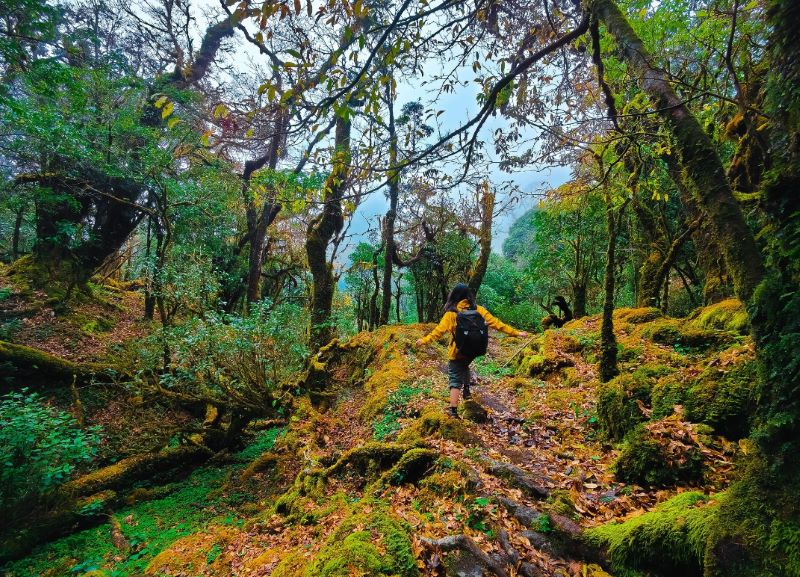
In the highlands, silence isn’t emptiness — it’s language. It’s the sound of wind tracing through maize stalks, the distant rhythm of cowbells, and the rustle of leaves underfoot. Here, Wi-Fi signals fade but something deeper connects — the feeling of being small in a world still wild enough to surprise you, especially during remote Central Highlands Vietnam trekking.
As Vietnam’s lowlands grow busier and its cities buzz with modern life, these remote mountain regions remain the country’s soulful refuge — a place to hike, to breathe, and to listen. Because sometimes, the greatest adventures aren’t the loudest or the most photographed. They’re the quiet ones — the trails that remind you what it means to wander with wonder.
Conclusion
The pursuit of Central Highlands Vietnam trekking offers one of the most rewarding and authentic travel experiences in Southeast Asia. These journeys take travelers beyond the well-known tourist routes and into the heart of Vietnam’s vibrant ethnic cultures and untouched natural landscapes. By partnering with local guides and utilizing responsible platforms, adventurers can ensure their exploration is both safe and respectful, preserving the unique silence and spirit of these remote highlands.
Join our vibrant community on Facebook to share your trekking stories and tips, and don’t forget to like the ExoTrails fanpage for the latest updates and exclusive offers!
Frequently Asked Questions (FAQs)
Q: Where are the Central Highlands Vietnam trekking routes primarily located?
A: The main trekking areas are located in the provinces of Dak Nong, Gia Lai, and Kon Tum, featuring diverse landscapes from volcanic plateaus to deep forests.
Q: Is Central Highlands Vietnam trekking suitable for beginners?
A: Many trails are remote and challenging, so they are generally better suited for experienced trekkers, though easier day hikes are also available with local guides.
Q: What is the best time of year for Central Highlands Vietnam trekking?
A: The dry season, typically from November to April, offers the most favorable weather conditions for trekking in this region.
Q: What unique cultural experiences does Central Highlands Vietnam trekking offer?
A: Trekkers can experience cultural exchanges by sharing meals, staying overnight in traditional villages, and learning about the customs of the Tay, Hmong, and other ethnic minority groups.
Klook.com