


In our quest for better health and fitness, we’re often overwhelmed by numbers—calories burned, steps taken, heartbeats counted. With so much data from fitness trackers and apps, it can be hard to know which metrics genuinely matter. If you’ve ever felt lost in this sea of statistics, you’re not alone. That’s where fitness tracking for beginners becomes essential — helping you filter the noise and focus on what truly supports your well-being.
Let’s break it down into five essential numbers that can help you focus your efforts and truly understand your health, especially if you enjoy outdoor activities.
Read more interesting posts here:
- Fueling Your Workout: Discovering the Best Pre Workout Meal for Maximum Energy
- When to Take Creatine: Maximizing Your Timing for Peak Performance
- The Essential Benefits of Warming Up: Preparing Your Body for Peak Performance
1. Recovery Indicator: Using HRV for Fitness Tracking for Beginners
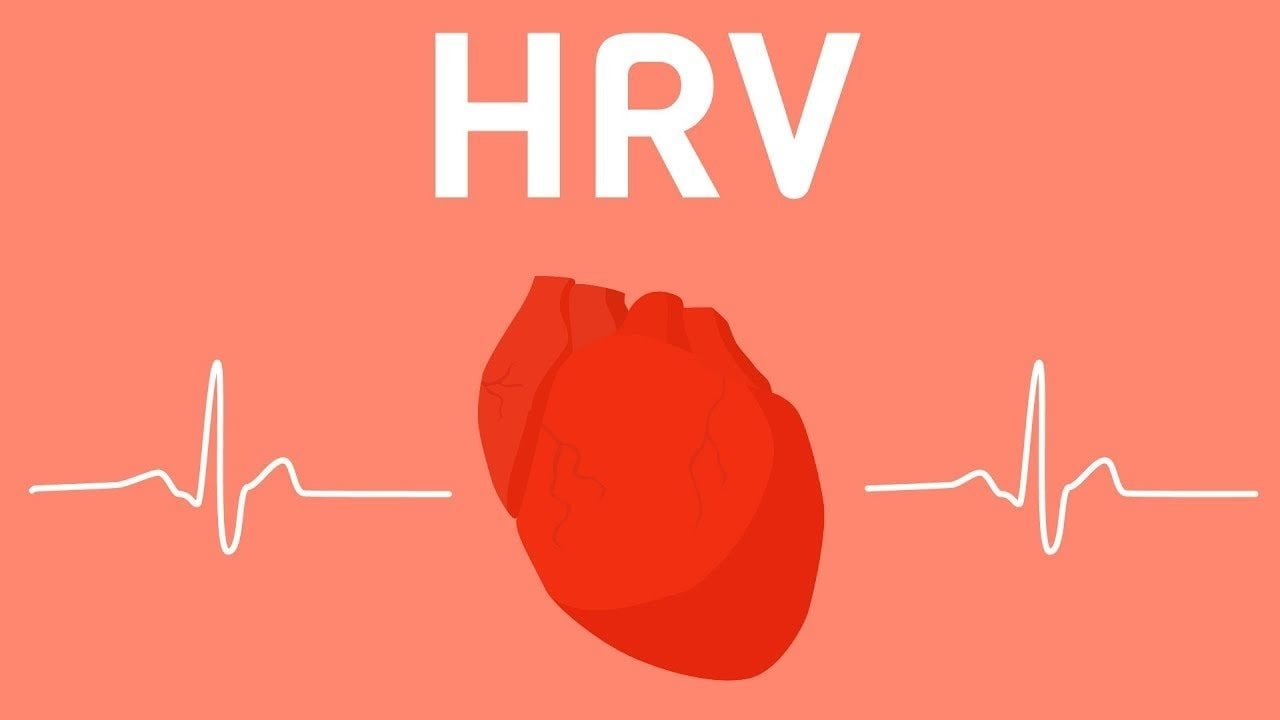
Heart Rate Variability, or HRV, is one of the most insightful metrics you can track — especially within fitness tracking for beginners. Unlike your resting heart rate, which measures how many times your heart beats per minute, HRV looks at the time variations between beats. A high HRV often indicates a well-functioning autonomic nervous system and suggests that your body is recovering well from stress—whether that stress comes from a tough workout, a busy day, or the mental challenges of life.
For outdoor enthusiasts, HRV can provide valuable insights into when you’re ready to tackle a strenuous hike or an intense biking session. If you notice a dip in your HRV, it might be a sign to prioritize recovery and perhaps enjoy a leisurely stroll in nature instead of pushing your limits.
2. Aerobic Fitness Score: Understanding VO2 Max for Beginners

Considered the gold standard for measuring aerobic fitness, VO2 max gauges your body’s ability to consume and utilize oxygen during exercise. While the most accurate assessments require a lab setting, many fitness devices can give you reasonable estimates based on your heart rate and activity levels.
Improving your VO2 max enhances endurance—crucial for activities like long-distance hiking, climbing, or cycling. If you're preparing for a mountain trek or a weekend camping trip, tracking this metric through fitness tracking for beginners can help you monitor your progress and adjust your training appropriately. Celebrate improvements over time; they mean you’ll be able to explore further and with more stamina.
3. Quality Control: The Value of Sleep Consistency in Fitness Tracking for Beginners

It’s no secret that sleep is vital for recovery, but the quality and regularity of your sleep is what truly counts. Sleep consistency, or the rhythm of going to bed and waking up at the same time each day, plays a significant role in regulating your internal clock — something often emphasized in fitness tracking for beginners. This is especially beneficial for those who enjoy outdoor activities, since a good night’s sleep enhances performance and recovery for your next adventure.
By keeping a consistent sleep schedule, you’re more likely to feel energized and ready to embrace an early morning hike or a weekend camping trip. Disrupted sleep can lead to fatigue, making it harder to enjoy those outdoor activities you love.
4. Daily Activity Baseline: Using Step Count for Fitness Tracking for Beginners
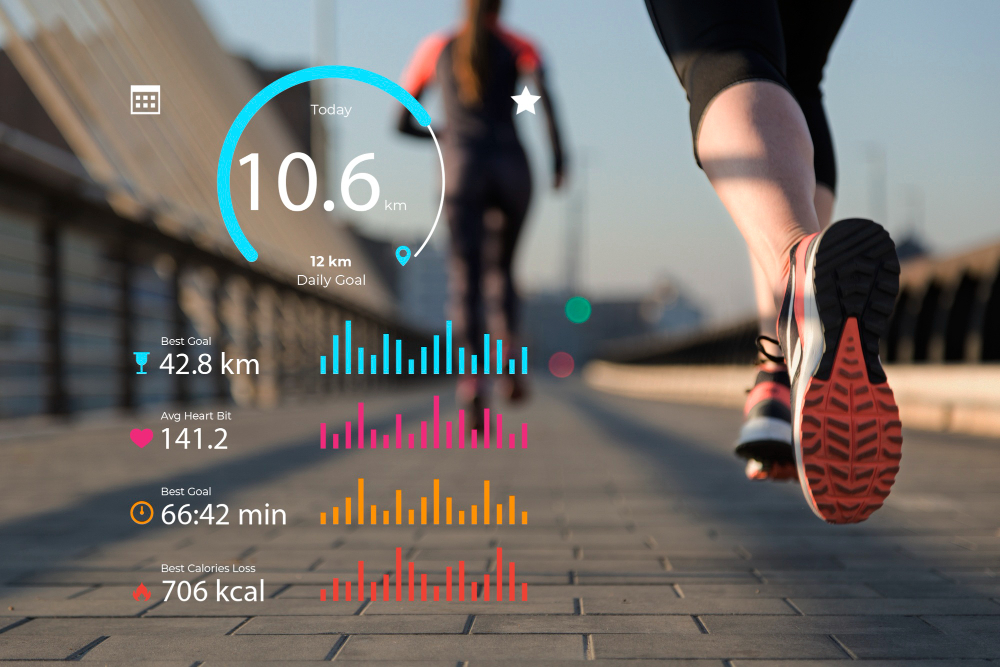
Incorporating movement into your daily routine is crucial for long-term health. While it’s easy to focus on intense workouts, don’t underestimate the benefits of simply staying active. Daily step count serves as an excellent barometer of your overall physical activity levels, and it’s especially relevant for outdoor enthusiasts.
Think about it: every walk through the park, every nature trail you explore, and every jaunt around your neighborhood contributes to this number. Research shows that even moderate increases—like walking 8,000 steps a day—can significantly reduce the risk of chronic diseases, a key insight often highlighted in fitness tracking for beginners. So make those outdoor trips count!
5. Stress and Illness Signal: Tracking Respiratory Rate for Beginners

Your respiratory rate, or how many breaths you take per minute, can offer insight into your health. Although fluctuations are normal, consistently elevated rates might indicate stress or impending illness. For those who love the outdoors, monitoring this could help you ensure you're not overexerting yourself during adventurous activities.
When you’re hiking or engaging in outdoor sports, being mindful of your breathing can not only keep your respiratory rate in check but also enhance your overall performance. Practices like deep breathing during your outdoor adventures can improve your endurance and help you fully enjoy the experience — an approach often emphasized in fitness tracking for beginners as a way to build awareness and balance from within.
Conclusion
Successfully navigating fitness tracking for beginners requires focusing on a few key, insightful metrics like HRV and Sleep Consistency, rather than being overwhelmed by all the data. By concentrating on these five essential indicators, beginners can effectively monitor recovery, improve aerobic endurance, and make mindful adjustments to their training, leading to a more sustainable and rewarding fitness journey.
Ready to make your data work for you? Join our vibrant community on Facebook to share your trekking stories and tips, and don't forget to like the ExoTrails fanpage for the latest updates and exclusive offers!
Frequently Asked Questions (FAQs)
Q: Which metric is most important for a beginner to track for recovery?
A: Heart Rate Variability (HRV) is crucial, as a higher score indicates the body is well-recovered and ready for the next workout.
Q: Can fitness trackers accurately measure VO2 Max for beginners?
A: Most modern fitness trackers provide a reasonable estimate of VO2 Max based on activity and heart rate, which is sufficient for monitoring progress as a beginner.
Q: What is a good goal for the daily step count for fitness tracking for beginners?
A: While 10,000 is often cited, a more realistic and beneficial starting goal is around 8,000 steps per day, gradually increasing over time.
Q: How can tracking sleep consistency help fitness tracking for beginners?
A: Consistent sleep regulates your internal clock, leading to better energy, improved recovery, and more effective performance during workouts.


