

Table of Contents Show
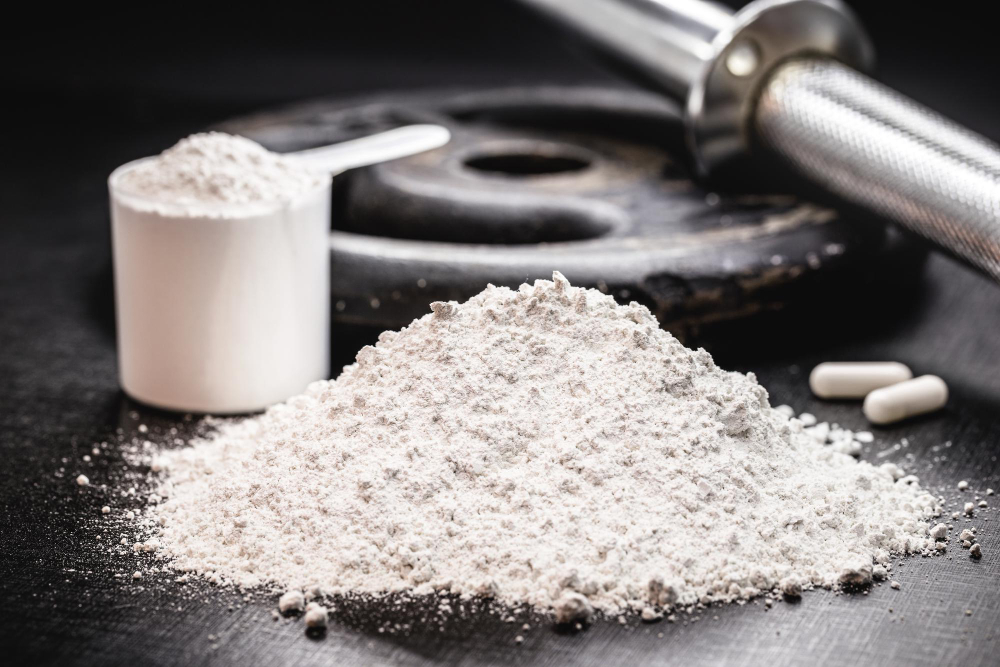
If you’re into strength training, you’ve likely encountered the term “creatine.” This popular supplement has been a go-to for athletes and fitness enthusiasts looking to enhance their performance and muscle growth. But with all the information out there, you might find yourself wondering: when to take creatine to really reap its benefits?
Read more interesting posts here:
- Vietnam Pine Forests: Dreamiest Family Day Trips in Nature
- Discovering Tam Giang Lagoon and Vietnam’s Untouched Coastal Wilderness
- The Last Bamboo Forests: Guardians Among Ethnic Minorities in Vietnam
Understanding the “why” before “when to take creatine”

Creatine is a naturally occurring compound that your body produces from three amino acids: arginine, glycine, and methionine. While you do get a bit from sources like meat and fish, using a supplement can help push your creatine levels to their peak, meaning you’ll have a greater on-demand energy reserve during your workouts.
The magic happens because creatine enhances your muscles’ phosphocreatine stores. This compound plays a crucial role in generating adenosine triphosphate (ATP), the primary energy carrier in our cells. When you’re pushing through those intense lifts or sprinting on the track, having that extra phosphocreatine means you can sustain high-intensity efforts for longer periods. This can lead to greater muscle growth and improved performance over time, regardless of the exact timing of when to take creatine.
When to take creatine: Timing for maximum effectiveness

You might think the timing of your creatine intake is crucial, but the truth is a bit more flexible. Experts generally agree that whether you take it before or after your workout won’t drastically affect its efficacy. The key takeaway regarding when to take creatine? Consistency is what really matters.
Research has found that there’s little difference in muscle gains whether you consume creatine before or after exercising. It’s all about including it in your daily routine. That said, if you want to use creatine to enhance your workout, consider taking it about 30 to 60 minutes before hitting the gym. This allows peak absorption to align with your training session, especially beneficial for explosive movements like power cleans or sprints.
Pairing creatine with carbs: A crucial factor when to take creatine

When it comes to optimizing the benefits of creatine, pairing it with carbohydrates can be a game changer. Consuming between 30 to 50 grams of carbs alongside your creatine can spike insulin levels, which helps shuttle the creatine into your muscle cells more effectively. This simple trick can enhance the supplement’s effectiveness by improving muscle uptake, making your investment in that scoop of powder all the more worthwhile, especially when deciding when to take creatine.
Daily dosing and long-term use: How often and when to take creatine
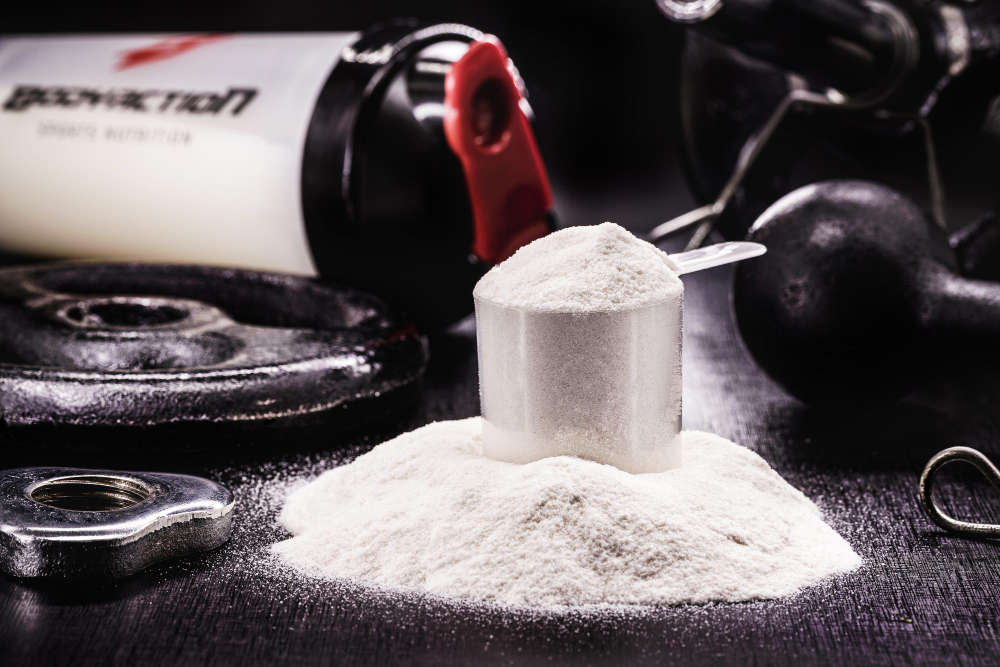
So, how much creatine should you be taking? A common and effective dosage is about 5 grams per day, even on rest days. This sustained intake helps keep your muscle creatine stores topped off, ensuring you’re always ready to tackle tough workouts.
Some people opt for a “loading phase,” where they consume around 20 grams per day for the first week, divided into smaller doses. While this can saturate your muscles faster, it’s worth noting that recent studies suggest that a consistent lower dose can be just as effective over time. Ultimately, the choice of when to take creatine and how much depends on your preference and training schedule.
Quality matters: Choosing the right creatine for your routine

Not all creatine supplements are created equal. Since the supplement industry isn’t heavily regulated, it’s crucial to do your homework. Always opt for products that have undergone third-party testing for potency and purity. Look for reputable brands that are transparent about their sourcing and testing processes to ensure you’re investing in a quality product, regardless of when to take creatine.
Beyond the gym: Creatine benefits for an active outdoor lifestyle
If you enjoy outdoor activities like hiking, mountain biking, or rock climbing, adding creatine to your routine can provide extra support. The energy boost from increased phosphocreatine levels makes it easier to tackle those demanding climbs or long trails, giving you the stamina to push your limits. Whether you’re scaling a hill or sprinting to catch a bus, the benefits extend beyond the gym, enhancing your overall active lifestyle.
Conclusion
Incorporating creatine into your fitness routine can be a powerful strategy for building strength and muscle. The timing of your intake may not be as critical as previously thought, but being consistent and mindful of how you take it can optimize your results. The most important takeaway on when to take creatine is simply to take it every day. Start by finding what works best for you—pairing it with carbs, sticking to a routine, and selecting high-quality creatine supplements will set the stage for success. With creatine on your side, you’re one step closer to smashing your fitness aspirations!
Join our vibrant community on Facebook to share your trekking stories and tips, and don’t forget to like the ExoTrails fanpage for the latest updates and exclusive offers!
Frequently Asked Questions (FAQs)
Q: Is it better to take creatine before or after a workout?
A: Research suggests that consistent daily intake is more important than the exact timing, though some prefer taking it post-workout as muscles may be more receptive to nutrient uptake.
Q: Should I take creatine on rest days?
A: Yes, it is recommended to take your standard 5-gram dose on rest days to keep your muscle creatine stores fully saturated.
Q: Does taking creatine with food improve absorption?
A: Yes, pairing creatine with a source of carbohydrates, and sometimes protein, can increase insulin levels which helps shuttle the creatine into your muscle cells more efficiently.
Q: Is a “loading phase” necessary when to take creatine?
A: No, a loading phase (20g/day for 5-7 days) can saturate muscles faster, but a consistent daily dose of 3-5g will achieve the same saturation level over a slightly longer period.
Klook.com