
Table of Contents Show
When it comes to assessing your overall health, you might think of common metrics like your blood pressure, body mass index, or even how much weight you can lift. Yet, one number that is gaining considerable attention, and for good reason is your VO2 max. This vital measurement not only reflects your fitness level but also serves as a compelling predictor of longevity, making it the central pillar of VO2 Max training for beginners.
Read more interesting posts here:
- Heavy Metals in Protein Powder: Are Your Daily Supplements Safe?
- Elevate Your Fuel: The Best Protein Shake Recipes and Creative Additions
- The Growing Buzz Around Magnesium: Recognizing Magnesium Deficiency Symptoms
What exactly is VO2 max?
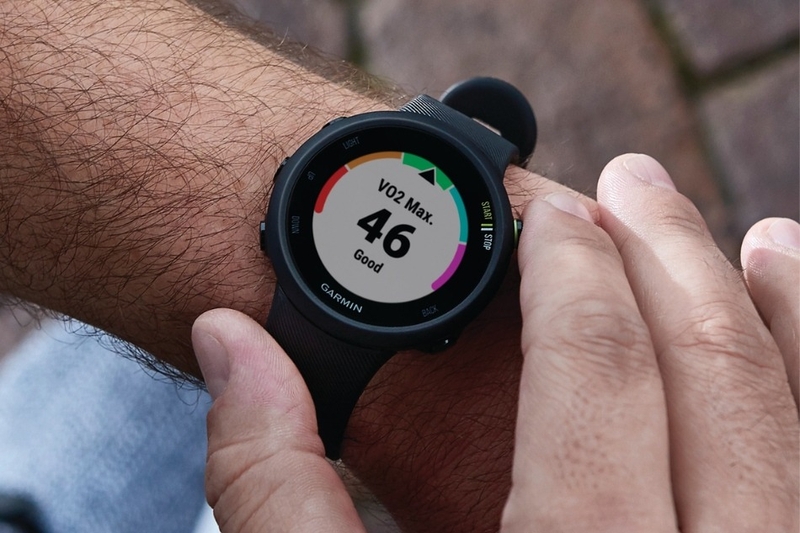
In simplest terms, VO2 max refers to the maximum rate of oxygen your body can use during intense physical activity. This measurement is a direct indicator of your cardiovascular fitness and aerobic endurance. To break it down further, the term is derived from:
- V̇: volume
- O₂: oxygen
- Max: maximum
A high VO2 max suggests that your lungs are functioning efficiently, your heart is effectively pumping blood, and your muscles are skilled at extracting and utilizing oxygen. In essence, it showcases how well your body can perform during exertion, which is the ultimate goal of any VO2 Max training for beginners program.
Why understanding VO2 Max training for beginners is vital for your health
Traditionally, athletes, especially those involved in endurance sports, have kept a close eye on their VO2 max. However, health experts are increasingly advocating for this metric to be considered by everyone. Studies show a strong correlation between a higher VO2 max and a lower risk of all-cause mortality. For instance, a remarkable finding indicates that improving VO2 max levels can lead to a 21% reduction in the risk of death over a 45-year period, even when accounting for other health factors like blood pressure and cholesterol levels.
But beyond its role in predicting longevity, VO2 Max training for beginners is fundamentally about how well you manage day-to-day activities. Whether it’s climbing a flight of stairs or chasing your kids around the park, having a higher VO2 max means you can accomplish these tasks with less exertion. Imagine walking up those stairs without feeling winded, this is what increased aerobic capacity can do for you.
The best ways to measure your stats before starting VO2 Max training for beginners
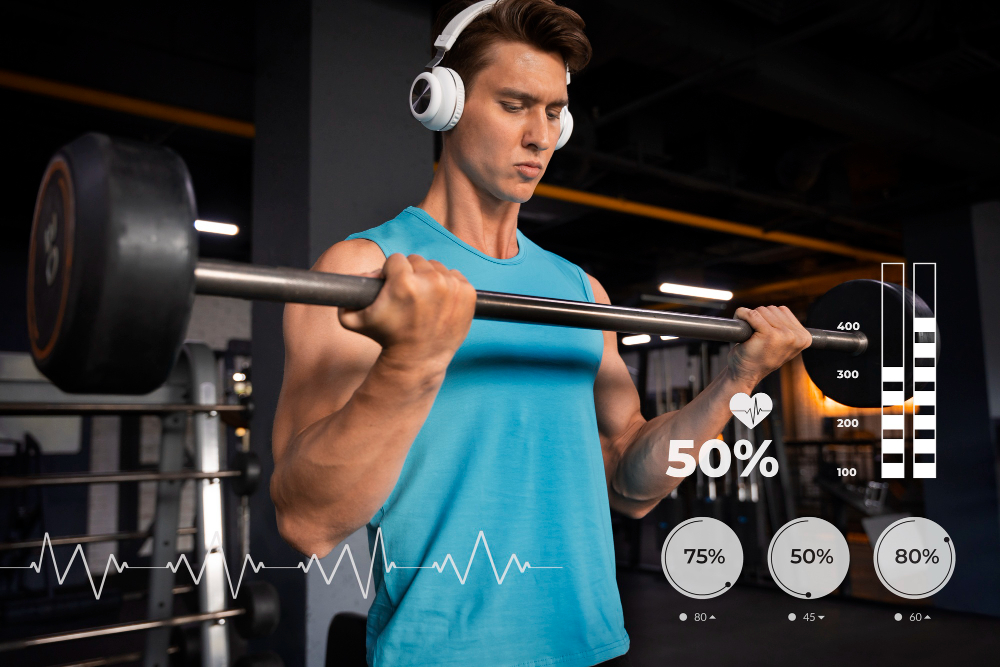
While some wearable fitness trackers provide an estimated VO2 max, the most accurate way to measure it is through testing in a lab setting. During this test, you’ll wear a mask to monitor your oxygen intake and carbon dioxide output while exercising, typically on a treadmill or stationary bike. These assessments might come with a price tag of a couple hundred dollars, but they deliver a detailed snapshot of your cardiovascular fitness before you commit to VO2 Max training for beginners.
As you begin to age, it’s important to note that VO2 max tends to decline—approximately 2% per year after you hit 30. Thus, keeping track of this number can be crucial for understanding changes in your health over time.
How to Improve Your VO2 Max
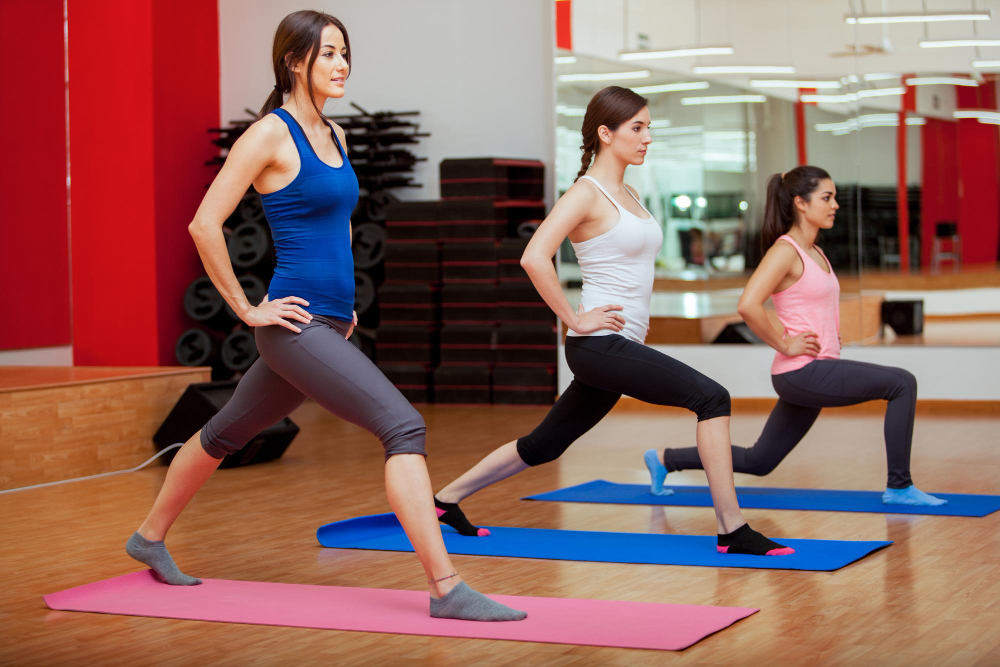
If you’re mindful of improving your VO2 max, incorporating regular cardiovascular exercise into your routine is essential. The Centers for Disease Control and Prevention (CDC) recommends a minimum of 120 minutes of aerobic exercise each week, which serves as a great foundation for VO2 Max training for beginners.
Your workouts should include a mix of intensity levels. The majority should be at lower intensities, complemented by one or two harder, more intense efforts each week. Endurance training is particularly effective in elevating your VO2 max, as it builds both your stamina and your aerobic capacity.
So, whether it’s jogging, cycling, or even training for a half-marathon, engaging in endurance workouts will not only improve your performance but also enhance your overall health.
The bigger picture of longevity
Focusing on VO2 max may seem tailored for fitness enthusiasts or athletes, but its implications stretch far beyond that community. As we aim for improved longevity and quality of life, understanding and working to enhance VO2 max can become a central part of our health journeys.
In a world where health metrics are increasingly emphasized, don’t overlook this powerful number. By embracing ambitious fitness goals, monitoring your progress, and prioritizing cardiovascular health, you set yourself on a path toward a healthier and longer life. VO2 Max training for beginners is more than just a workout; it is an investment in your future self. So, lace up those running shoes and consider signing up for that half-marathon—you’ll be thankful you did!
Conclusion
In summary, your VO2 max is more than just a fitness score; it is a powerful indicator of your biological age and future health. By starting VO2 Max training for beginners, you are not just improving your athletic performance, but actively investing in your longevity. Through a combination of consistent aerobic activity and targeted high-intensity efforts, anyone can boost their oxygen efficiency and enjoy a more energetic, healthy life.
Ready to push your limits and explore the wild? Join our outdoor community! Follow our Facebook Page and join our ExoTrails Community Group to connect with fellow explorers and stay updated on the latest trails!
FAQs
How long does it take to see results from VO2 Max training for beginners?
Most individuals will begin to see a measurable improvement in their cardiovascular efficiency within 4 to 8 weeks of consistent training.
Can I improve my VO2 max without joining a gym?
Absolutely; activities such as brisk hill walking, cycling outdoors, or performing high-intensity bodyweight circuits at home are highly effective for beginners.
Is high-intensity VO2 max training safe for everyone?
While generally safe, individuals with pre-existing heart conditions or those who have been sedentary for a long time should consult a physician before starting intense interval sessions.
Klook.com