


For many of us, protein powder has become a staple in our diets, whether it's for post-workout recovery or a quick meal replacement. But recent findings have raised important questions about what we’re really consuming. With a growing awareness of heavy metals in protein powder, especially in plant-based varieties, it’s crucial to understand what this means for your health.
Read more interesting posts here:
- Nature’s Pharmacy: Discovering the Healing Power of Indigenous Plant Medicine Vietnam
- Self-Discovery Travel Vietnam: Discover Powerful Contrasts That Lead to Inner Balance
- Beyond GPS: Why Offline Maps for Trekking Vietnam are the Key to Hidden Gems
The truth about the scare of heavy metals in protein powder
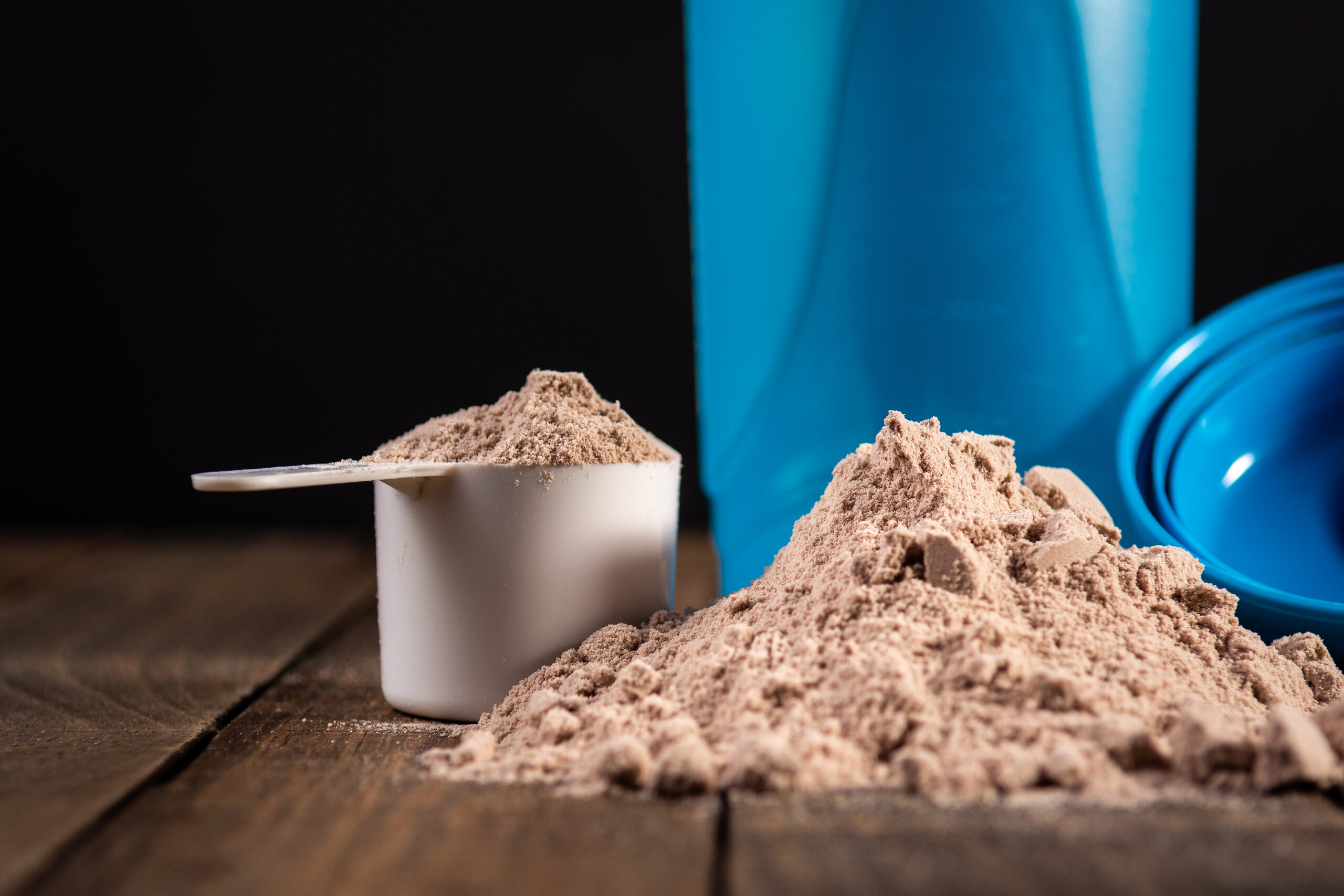
If you've been paying attention to the nutritional landscape, you may have seen reports highlighting troubling levels of heavy metals in protein powder, like lead, cadmium, and arsenic. A recent investigation revealed that a significant percentage of popular protein supplements contain concerning amounts of these toxins. Alarmingly, some plant-based proteins had levels up to nine times higher than their whey counterparts.
Before you hit the panic button, it’s essential to put these numbers into perspective. Health and safety guidelines, such as California's Proposition 65, state limits on acceptable levels of lead. While no level of lead is considered entirely safe, it’s worth noting that the thresholds advised by the FDA are set significantly higher than those of Proposition 65. For instance, the FDA's interim reference level for lead is 2.2 micrograms for children and 8.8 micrograms for women of childbearing age.
Understanding the health risks
Of course, no one wants to consume any lead, no matter the amount. Chronic exposure to lead can have serious health ramifications, including neurological issues and kidney damage. However, experts also emphasize that heavy metals in protein powder are far from the only sources of lead in our diets. Foods like root vegetables can harbor this heavy metal due to their growth in contaminated soil.
Despite these concerns, it’s important to realize that many people consume protein powders without experiencing adverse effects. According to experts in the field, it's more about being informed than alarmed.
Why do some protein powders have more lead?

The stark differences in lead levels between plant-based and animal-based protein powders caught many by surprise. Research shows that plant-based options often contain significantly more heavy metals in protein powder. The reason behind this largely lies in how plants absorb nutrients from the soil. Many plant-based protein sources come from regions with less stringent regulations on heavy metals in soil, leading to higher absorption rates.
On the other hand, whey protein typically comes from domestically sourced dairy, where regulations control contaminants more rigorously. Additionally, animal tissues have a greater ability to metabolize and eliminate heavy metals compared to plants, which can result in lower lead concentrations in animal-based proteins.
How to avoid high levels of heavy metals in protein powder

While the findings may seem daunting, all is not lost when selecting your protein powder. Here are some steps you can take to make informed choices and minimize your exposure to heavy metals in protein powder:
1. Know Your Brands: Before stocking up on protein powder, do some research on the brands you’re considering. Look for manufacturers that prioritize safety and transparency. Quality certifications from third-party organizations can provide peace of mind regarding the purity of the product.
2. Diversify Your Sources: Instead of sticking to one type of protein supplement, think about varying your protein sources. This way, if one type happens to harbor contaminants, you’re not relying on it exclusively. Mixing plant-based and animal-based proteins can also offer balanced nutrition.
3. Consult a Professional: If you’re uncertain about what’s best for you, especially when considering concerns like heavy metals in protein powder, consulting a healthcare provider or a registered dietitian can guide you in the right direction. They can help you determine whether you actually need protein supplementation based on your unique lifestyle and dietary preferences.
4. Stay Informed: As with any dietary concern, staying updated on new research and safety guidelines is essential. Nutritional science is always evolving, and what we thought we knew yesterday may shift tomorrow.
Conclusion
Ultimately, the presence of heavy metals in protein powder highlights the importance of being an informed consumer. Protein powder can be a valuable tool for those looking to enhance their nutrition, but awareness is key. By understanding the implications of these contaminants and seeking out third-party-tested products, you can continue to enjoy the benefits of protein without unnecessary worry. Remember, it’s all about balance and making educated decisions that work for your body and lifestyle. Stay informed, stay safe, and enjoy your fitness journey!
Looking for more health tips and a community of active wellness enthusiasts? Join our ExoTrails community group on Facebook and like our Fanpage for more inspiration!
FAQs
Which type of protein powder has the most heavy metals?
Plant-based options, such as pea or soy protein, often have higher levels of heavy metals in protein because plants naturally absorb toxins from the soil more easily than animals.
Are heavy metals in protein powder regulated by the FDA?
Yes, the FDA has guidelines for acceptable limits of toxins, but the most reliable way to ensure safety is to look for third-party lab testing.
How can I avoid heavy metals in protein powder?
You can avoid them by purchasing from reputable brands with third-party purity certifications (like NSF or Informed Choice) and diversifying your protein sources.
Is whey protein safer regarding heavy metals?
Generally, whey protein tends to have fewer heavy metals in protein powder because animals filter out many toxins through their digestive systems before producing milk.


