


Table of Contents Show
Vitamin D is often referred to as a “super vitamin,” and for good reason. This essential nutrient isn’t just crucial for maintaining healthy bones; it plays a significant role in numerous other functions throughout the body. Understanding the vast Vitamin D benefits is key to overall wellness. However, many people are unaware of how vital it is—or that they might not be getting enough. Let’s explore what vitamin D does, how to recognize a deficiency, and the best ways to ensure you’re getting enough of it.
Read more interesting posts here:
- Beyond the Postcard: Unforgettable Local Experiences Vietnam
- Trail Stories: How the Vietnam Hiking Community Is Redefining Adventure
- Tradition on the Trail: The Classic Vietnam Hiking Gear Hikers Still Swear By
Understanding vitamin D benefits and its role

Vitamin D is unique in that it functions both as a vitamin and as a hormone. It includes several forms, primarily D2 (ergocalciferol) and D3 (cholecalciferol). While both types are beneficial, D3 is generally considered more effective for maximizing Vitamin D benefits.
This powerhouse nutrient is crucial for various bodily functions. It not only supports immune health and promotes bone strength but is also involved in regulating hormones, reducing inflammation, and even playing a role in heart health. With over 200 known functions in the body, the need for adequate vitamin D is undeniable for reaping all its Vitamin D benefits.
Recognizing signs of vitamin D deficiency versus vitamin D benefits
So how can you tell if you’re running low on vitamin D? The most reliable method is to get a blood test that measures your vitamin D levels. A test called 25-hydroxy vitamin D will give you a clear picture of what’s going on. Generally, a healthy range is considered to be between 50 to 75 nanograms per deciliter.

If a blood test isn’t on your radar, there are several signs that might indicate a deficiency:
1. Brain Fog: You know those days when it feels like your brain is wrapped in cotton? That could be linked to low vitamin D levels, highlighting one of the unexpected Vitamin D benefits: cognitive clarity. Some studies even suggest a correlation between low vitamin D and cognitive impairment.
2. Joint Pain: Since vitamin D has anti-inflammatory properties, a deficiency may lead to increased inflammation, resulting in discomfort or pain in your joints. This emphasizes the anti-inflammatory Vitamin D benefits.
3. Mood Changes: Insufficient vitamin D can impact your mental health, potentially leading to depression or seasonal affective disorder (SAD). Since vitamin D is involved in serotonin production, low levels may reduce your mood-boosting neurotransmitters.
4. Sleep Issues: Vitamin D helps regulate melatonin, the hormone that controls your sleep-wake cycle. Too little can disrupt this balance, leading to insomnia.
5. Weakened Immunity: Vitamin D plays a key role in bolstering your immune defenses. A deficiency could leave you more susceptible to illnesses, including respiratory infections, a vital aspect of Vitamin D benefits.
Why deficiency matters versus the power of vitamin D benefits
Having low levels of vitamin D isn’t just a minor inconvenience; it can have serious repercussions for your health. Deficiency is linked to various issues, including weakened bones, increased risk of chronic diseases, and even complications related to heart health. In severe cases, especially in children, a long-term deficiency can lead to rickets—a condition that softens bones and inhibits growth. Maintaining adequate levels is crucial for experiencing the full range of Vitamin D benefits.
Tips for boosting your vitamin D levels for maximum vitamin D benefits
Fortunately, preventing a vitamin D deficiency is relatively straightforward. Here are several effective ways to increase your intake:
- Soak Up the Sun: Natural sunlight is one of the best sources of vitamin D. Aim for at least 15-30 minutes of sun exposure a few times a week, depending on your skin tone and the season. Just remember to wear sunscreen after a short time to protect your skin.
- Incorporate Vitamin D-Rich Foods: Foods like fatty fish (such as salmon, mackerel, and sardines), egg yolks, fortified dairy products, and mushrooms can help amp up your vitamin D intake. However, it’s pretty challenging to get enough solely through diet to unlock all the Vitamin D benefits.
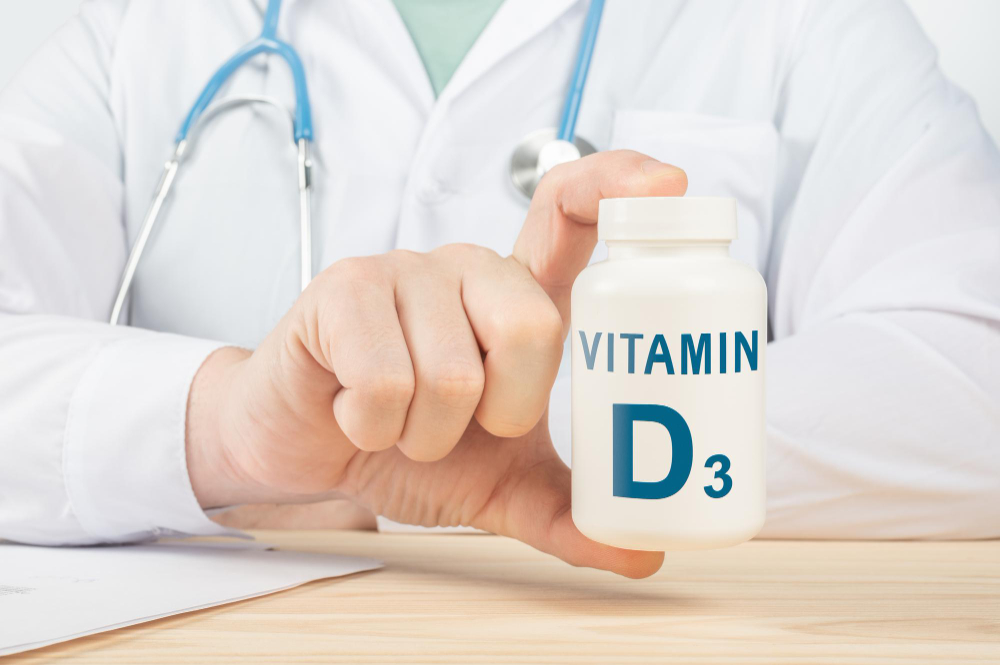
- Consider a Supplement: If you suspect you’re not getting enough sunlight or dietary sources, taking a vitamin D supplement could be beneficial. Look for vitamin D3, as it’s generally more effective. Consider pairing it with vitamin K2, which helps transport vitamin D to where it’s needed in your body.
- Get Tested: If you have concerns about your vitamin D levels, speak with a healthcare provider. They can guide you on testing and help formulate a plan tailored to your needs.
Conclusion
In a world focused on health and wellness, it’s vital not to overlook the importance of vitamin D. This nutrient does far more than support your bones; the full spectrum of Vitamin D benefits is integral to your immune function, mental health, and overall well-being. By understanding the signs of deficiency and taking proactive steps to ensure adequate levels, you can set yourself up for a healthier and more vibrant life. Don’t leave your vitamin D to chance—take charge of your health today!
Join our vibrant community on Facebook to share your trekking stories and tips, and don’t forget to like the ExoTrails fanpage for the latest updates and exclusive offers!
Frequently Asked Questions (FAQs)
Q: Is it better to get Vitamin D from the sun or from a supplement?
A: Natural sunlight is a primary source, but supplements are often recommended, especially in regions with limited sun or for individuals with darker skin, to ensure consistent Vitamin D benefits.
Q: Can too much Vitamin D be harmful?
A: Yes, excessive intake, usually through very high-dose supplementation, can lead to vitamin D toxicity, resulting in hypercalcemia (too much calcium in the blood).
Q: How does Vitamin D support the immune system?
A: Vitamin D modulates the immune response, helping to reduce inflammation and strengthening the body’s defenses against pathogens, which is a major component of Vitamin D benefits.
Q: Why is Vitamin D3 often considered better than D2?
A: Vitamin D3 (cholecalciferol) is the form naturally produced by the skin and is generally more effective at raising and maintaining active vitamin D levels in the blood compared to D2.
Klook.com