

Where bamboo meets Bluetooth, how Vietnam’s explorers balance heritage and high-tech on the trail. If you spend enough time trekking in Vietnam, you’ll see a fascinating contrast unfold. A local guide climbs the same steep ridge as you, wearing handwoven sandals and carrying a bamboo stick, while you check your Garmin smartwatch, adjust your hydration pack, and tighten your high-performance trail shoes.
Different worlds, same destination. This harmony of old and new, tradition and technology, defines the modern explorer’s experience. Here, ancient trail wisdom and innovative trekking gear for Vietnam don’t compete, they complement each other, teaching us that the best adventures happen where practicality and respect intersect.
Read more interesting posts here:
- La Chi Ethnic Group Vietnam: Guardians of the Mountains and Ancient Traditions
- Top Sunrise Peaks Vietnam: Chasing the First Light of Dawn
- Where Jungle Meets Sea: The Ultimate Guide to Coastal Trekking Vietnam
Blending ancient tools with modern trekking gear for Vietnam

In Ha Giang’s mountain passes, I once hiked with a guide who carried a single bamboo staff. No trekking poles, no GPS, just a piece of nature shaped by hand. He used it to test mud depth, balance on rocks, and push aside thorny brush. I had my smartphone, using the ExoTrails to track altitude and pace. It tracked our steps as we climbed, rewarding me with numbers that encouraged me. Finding the right balance in your trekking gear for Vietnam isn't just about the latest gadgets; it's about awareness.
Halfway up, I realized we were both using tools for the same purpose: awareness. The bamboo stick grounded him in the landscape; my tech connected me to it in a digital way. Together, we represented two sides of the same instinct, the desire to understand where we are and how far we’ve come. Sometimes, I think the perfect trekking gear for Vietnam isn’t one or the other, it’s both. Use the tech to measure your adventure, but trust the stick to feel it.
Woven sandals and trail runners
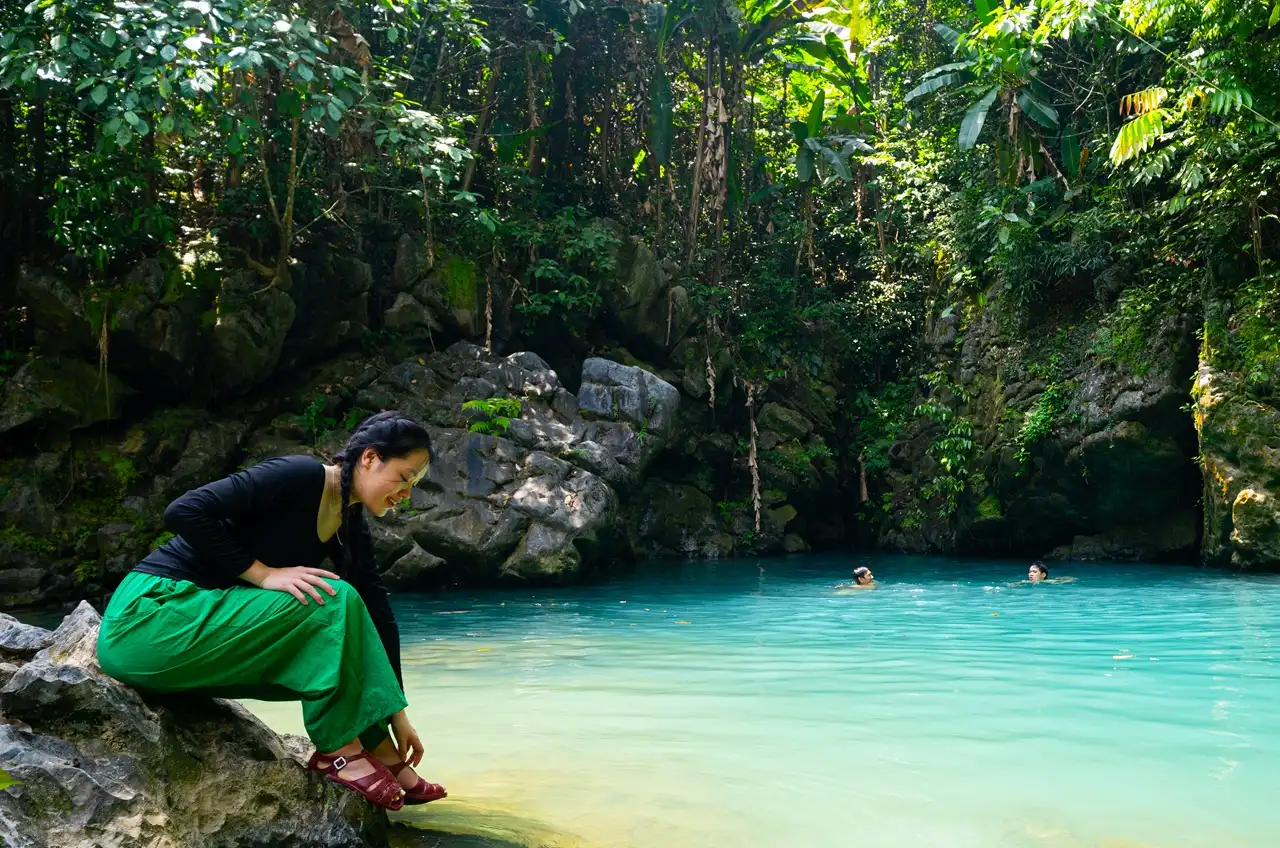
In the highlands of Lao Cai, local porters still wear woven bamboo sandals (dép mây tre) made from natural fiber or recycled rubber. They’re minimal, light, and dry within minutes after crossing a stream. At first, I was skeptical, until I realized how perfectly they fit the environment: breathable for the humidity, flexible for steep soil, and easy to repair. My modern trail runners, sleek, cushioned, and water-resistant, were great for long climbs and wet conditions. But at camp, those same woven sandals were what I slipped into for the evening.
That’s the balance of East meets West: embracing technology when you need efficiency, then returning to simplicity when you need comfort and connection. It’s not about replacing tradition, it’s about complementing it with the most effective trekking gear for Vietnam.
Navigating the wild with digital trekking gear for Vietnam
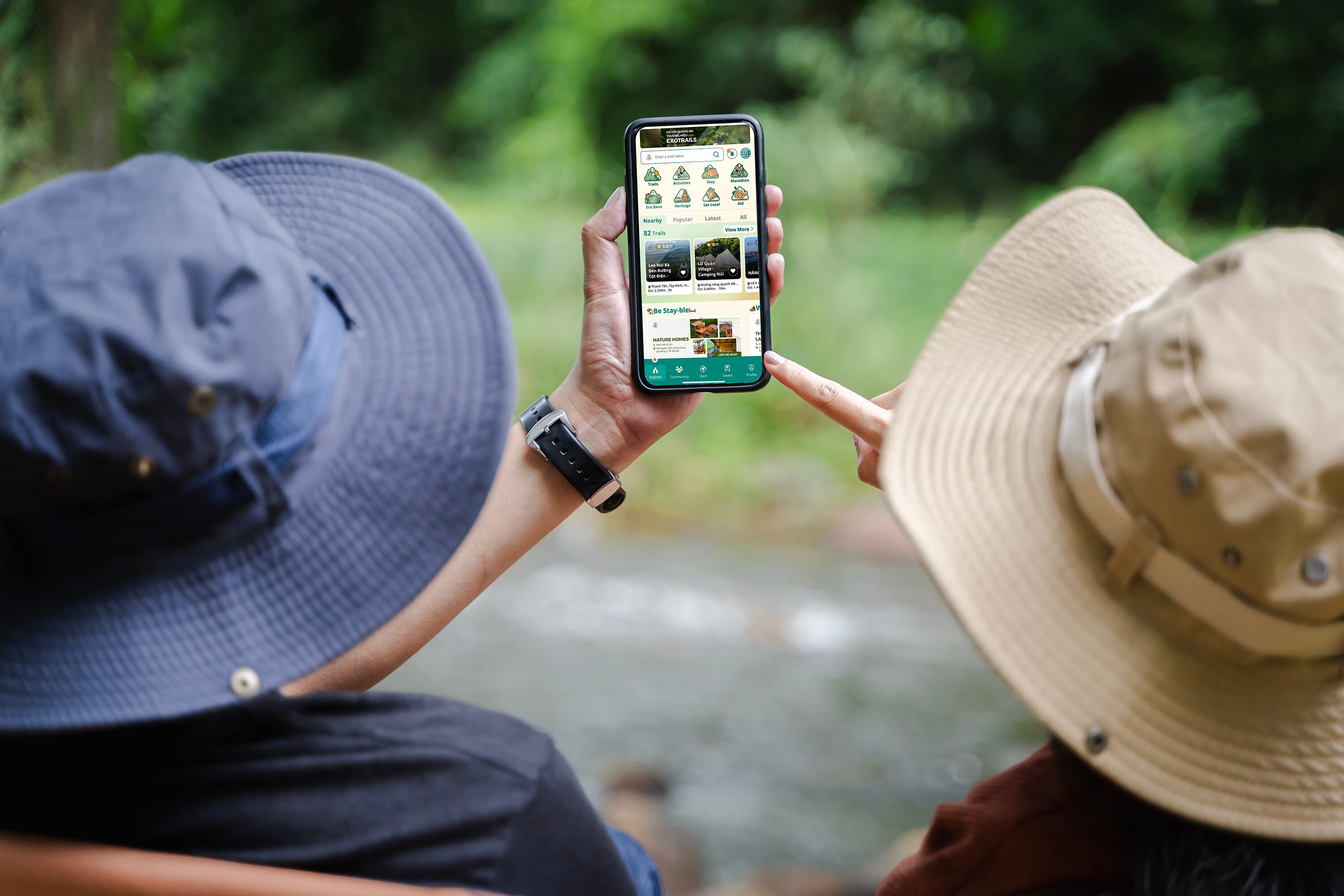
The ExoTrails makes navigating Vietnam’s wild regions easier than ever. With verified trails, offline maps, and several safety tracking features, it’s arguably the most essential piece of digital trekking gear for Vietnam. But local guides still carry paper maps, worn and marked with handwritten notes, landmarks, resting points, and personal memories.
They taught me that while the app shows you where you can go, the map shows you where people have gone. Together, they create a fuller picture of the land, one guided by satellites, the other by stories.
Why technology can’t replace instinct
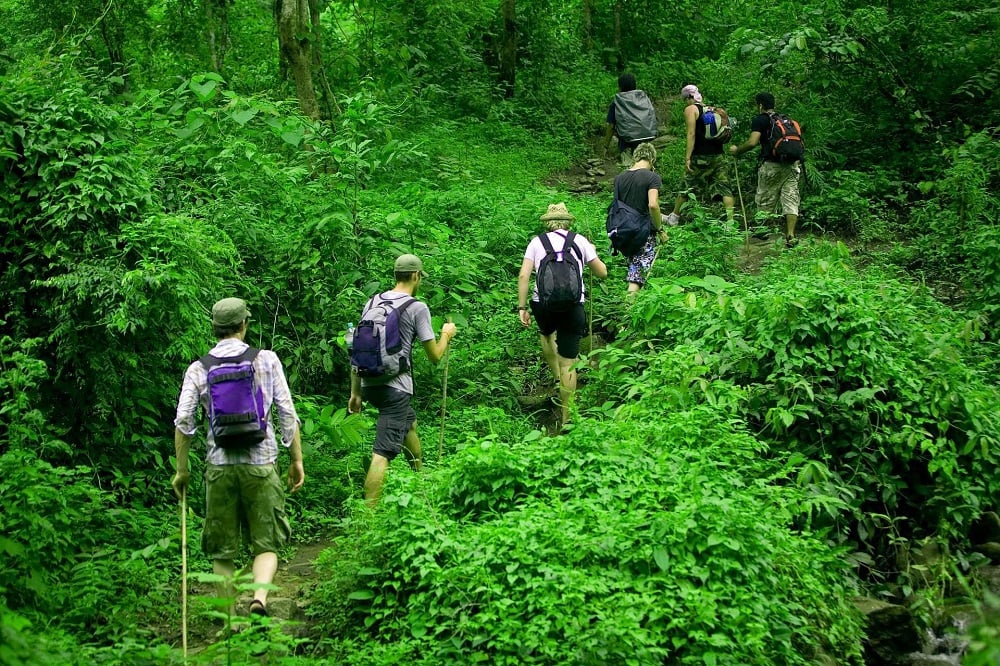
Modern tools make us faster and safer, but instinct keeps us humble. When clouds roll over the ridge or the wind shifts through the trees, no app will sense what a seasoned guide does. They can read weather from the smell of the air, track direction by the tilt of a fern, or find shelter using terrain alone.
Technology enhances awareness, but tradition deepens it. The future of adventure isn’t about abandoning one for the other, it’s about finding the middle ground where innovation honors experience. Even with the most advanced trekking gear for Vietnam, you must remain open to the lessons the mountain provides.
Blending worlds, finding balance
Adventure in Vietnam is more than movement, it’s exchange. It’s the bamboo staff tapping beside the sound of GPS beeps; it’s woven sandals drying next to waterproof boots. It’s proof that wisdom doesn’t age, it adapts.
So on your next trek, bring both worlds with you. Let your gear make you efficient, but let tradition make you wise. Because the real explorer isn’t the one with the best technology — it’s the one who knows when to put it down and listen to the mountain.
Conclusion
The journey through Vietnam’s diverse landscapes is a testament to the power of adaptation. By combining high-quality trekking gear for Vietnam with the timeless wisdom of local guides, travelers can enjoy a safer, more profound connection to the outdoors. Whether you are using a GPS or a bamboo staff, the goal remains the same: to move with respect and curiosity through a land that has so much to teach us. In the end, the best gear is the kind that helps you disappear into the moment, rather than distracting you from it.
Want to learn more about the best equipment for your next adventure? Join our outdoor community! Follow our Facebook Page and join our ExoTrails Community Group to connect with fellow explorers and stay updated on the latest trails!
FAQs
What is the most essential trekking gear for Vietnam?
A pair of high-traction, breathable trail shoes is vital due to the humid climate and slippery terrain. Additionally, a reliable navigation tool like the ExoTrails is highly recommended for exploring remote regions safely.
Can I buy quality trekking gear for Vietnam locally?
Yes, major cities like Hanoi and Ho Chi Minh City have many specialized outdoor stores. However, for specialized sizes or specific high-tech brands, it is often better to purchase your gear before you arrive.
Why is moisture-wicking clothing important for trekking in Vietnam?
Vietnam's high humidity levels mean that cotton stays wet and becomes heavy, which can lead to chafing or chills. Moisture-wicking fabrics help keep you dry and comfortable, making them a crucial part of your trekking gear for Vietnam.
How do I choose between trekking poles and a local bamboo stick?
Trekking poles are excellent for joint support and are easily adjustable for different slopes. However, a bamboo stick is a great, eco-friendly local alternative that provides excellent stability and a deeper connection to traditional hiking methods.


