
Table of Contents Show
Protein isn’t just a trendy buzzword, it’s one of the essential building blocks that powers everything your body does. From helping your muscles recover to supporting your immune system, hormone production, and even brain function, getting enough protein each day is a smart move. This is especially true when you factor in the specific daily protein requirements for active adults who subject their bodies to regular physical stress.
Read more interesting posts here:
- Boost Your Longevity: The Ultimate Guide to VO2 Max Training for Beginners
- The Growing Buzz Around Magnesium: Recognizing Magnesium Deficiency Symptoms
- Cardio vs. Weights: Discovering the Best Workout Order for Your Goals
Why meeting daily protein requirements for active adults matters

You can’t store protein like fat or carbohydrates, which means you need to keep feeding your body fresh sources of it regularly. When you fall short of the daily protein requirements for active adults, you might notice slower recovery from workouts, dips in energy, more cravings, and less focus.
Good protein intake supports tissue repair and structure, helps your skin and nails, keeps your immune system sharp, and assists in metabolism and fluid balance. It’s not just about the muscles you see—it’s about the systems you don’t. By hitting your target, you ensure your body has the raw materials it needs to thrive.
How much do you really need?

A general rule for daily protein requirements for active adults is about 1.6 – 2.2 grams of protein per kilogram of body weight. For example, if you weigh 70 kg, that puts you somewhere between 112 and 154 g of protein daily to maintain your peak performance.
For less active folks, or if you’re just maintaining rather than building, the amount can be lower, roughly 15 – 25% of your daily calories from protein can be enough.
- The key takeaway: aim for enough to support your activity and goals—but don’t stress about chasing extremes.
Smart habits to reach daily protein requirements for active adults

Meeting the daily protein requirements for active adults is easier when you spread it out. Instead of trying to cram all your protein into one meal, aim to include a meaningful source at each one. For instance: breakfast with 20–40 g, lunch another 20–40 g, dinner similarly, plus snacks if needed.
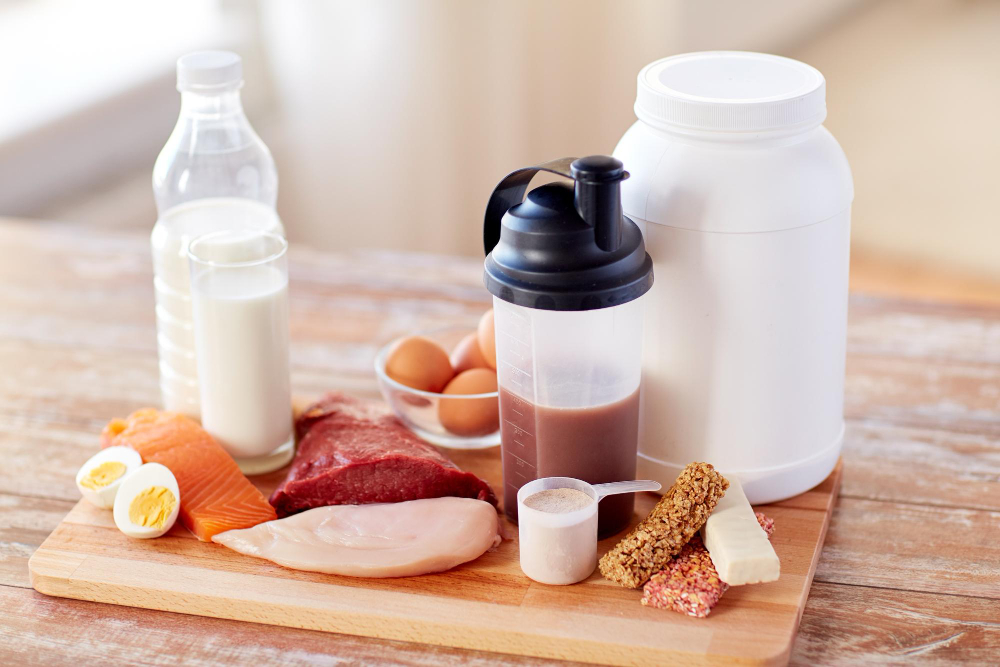
Choose quality sources. Whether you eat meat, dairy, or follow a vegan path, there are plenty of options. Lentils, chickpeas, tofu, tempeh, eggs, chicken breast, fish, and Greek yogurt all count toward your goal.
Don’t neglect plants. If you’re plant-based, aim to combine sources and keep variety high. It’s absolutely doable to meet the daily protein requirements for active adults on a meat-free diet.
Prioritize protein early. Starting your day with protein helps set the tone especially for how your body will handle the next meal and your fuel for the day.
Watch the big picture. Too much protein can come at the expense of other important foods like vegetables, legumes, mushrooms, seeds, and fruits, that bring fiber, micronutrients, and balance.
Example day to hit ~100 g of protein (Asian-Inspired edition)

Here is an Asian-inspired menu designed to help you hit approximately 100g of protein to meet the daily protein requirements for active adults:
Breakfast:
1. Soy milk (250 ml) + silken tofu (100 g) + a scoop of protein powder + sliced mango or banana → ~38 g (A smooth, high-protein start that blends local flavors with plant-based power)
Lunch:
2. Grilled lemongrass chicken (150 g) + steamed jasmine rice (1 cup) + stir-fried morning glory or bok choy → ~32 g (Lean chicken and fragrant herbs keep it light, satisfying, and packed with protein)
Dinner:
3. Miso-based lentil soup with chickpeas + brown rice (1 cup) + a side of kimchi or pickled vegetables → ~30 g (A comforting, umami-rich meal that fuses Japanese and Korean influences while staying nutrient-dense)
Key takeaways on daily protein requirements for active adults

1. If your activity ramps up, resistance training, endurance work, heavy lifting—your daily protein requirements for active adults will increase as well to facilitate tissue repair.
2. If you’re more sedentary, you don’t need mega amounts, but you still benefit from consistent intake.
3. Protein shakes and bars are convenient—but not essential if you’re eating whole-food meals that hit your targets.
Your body is far more than its muscles. Supporting recovery, hormone balance, immunity, and metabolism starts with thoughtful nutrition, and protein plays a key role.
Whether you’re building strength, supporting general wellness, or simply wanting to feel more energetic and resilient, protein is a reliable ally. Incorporate it thoughtfully across your day, pair it with good meals and snacks, and you’ll be setting your body up to perform better, recover smarter, and feel stronger from the inside out.
Conclusion
Understanding the daily protein requirements for active adults is a fundamental step toward achieving a sustainable and healthy lifestyle. By focusing on high-quality sources and distributing your intake throughout the day, you provide your body with the necessary tools for recovery, immunity, and long-term vitality. Whether your goal is to conquer a new trail or simply maintain a balanced diet, prioritizing protein will help you perform better and recover smarter.
Ready to elevate your wellness journey? Join our outdoor community! Follow our Facebook Page and join our ExoTrails Community Group to connect with fellow explorers and stay updated on the latest trails!
FAQs
What are the daily protein requirements for active adults?
Active adults generally need between 1.6 and 2.2 grams of protein per kilogram of body weight. This range ensures the body has enough amino acids for muscle repair and metabolic health.
Can I meet my protein needs on a plant-based diet?
Yes, by combining various sources like tofu, lentils, beans, and seeds, you can easily reach your targets. Plant-based proteins also offer the added benefit of high fiber and micronutrients.
Does it matter when I eat my protein?
Yes, spreading protein intake across 3-5 meals throughout the day is more effective for muscle synthesis than eating it all in one sitting. This provides a steady supply of nutrients to your tissues.
What happens if I don’t get enough protein?
A deficiency can lead to muscle loss, slower recovery times, weakened immunity, and persistent fatigue. It can also cause increased cravings and a drop in overall physical performance.
Klook.com