

Table of Contents Show
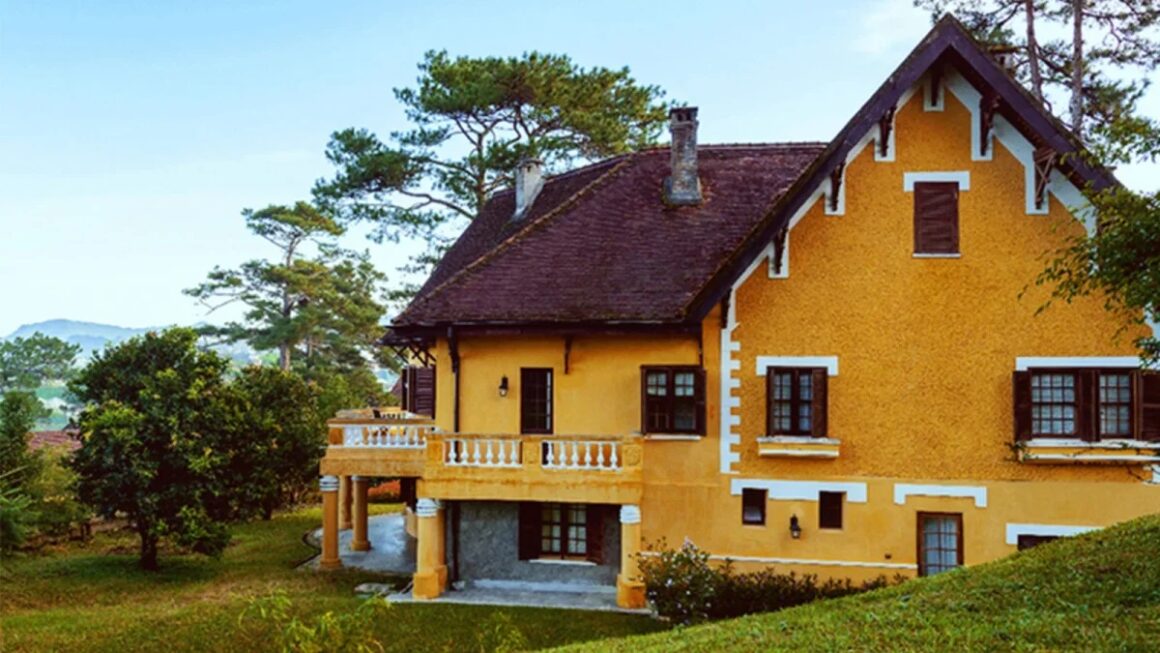
Scattered across Vietnam’s mountains, forests, and misty plateaus are the silent remains of a bygone era, French colonial outposts, villas, forts, and hidden stations long abandoned and slowly surrendered to the jungle. These relics, built mostly between circa 1880 and 1945, offer travellers a hauntingly beautiful journey into a past that nature has reclaimed with quiet determination, showcasing the magnificent French colonial architecture ruins Vietnam.
For adventurers who seek stories written in stone and silence rather than plaques and signposts, Vietnam’s forgotten French-era remnants reveal a world where history dissolves into the wild.
Read more interesting posts here:
- Central Vietnam Food Guide: 3 Must-Try Regional Noodles That Rival Phở
- Vietnam Tattoo Tourism: Explore the Incredible Artists Shaping Modern Vietnamese Tattoo Art
- Best Cities in Vietnam for First Time Travelers: Hidden Gems Beyond Hanoi & Ho Chi Minh City
A ghostly ascent into the hills of French colonial architecture ruins Vietnam
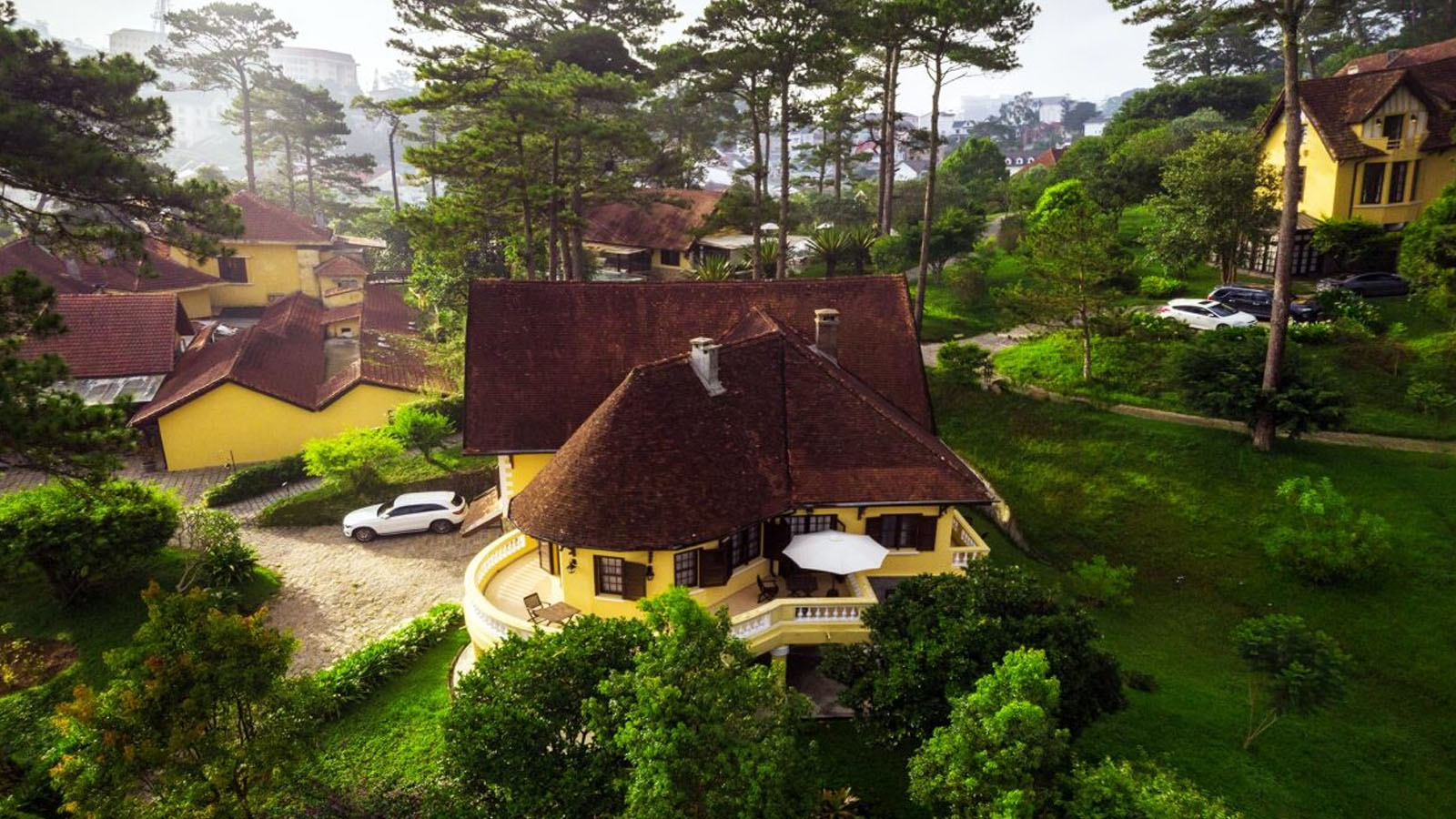
Deep in the Highlands, near Bảo Lộc and Đạ Tẻh, lie scattered examples of French colonial architecture ruins Vietnam, originally old French tea and coffee estates established during the late 19th century to early 20th century (circa 1890–1930). These plantations were once bustling hubs of colonial agriculture, but today their crumbling villas and processing houses sit quietly beneath layers of moss and vines. Walking through these forgotten compounds feels like stepping into a dream: fireplaces swallowed by roots, staircases leading nowhere, empty windows now framing nothing but green.
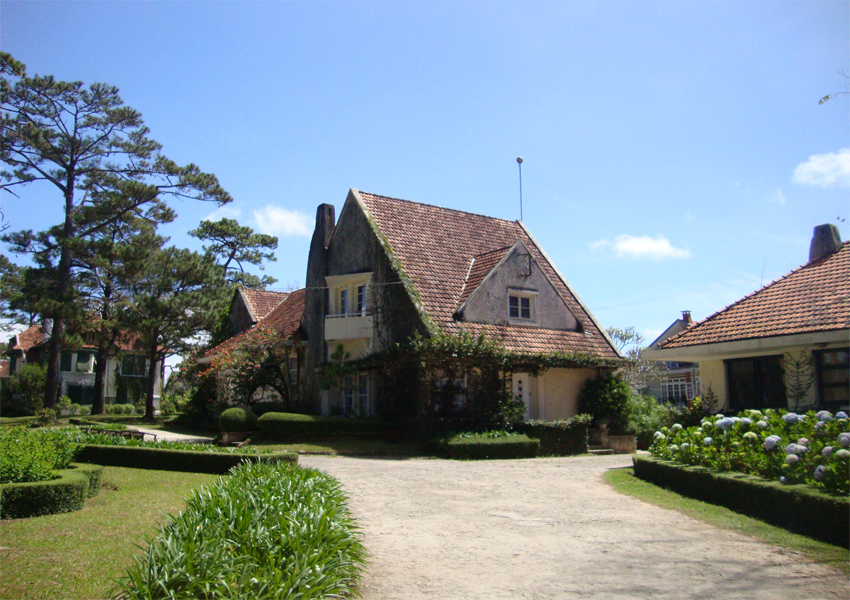
The light that spills through broken roofs each morning feels almost theatrical, as if each ruin is performing a final act under nature’s direction. Further north, remnants of the old Tam Đảo Hill Station (established around 1904) emerge from the mist. This mountaintop resort was built for French officials seeking cool air above the tropical heat. Today, stone foundations, fragments of walls, and vine-wrapped pillars hint at the elegance that once attracted colonial elites. The climate remains just as cool, but the jungle has reclaimed the French colonial architecture ruins Vietnam, restoring the mountain to its original rhythm.
The jungle fortresses of French colonial architecture ruins Vietnam
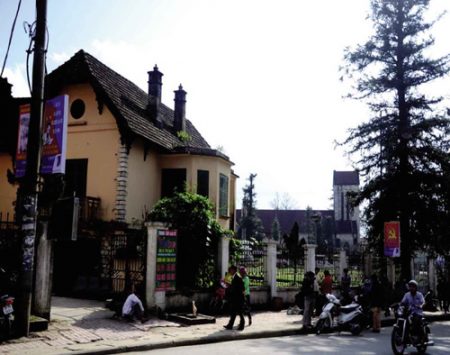
On the rugged borderlands of Lào Cai and Lai Châu, eroded shells of military fortifications built between circa 1910 and 1940 still cling to high ridges, adding to the mystique of French colonial architecture ruins Vietnam. These forts once guarded strategic mountain passes during turbulent political periods, but now host only wind, lichen, and the occasional call of langurs echoing across the valleys.
Vines drape across fractured battlements. Wildflowers push through broken stone. Banyan roots curl across old walls like great, deliberate brushstrokes. Standing here among the French colonial architecture ruins Vietnam, travellers sense both the ambition of the past and the quiet power of nature reclaiming it.
Hidden railways and forgotten bridges
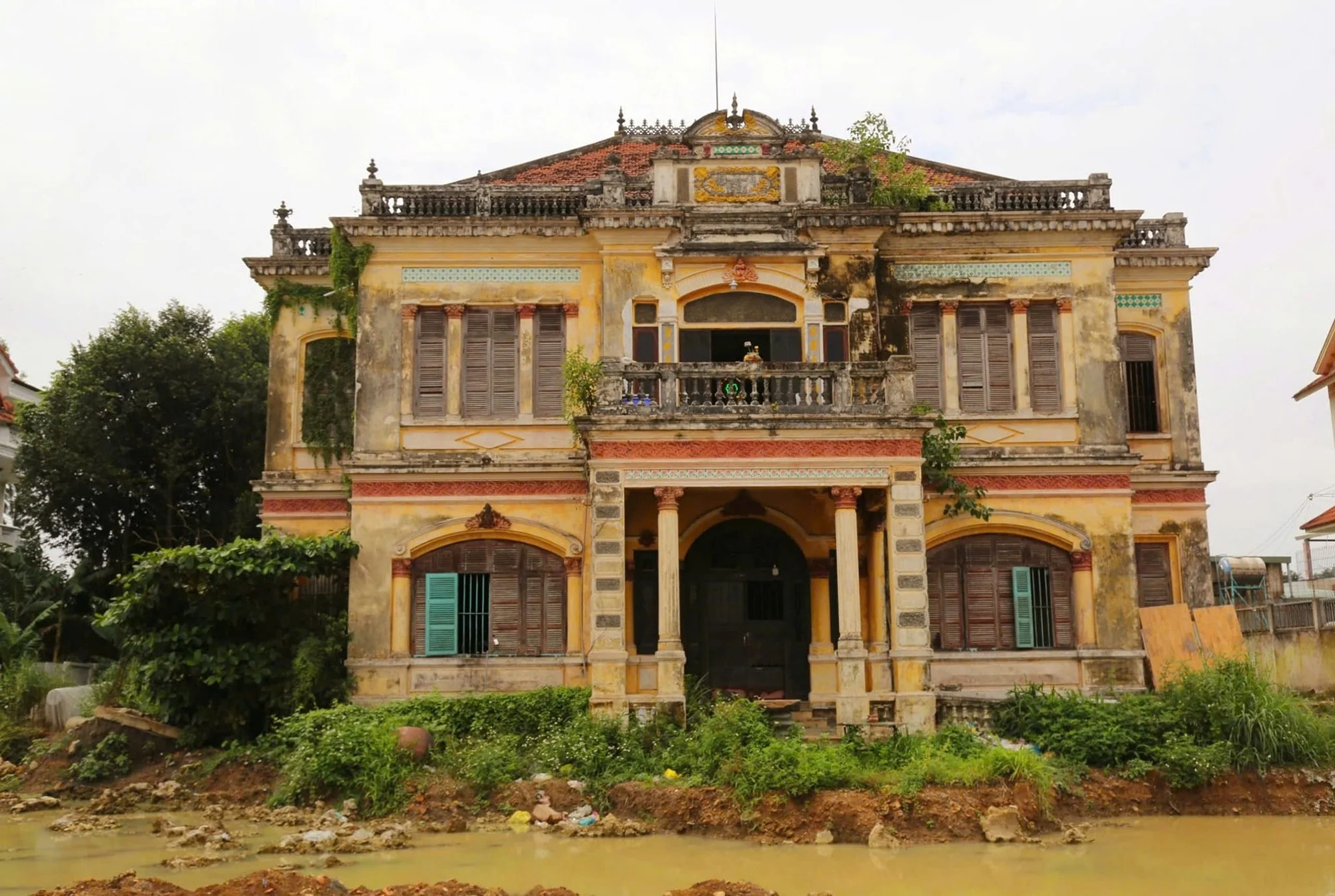
Some of Vietnam’s most intriguing relics lie far from the highways, remnants of colonial-era rail networks constructed between circa 1895 and 1930 that are now part of the French colonial architecture ruins Vietnam. In the forests of Đồng Nai and Bình Phước, travellers can still find rusted bridge frames, collapsed rails, and stone culverts built to support transport lines that once carried goods and military supplies. Now, these structures sit forgotten beneath thick canopies, softened by ferns and strangler figs. What was once a symbol of industrial ambition is now a peaceful corridor of birdsong and breeze.
A wilderness return to balance among French colonial architecture ruins Vietnam
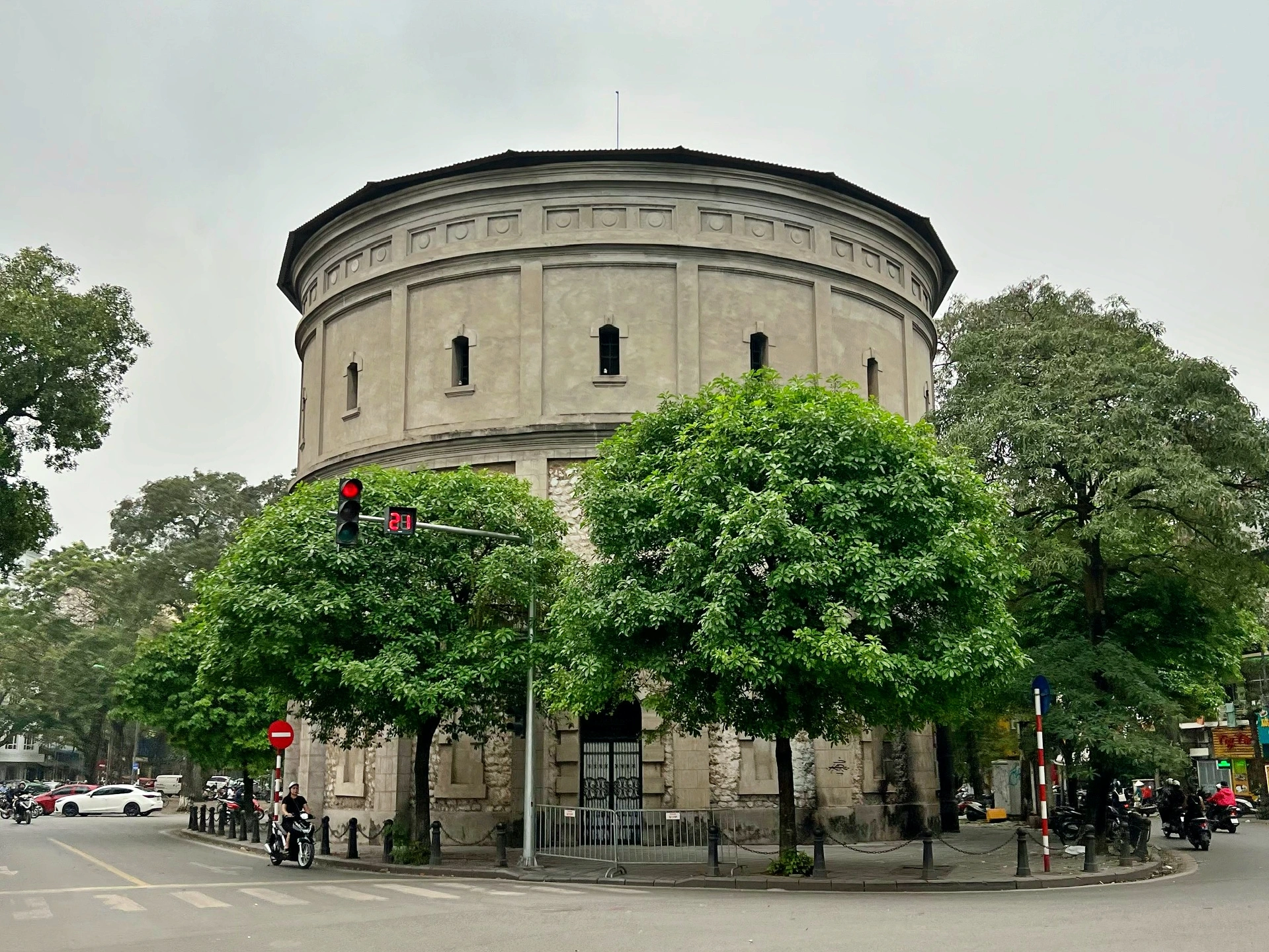
The beauty of these reclaimed relics lies not in preservation but in transformation. Over the decades following the end of French Indochina in 1954, nature has become the dominant architect of the French colonial architecture ruins Vietnam. Staircases are draped with moss. Window frames cradle orchids. Entire buildings have folded into the earth, leaving behind sculptural silhouettes absorbed into the forest. These ruins feel alive because they tell two stories at once — one of human construction, and one of nature’s patient return.
Exploring the past through nature’s lens
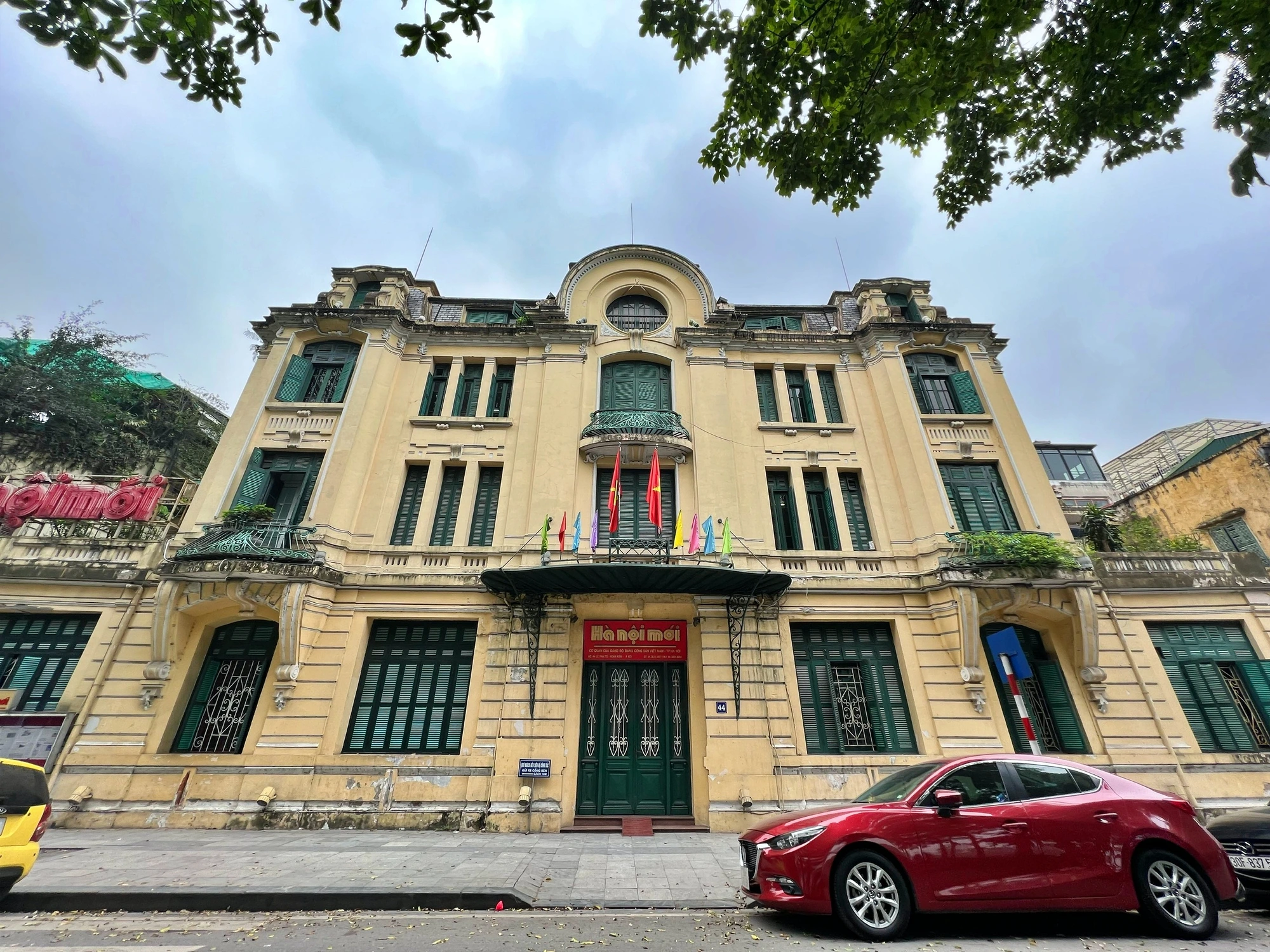
Vietnam’s abandoned French-era relics invite travellers to explore history in its raw, unpolished form. Here, the jungle does more than reclaim the French colonial architecture ruins Vietnam: it paints over, reshapes, and breathes new life into structures once built to impose control over the land.
In these quiet, vine-covered ruins, travellers don’t just look back at history, they witness the earth’s slow and beautiful triumph. For explorers seeking something atmospheric, mysterious, and emotionally rich, these forgotten relics offer some of Vietnam’s most evocative adventures. They are not destinations marked by crowds. They are whispers of the past hidden in the green. And for those who find them, they become unforgettable.
After exploring Vietnam’s fascinating colonial architecture, a coastal escape can be a refreshing change of pace. This Mui Ne – Phan Thiet 2D1N tour from Ho Chi Minh City offers a chance to discover seaside landscapes and charming coastal towns here: https://bit.ly/40tk7LS
Conclusion
Wandering through the majestic French colonial architecture ruins Vietnam offers a profoundly haunting and poetic travel experience that you simply cannot find in modern museums. As you explore these vine-draped villas, forgotten mountain fortresses, and rusted railway bridges, you witness the breathtaking power of nature slowly reclaiming human history. Pack your camera, respect the silence of these abandoned spaces, and let the ghostly echoes of the past guide you on a truly unforgettable adventure.
Ready to uncover more hidden historical relics and share your photography? Follow our Facebook Page and join our ExoTrails Community Group to connect with fellow explorers and stay updated on the latest trails!
FAQs
Where can I easily find the best French colonial architecture ruins Vietnam?
Some of the most accessible and atmospheric ruins are located in the misty mountains of Tam Dao, the dense jungles of Ba Vi National Park, and the highland pine forests surrounding Da Lat. You can easily find the exact trailheads to these historical sites using the offline maps on the ExoTrails app.
Is it safe to explore these abandoned jungle ruins?
While exploring these historical sites is incredibly rewarding, you must always exercise high caution. Stay strictly on marked trails to avoid unstable collapsing structures, wear sturdy hiking boots, and be highly aware of local wildlife or hidden drops beneath the thick jungle vines.
Do I need a special permit to visit these colonial sites?
Most of the well-known abandoned French villas and hill stations within national parks only require a standard park entrance fee. However, some remote military forts near the northern border may require you to hire a local guide or obtain permission from local authorities before your visit.
Klook.com