
Table of Contents Show
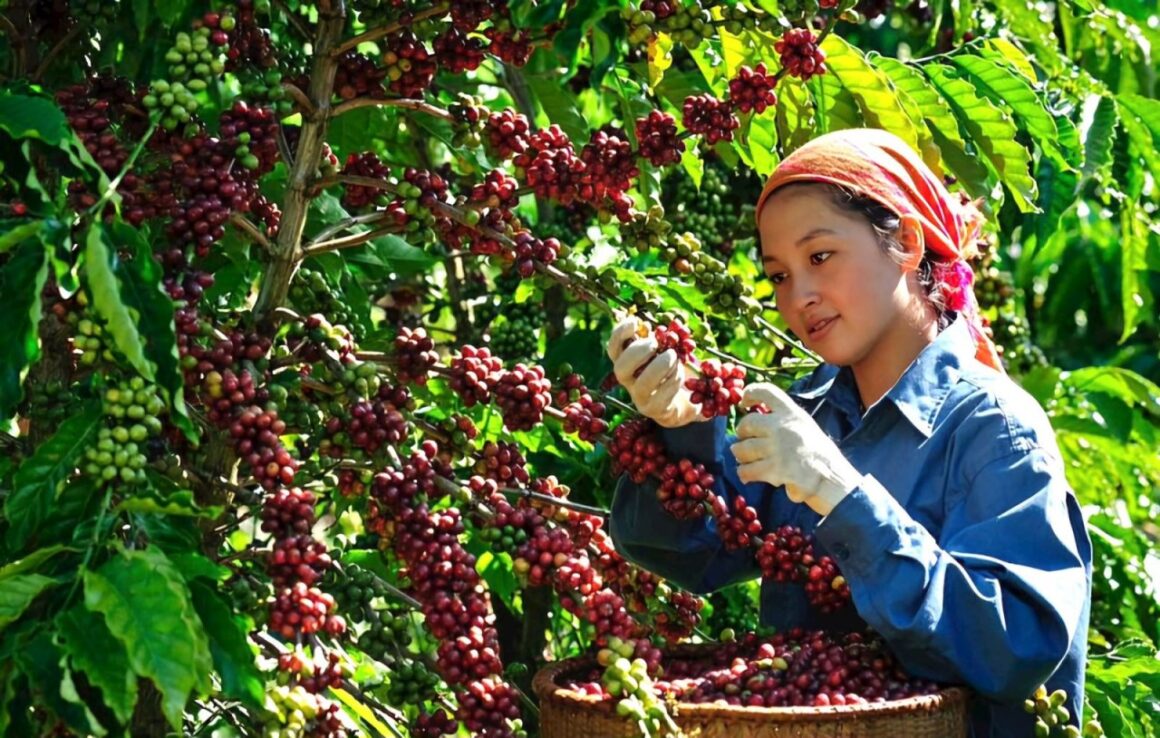
When one thinks of Vietnam’s coffee culture, bustling streets filled with vibrant cafes serving frothy egg coffee or strong Viet drip coffee usually come to mind. However, to truly grasp the depth of this beverage’s significance, one must venture into the mountainous regions, where the stories of local tribes intertwine with the coffee plants groaning under the weight of their dark, juicy berries. At altitudes of 1,500 meters, the Vietnamese coffee culture of the K’Ho, Ê Đê, and Ba Na communities flourishes, offering a unique perspective that transcends mere consumption—it is a connection to tradition, resilience, and hope for the future.
Read more interesting posts here:
- Vietnam Culinary Tourism: A Taste of Authentic Discovery
- Exploring the Best Vietnam Camping Sites: The Fire Beneath the Stars
- Vietnam Cloud Hunting: The Rise of Summit Hiking in the North
The heart of highland coffee and Vietnamese coffee culture
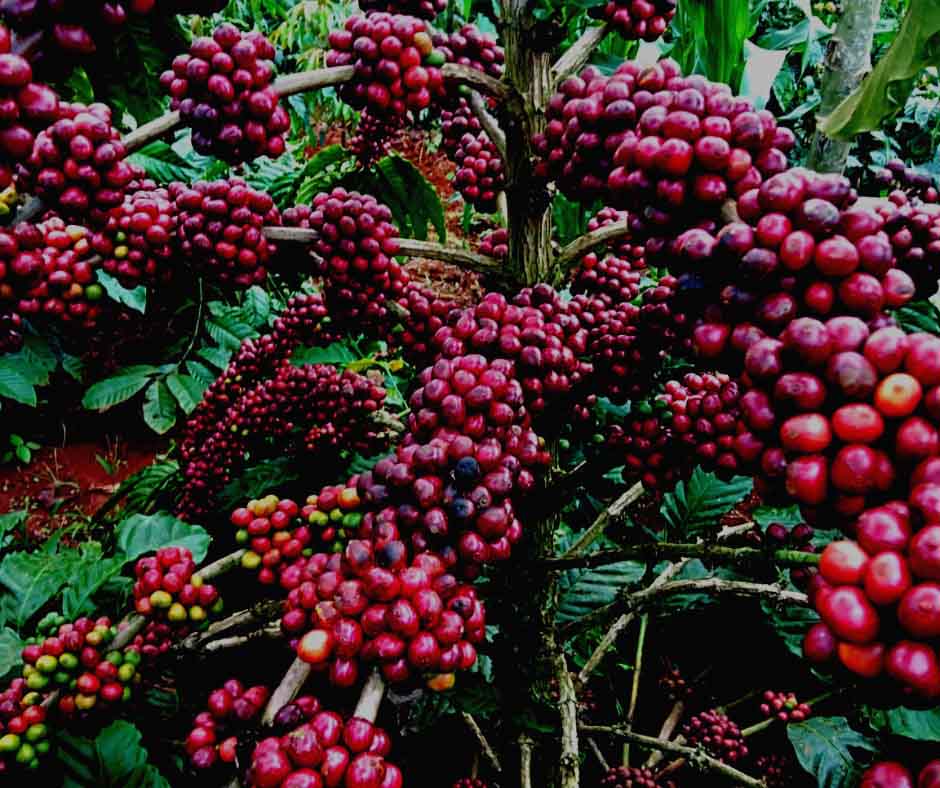
Nestled in the Central Highlands, the provinces of Lam Dong and Dak Lak are home to lush coffee plantations tended by indigenous farmers. Here, the K’Ho, Ê Đê, and Ba Na tribes cultivate Arabica and Robusta beans, although it’s the Arabica that shines in these high-altitude gardens. The altitude, combined with the mineral-rich volcanic soil and favorable climate, produces coffee that is not just sought after, but renowned for its complex flavors and rich aromas, which define this element of Vietnamese coffee culture.
In these mountainous terrains, coffee is not merely a commodity; it’s a way of life. The cultivation process is steeped in tradition, with each tribe holding distinct practices passed down through generations. As you sip a cup of robust coffee on a highland terrace, you’re not just enjoying a beverage; you’re partaking in a rich narrative of toil, dedication, and love for the land that shapes the authentic Vietnamese coffee culture.
Brewing traditions that define Vietnamese coffee culture
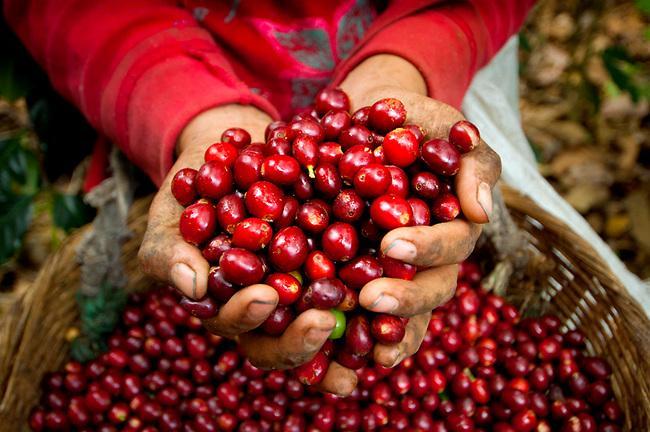
Engaging with the K’Ho, Ê Đê, and Ba Na coffee farmers reveals a world where each bean tells a story. Early mornings in the hills are filled with the sound of grinding coffee by hand, as sturdy wooden mortars and pestles echo through the valleys. This method retains the beans’ essential oils, enhancing the flavor. The brewing process often occurs over open flames, with water heated in traditional pots, infusing the coffee with a deep, smoky essence that represents the earthy character of these mountains and is central to Vietnamese coffee culture.
Farmers often share their stories while brewing, recounting tales of hardship and perseverance amidst the backdrop of their breathtaking surroundings. The coffee itself becomes a symbol of their resilience and a means of hope. Many farmers share dreams of their coffee being recognized in the global specialty scene—aspirations that reflect a deep connection to their craft and an understanding of the intricate world of coffee beyond the local market.
A sensory experience that captures the true Vietnamese coffee culture
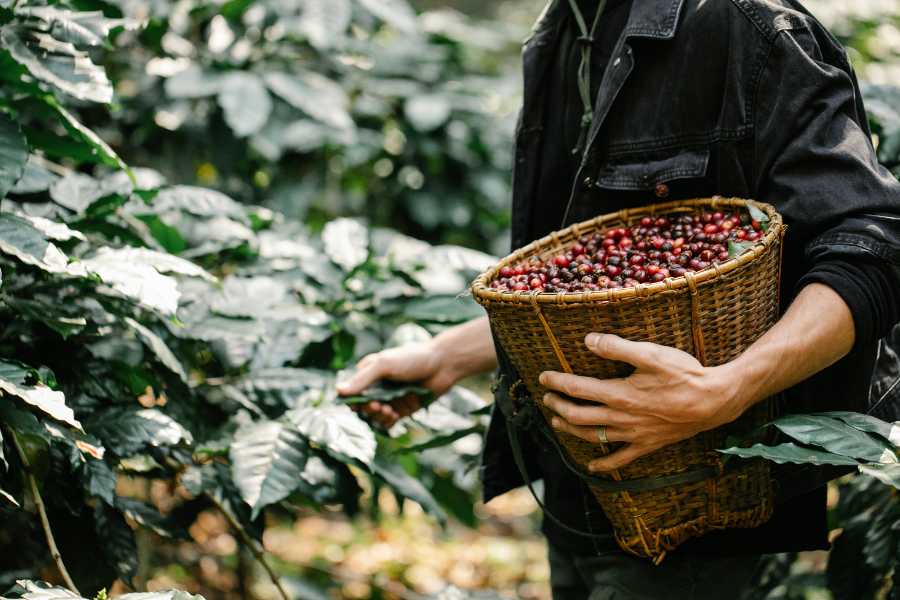
Tasting coffee at 1,500 meters isn’t just about flavor—it’s an immersive experience. The high-altitude vistas provide a backdrop of rolling hills and expansive valleys, each sip enhanced by the fresh, crisp air that can only be found in the mountains. The first taste of a brewed cup reveals a range of senses: the sweetness reminiscent of dark chocolate, hints of tropical fruits, and a subtle acidity that awakens the palate.
As you explore the region, engaging in coffee farm tours, you’ll witness firsthand the meticulous care involved in the coffee-growing process—from planting to harvesting to roasting. For many farmers, the harvest represents not just economic gain but the culmination of a year’s worth of labor and dedication to their craft.
The future of tribal coffee and Vietnamese coffee culture
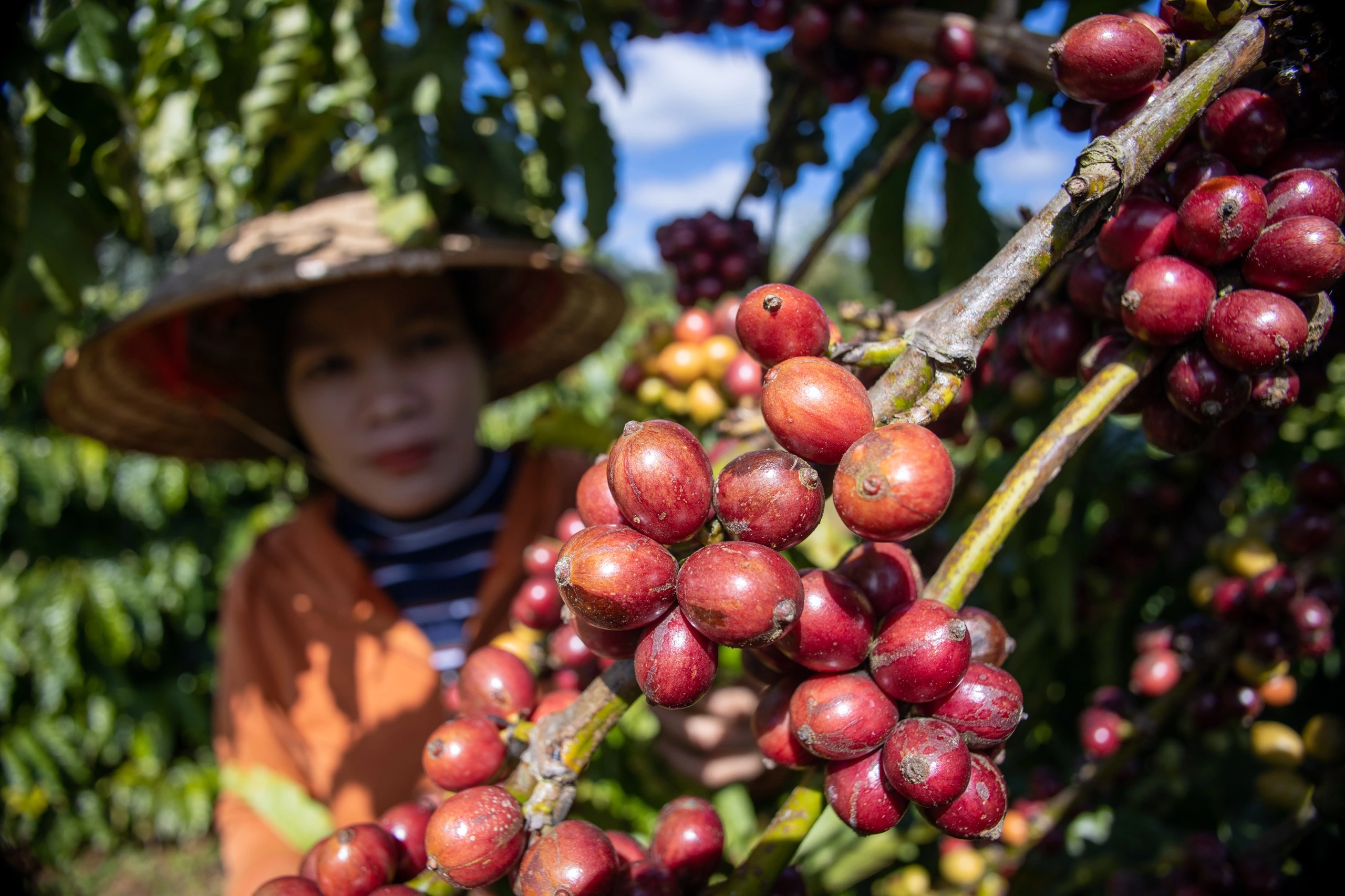
With the growing demand for specialty coffee worldwide, the K’Ho, Ê Đê, and Ba Na communities are positioning themselves to elevate their product on the global stage. Sustainable practices, organic farming, and fair-trade initiatives are becoming focal points, illustrating their commitment to not just preserving their heritage but also enhancing the quality of their coffee and enriching the Vietnamese coffee culture.
While hipster cafés in city centers may offer trendy brews, the true essence of Vietnam’s coffee culture is found in the stories brewed at high altitudes. It is in the mountains that coffee becomes a tale woven from tradition, culture, and aspiration—a narrative that invites travelers to immerse themselves in a vibrant tapestry of flavors and experiences.
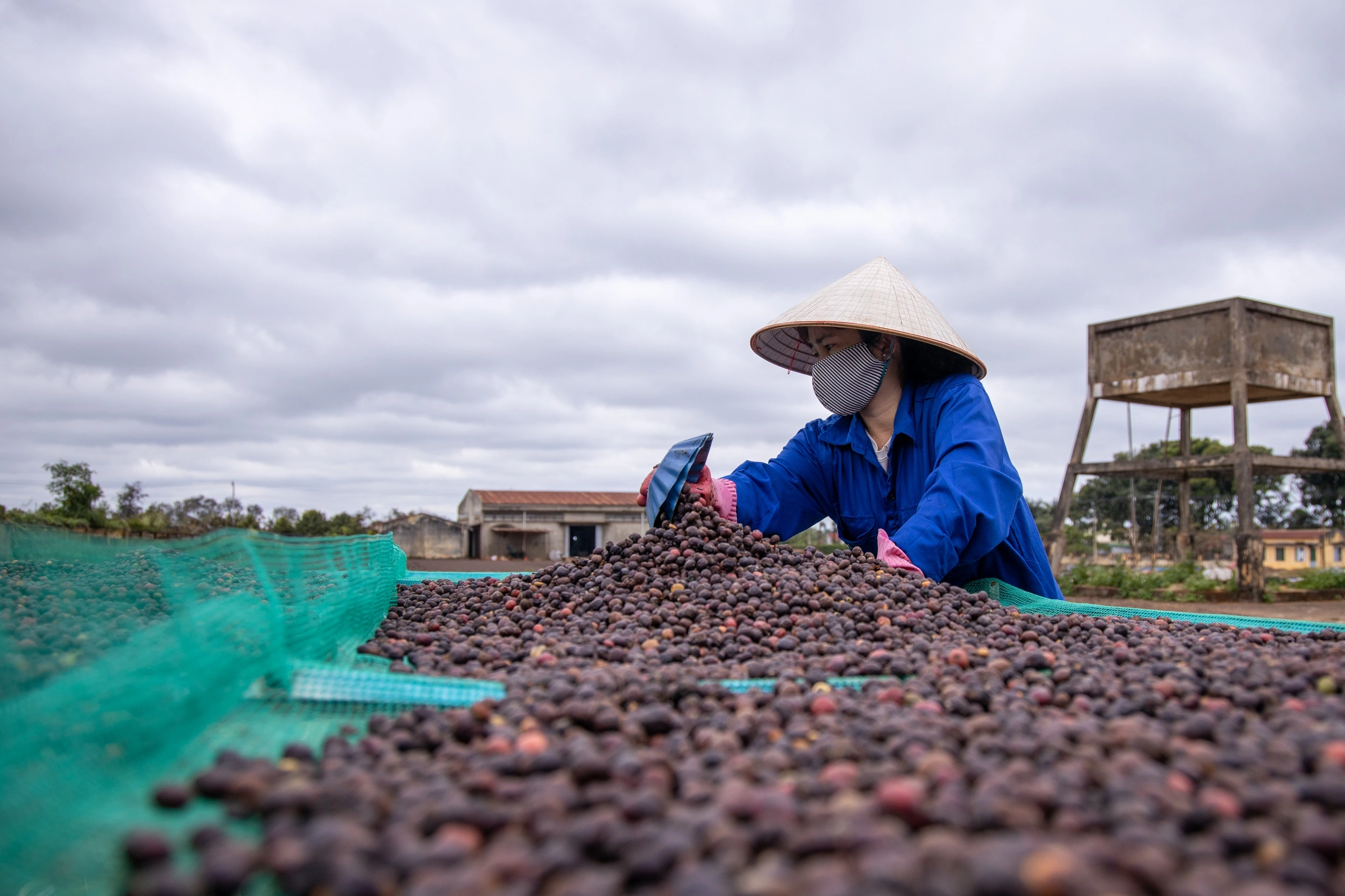
As you explore this rich mountainous terrain, each cup you enjoy becomes a testament to resilience and hope, linking you not only to the land but to the lives of the passionate farmers who cultivate these extraordinary beans. Here, at 1,500 meters, an authentic Vietnamese coffee journey awaits—one far removed from the urban hustle, inviting you into a world where every sip is steeped in history and culture.
Join our vibrant community on Facebook to share your trekking stories and tips, and don’t forget to like the ExoTrails fanpage for the latest updates and exclusive offers!
Conclusion
The heart of the true Vietnamese coffee culture lies not in the urban rush but in the tranquil, high-altitude farms of the Central Highlands. It is here that indigenous tribes like the K’Ho, Ê Đê, and Ba Na transform coffee cultivation into a deeply rooted cultural practice. By focusing on traditional methods, quality Arabica beans, and sustainable practices, these communities ensure that every cup tells a powerful story of the land, resilience, and the vibrant future of Vietnam’s coffee industry.
Frequently Asked Questions (FAQs)
Q: Which regions are central to the traditional Vietnamese coffee culture?
A: The Central Highlands provinces of Lam Dong and Dak Lak are considered the heart of the traditional Vietnamese coffee culture, especially for high-altitude Arabica.
Q: What is unique about the brewing process in the Central Highlands?
A: Many communities use traditional methods like hand-grinding with mortars and pestles and brewing over open flames, which imparts a unique, smoky essence to the coffee.
Q: Do the Central Highlands primarily grow Arabica or Robusta beans?
A: While Robusta is the dominant variety in Vietnam, the Central Highlands, especially at higher elevations, are renowned for cultivating high-quality Arabica beans.
Q: How does this tribal coffee culture differ from city coffee shops?
A: The tribal culture emphasizes the connection to the land, traditional farming practices, and community stories, contrasting with the fast-paced, modern, and often filtered brews of city cafes.
Klook.com