
Table of Contents Show
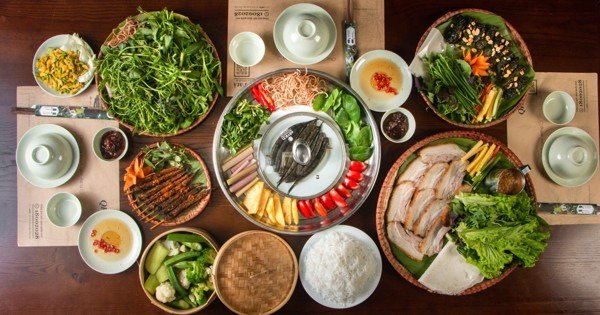
In Vietnam, food is far more than mere sustenance; it serves as a living narrative that encapsulates the essence of family, migration, and identity. Each dish carries a story, intricately woven through generations of culinary tradition and cultural exchange. As one embarks on a journey through this vibrant tapestry of flavors, it becomes clear that regional Vietnamese cuisine is a profound reflection of the country’s history, its people, and the evolution of its cultural identity.
Read more interesting posts here:
- Cai Rang Floating Market: A Traveler’s Guide to Vietnam’s Floating World
- History of Vietnamese Coffee: From Colonial Import to National Fuel
- French Colonial Architecture Vietnam: Mastering the Art of Cultural Synthesis
Family Recipes: The Foundation of Regional Vietnamese Cuisine
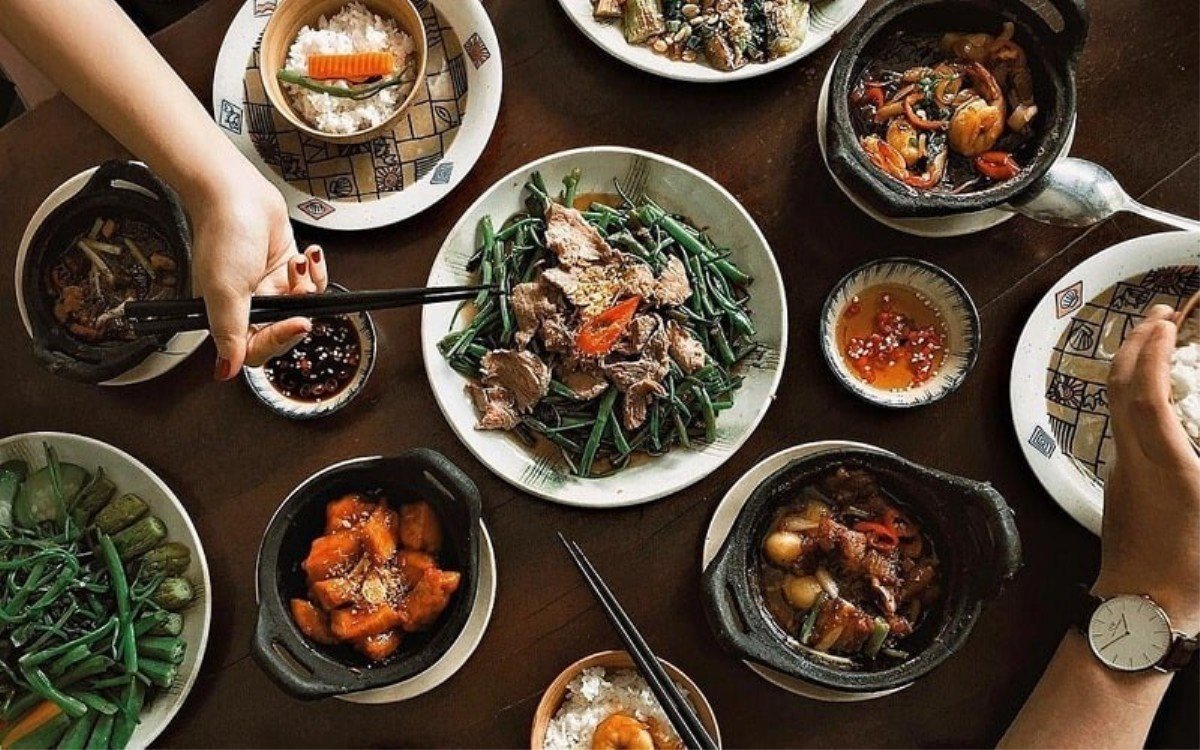
At the heart of this culinary exploration are family recipes, lovingly passed down through generations. These dishes are often steeped in memory, recalling the warmth of home-cooked meals shared with loved ones. Recipes for classics like phở and bánh xèo are cherished treasures, each shared among family members who gather to prepare them. The process of cooking becomes a communal experience, filled with laughter and storytelling. For many Vietnamese, these recipes are not just about food; they represent a connection to their heritage and a way to keep the past alive in the present.
Mapping Flavors: The Diversity of Regional Vietnamese Cuisine
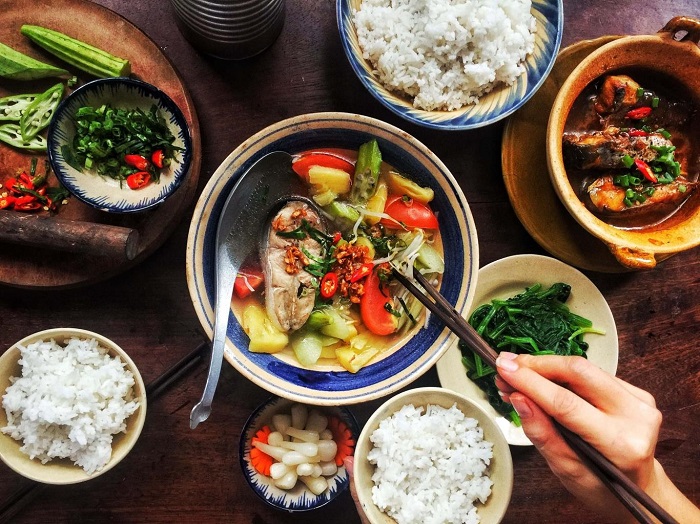
Regional diversity plays a significant role in shaping Vietnam’s culinary landscape. Traveling from the north to the south, one encounters a rich variety of flavors, ingredients, and cooking techniques that reflect local traditions and environmental influences. In the northern highlands, hearty dishes feature fresh herbs and mountain vegetables, while in the coastal regions, seafood takes center stage, embodying the bounty of the ocean. The true beauty of regional Vietnamese cuisine lies in its distinct geographical variations. Each region boasts its own unique street food rituals—like the bustling night markets of Hanoi or the vibrant food stalls of Ho Chi Minh City—where flavors are intertwined with the rhythms of daily life.
Street Food Culture: The Communal Spirit in Regional Vietnamese Cuisine
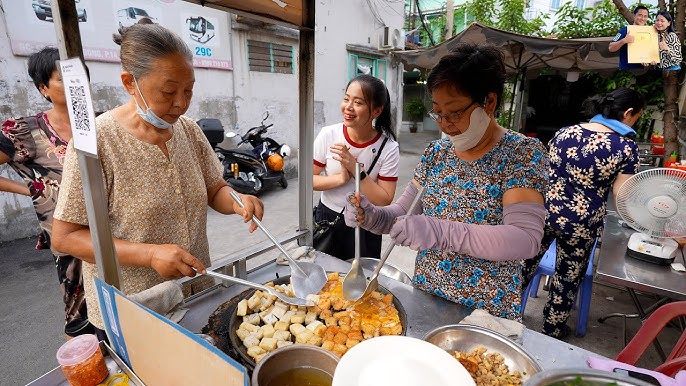
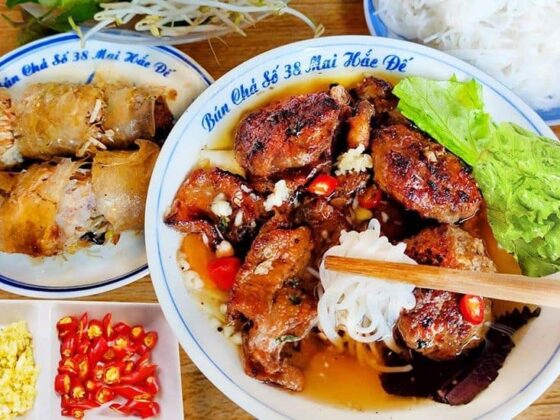
Street food culture in Vietnam serves as a testament to the communal spirit of eating, deeply rooted in regional Vietnamese cuisine. Vendors skillfully prepare dishes such as bún chả or cơm tấm in open-air stalls, creating a lively atmosphere that invites locals and visitors alike to sit and share a meal. The act of eating together in these vibrant settings fosters connection and community, echoing the notion that food is best enjoyed in the company of others. Each bite tells a story of the vendor’s journey, their creativity, and the cultural exchanges that shape Vietnam’s culinary identity.
Migration: Shaping the Future of Regional Vietnamese Cuisine
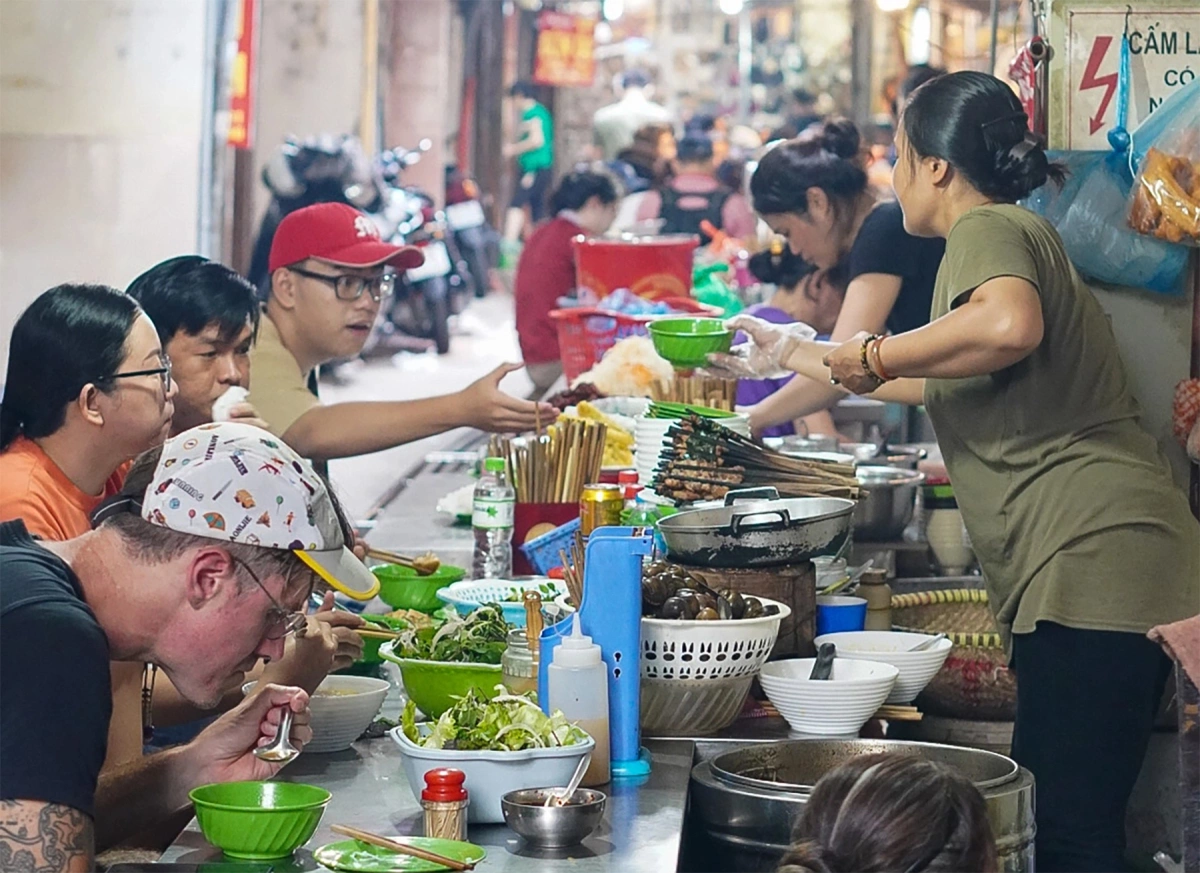
Migration has also significantly influenced Vietnamese cuisine, shaping the evolution of regional Vietnamese cuisine. As people have moved throughout the country and beyond, they have carried their culinary habits and flavors with them, leading to the fusion of traditions. For instance, the introduction of southern spices or regional specialties from afar has created a dynamic food scene that evolves continually. This melding of flavors and techniques speaks to the resilience and adaptability of the Vietnamese people, showcasing how culinary practices can transcend borders while maintaining a sense of cultural pride.
ExoTrails: Your Guide to Regional Vietnamese Cuisine Experiences
ExoTrails recognizes the importance of these culinary narratives by curating experiences that allow travelers to engage with the flavors and stories that define regional Vietnamese cuisine. With its “EAT LOCAL” initiative, ExoTrails highlights thousands of local specialties, some offering guided tours and cooking classes that introduce visitors to local chefs and families. Participants have the opportunity to learn about traditional recipes and the cultural significance behind each dish. They can dive into hands-on experiences—mastering the art of making nem rán (spring rolls) or crafting their own bánh mì—gaining insights into the connection between food, family, and identity.
In exploring Vietnam by taste, travelers embark on an enriching journey that transcends mere consumption. Each dish serves as a gateway into the heart of Vietnamese culture, revealing the profound connections between food, memory, and identity. As visitors savor the nuances of local flavors, they become part of a larger narrative that celebrates the richness of Vietnam’s culinary heritage a narrative that continues to unfold in kitchens across the country, one flavorful dish at a time.
Conclusion
The journey across Vietnam’s culinary landscape reveals that regional Vietnamese cuisine is a vibrant, living map of the country’s soul. It is a story told through the contrast of northern simplicity, central royal delicacy, and southern boldness, all unified by a deep respect for fresh ingredients and communal eating. Savoring these regional specialties is the most intimate way to connect with the history, traditions, and enduring identity of the Vietnamese people.
Ready to taste Vietnam? Join our vibrant community on Facebook to share your trekking stories and tips, and don’t forget to like the ExoTrails fanpage for the latest updates and exclusive offers!
Frequently Asked Questions (FAQs)
Q: What is the main difference between Northern and Southern regional Vietnamese cuisine?
A: Northern cuisine (like Hanoi) is typically subtler, focusing on light and balanced flavors, while Southern cuisine (like HCMC) tends to be sweeter, bolder, and more liberal with sugar and coconut milk.
Q: Are there distinct Royal dishes in regional Vietnamese cuisine?
A: Yes, Central Vietnam, especially Huế, is famous for its elegant and elaborate former Royal Court cuisine, which features smaller, complex, and beautifully presented dishes.
Q: Which regional dish is Phở most associated with?
A: Phở is most strongly associated with Northern Vietnamese cuisine, particularly Hanoi, though it has evolved into different styles throughout the entire country.
Q: Is street food a major part of regional Vietnamese cuisine?
A: Absolutely. Street food is central to Vietnamese culinary culture, providing the most authentic, accessible, and dynamic examples of each region’s distinct cooking styles and ingredients.
Klook.com