
Table of Contents Show
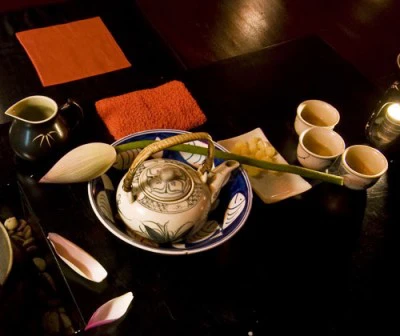
In the heart of Vietnam, tea transcends simple refreshment; it embodies a profound practice of presence, where stillness, connection, and artistry converge in every cup. Nestled in a quiet teahouse just behind the bustling streets of Hanoi, the steam rises gently from porcelain teacups. Outside, life buzzes with constant activity, yet within the walls of this sanctuary, time seems to stand still. The entire experience mirrors the tranquility of a formal Vietnamese tea ceremony.
Read more interesting posts here:
- Brewing Stillness: Unpacking the Meditative Art of Tea Vietnam Offers
- The Sleepy Trails: Discovering the Best Vietnam Hammock Cafes for Ultimate Relaxation
- Footprints of the Wild: Tracking the Urgent Mission of Vietnam Wildlife Conservation
The Ritual: Mindfulness in the Vietnamese Tea Ceremony
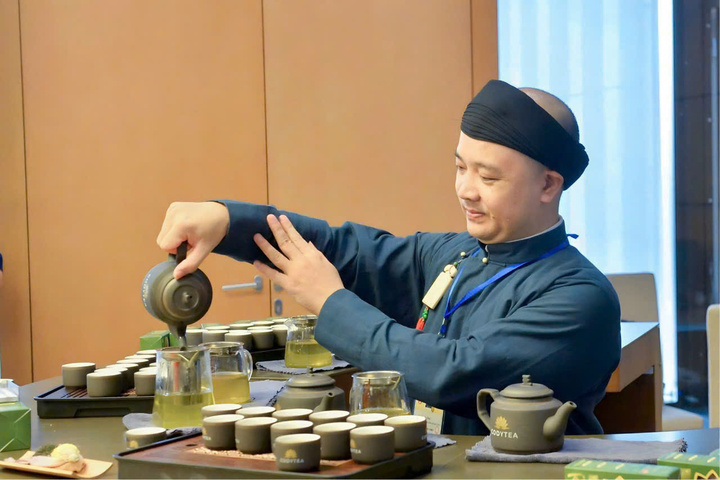
Every movement in Vietnamese tea culture is deliberate and mindful, much like a formal Vietnamese tea ceremony. The host pours water into a traditional clay teapot, allowing it to warm, then waits patiently before pouring again. This ritual, rich with purpose, reflects centuries of crafted experience and a deep appreciation for the art of tea. In Vietnam, tea is not merely a beverage; it represents a philosophy, a way of being that invites individuals to slow down and savor life.
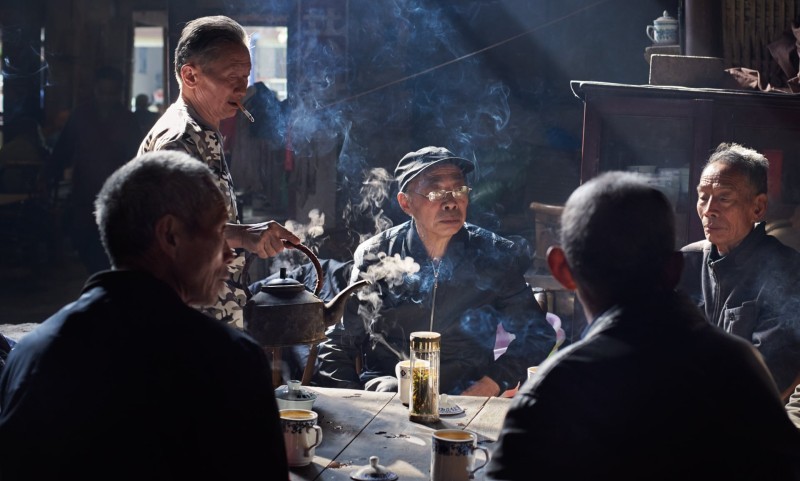
Vietnamese tea serves as a thread woven into the fabric of community and family life. It defines gatherings, creates moments of calm after a busy day, and symbolizes heartfelt hospitality. Each sip invites drinkers to connect not only with one another but also with the earth from which the tea originates. This connection is especially palpable in regions like Thai Nguyen and Phu Tho, where tea cultivation is both a livelihood and a sacred tradition.
Highland Harvests: The Foundation of the Vietnamese Tea Ceremony
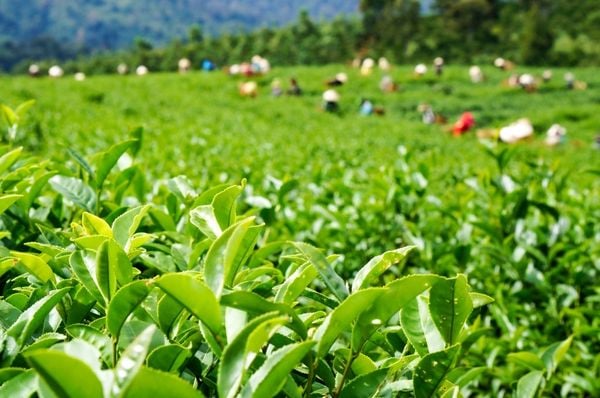
In these highland areas, the act of tea harvesting becomes a familial celebration. Farmers, working harmoniously with the rhythms of nature, handpick each leaf, honoring the land that has nurtured generations of tea cultivators. This slow and intentional approach to farming reflects a deep respect for the environment. It is about balance and harmony—an ethos that resonates throughout the tea-growing process.
Visiting tea plantations offers more than an educational experience; it allows travelers to witness how each cup of tea has the power to reconnect individuals with themselves, their communities, and the natural world. Here, visitors can engage in hands-on workshops led by local tea masters who share the delicate ritual of the Vietnamese tea ceremony preparation. They reveal the secrets of brewing techniques, timing, and the subtle nuances that elevate a simple cup of tea to an extraordinary experience.
Contemporary Sanctuaries: The Modern Vietnamese Tea Ceremony
Vietnamese tea culture has evolved, embracing contemporary influences while preserving its core essence: slowness, simplicity, and genuine connection. New teahouses sprouting up in urban centers like Hanoi and Ho Chi Minh City embody this philosophy. They serve as refuges for those longing to escape the frenetic pace of modern life, often recreating the sense of ritual found in a traditional Vietnamese tea ceremony.
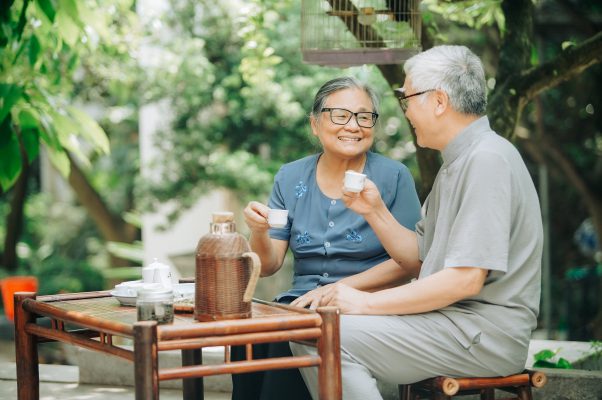
For travelers seeking respite, Vietnamese tea offers a tranquil moment amidst the chaos. The rituals of brewing, waiting for the leaves to steep, and ultimately drinking form a meditative practice that encourages mindfulness. It serves as a gentle reminder to pause and appreciate the present, inviting reflection on the quiet beauty that life has to offer.
Conclusion
Whether enjoyed in a vibrant city teahouse or a serene village, Vietnam’s tea culture provides a pathway to a deeper, more peaceful connection with the land and its people. Every sip calls for a moment of stillness—an invitation to breathe, reflect, and truly be present. In this ever-busy world, Vietnamese tea stands as a testament to the power of simplicity and the mindful ritual of the Vietnamese tea ceremony. Each cup is not just consumed but experienced, encouraging us to slow down and immerse ourselves in the rich tapestry of life that surrounds us.
Ready to experience this tranquil culture? Join our vibrant community on Facebook to share your trekking stories and tips, and don’t forget to like the ExoTrails fanpage for the latest updates and exclusive offers!
Frequently Asked Questions (FAQs)
Q: Where can a traveler participate in a Vietnamese tea ceremony?
A: Travelers can often participate in teahouses in major cities like Hanoi and Hue, or through organized workshops on the tea plantations in the Thai Nguyen province.
Q: What is the significance of the ritualistic movements in the Vietnamese tea ceremony?
A: The deliberate, slow movements signify respect for the tea, the guests, and the host, embodying a philosophy of mindfulness and presence.
Q: Is the Vietnamese tea ceremony the same as the Chinese or Japanese ceremonies?
A: While sharing roots, the Vietnamese tea ceremony is distinctively simpler, focusing more on the taste of the tea itself and intimate connection rather than elaborate performance.
Q: What type of tea is traditionally used in a Vietnamese tea ceremony?
A: High-quality, regionally-grown Vietnamese green tea, particularly the variety from Thai Nguyen, is most traditionally used in these ceremonies.
Klook.com