
Table of Contents Show
There are places in Vietnam where the past doesn’t sleep it breathes, sings, and guides your every step. Beyond the well-trod paths of Sapa and the imperial cities, the trails of the Cham and Tay peoples reveal a Vietnam often unseen a world shaped by Cham culture in Vietnam, mountain passes, forgotten temples, and timeless ways of life.
Read more interesting posts here:
- Hidden Hanoi: Uncovering the Best Non-Touristy Things to Do in Hanoi
- The Ritual of the Grind: Unpacking the Vibrant Vietnam Cafe Culture and Slow Living
- The Mekong’s Final Breath: Life at the Edge of the Mekong Delta Mangroves
Echoes of the Cham Kingdom: The Heart of Cham Culture in Vietnam
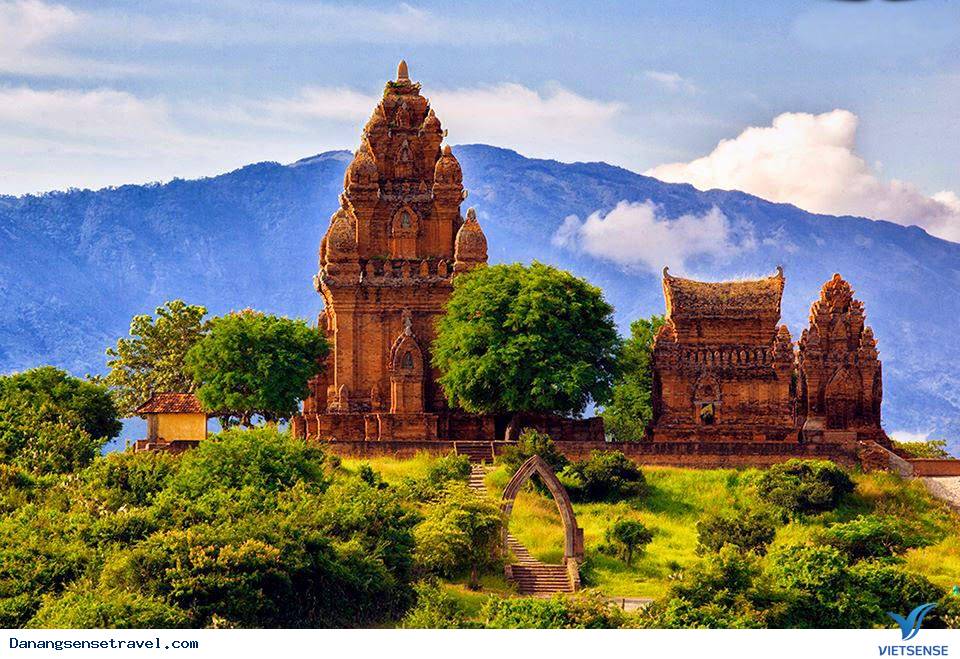
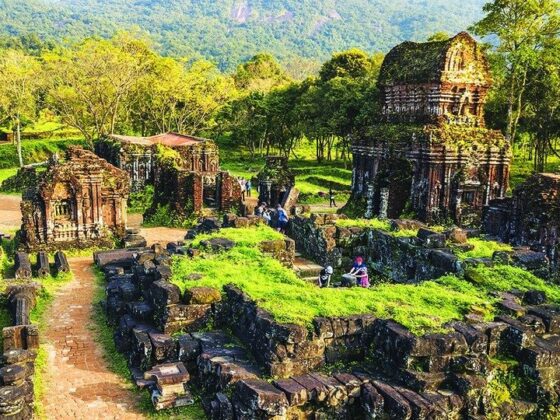
In the sun-baked landscapes of Central Vietnam, where the earth turns red and the hills rise toward the sea, the spirit of the Cham Kingdom still lingers. Once rulers of an empire that stretched along the coast from Hue to Phan Thiet, the Cham people were master builders, sailors, and keepers of an ancient Hindu-influenced culture, a legacy that continues to define Cham culture in Vietnam, rivaling even Angkor itself.
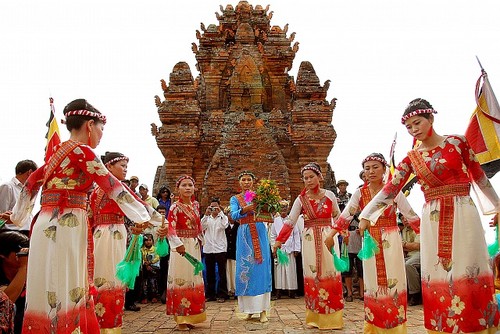
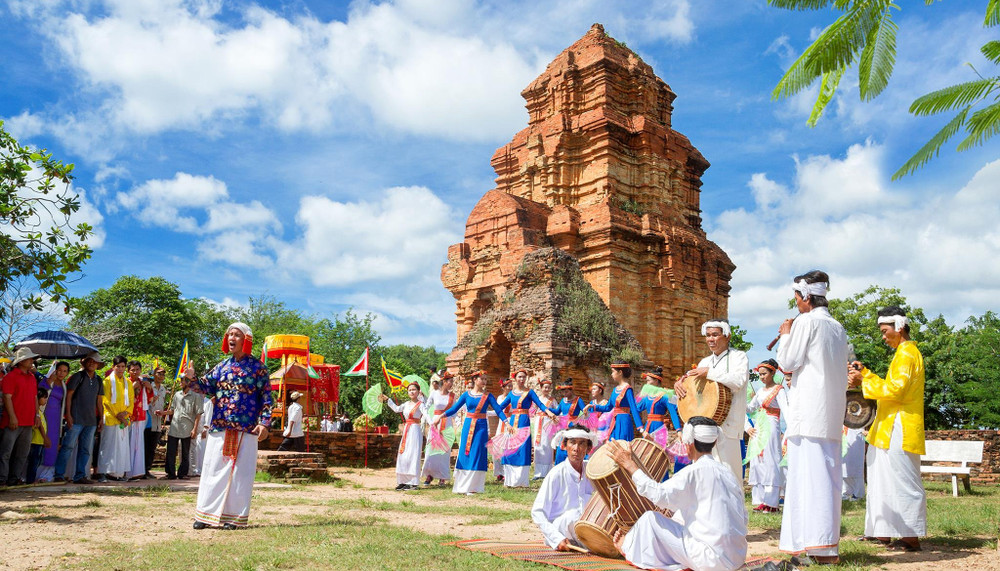
Today, trekking through Ninh Thuan or Binh Thuan, you can trace remnants of that civilization in the quiet shadows of Po Klong Garai or Po Rome Towers, their terracotta silhouettes glowing at sunset. These are not museum pieces but living shrines, places where the Cham still perform rituals to honor their deities, weaving threads between faith and survival. These ancient sites are the most tangible evidence of Cham culture in Vietnam.
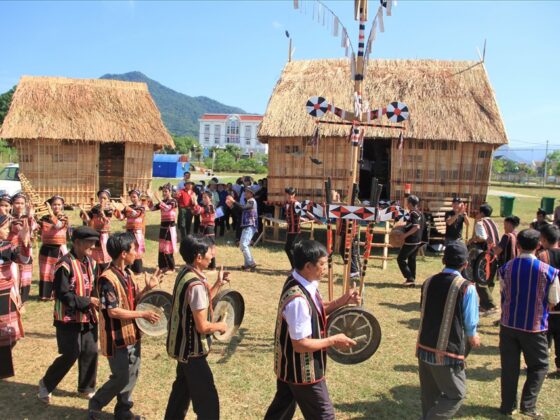
Hiking through Cham villages, travellers encounter artisans hand-weaving silk on wooden looms, women in bright indigo scarves tending to millet fields, and the soft hum of ancient chants drifting through the air. It’s a walk through time — one that invites reflection on endurance, identity, and the fragile beauty of tradition in the modern age.
Into the Green Heart of the Tay (A Cultural Contrast to Cham Culture in Vietnam)
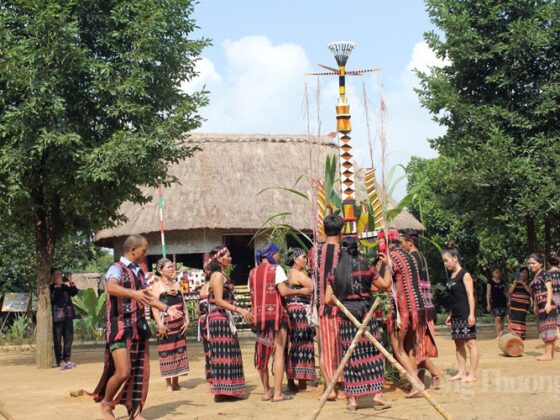
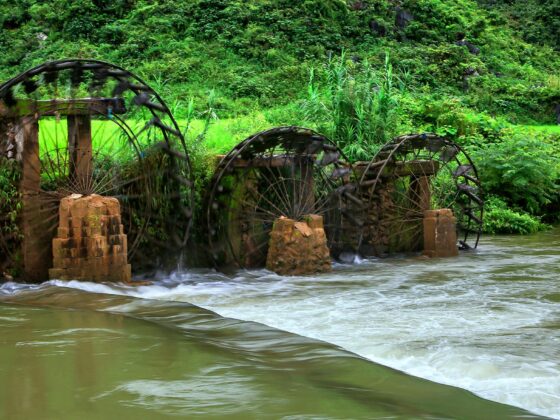
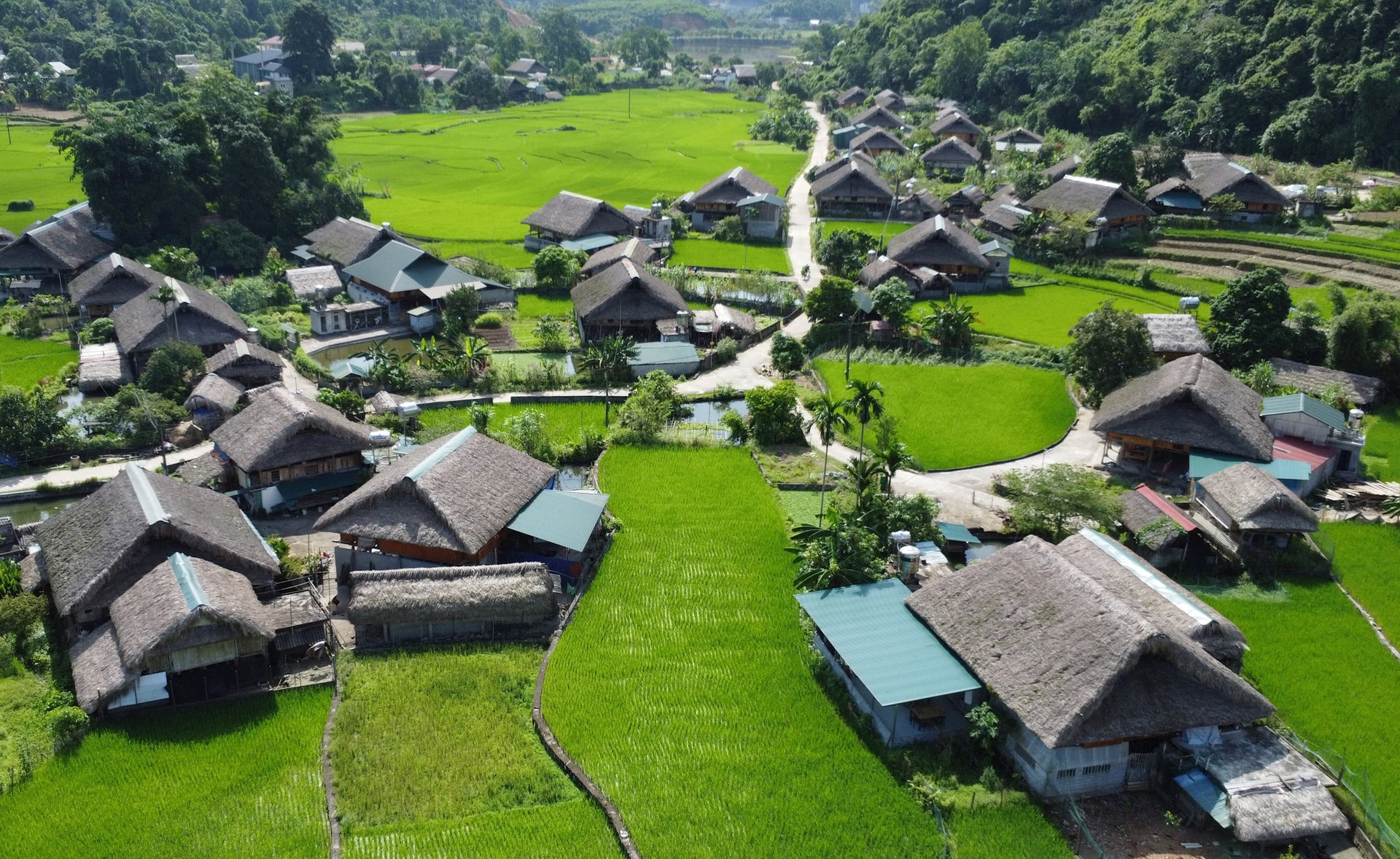
Far to the north, where limestone peaks cut into mist-covered skies, the Tay people have built their homes beside rivers and rice terraces that shimmer like scales of a sleeping dragon. Trekking through Ba Be National Park, Ha Giang, or Cao Bang, you move between bamboo bridges and stilt houses, where Tay families still gather around wood-fired hearths, speaking in a melodic dialect as old as the mountains — a living echo of Vietnam’s layered heritage, much like Cham culture in Vietnam further south.
Unlike the rugged intensity of Sapa, these northern trails offer a gentler rhythm — the kind of adventure that unfolds slowly, in the laughter of children by the river or the steam rising from a pot of corn wine. In Tay villages, hospitality isn’t a performance — it’s a way of life. You might be invited to share dinner with your host, a spread of grilled fish, foraged herbs, and sticky rice, all served with warmth that transcends language.
The Tay are storytellers by nature. Their folk songs, known as Then, echo through the valleys at night — songs of love, courage, and harmony with the land. To sit beneath the stars and listen is to understand something profound about Vietnam’s soul: that adventure is not only about reaching summits but also about connecting to the human landscapes that make those summits meaningful, much like the living spirit of Cham culture in Vietnam further south.
Bridging Heritage and Modern Exploration of Cham Culture in Vietnam
Modern explorers often seek unspoiled terrain, but here, the reward lies in the coexistence of people and nature. The trails of the Cham and Tay regions are more than routes — they are living corridors of culture, where every footstep supports local livelihoods, preserves heritage, and deepens understanding.
Whether you’re tracing the forgotten temples of the Cham or following river trails through Tay villages, the experience is transformative. These journeys remind us that Vietnam’s greatest treasures aren’t found in guidebooks but in the stories of its people — the guardians of a heritage shaped by centuries of resilience, from Cham culture in Vietnam to the living traditions that still beat in the heart of its mountains and plains.
Because in the end, trekking through these forgotten kingdoms isn’t about leaving footprints. It’s about finding your place in a story that began long before you arrived — and will continue long after you’ve gone.
Conclusion
The remnants of the ancient Cham Kingdom, visible in the terracotta towers and the resilient, living traditions of its people, represent a unique and profound aspect of Cham culture in Vietnam. By respectfully visiting the Ninh Thuan and Binh Thuan regions, travelers can witness a centuries-old Hindu-influenced heritage that has endured against the odds, offering a compelling narrative of identity, artistry, and faith.
Ready to trace the footsteps of a forgotten empire? Join our vibrant community on Facebook to share your trekking stories and tips, and don’t forget to like the ExoTrails fanpage for the latest updates and exclusive offers!
Frequently Asked Questions (FAQs)
Q: Where can I see the most prominent evidence of Cham culture in Vietnam?
A: The most prominent evidence is the complex of Cham towers in Ninh Thuan and Binh Thuan provinces, particularly the Po Klong Garai and Po Rome Towers.
Q: What religion is associated with Cham culture in Vietnam?
A: Cham culture is primarily associated with a unique blend of Hinduism (Shaivism) and indigenous beliefs, which is still practiced at their ancient temples today.
Q: How can I respectfully engage with Cham culture in Vietnam?
A: Tourists should respectfully visit their villages, seek permission before taking photographs, and purchase locally made crafts like hand-woven silk or pottery to support their livelihoods.
Q: Is Cham culture only found in Central Vietnam?
A: While the historical kingdoms were centered in Central Vietnam, Cham communities and influences can also be found in parts of the Mekong Delta, particularly in An Giang province.
Klook.com