
Table of Contents Show
There’s a moment, somewhere along Vietnam’s coastline, where the trail dips and the scent of salt air replaces the dampness of the forest. You hear waves before you see them, distant, rhythmic, calling. It’s where the jungle meets the sea, and for those who seek wild beauty and solitude, it’s where the most magical adventures in coastal trekking Vietnam begin.
While most travelers picture Vietnam through its cities or rice terraces, the country’s 3,000 kilometers of coastline hide some of the most spectacular, untouched trekking and camping experiences in Southeast Asia. From misty forested cliffs to hidden coves, these coastal trails offer a rare kind of freedom, the kind that still feels undiscovered.
Read more interesting posts here:
- Heavy Metals in Protein Powder: Are Your Daily Supplements Safe?
- Exploring the Mysterious Vietnam Tepui Plateaus: A Journey to Nature’s Sky Islands
- Embrace the Monsoon: A Guide to Vietnam Rainy Season Travel and Adventure
Exploring the rugged paths of Binh Lap Peninsula for coastal trekking Vietnam
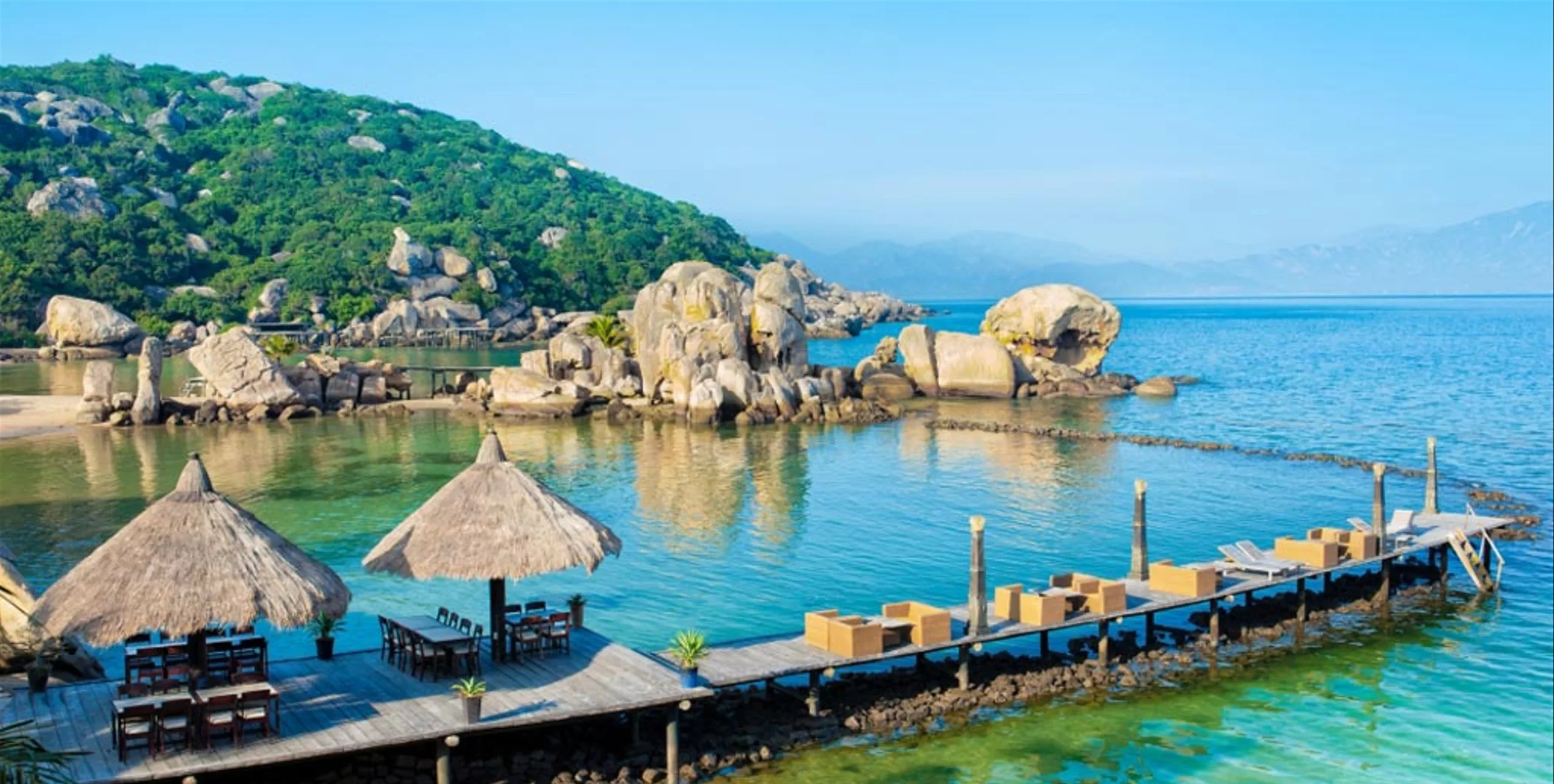
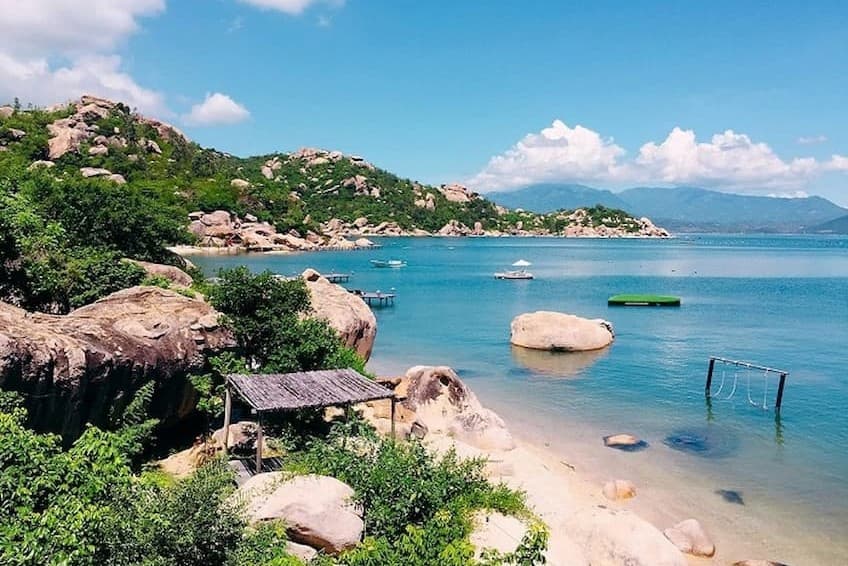
Nestled between Cam Ranh and Nha Trang, Binh Lap is often described as “Vietnam’s Maldives,” but it’s far more rugged and raw than its name suggests. For those interested in coastal trekking Vietnam, jungle paths here wind through casuarina trees and lead down to Bai Ngu and Bai Rang, quiet beaches where you can pitch a tent just meters from the sea.
At dawn, local fishermen glide past in basket boats, offering a glimpse into a way of life that hasn’t changed in generations. Trails lead into the hills overlooking Binh Tien Bay, where hikers are rewarded with panoramic views of turquoise water framed by untouched forest.
This is a place for simplicity, just you, the trail, and the sound of waves echoing against the rocks.
Bai Xep – Quy Nhon’s hidden gem and quiet trails for coastal trekking
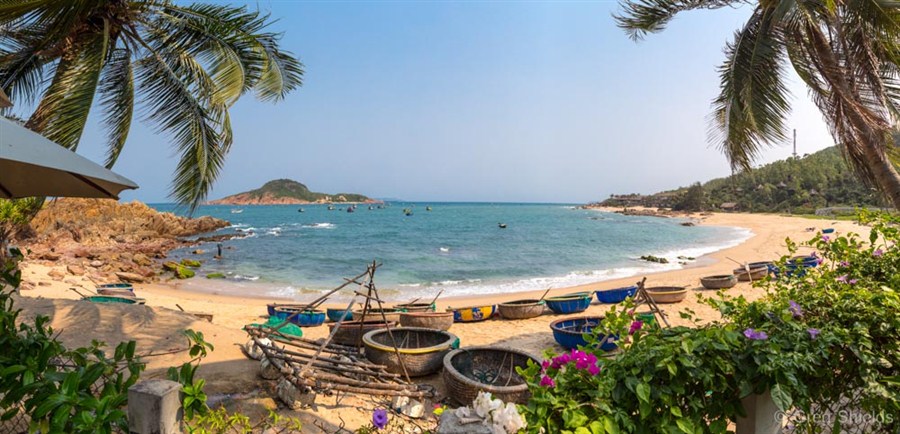
South of Quy Nhon lies Bai Xep, a small fishing village that has become a haven for minimalist travelers and eco-campers. Just a short walk from the village, the trails here weave through palm groves and rocky headlands before opening to pristine beaches like Bai Bau and Bai Trung.
Bring your own tent or rent a hammock at one of the beachside homestays, Life’s a Beach or Big Tree Café are local favorites. By evening, the trails glow with golden light, and you can watch fishermen pulling in their nets before a beach bonfire dinner under the stars. It’s a humble kind of paradise that perfectly captures the spirit of coastal trekking Vietnam — less resort, more rhythm of life.
Adventuring through the island wilderness on coastal trekking Vietnam routes
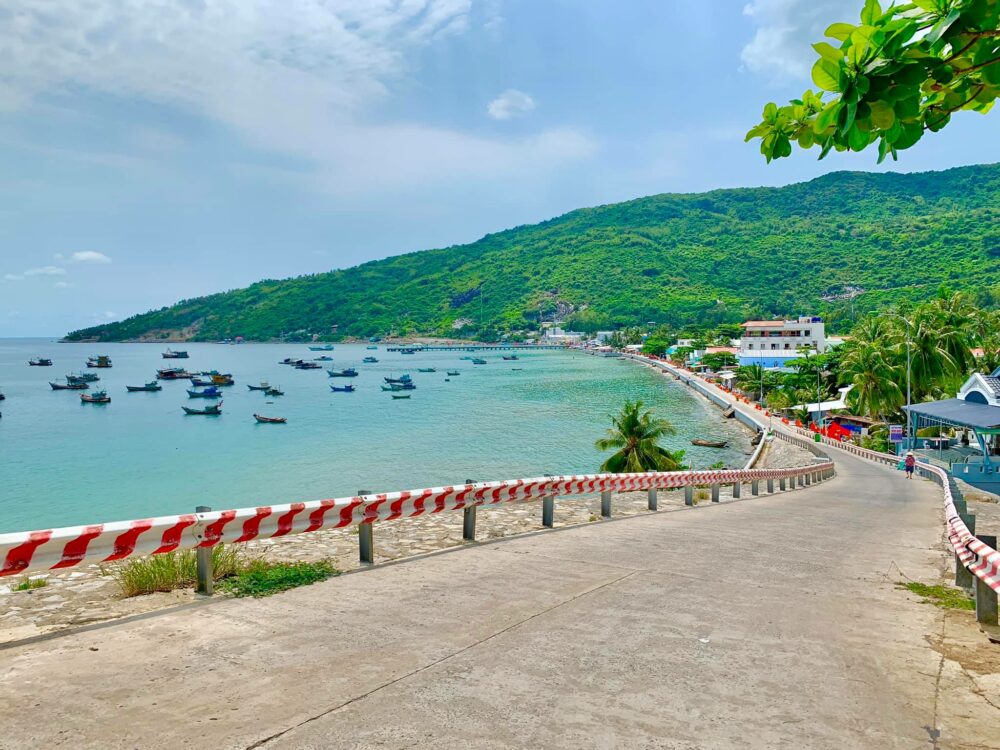
Accessible by ferry from Rach Gia, Hon Son is a secret island that feels suspended in time. Jungle trails crisscross the island, leading hikers from beach to peak to village. The Ma Thien Lanh Trail, literally “the road to heaven’s gate”, takes you through lush tropical forest, past waterfalls, and up to panoramic viewpoints. It is one of the most rewarding routes for coastal trekking Vietnam, where the island’s emerald waters shimmer below.
Camping on Hon Son is a rite of passage. Locals often pitch tents near Bai Bang or Bai Bac, where you can wake up to sunrise over the Gulf of Thailand. Electricity is sparse, Wi-Fi optional, but that’s the beauty of it, it’s the Vietnam that still feels raw and real.
The future of coastal adventure
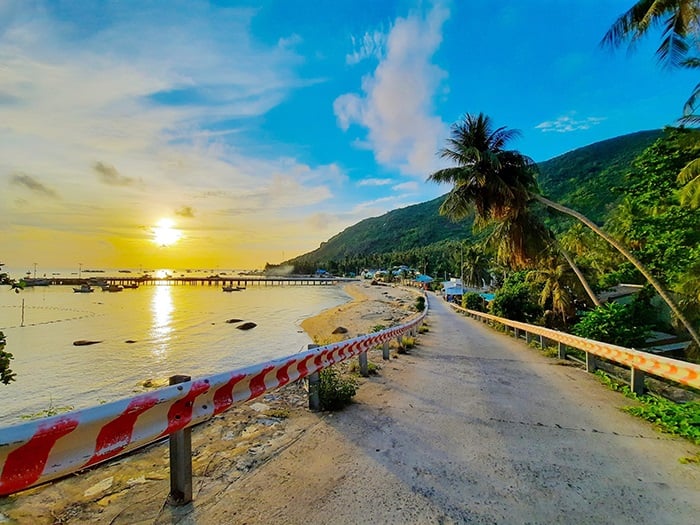
Vietnam’s coastal trails are still a secret whispered among locals and seasoned explorers, but that’s slowly changing. Platforms like ExoTrails are mapping these hidden routes and integrating verified locations for trekking, camping, and eco-lodges, ensuring travelers can enjoy coastal trekking Vietnam responsibly without leaving a trace.
By combining navigation, local storytelling, and real-time safety features, ExoTrails helps adventurers discover these coastal paths with confidence, while supporting the communities that keep them alive.
Embracing the unique spirit of coastal trekking Vietnam
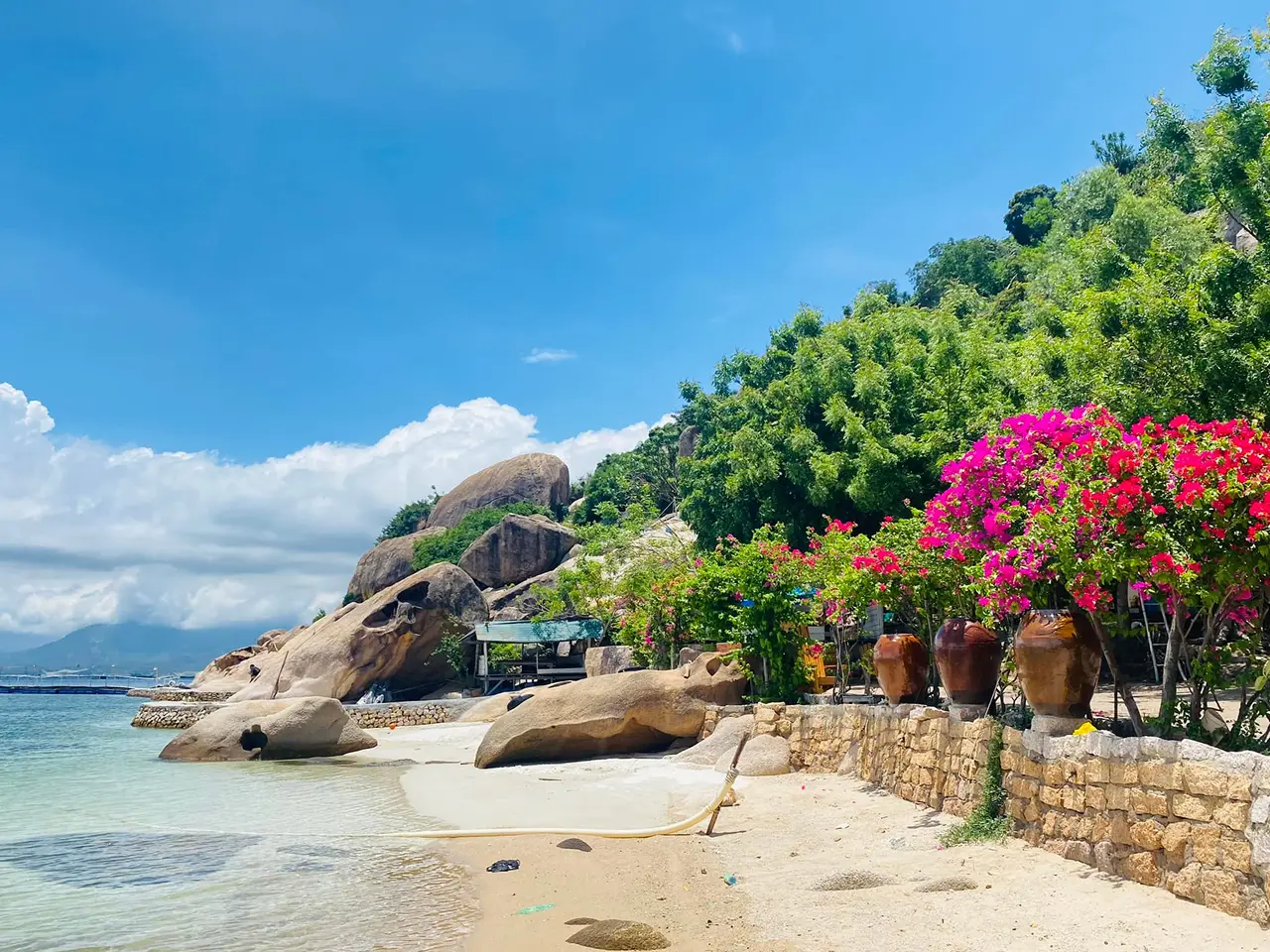
Whether it’s the jungled cliffs of Binh Lap or the silent shores of Hon Son, Vietnam’s coast invites you to slow down, listen, and reconnect. Out here, the boundaries between forest and sea, solitude and connection, seem to fade away. The experience of coastal trekking Vietnam proves that the best views aren’t always on the highest mountains, but where the land finally meets the ocean.
So pack light, bring your curiosity, and follow the trails where the jungle meets the sea. The map may guide you, but it’s the moments between the steps in your Vietnam coastal trekking journey that will stay with you forever.
Conclusion
The rise of coastal trekking Vietnam marks a new chapter in how we explore the natural wonders of Southeast Asia. By choosing the path less traveled along the water’s edge, we find a unique harmony between the intensity of the jungle and the serenity of the sea. As these trails become more accessible through platforms like ExoTrails, the focus remains on responsible exploration and cultural appreciation. Whether you are a seasoned hiker or a casual camper, the coastline offers an endless frontier for discovery and personal growth.
Ready to explore the shoreline like never before? Join our outdoor community! Follow our Facebook Page and join our ExoTrails Community Group to connect with fellow explorers and stay updated on the latest trails!
FAQs
When is the best time for coastal trekking Vietnam?
The best time is generally from February to August when the weather is dry and the sea remains calm, providing clear views and safe trekking conditions.
Is coastal trekking Vietnam suitable for beginners?
Yes, many coastal routes like those in Bai Xep are relatively flat and easy to navigate, making them perfect for hikers of all experience levels.
What should I pack for coastal trekking Vietnam?
Beyond standard hiking gear, ensure you bring high-SPF sunscreen, insect repellent, plenty of water, and waterproof bags to protect your electronics from the sea spray.
Can I camp anywhere while coastal trekking Vietnam?
While some beaches allow free camping, it is best to check the ExoTrails app for verified camping spots or ask local villagers to ensure you are respecting local regulations and private property.
Klook.com