
Table of Contents Show
Vietnam is a captivating tapestry of cultures, woven through the threads of its tumultuous history and diverse ethnic backgrounds. From majestic Cham towers to vibrant ethnic minority villages, the country is a time capsule of civilizations that predate many Western cultures, offering an extraordinary glimpse into ancient Vietnam history and the lives, beliefs, and traditions of its people. As travelers explore this remarkable land, they uncover layers of history rarely acknowledged on the global stage.
Read more interesting posts here:
- The Future of Exploration: Embracing the Green Travel Movement 2026 in Southeast Asia
- Ancient Wisdom and Living Heritage: A Guide to Vietnam Ethnic Minority Villages
- Unlock the True Heart of Vietnam Through Authentic Travel Experiences with Locals
How the Cham towers define ancient Vietnam history
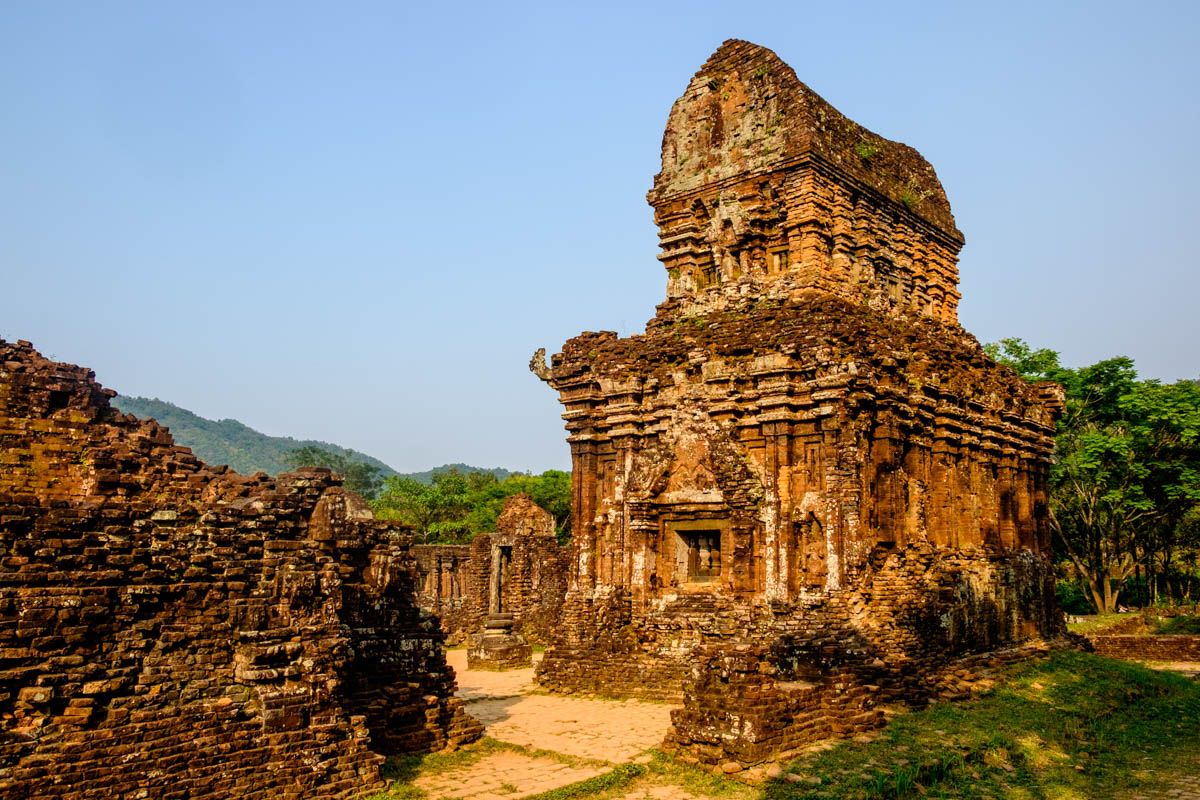
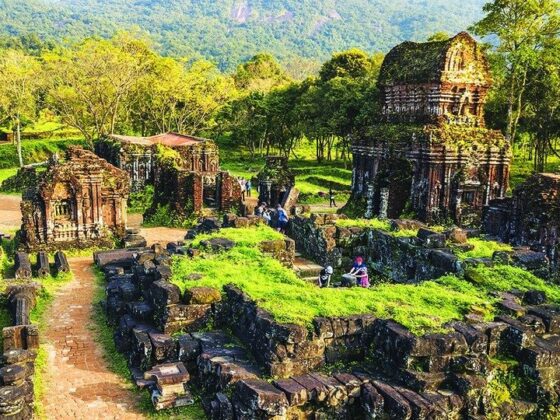
One of Vietnam’s most remarkable cultural legacies is the Cham civilization, which flourished from the 2nd to the 15th centuries along the central coast. The remnants of this ancient society can be found in the stunning Cham towers, particularly in My Son and Po Nagar, reflecting a significant chapter of ancient Vietnam history. These architectural wonders, constructed using red brick without mortar, showcase intricate sculptures of Hindu deities and mythological figures, reflecting the Cham people’s deep religious devotion and artistic prowess.
Visiting these sites provides insight into the Cham way of life, their trade networks, and their interactions with neighboring cultures. The Cham towers, despite their ancient lineage, continue to be celebrated during festivals, where traditional dances and rituals revive the spirit of an era long past.
Tracing ancient Vietnam history through the ethnic mosaic
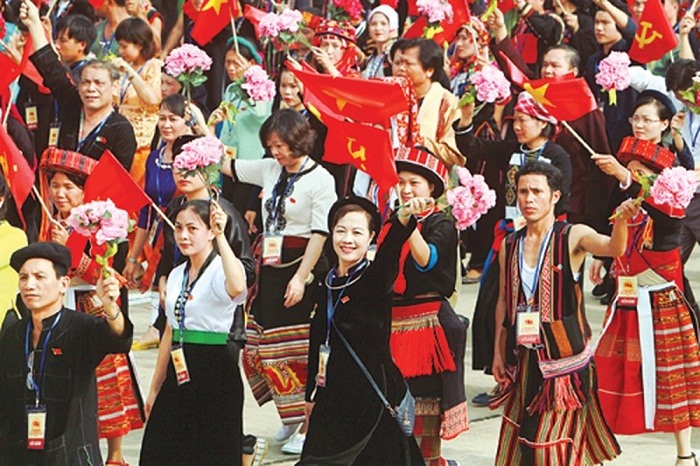
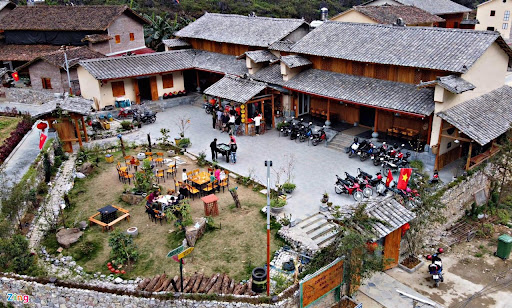
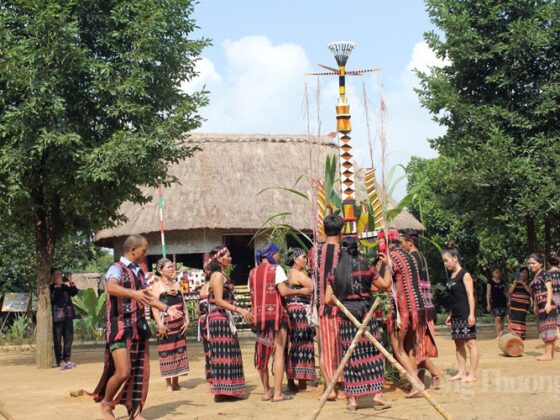
Vietnam is home to 54 recognized ethnic groups, each with its own distinct culture, language, and traditions. Among these, the Hmong, Dao, Tay, and Nung communities stand out for their rich heritage and a vibrant lifestyle that mirrors the diversity of ancient Vietnam history. In the northern mountains, trekking through remote villages reveals stunning landscapes dotted with terraced fields, colorful textiles, and hearty local foods steeped in tradition.
These ethnic minority communities often maintain their customs through festivals, songs, and handicrafts. Visitors can engage with locals, learn about their agricultural practices, and witness traditional ceremonies that have persisted through generations. Such experiences provide invaluable insights into the diverse tapestry that is Vietnam’s cultural identity.
The red river Delta: Civilizations older than rome
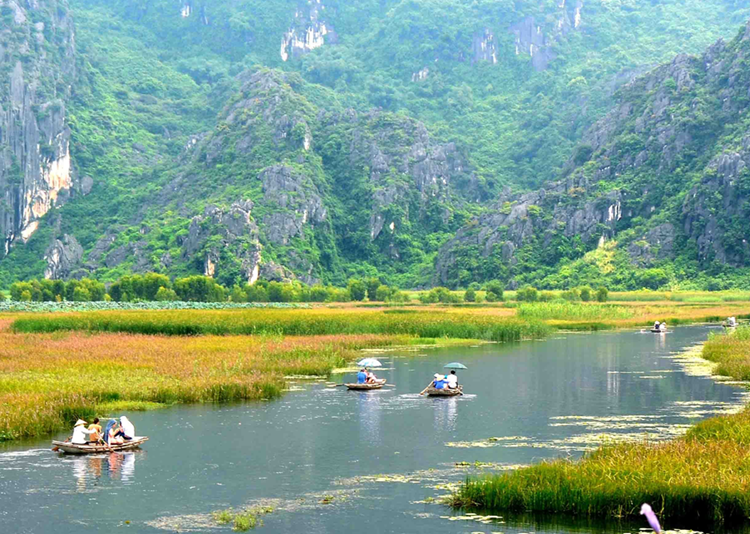
The Red River Delta, one of the cradles of Vietnamese civilization, boasts a rich history that stretches back over 4,000 years. This fertile area gave rise to the first Vietnamese states, characterized by advanced agricultural practices and sophisticated social structures that are fundamental to ancient Vietnam history. Archaeological sites like the ancient civilization of Dong Son have unearthed artifacts, including intricate bronze drums that testify to the artistry and craftsmanship of early Vietnamese societies.
Exploring these sites allows travelers to connect with the ancient past and appreciate the deep historical roots of modern Vietnam. The Delta continues to thrive today, with bustling markets and communities that embody the agricultural legacy passed down through centuries.
Spiritual practices that shaped ancient Vietnam history
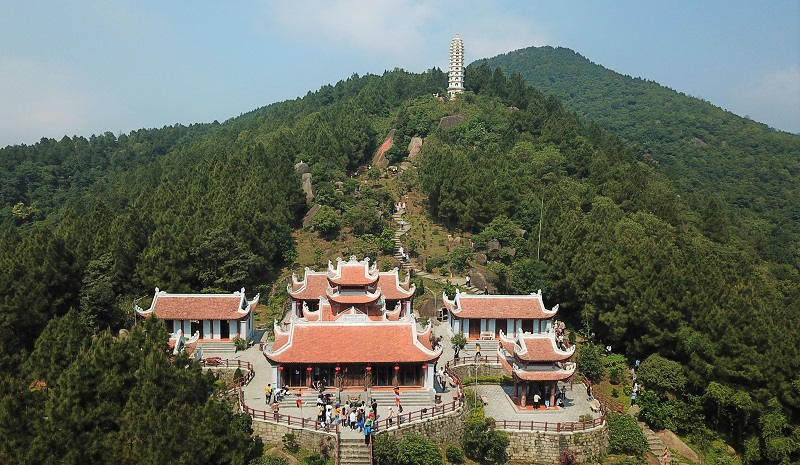
Vietnam’s spiritual landscape is as diverse as its ethnic makeup. Religious practices ranging from Buddhism to indigenous animism are woven into the fabric of everyday life, serving as pillars of ancient Vietnam history. Temples and pagodas dot the countryside, offering serene spaces for worship and reflection. The pagoda of Perfume Temple, nestled in the hills, is a pilgrimage site where thousands flock during the annual Huong Pagoda Festival to pay homage to the goddess of the mountain.
The intertwining of spirituality and nature is a testament to the Vietnamese reverence for the land and its sacredness. These spiritual practices foster a sense of community and continuity, as rituals are passed down across generations, providing a link to the ancestors and the natural world.
Culinary traditions rooted in ancient Vietnam history
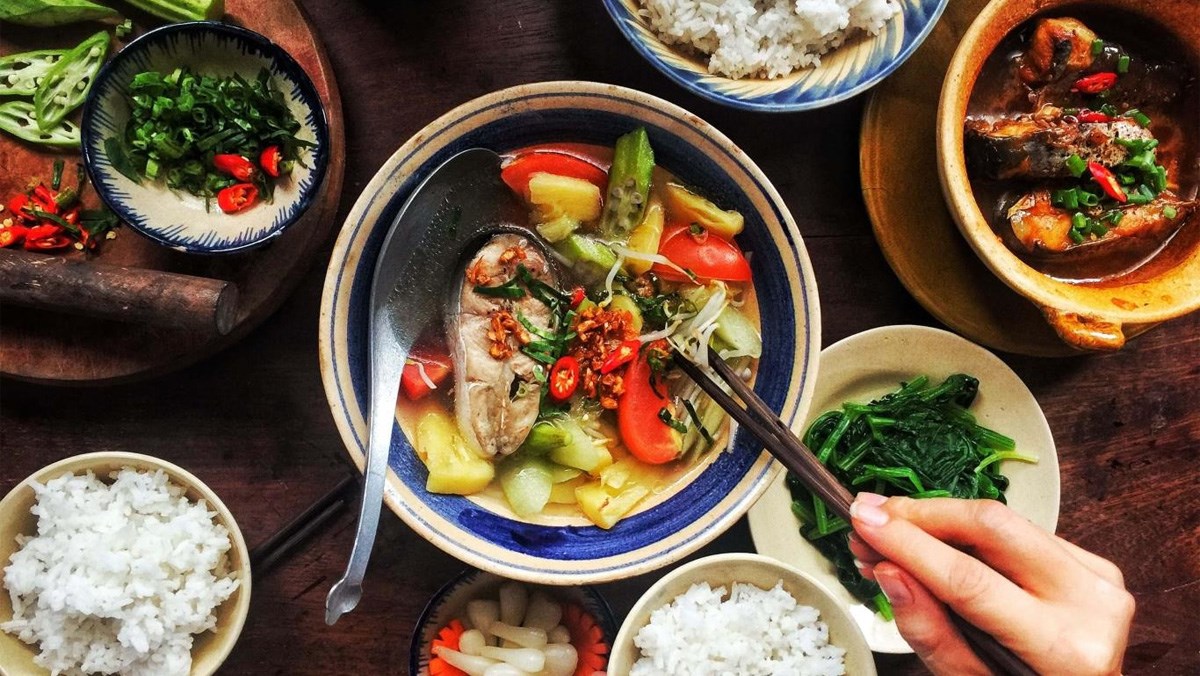
Vietnamese cuisine is yet another aspect of its rich cultural heritage that reflects its ancient roots. Traditional dishes are often prepared with age-old recipes and cooking techniques, emphasizing the use of fresh ingredients and local flavors. The importance of rice, for instance, is woven into every aspect of life; it is not merely a staple food, but a symbol of prosperity and community.
Travelers who delve into the culinary customs of Vietnam gain a deeper understanding of its cultural significance. Cooking classes, street food tours, and family meals offer authentic experiences that celebrate the unity of food, culture, and history.
Conclusion
Vietnam is a treasure trove of ancient cultures that beckons exploration. From the awe-inspiring Cham towers to the vibrant lives of ethnic minorities and the historical significance of the Red River Delta, each encounter reveals the richness of ancient Vietnam history that resonates through time. Those who venture to understand and appreciate these hidden cultures will find themselves rewarded with stories that illuminate not just Vietnam’s past, but also its profound connection to humanity’s shared narrative. In embracing this cultural diversity, travelers create a deeper understanding of the world, reminding us that the legacy of ancient Vietnam history is alive in every step of the journey.
Join our community of history and nature lovers by participating in our ExoTrails Facebook Group and like the ExoTrails Fanpage to explore more hidden gems of Vietnam together!
FAQs
What are the most famous sites to learn about ancient Vietnam history?
The My Son Sanctuary and the ancient citadel of Co Loa are among the most significant archaeological sites. These locations offer a direct look into the architectural and military prowess of early Vietnamese civilizations.
How old is the recorded ancient Vietnam history?
Vietnamese civilization is one of the oldest in Southeast Asia, with archaeological evidence like the Dong Son bronze drums dating back over 4,000 years. This long timeline showcases a sophisticated evolution of agriculture and metallurgy.
How can travelers respect ancient sites while visiting?
Visitors should always follow designated paths, avoid touching delicate carvings, and dress modestly when visiting spiritual sites. Using eco-conscious platforms like ExoTrails ensures that your visit supports the preservation of these historical treasures.
Klook.com