

Table of Contents Show
There’s a moment every traveler remembers, that first taste of something unexpected after a long trek: a bowl of steaming noodle soup in a misty mountain village, or grilled corn brushed with honey by a quiet lakeside road. In Vietnam, food isn’t just fuel for the journey, it is the journey. Across the country’s trails, from terraced rice fields to coastal fishing hamlets, the heart of adventure often beats at the dinner table when you explore Vietnam local food trails (or, more often, around a fire). Here, flavor is the map that guides you, each dish telling the story of its people, its place, and its season.
Read more interesting posts here:
- Vietnam Adventure Gateway: Unlocking the Future of Outdoor Exploration
- Glowing Shores and Wild Forests: The Ultimate Binh Chau Travel Guide for Adventurers
- Exploring the Diversity of Vietnam Climate Zones: From Tropical Palms to Misty Peaks
Savoring the best flavors along Vietnam local food trails
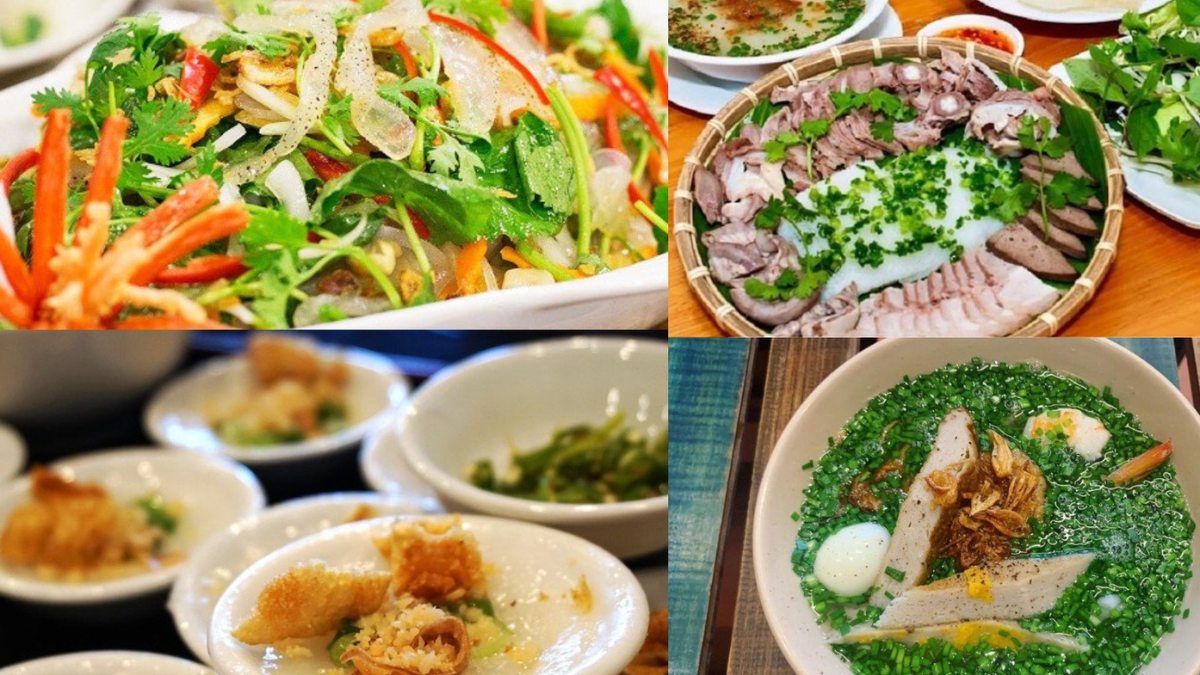
For those who wander the authentic Vietnam local food trails, meals become milestones. In Ha Giang, where roads wind like ribbons through limestone peaks, travelers rest at small stilt houses serving thắng cố, a traditional Hmong stew that warms the body and soul after a day on the trails.
Further south, in Kon Tum and Gia Lai, trekking groups share communal feasts of grilled pork and rice wrapped in forest leaves, dishes that embody the generosity of the highland spirit. Even in Vietnam’s coastal routes, food shapes the adventure. Hike near Binh Dinh or Phu Yen, and you’ll stumble upon roadside stalls frying bánh xèo (crispy pancakes) or fresh seafood caught just hours before. The joy is in the spontaneity, finding nourishment and connection where you least expect it.
EAT LOCAL: Where every bite tells a story on Vietnam local food trails
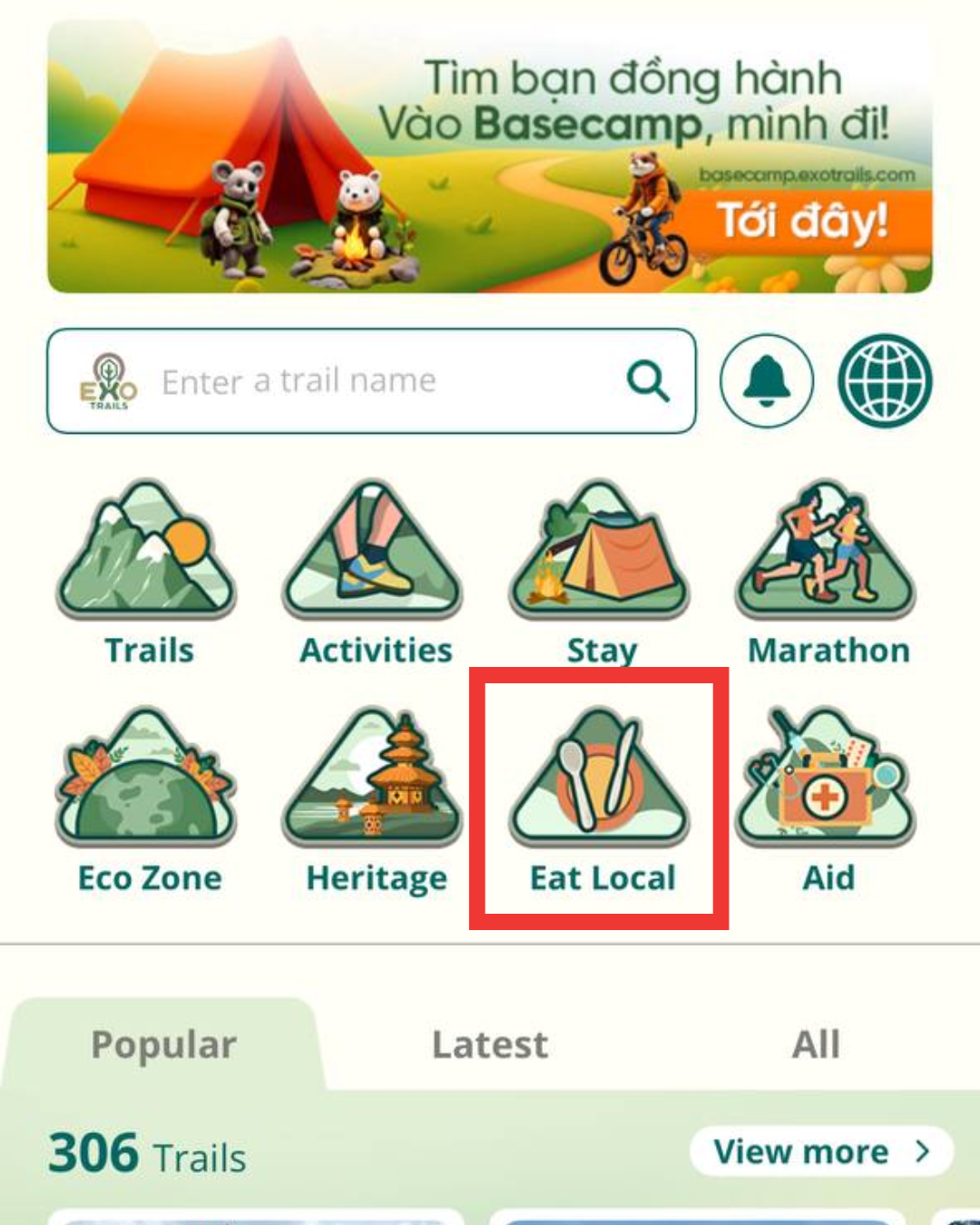
ExoTrails’ EAT LOCAL category initiative celebrates this relationship between exploration and flavor. Designed as a guide within the app, it helps travelers uncover authentic Vietnam local food trails, from highland coffee tastings in Dak Lak to market walks in rural Ninh Binh.
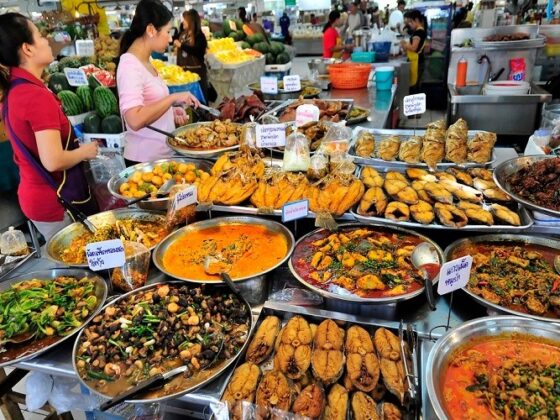
It’s not about trendy restaurants or fine dining. It’s about eating the way locals do: at family-run eateries, roadside grills, and small village markets where the food tells you exactly where you are. Each listing comes with insider recommendations, reviews, and even cultural notes, like when to visit for seasonal specialties or how to greet the local host respectfully. Through BaseCamps, travelers can also share their favorite finds: a family in Ha Tinh serving bamboo rice, or an old fisherman in Hue who makes the best fish stew in town. Every shared story becomes part of a growing map of Vietnam’s edible adventures.
Experiencing cooking as a connection on Vietnam local food trails
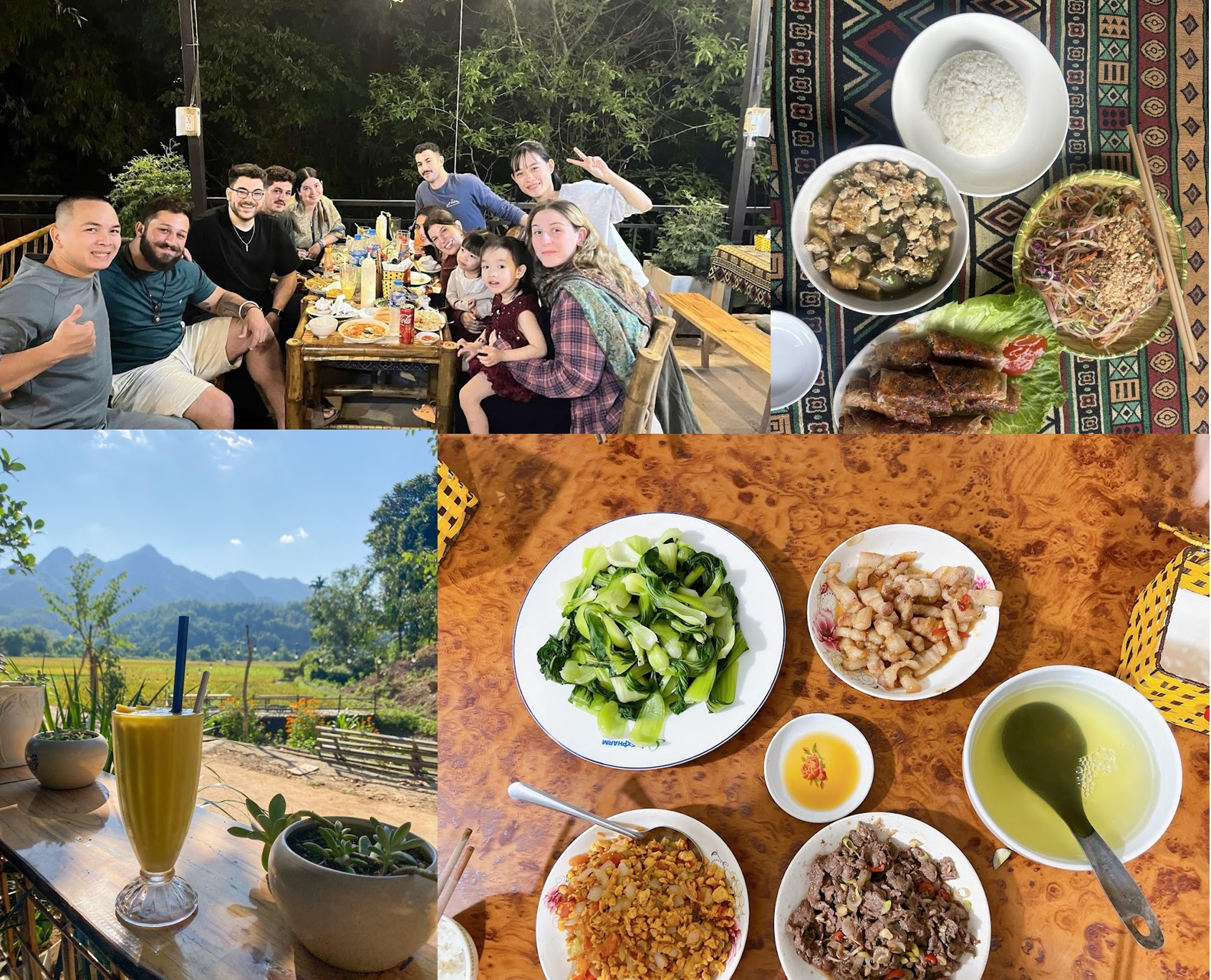
Along the various Vietnam local food trails, cooking together in rural communities is as meaningful as the meal itself. Homestays in Mai Chau, Pu Luong, and Dak Lak often invite guests to help prepare dinner, slicing herbs, rolling rice paper, or learning how to balance the five traditional flavors of Vietnamese cuisine: salty, sweet, sour, spicy, and bitter.
These experiences blur the line between host and guest. Food becomes a bridge — a universal language of hospitality, generosity, and belonging.
Discovering the taste of sustainable travel on Vietnam local food trails
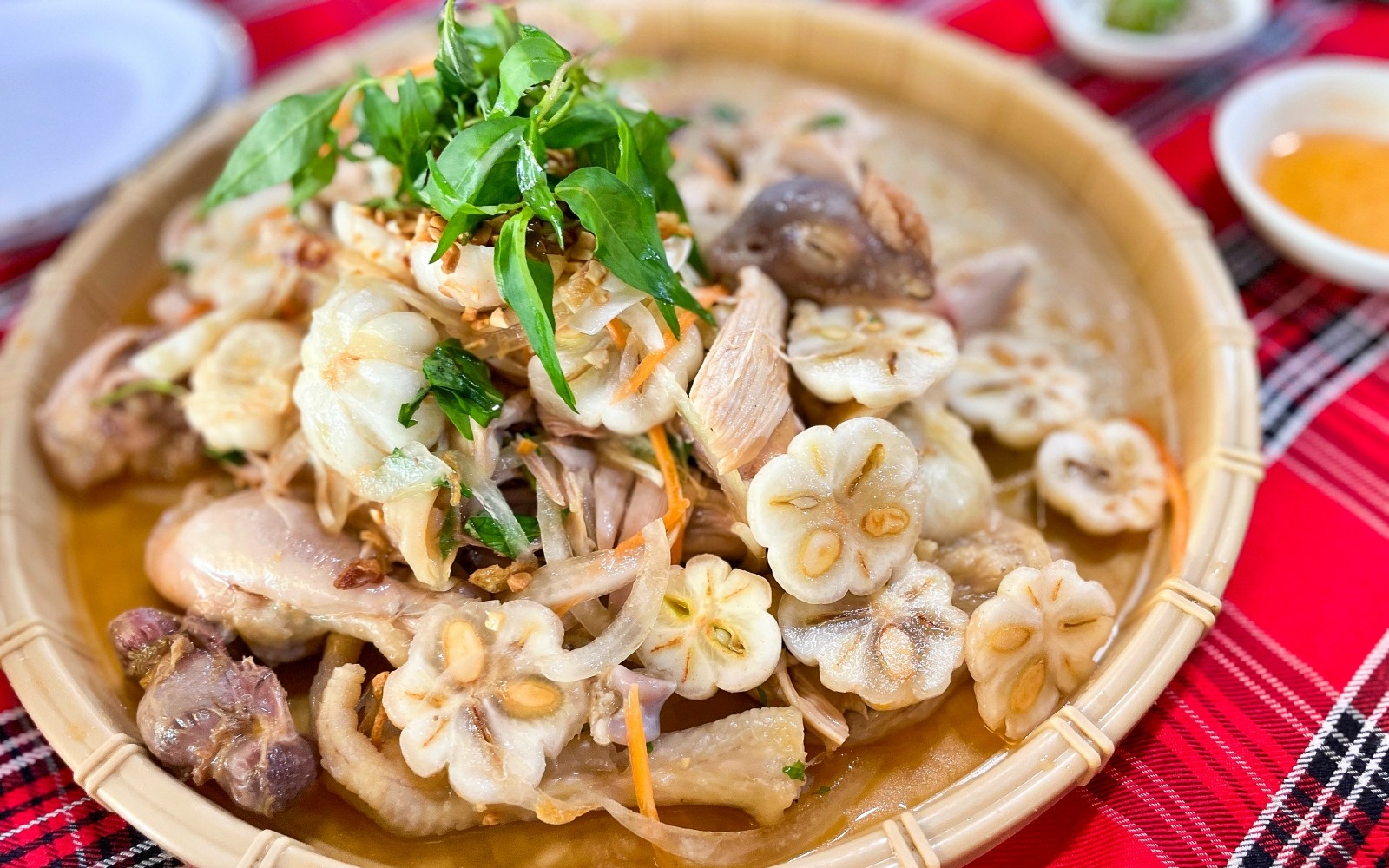
What makes these culinary adventures along the Vietnam local food trails even richer is their sustainability. Many of Vietnam’s small-scale eateries and homestays source ingredients locally, grow their own vegetables, or use bamboo utensils instead of plastic. Choosing to “eat local” means supporting families, preserving traditional recipes, and reducing travel’s environmental footprint. For ExoTrails, this philosophy isn’t just a feature, it’s a movement. EAT LOCAL category helps travelers make mindful choices that taste good and do good.
Embracing adventure one bite at a time along Vietnam local food trails
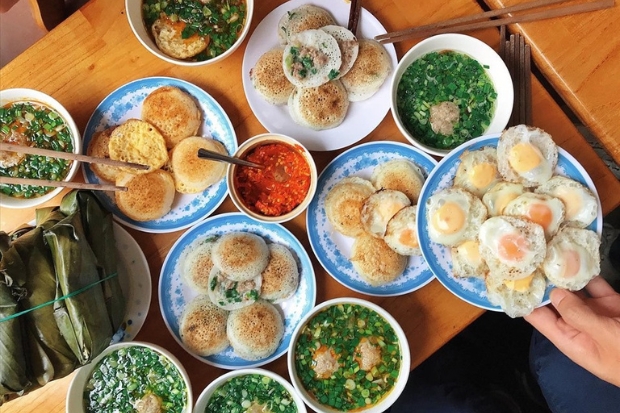
In Vietnam, you don’t need to chase luxury to taste wonder. Sometimes it’s found in a mountain broth cooked over a woodfire, or a cup of fresh coffee brewed at sunrise on a campsite above Da Lat.
To hike here and experience Vietnam local food trails is to eat here to savor not only the landscape but the life that fills it. Every meal is an invitation, every flavor a story waiting to be shared. And in that sense, Vietnam’s trails are more than paths, they’re living kitchens of culture, memory, and adventure.
Conclusion
Exploring these culinary pathways is the absolute best way to immerse yourself in the country’s rich, authentic culture. By following the Vietnam local food trails, you not only treat your taste buds to incredible flavors but also support the hardworking rural communities that keep these culinary traditions alive. Pack your appetite, embrace the journey, and let every shared meal guide you to a deeper understanding of this beautiful nation.
Ready to share your culinary discoveries and connect with fellow explorers? Follow our Facebook Page and join our ExoTrails Community Group to connect with fellow explorers and stay updated on the latest trails!
FAQs
What are the best regions to explore these culinary routes?
The northern highlands like Ha Giang and central areas like Kon Tum are fantastic for authentic, indigenous mountain meals. Meanwhile, coastal routes near Phu Yen or Binh Dinh offer incredible fresh seafood experiences right off the boat.
Is it safe to eat at roadside stalls and homestays?
Yes, eating at busy, family-run roadside stalls and reputable homestays is generally very safe and highly recommended for travelers. You can always use the ExoTrails App to find trusted reviews and locate the most authentic, hygienic spots.
Do I need to book these food experiences in advance?
While dining at roadside stalls is wonderfully spontaneous, it is best to book homestay meals or cooking classes a few days ahead. This ensures that the local hosts have enough time to source fresh, seasonal ingredients for your visit.
Klook.com