




Table of Contents Show
As an outdoor lifestyle enthusiast and avid runner, few things are as exhilarating as conquering new terrains and pushing personal boundaries. However, when it comes to running in Vietnam, many find themselves grappling with the dissonance of measured distance versus perceived effort. Take it from me: a casual 5km run in Vietnam can feel like a daunting 15km! By following the right running in humidity tips, you can better prepare for your trail adventures and protect your health.
Read more interesting posts here:
- Best Lightweight Hiking Shoes 2026: The Powerful Picks Built for Humid Jungle Trails
- The Future of Exploration: Embracing the Green Travel Movement 2026 in Southeast Asia
- Boost Your Longevity: The Ultimate Guide to VO2 Max Training for Beginners
How varied terrain impacts your running in humidity tips for Vietnam

Vietnam’s diverse landscapes are breathtaking but can prove challenging for runners. With areas ranging from sweeping sandy beaches to rocky mountain trails, each environment presents its unique set of challenges. When running in the mountains or hilly regions like Sapa or Da Lat, the elevation adds an extra layer of difficulty. Even here, specific running in humidity tips regarding pace can save your workout. Uphill sections demand more from your muscles and lungs, making what would typically be a straightforward distance feel significantly longer.
Conversely, even flat terrains aren’t as forgiving as they seem. When your path is dotted with unexpected obstacles, such as deep potholes, loose rocks, and slippery surfaces – progress can quickly slow down, leading to a more taxing experience. Each of these factors can alter your perception of distance, multiplying your perceived exhaustion as you tackle 5km while feeling as if you’ve run much further.
Understanding why the silent challenge of moisture leads
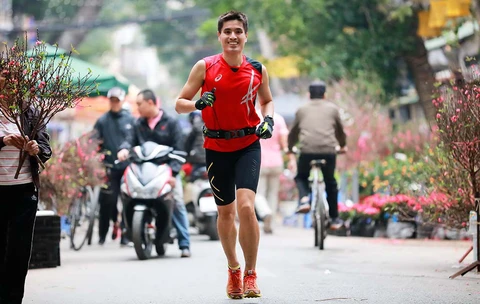
In Vietnam, humidity is a constant companion, especially during the summer months. This high level of moisture can sap your energy and stamina far more than you might expect. When humidity levels hover around 80% or higher, your body struggles to cool itself effectively through sweat evaporation. Mastering running in humidity tips like skin cooling and pacing is vital here because, as a result, you find yourself sweating profusely, gasping for air, and feeling fatigued much sooner than in drier climates.
Your typical 5km run can turn into a battle against the elements. Adjust your pace, hydrate frequently, and listen to your body; what could have been a simple jaunt becomes an endurance challenge when you factor in the humidity. Don’t forget: the heat can also lead to dehydration, which compounds fatigue and makes 5km feel like an epic journey.
Mastering the mental game with effective running in humidity tips

Running in Vietnam isn’t just a physical challenge; it’s also a mental test. The elevated exertion, coupled with gruelling humidity and varying terrains, requires a different approach to training and mental preparedness. When you set out to run those 5km, embrace the reality that the experience will involve both physical and mental fortitude.
Instead of focusing solely on hitting specific distances, consider adjusting your goals. Set smaller checkpoints, like aiming for specific landmarks or timed intervals, rather than fixating on the full 5km. By breaking the distance into manageable segments, you can cultivate a positive mindset that propels you forward while applying your running in humidity tips in real-time.
Essential strategies and practical running in humidity tips for every athlete

To navigate these misjudged distances successfully, consider these strategies and running in humidity tips:
- Embrace Early Mornings or Late Evenings: Running when temperatures are cooler can make a significant difference. The morning or late evening offers more manageable weather conditions, allowing for a more enjoyable experience.
- Hydrate Like a Pro: Carry more water than you think you’ll need, especially if you’re venturing into more remote areas. Hydration tablets or electrolytes can also help replenish lost minerals.
- Invest in Quality Footwear: Make sure your shoes provide adequate support and traction to handle various terrains. A good pair of running shoes can make your journey smoother and keep injuries at bay.
- Listen to Your Body: If you begin to feel overwhelmed by the heat or exhaustion, don’t hesitate to walk or take breaks. Acknowledging your limits is key to staying healthy while following running in humidity tips.
Connect with local runners
Join local running clubs or groups to get insights on the best trails and to share experiences with fellow enthusiasts. They can also provide tips for tackling the unique challenges of Vietnam’s climate and terrain.
Conclusion
Navigating the tropical trails of Vietnam is a rewarding but intense experience that demands a specialized approach. By implementing these professional running in humidity tips, you turn a grueling struggle into a triumphant journey through some of the world’s most beautiful landscapes. Remember that the goal is not just the finish line, but the strength you build along the way.
Ready to conquer the heat with fellow athletes? Join our vibrant ExoTrails community group and like the ExoTrails fanpage for more expert advice and trail updates!
FAQs
What is the most important factor when running in high humidity?
Hydration is the top priority, as your body loses fluids rapidly through sweat while struggling to cool down in the heavy moisture.
Should I maintain my normal pace in humid conditions?
No, you should intentionally slow down your pace by 10-20% to account for the increased cardiovascular strain caused by heat.
What is the best clothing for running in humidity?
Choose lightweight, moisture-wicking fabrics that allow for maximum airflow and avoid cotton, which holds onto sweat and becomes heavy.
How can I tell if I am overheating during a run?
Look for signs like dizziness, nausea, an unusually high heart rate, or a sudden cessation of sweating, and stop immediately if these occur.
Do electrolytes help more than water in humid environments?
Yes, because you sweat more in humidity, you lose vital salts; electrolytes help replenish those minerals and prevent cramping more effectively than water alone.
Klook.com


