




Table of Contents Show
As an explorer of Vietnam’s high-altitude borderlands, I have spent years guiding travellers through the famous landscapes of the North. But there is a sensory experience that most people miss because they are too busy looking at their cameras. If we move away from the rice terraces and trek into the deep, humid ravines of Lào Cai and Yên Bái, we enter the heart of the cinnamon harvest in Vietnam. This is a world where the air doesn’t smell of earth, but of spice.
For the global traveler, this is a “super-niche” botanical journey. It is a chance to see the source of the flavours that have traveled from the Silk Road to the spice racks of the modern world.
Read more interesting posts here:
- Funny Translations in Vietnam: Ridiculous Signs That Make No Sense (But Are Amazing)
- Sky Farms in Vietnam: Incredible Highland Terraces Hidden Above the Clouds
- Best Nature Escapes Southern Vietnam: 5 Incredible Hidden Getaways You’ve Never Heard Of
The Bark of the Gods: Experiencing the Cinnamon Harvest in Vietnam
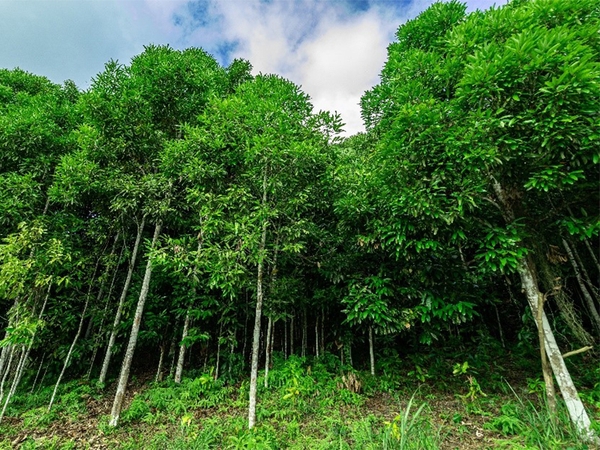
In the villages of the Dao people, cinnamon is not just a spice; it is an inheritance. Unlike most crops, cinnamon requires a decade of patience. As your guide, I will take you to a forest where the trees are ten to fifteen years old, precisely when they are ready for the harvest.
The cinnamon harvest in Vietnam is a mesmerizing display of precision. The artisans don’t cut down the whole tree at once; they use specialized curved knives to “peel” the bark in long, supple strips. The wisdom shared by the Dao elders is that the tree must be harvested during the rainy season when the sap is flowing, allowing the bark to separate easily from the wood. To stand in a grove during the harvest is to be enveloped in a warm, woody aroma so intense it feels like a physical presence. This is Cinnamon Cassia, prized globally for its high essential oil content and its fiery, sweet kick.
The Stars of the North: Anise Forests

Higher up, where the mist is cooler and the slopes steeper, we find the Star Anise trees. These trees are the true elders of the forest, often living for over a hundred years.
While many come to witness the famous cinnamon harvest in Vietnam season, the “flowers” of this forest are actually woody fruits, shaped like eight-pointed stars. I will lead you through these evergreen groves during the harvest months of August and September. You will see the local foragers climbing high into the branches with nothing but a rope and a basket. The scent here is different licorice-sweet, cool, and intoxicating. For the people of the North, Star Anise is the soul of Phở; it is the fragrance that defines Vietnamese cuisine. Watching the stars dry on bamboo mats in the sun is like seeing a thousand brown jewels scattered across the village courtyards.
The “Spice-Route” Wisdom: Sustaining the Vietnam Cinnamon Harvest

At the heart of the cinnamon harvest in Vietnam, the people who cultivate these forests live by a “century-long” clock. They plant trees for their grandchildren, understanding that the best spice takes a lifetime to mature. There is a deep, unspoken wisdom in their sustainable forestry; they never clear-cut, ensuring that the mountain remains shaded and the soil remains anchored against the monsoon rains.
During the cinnamon harvest in Vietnam season, you quickly learn that in these villages, the wealth is not in the bank, but in the bark and the stars. A family’s prosperity can be measured by the age of their trees. Sitting in a Dao home, drinking tea infused with fresh cinnamon bark, you realize that the most valuable things in life are those that require time, patience, and a deep respect for the seasons.
A Journey for the Senses: When to Witness the Cinnamon Harvest in Vietnam

I recommend this trek for the “culinary explorer” the traveler who wants to understand the origins of flavour. It is a journey that moves beyond the visual and into the visceral.
The primary cinnamon harvest in Vietnam typically occurs twice a year, with the strongest sap flow in spring and autumn. As we descend from the spice forests, your clothes and your pack will carry the scent of the mountains for days. It is a fragrant reminder that the most profound parts of Vietnam are often the ones you can’t see, but can only breathe in.
Conclusion
In conclusion, witnessing the cinnamon harvest in Vietnam is a rare opportunity to connect with the land through its most ancient scents. From the skilled “peeling” of the Cassia bark to the drying of star anise in village courtyards, this journey reveals the patience and wisdom of the Dao people. If you are ready to find the secret scent of the high passes and experience the “spice-route” firsthand, let’s leave the rice fields behind and enter the forest of the stars.
Ready to share your secret travel discoveries and connect with fellow adventurers? Join our ExoTrails community group on Facebook and like our Fanpage for more inspiration!
Klook.com


