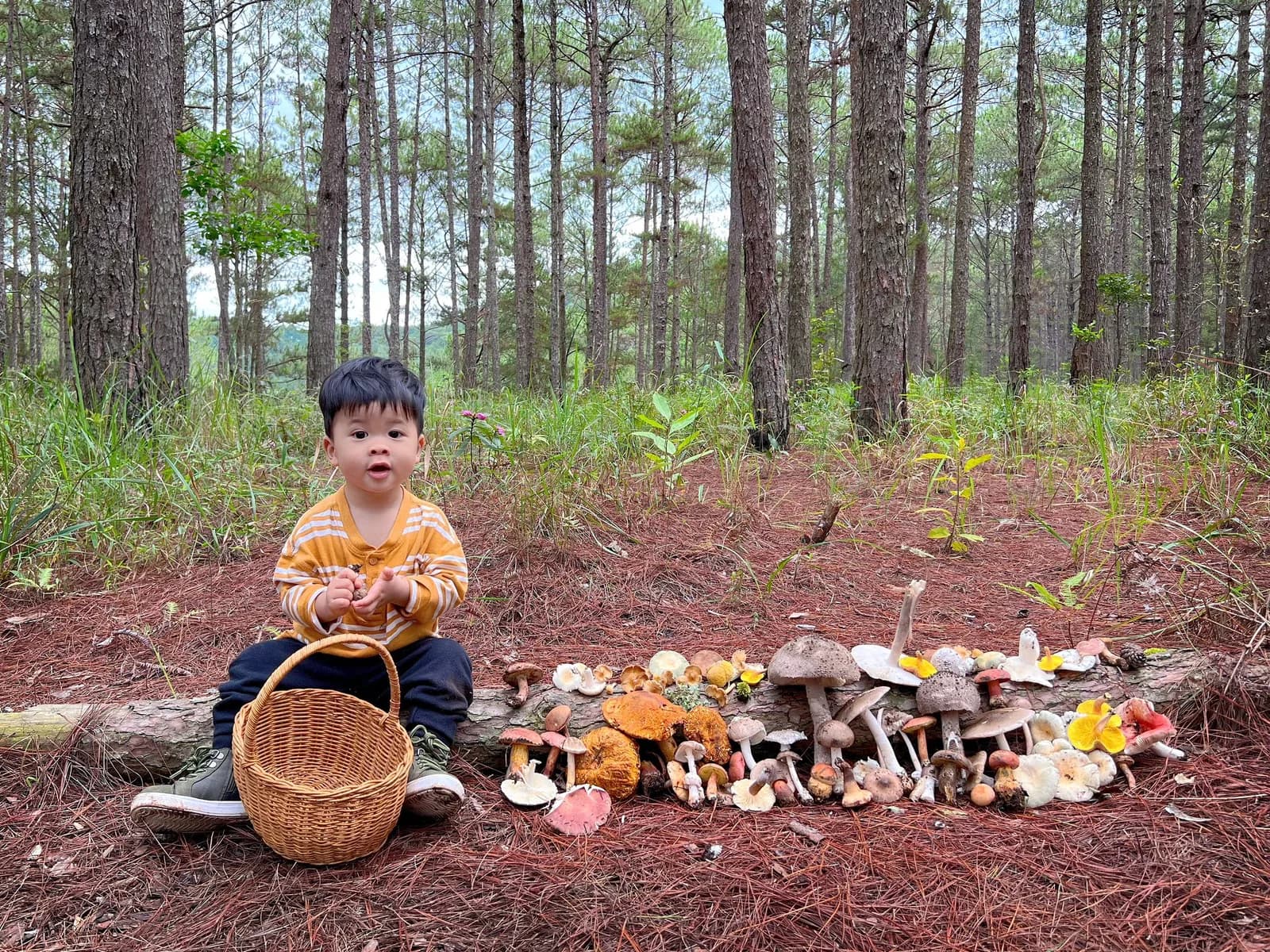


Trail running in Vietnam isn’t just a sport—it’s an invitation to experience the country as few travellers do. Unlike standard hiking paths or city streets, mountain running Vietnam routes are designed to integrate with the natural landscape and small-scale farms, creating an environment where every stride reveals something alive: a misty valley, a cascading waterfall, or a farmer tending rice terraces just steps from the path.
Read more interesting posts here:
- Solo Trekking in Sapa: Essential Tips for a Safe and Breathtaking Adventure
- Sapa Trekking Difficulty: Surprising Realities You Must Know for a Successful Adventure
- Vietnam Adventure Routes 2026: The Ultimate Guide to Epic Uncharted Trails
Discover the rhythmic beauty of mountain running Vietnam through the Sapa terraces
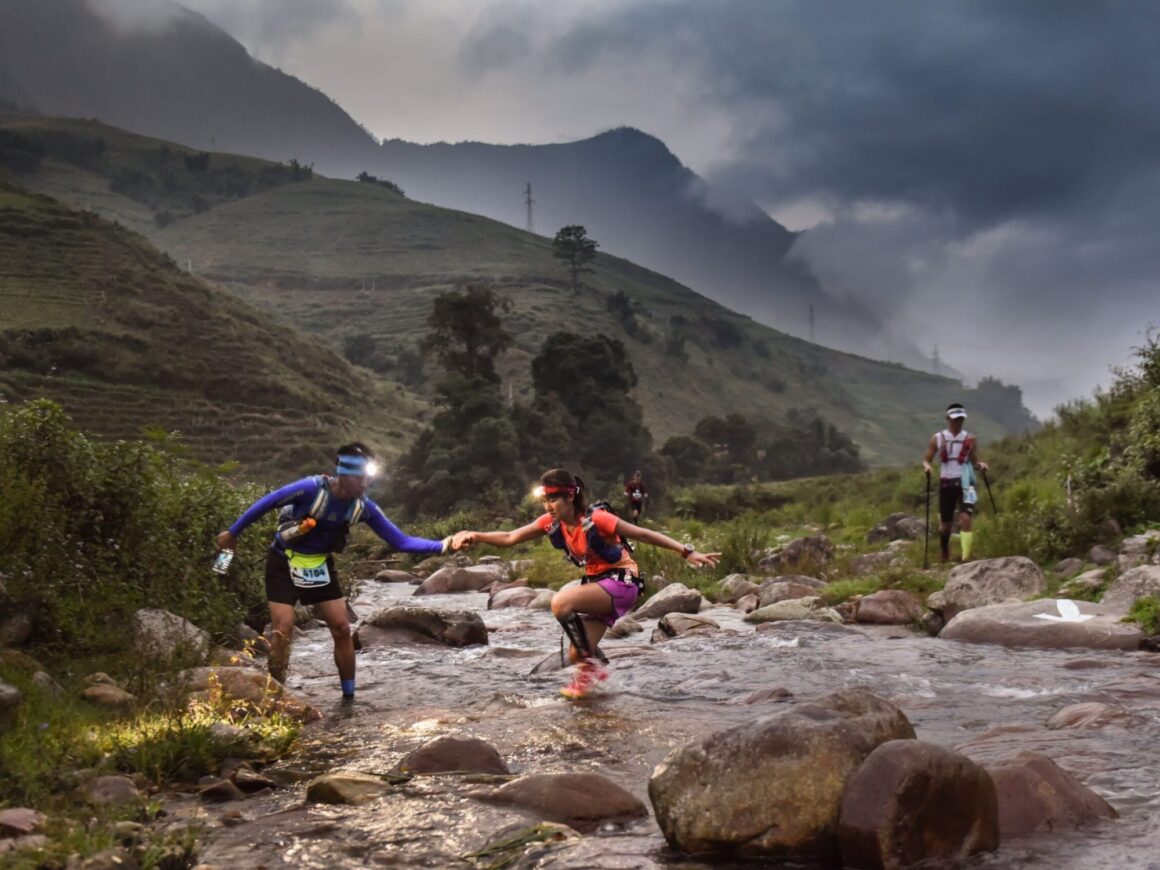
Imagine starting a run in Sapa at dawn. The sun has barely lifted, and the mountains are wrapped in clouds. Terraces carved by generations of Hmong and Dao farmers stretch in layers, reflecting light like mirrors. The experience of mountain running Vietnam through them isn’t just physical—it’s sensory. The smell of wet earth, the sound of water trickling along irrigation channels, and the sight of children laughing as they run ahead or help carry supplies create a rhythm unique to these trails.
Unlike tourist-centric routes, these trails weren’t built to impress. They were built to live with. The paths curve naturally with the land, hugging streams, weaving around rice paddies, and crossing small bridges over irrigation canals. Each step keeps runners aware of the surrounding ecosystem during their mountain running Vietnam journey, where water flows, how crops are planted, and how people move through the land daily.
Master the technical coffee trails while mountain running Vietnam in the Central Highlands
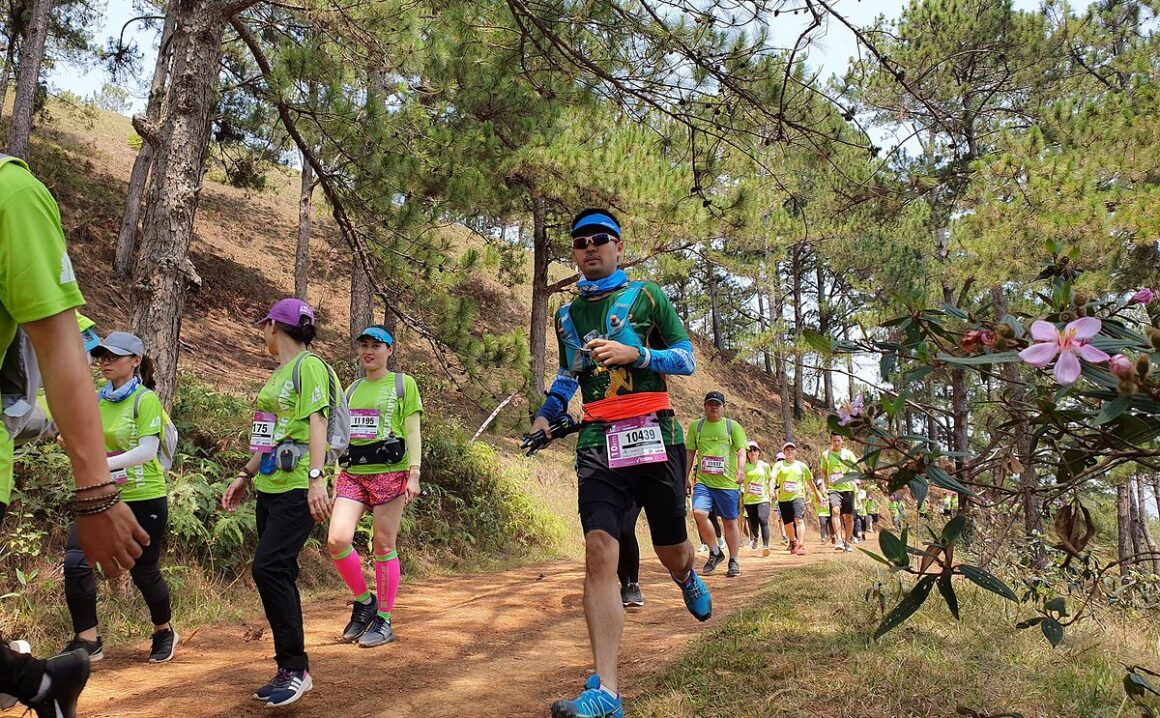
Travel south to the central highlands around Da Lat, and the experience shifts. Pine forests and volcanic plateaus dominate the trails. Here, mountain running Vietnam blends speed with observation: you move quickly along well-packed dirt tracks yet pause frequently to notice the smaller details—coffee plants, wild orchids, or bamboo groves lining hidden side trails. These paths provide a seamless integration of nature and agriculture, offering both challenge and discovery.
For those wanting to dive even deeper into the natural surroundings, a unique experience is to try early-morning farm walks before or after your run. Many villages open their fields to visitors willing to learn about the planting and harvesting process. Spending an hour in the terraces or coffee plantations after running gives a richer understanding of how these landscapes are maintained and why the trails follow the land so naturally.
Explore the subtropical pace of the Mekong Delta as part of your mountain running journey
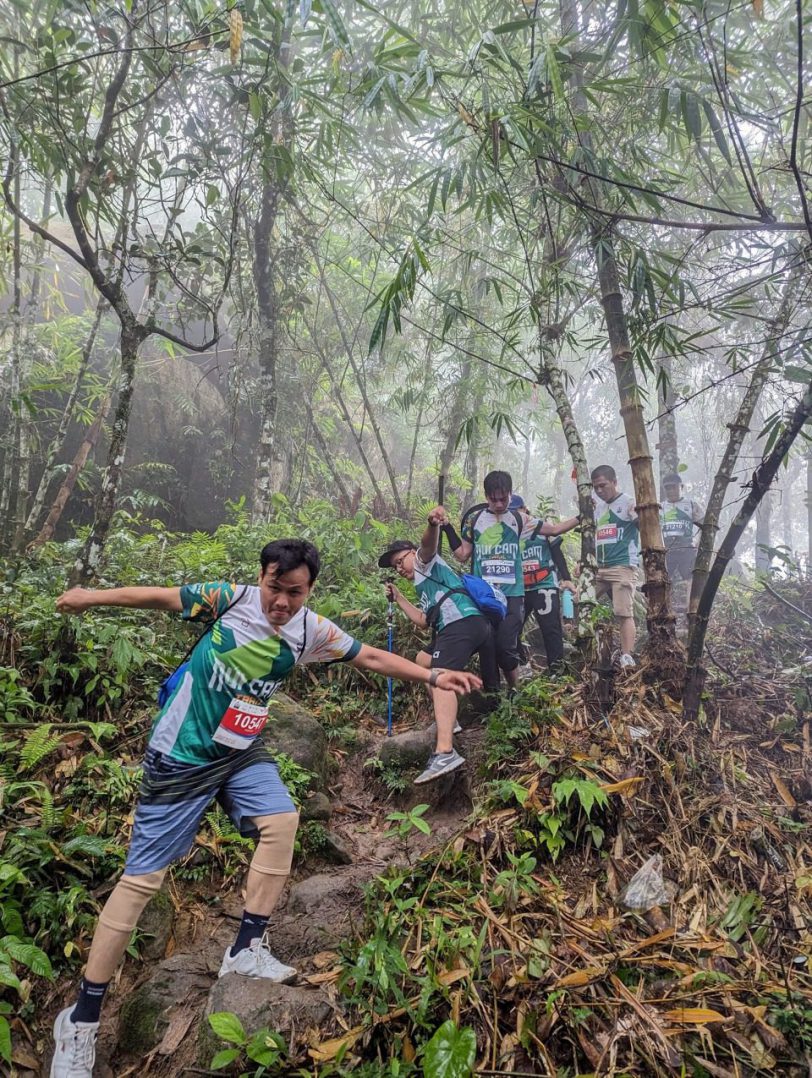
In the Mekong Delta, mountain running Vietnam takes on a subtropical rhythm. Flatter paths wind past lush orchards, rice paddies, and canal edges. Farmers work in the fields, children play along the narrow trails, and fishing boats drift along the water in sync with the land. While these trails are technically easier, the humidity and unpredictable soil conditions test endurance and pacing. Each step of mountain running Vietnam immerses runners in a working ecosystem, giving a deeper appreciation of the delta’s balance between agriculture and natural waterways.
Integration of culture and adventure
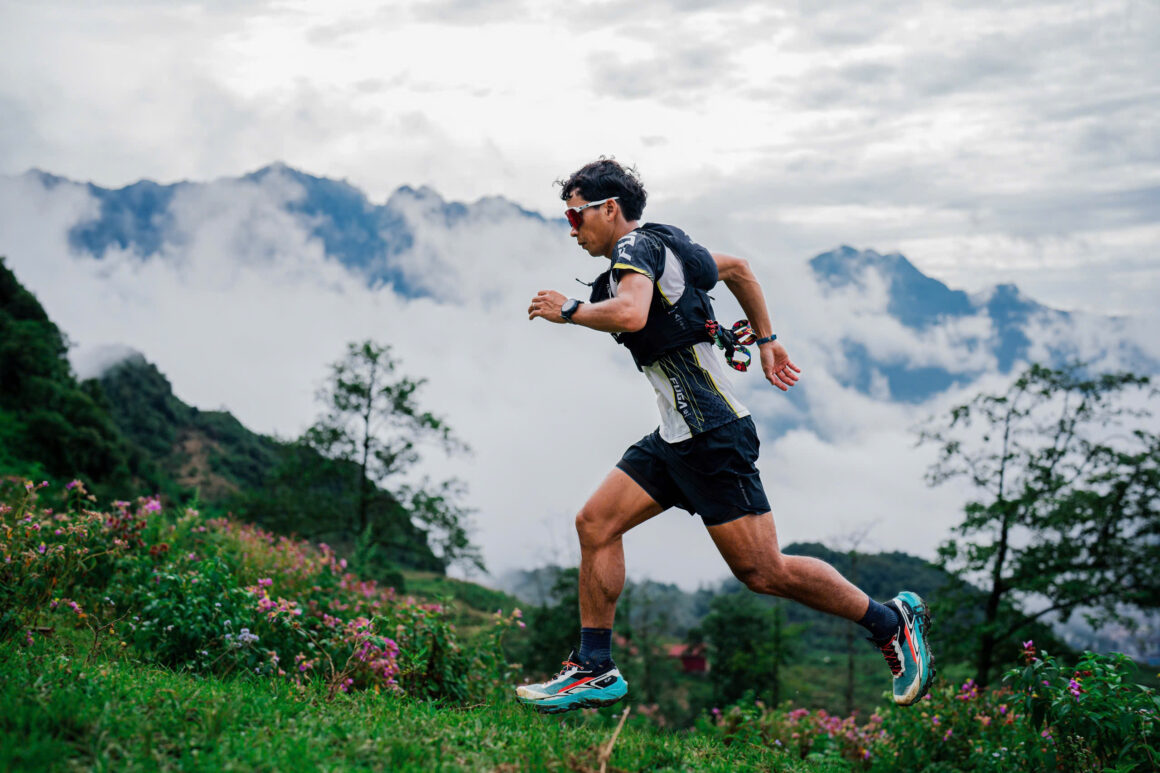
Vietnam’s trails aren’t isolated wilderness. They run through villages, past homes, and along terraced farms, blending the human and natural environment. This integration provides a rare perspective for those mountain running Vietnam: you are moving not only through nature but through a living culture that has adapted to it over centuries. Observing the farmers, hearing the laughter of children, and noticing how crops and water flow alongside the path turns each run into an intimate cultural encounter.
Apps like ExoTrails enhance this experience, guiding runners through off-the-beaten-path routes while connecting them with local communities. Guided options provide insight into both the terrain and the farming practices that shape the trails, giving runners a more complete perspective of Vietnam’s integrated landscapes.
For those who want to explore Fansipan without planning each step, a guided day trip like this can help simplify the journey while still covering key highlights: From Sapa: Fansipan Cable, Cat Cat Village, Moana Instagram Day Tour.
Conclusion
Mountain running Vietnam is more than just a physical exercise; it is a lens for understanding how humans and nature coexist. It creates a rhythm that connects movement, scenery, and culture in a way that traditional travel simply cannot. Whether you are navigating the misty peaks of the north or the orchard-lined paths of the south, every trail offers a living story of endurance and beauty.
Ready to hit the trails? Join our vibrant community in the ExoTrails Community Group and be sure to like the Facebook Page for the latest hidden gems, trail updates, and daily inspiration!
FAQs
When is the best time for mountain running?
The best months are between October and March when the weather is cooler and the rainfall is lower, especially in the northern mountains and central highlands.
What gear is essential for mountain running Vietnam?
Highly breathable trail running shoes with aggressive lugs are essential for muddy paths, along with a hydration pack to manage the high humidity.
Is mountain running Vietnam safe for solo travelers?
Yes, it is generally safe, but using a GPS tool like ExoTrails is highly recommended as many village paths are unmarked and can be confusing.
Are there major trail running races in Vietnam?
Yes, the Vietnam Mountain Marathon (VMM) and the Dalat Ultra Trail are popular events that attract thousands of international athletes each year.
Do I need a permit for mountain running?
While most trails are open, certain border areas in provinces like Ha Giang or Cao Bang may require a local permit which can be arranged through a guide.