
Forget crowded buses, discover Vietnam one trail, one village, and one sunrise at a time. There’s a quiet revolution happening in the way people explore Vietnam. The days of racing from one tourist attraction to another are fading, replaced by something slower, more personal, and far more rewarding. Across the country, travelers are trading packed buses for hiking boots, hotel chains for homestays, and staged itineraries for the kind of spontaneous adventure that only a trail can offer. This desire for independence is fueling the growth of self-guided trekking Vietnam.
This is the new Vietnam — not just a destination to see, but a land to walk through. Every trail becomes a story, every step an invitation to connect more deeply with the people, the land, and the rhythm of life that make this country so unforgettable.
Read more interesting posts here:
- Vietnam by Taste: Mapping the Diverse Landscape of Regional Vietnamese Cuisine
- Canoes for Two: Uncovering the Best Kayaking Spots Vietnam Offers
- Chasing Cascades: Your Ultimate Vietnam Waterfall Road Trip Guide
The Beauty of Slowing Down with Self-Guided Trekking Vietnam
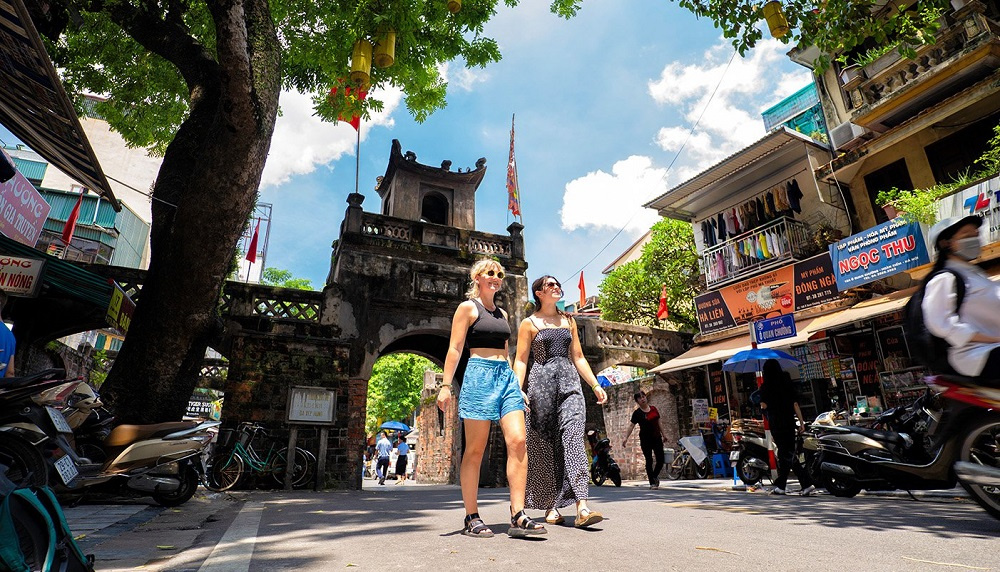
Mass tourism has its comforts — predictable routes, polished guides, air-conditioned convenience — but it often skips the soul of a place. When you choose to explore Vietnam by trail instead, everything changes. You start to notice the morning dew glistening on rice terraces, the laughter of children chasing buffaloes, the sound of bamboo creaking in the wind.
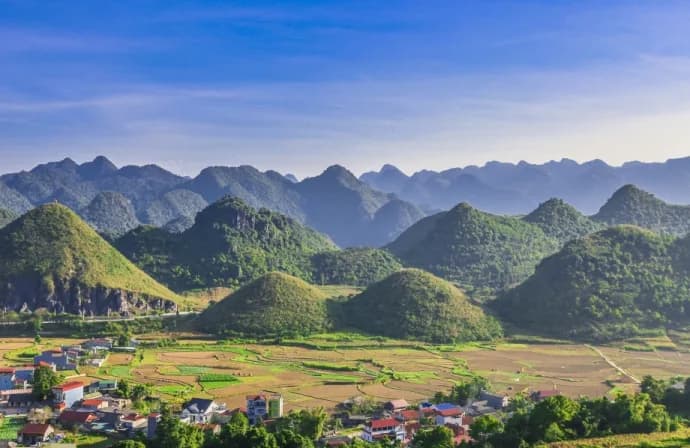
In places like Mai Chau, Ha Giang, or Da Lat, walking connects you to life at ground level. Through self-guided trekking Vietnam, you pass farmers working in golden paddies, share tea with locals in stilt houses, and discover hidden paths that never make it to travel brochures. The journey slows you down — in the best way — teaching you that sometimes the most meaningful experiences happen between destinations, not at them.
Trails That Tell Stories: Essential Tips for Self-Guided Trekking Vietnam
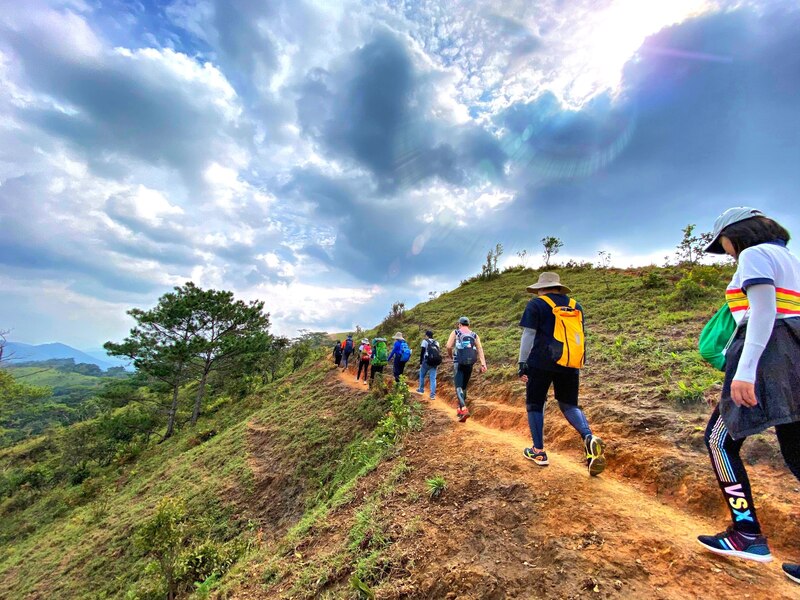
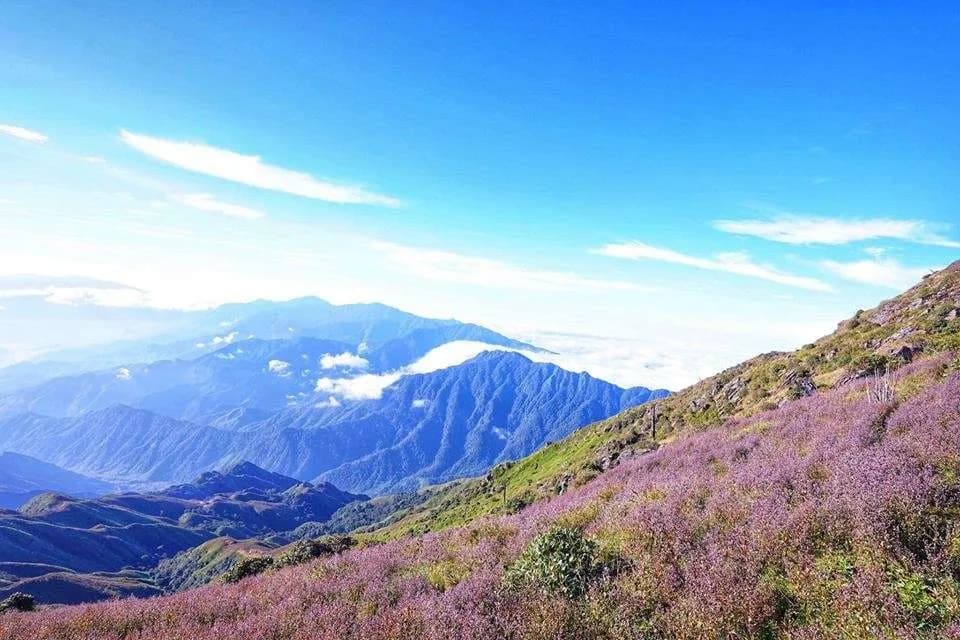
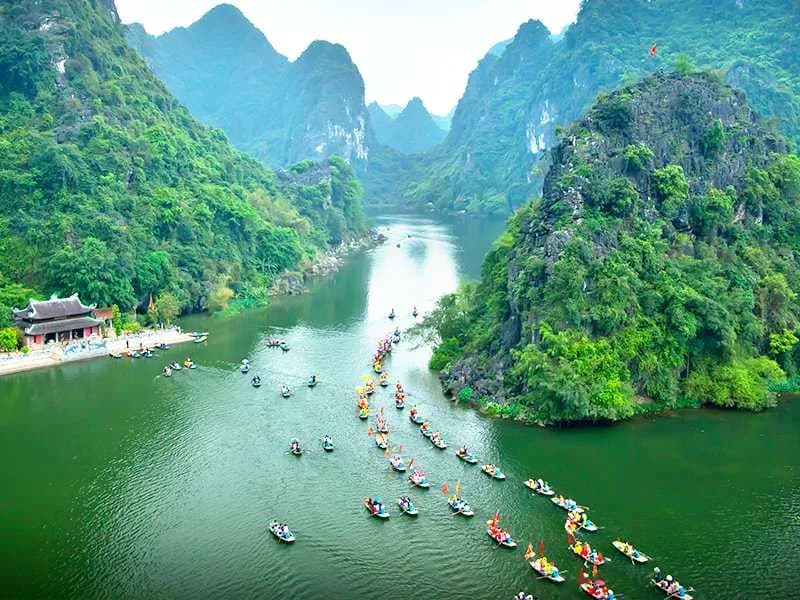
Vietnam’s landscapes are as diverse as its culture. You might begin in the northern mountains, where clouds brush the ridges of Sapa and Ta Xua, then find yourself kayaking through emerald waters in Ninh Binh, or trekking along coastal cliffs near Quy Nhon.
Each region tells its own story — of resilience, harmony, and pride in the land. These aren’t the manicured routes of mainstream tourism. They are real trails, used by locals for generations, now made safely accessible through modern mapping and thoughtful design. And with tools like the ExoTrails app, you can pursue self-guided trekking Vietnam with confidence — guided by verified routes, safety notes, and even the chance to connect with others who share your sense of adventure. It’s travel powered by curiosity, not a tour schedule.
A More Human Kind of Adventure
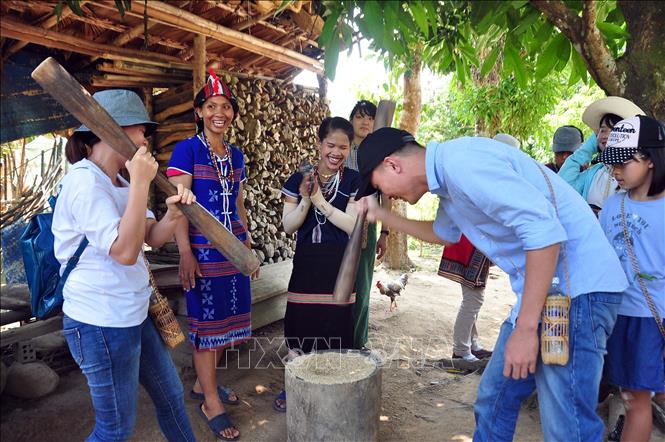
When you step off the tour bus and onto a trail — the true essence of self-guided trekking Vietnam, you start seeing Vietnam differently. Meals aren’t restaurant stops, they’re shared bowls of noodle soup on someone’s porch. Accommodations aren’t hotels, they’re homestays where you might help cook dinner or learn a few words in a local dialect. You’re not a visitor anymore; you’re part of the rhythm of the place.
This kind of travel also gives back. By choosing small routes and local experiences, you’re directly supporting families, preserving cultural heritage, and reducing the environmental footprint that mass tourism leaves behind. It's an adventure that respects both the land and the people who live on it.
Travel Freely, Travel Wisely: Tools for Safe Self-Guided Trekking Vietnam
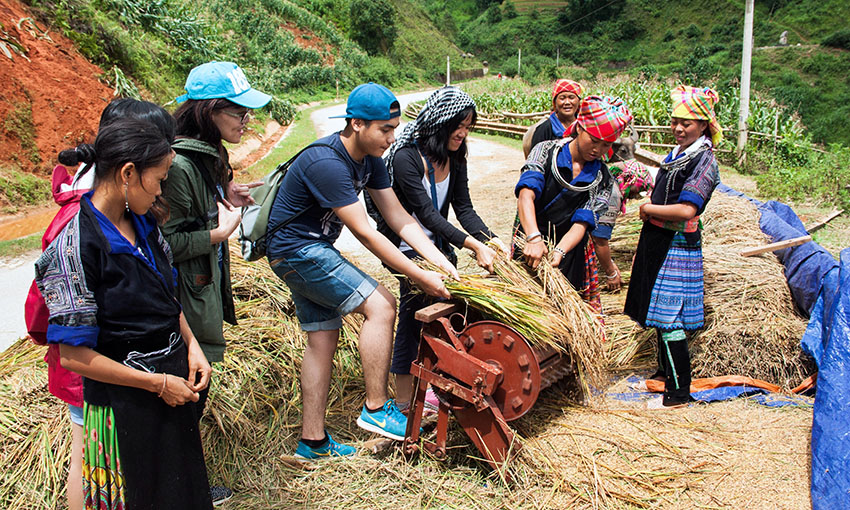
Vietnam doesn’t need to be “done” in a week, it’s a country to feel. Whether you’re a solo wanderer tracing misty ridges or a couple cycling through coastal villages, the most rewarding moments often come when you leave the crowd behind.
So, forget the rush. Take the road that meanders, the one that surprises. Let ExoTrails be your quiet companion, showing you the hidden paths, ensuring your safety, and helping you discover a Vietnam that still feels pure and unfiltered.
Because the best way to see Vietnam isn’t from a tour bus window. It’s one trail, one village, and one sunrise at a time.
Conclusion
The appeal of self-guided trekking Vietnam lies in its promise of an authentic, intimate connection with the country's breathtaking landscapes and resilient local cultures. By trading structured tours for independent exploration, travelers not only empower themselves but also directly support local homestay networks, creating a sustainable and profoundly rewarding travel experience that lingers long after the trail ends.
Ready to lace up your boots and explore? Join our vibrant community on Facebook to share your trekking stories and tips, and don't forget to like the ExoTrails fanpage for the latest updates and exclusive offers!
Frequently Asked Questions (FAQs)
Q: Is self-guided trekking Vietnam safe for solo travelers?
A: Yes, provided you use reliable offline maps, inform homestay hosts of your planned route, and stick to well-known areas like Mai Chau or Da Lat.
Q: Which region is best for starting self-guided trekking Vietnam?
A: Mai Chau and Da Lat offer well-established, less remote trails and plentiful local homestays, making them ideal for beginners.
Q: Do I need a permit for self-guided trekking Vietnam?
A: Generally not for main trails, but sensitive border areas like Ha Giang require a regional permit, which can usually be arranged easily through your local accommodation.
Q: What essential gear is needed for self-guided trekking Vietnam?
A: Essential gear includes sturdy hiking boots, a first-aid kit, a reliable map/GPS app (like ExoTrails), and layered, quick-drying clothing suitable for varying weather.