
Table of Contents Show
There’s a quiet revolution happening in the world of travel — one that trades speed for stillness, and checklists for connection. It’s called slow adventure, and nowhere does it unfold more gracefully than in Vietnam.
Here, between mist-wrapped mountains and tranquil coastlines, travelers are learning that the best journeys aren’t about how far you go — but how deeply you feel.
Read more interesting posts here:
- Hidden Hanoi: Uncovering the Best Non-Touristy Things to Do in Hanoi
- Feathers, Fire, and Faith: Uncovering the Ancient Vietnam Ethnic Festivals
- Vietnam: The Ultimate Destination for Quiet Luxury Travel
Rediscovering Time in Nature Through Slow Adventure

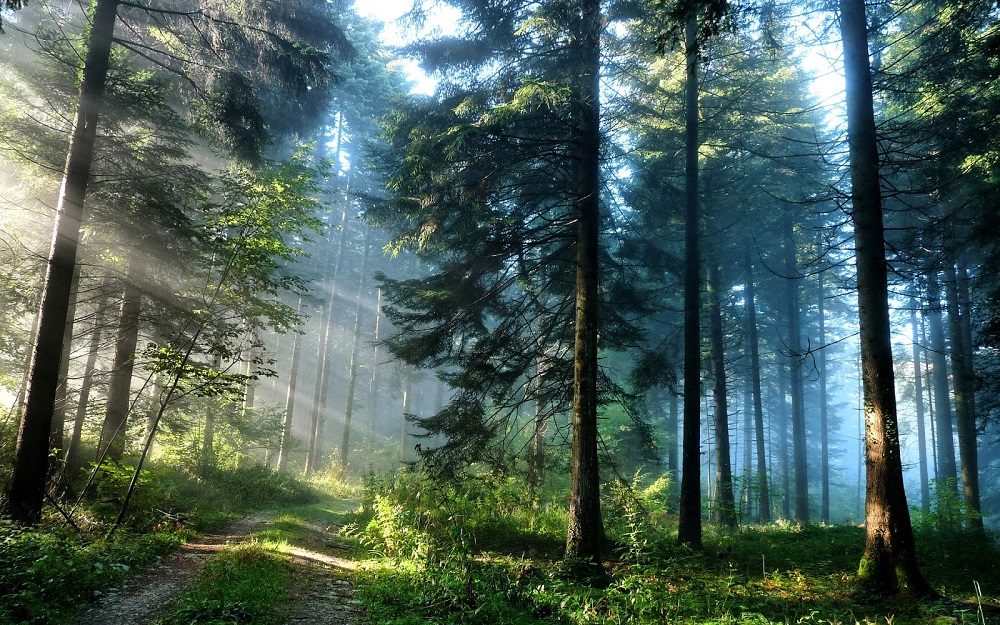
In the rush of modern life, even adventure can become another race, another goal to conquer. But in Vietnam, nature invites you to pause. Picture this: a morning hike through the pine forests of Da Lat, where sunlight spills through the canopy like liquid gold. Or kayaking across the mirror-like surface of Ba Be Lake, where the only sound is the dip of your paddle and the distant call of a hornbill. These moments of stillness are reminders that nature doesn’t demand movement; it rewards presence, the quiet essence of slow adventure. And that’s where the art of slowness begins.
The Soul of Slow Adventure and Mindful Travel
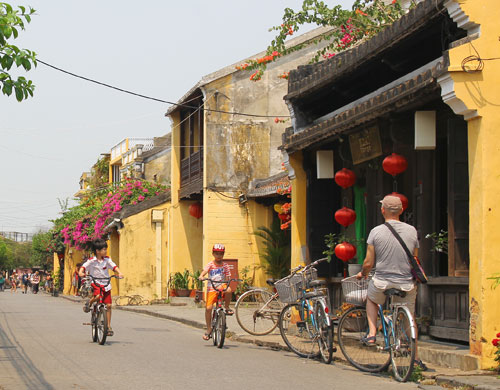
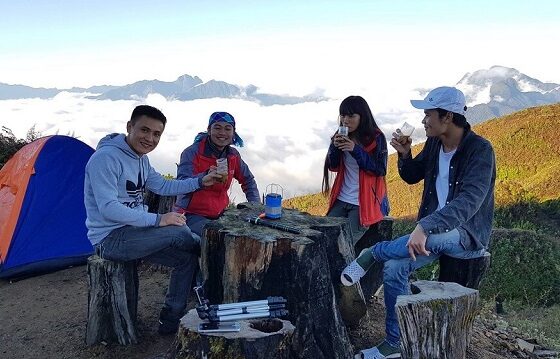
Slow adventure isn’t about doing less, it’s about doing things with intention. It’s cycling along the rural lanes of Hoi An, stopping to chat with farmers harvesting rice. It’s sipping green tea with your host in a Pu Luong stilt house, listening to stories passed down through generations. It’s sitting by a campfire in Ha Giang, trading laughter with fellow travelers under a sky stitched with stars. Each experience is small on paper but immense in memory. In this way, slow travel transforms exploration into meditation — one that heals, humbles, and connects.
Wellness Beyond Resorts
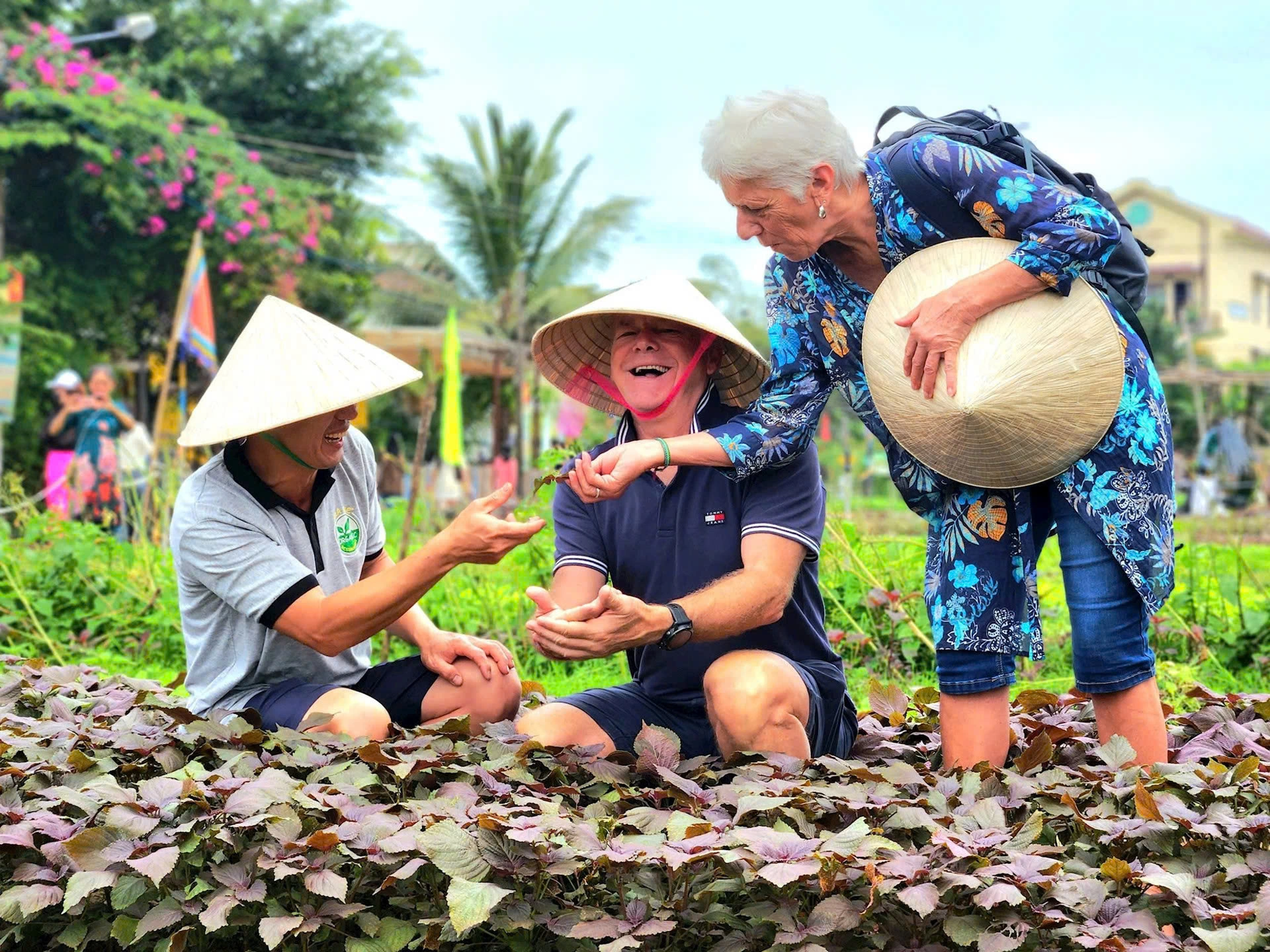
Slow adventure isn’t about doing less, it’s about doing things with intention. It’s cycling along the rural lanes of Hoi An, stopping to chat with farmers harvesting rice. It’s sipping green tea with your host in a Pu Luong stilt house, listening to stories passed down through generations. It’s sitting by a campfire in Ha Giang, trading laughter with fellow travelers under a sky stitched with stars.
Communities in Lao Cai and Kon Tum are now offering guided mindfulness hikes and nature therapy walks, blending traditional herbal knowledge with modern wellness practices. These experiences help travelers slow down, detox digitally, and reconnect with what truly matters — their senses, their body, and the earth beneath their feet.
ExoTrails celebrates this philosophy through its curated trails and categories like MOVE+ and STAY, helping travelers find destinations that nurture both adventure and well-being.
Travel That Gives Back: The Sustainable Impact of Slow Adventure
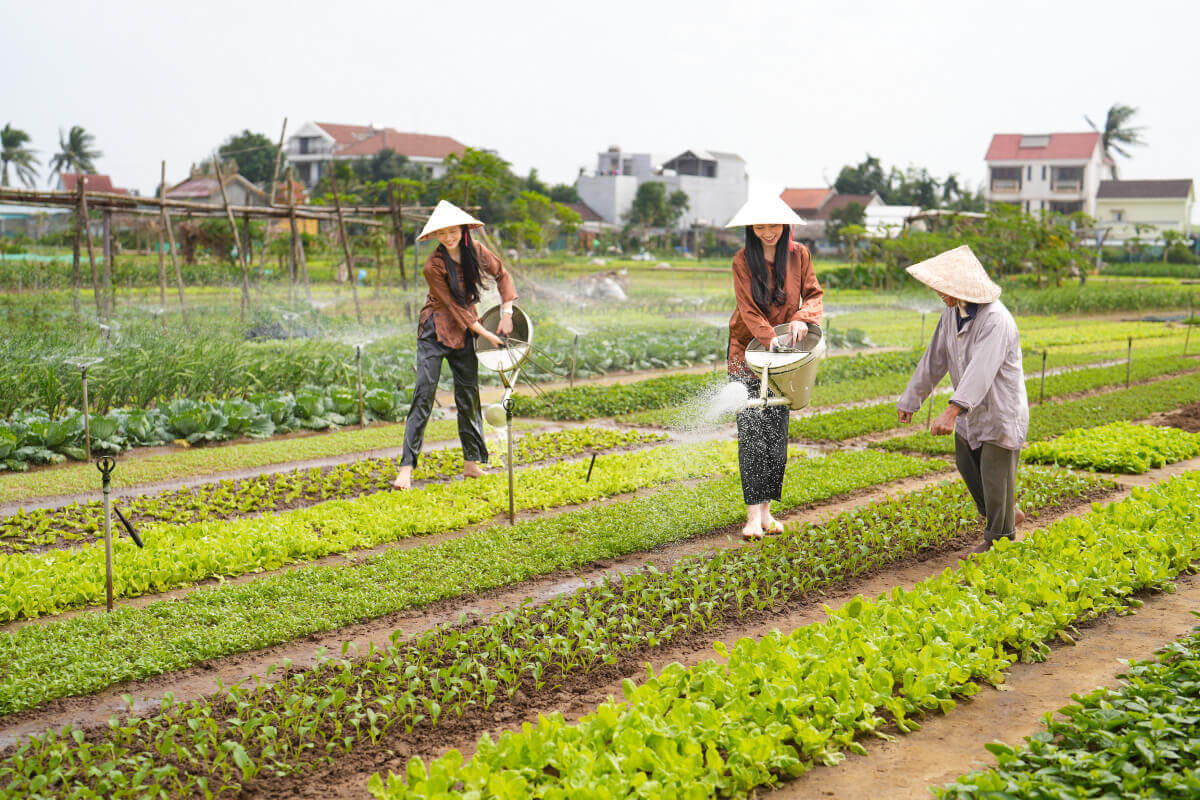
The beauty of Vietnam’s slow travel movement lies not only in how it makes you feel, but in how it supports the communities you meet along the way. Local guides, family-run eco-lodges, and artisans benefit directly from mindful tourism, travelers who spend time, not just money, and who embrace the values of slow adventure.
In the Central Highlands, for example, visitors can learn basket-weaving from Ede women or plant trees as part of reforestation projects in Dak Lak. These moments of exchange create a ripple effect, empowering communities while preserving the landscapes that make Vietnam so breathtaking.
Through ExoTrails and its growing BaseCamp community, these opportunities are being documented and shared, turning slow adventure into a movement rooted in respect, connection, and sustainability.
The Journey Within
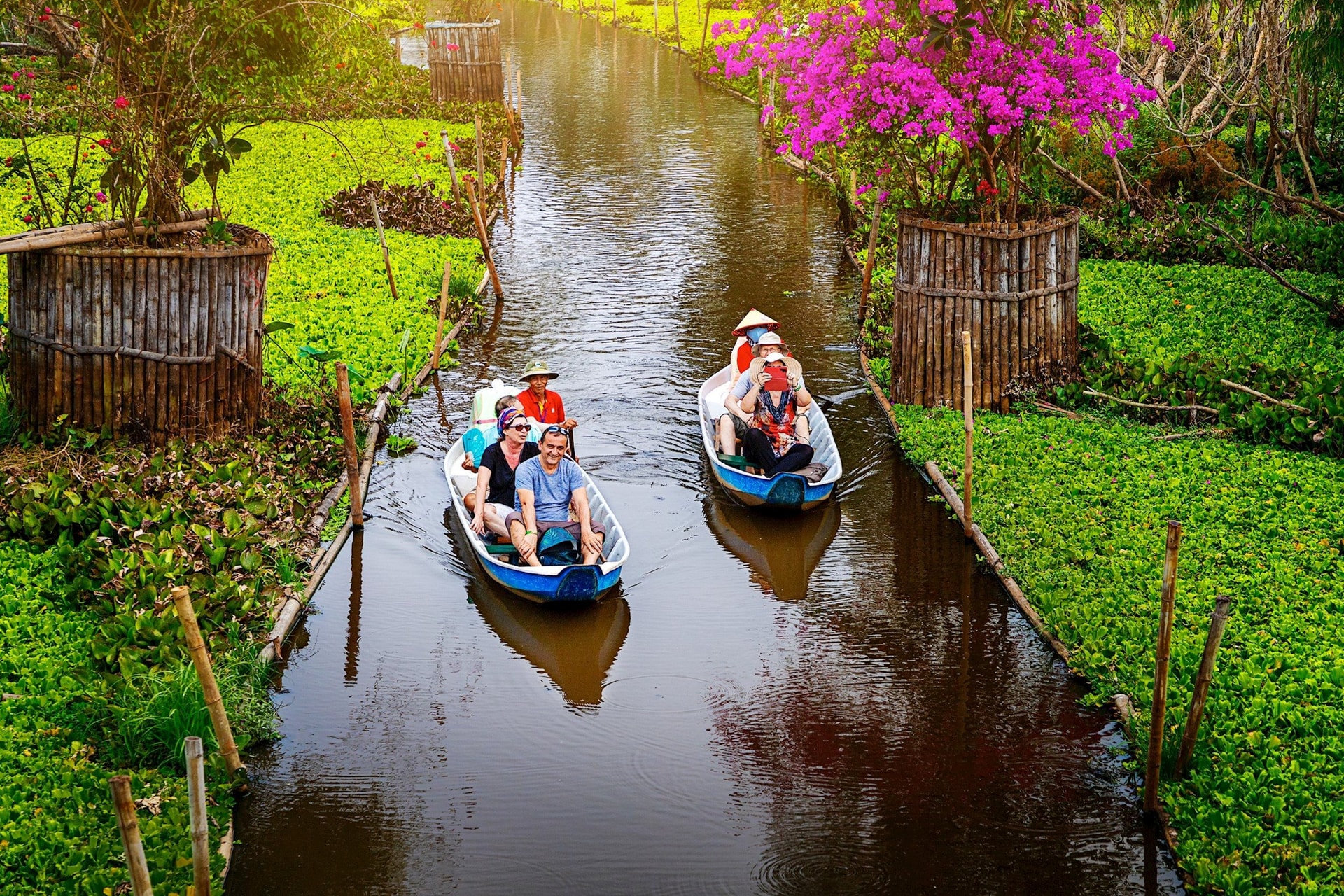
Ultimately, the art of slowness is not just about travel, it’s a state of mind. It’s the realization that adventure doesn’t always require adrenaline. Sometimes, it’s found in silence, in the rhythm of your breath, or the gentle sway of a hammock at sunset.
Vietnam, with its timeless landscapes and soulful people, teaches us to move at the pace of the earth, and to rediscover something we’ve long forgotten in the noise of modern life: ourselves. Because when you slow down, the world, and Vietnam opens up in ways you never imagined.
Conclusion
Slow adventure in Vietnam is the ultimate counter-movement to fast-paced tourism, prioritizing intentional presence, mindful connection, and cultural exchange over mere sightseeing. By encouraging travelers to move at nature’s pace and support local communities, this philosophy delivers a profound, lasting form of well-being and a genuine, enriching experience of Vietnam’s soul.
Ready to start your mindful journey? Join our vibrant community on Facebook to share your trekking stories and tips, and don’t forget to like the ExoTrails fanpage for the latest updates and exclusive offers!
Frequently Asked Questions (FAQs)
Q: What is the main difference between slow adventure and traditional tourism?
A: Slow adventure prioritizes depth of experience, cultural connection, and a slow pace over speed, quantity of sights, and traditional tourist checklists.
Q: Which regions of Vietnam are best for practicing slow adventure?
A: Areas like Pu Luong, Ba Be Lake, the rural lanes of Hoi An, and the northern highlands of Ha Giang offer the best settings for immersive, slow-paced travel.
Q: How does slow adventure contribute to local communities?
A: By favoring local homestays, small guides, and community-based activities, travelers ensure their money directly supports local families and the preservation of their heritage.
Q: Is slow adventure only for advanced hikers or trekkers?
A: No, it focuses on intentional movement—which can be trekking, cycling, or leisurely walks—making it accessible to travelers of all fitness levels.
Klook.com