
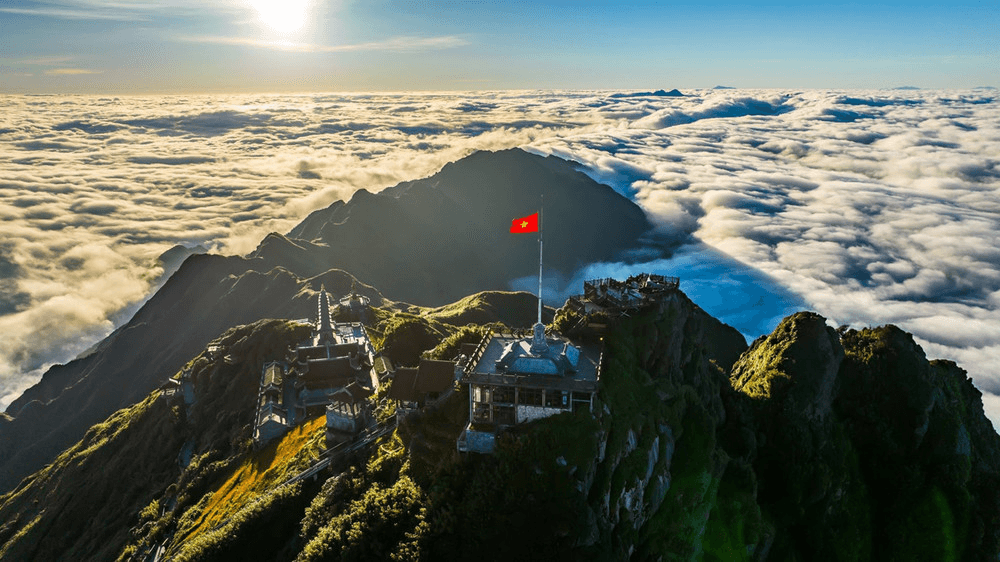

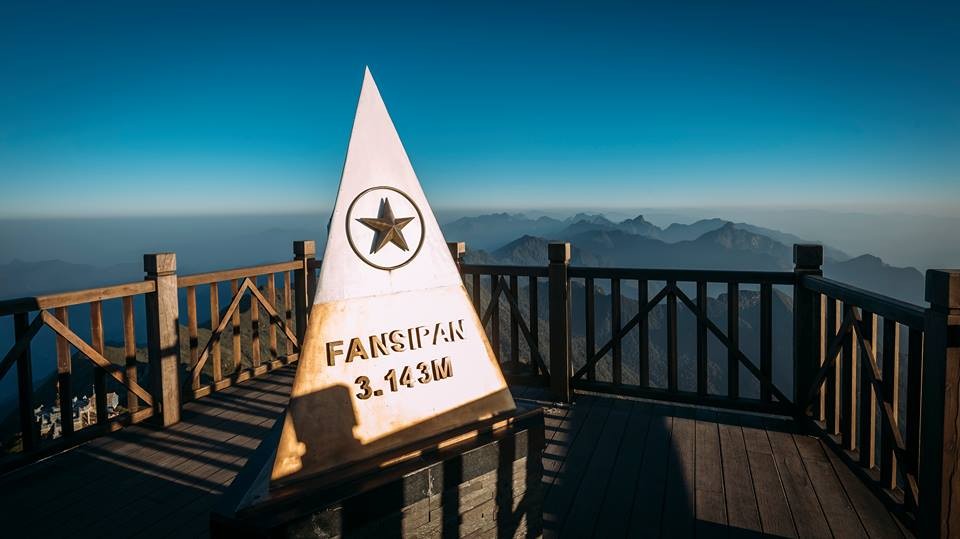
Most hikers arrive at the summit of Fansipan believing they’ve done the hard part. At 3,147 meters, standing beside the iconic marker, lungs still catching up and legs humming with fatigue, it feels like the victory lap has already begun.
But as someone who has guided countless hikers up and down Vietnam’s highest peak, I’ll tell you the truth most don’t expect: the real core of trekking Mount Fansipan safety begins on the way down. The summit is emotional. The descent is physical.
Read more interesting posts here:
- Untamed Wilderness in Vietnam: Incredible Places to Experience True Wild Nature
- Best Vietnamese Street Food for Travelers: Must-Try Street Cart Dishes Across Vietnam
- Best Quiet Beaches in Vietnam: 5 Hidden Paradise Spots for an Unforgettable Escape
The Hidden Truth About Trekking Mount Fansipan Safety
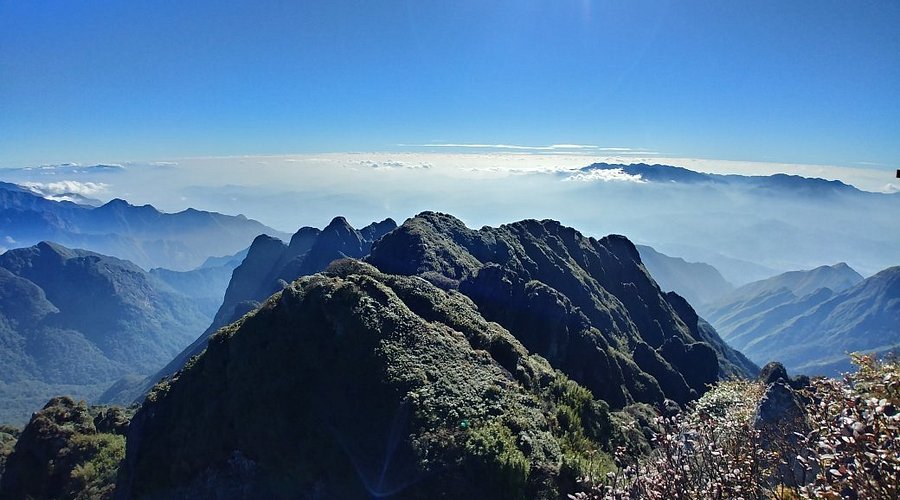
Reaching the top of Fansipan is a triumph of willpower. You push through steep jungle climbs, slippery roots, and thinning air. But adrenaline carries you. The summit pulls you forward. Descending, however, offers no such reward. There’s no higher point to chase only gravity, fatigue, and a long trail demanding your full attention.
Your legs, already taxed from the climb, now absorb relentless impact. Knees take the brunt. Quads begin to shake. Every step downward is a controlled fall, especially on the steep, uneven sections that define Fansipan’s terrain. This is where many trekkers underestimate the mountain and overlook essential trekking Mount Fansipan safety protocols.
Physical Demands: Why Your Knees Are at Risk During Descent
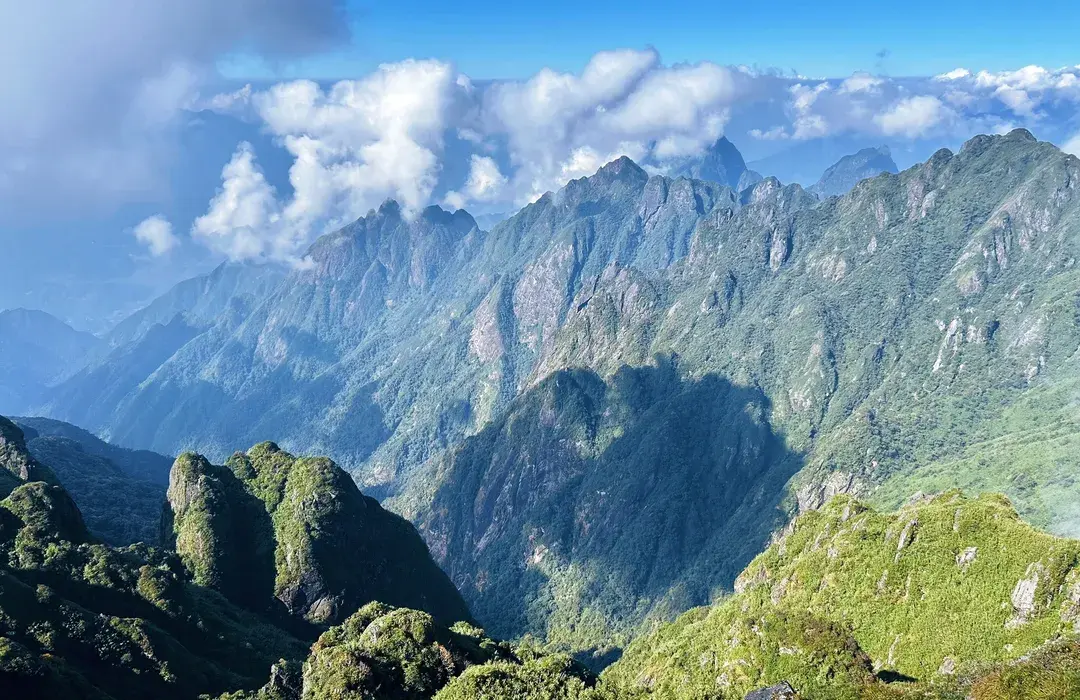
The trail changes when you’re tired. What felt manageable on the way up becomes technical on the way down. That muddy incline you powered through? Now it’s a slick chute. The tangled roots that helped pull you upward? They turn into ankle traps on descent.
When it comes to trekking Mount Fansipan safety, the bamboo forests present a unique challenge where the ground can be loose and unpredictable. In the higher elevations, damp rocks and narrow ridgelines require precise footing. One misstep doesn’t just slow you down it can end the trek early. As a guide, I often see the shift halfway down. Conversations fade. Focus sharpens. The mountain demands respect again but this time, without the excitement of ascent to mask the strain.
Navigating Technical Terrain: Roots, Mud, and Mindset
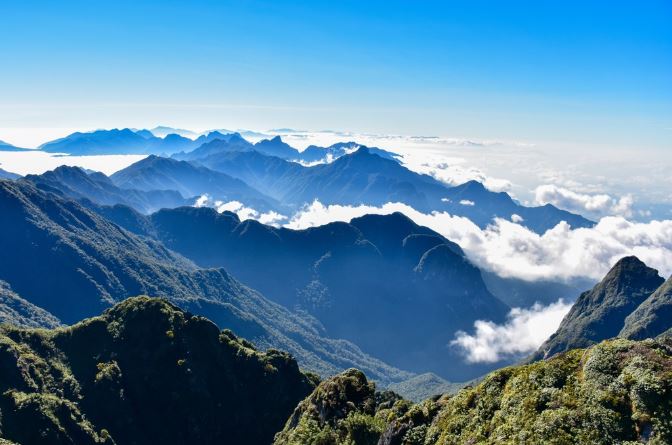
Descending Fansipan is as much a mental test as it is physical. By this point, sleep has been limited, muscles are sore, and energy reserves are running low. This is where pacing becomes critical for maintaining trekking Mount Fansipan safety. Many hikers rush, eager to “finish.” That’s the mistake.
The descent rewards patience. Short, controlled steps. Balanced posture. A steady rhythm that protects your joints and conserves energy. I always remind my trekkers: slow is smooth, smooth is fast. Those who listen finish strong. Those who don’t often struggle.
Pro Tips for a Safe Return from the Roof of Indochina
Yet, for those who stay present, the descent offers something the climb cannot. You begin to notice details missed on the way up the way light filters differently through the forest, the distant echo of water through the valleys. You pass through ecosystems in reverse alpine vegetation giving way to dense forest, then bamboo, then the distant signs of life below.
Strength is proven on the way down. Anyone can push hard for a summit, but the descent is where discipline lives. It’s where you manage pain, maintain focus, and respect the mountain even after you’ve “won.” By the time you reach the base, legs heavy and boots caked in mud, you realize that trekking Mount Fansipan safety isn't just a checklist it's a mindset that lasts until the very last step.
Ready to conquer the "Roof of Indochina" with expert guides who prioritize your well-being? Explore our professional trekking packages and book your safe ascent today: From Sapa: Fansipan Cable, Cat Cat Village, Moana Instagram Day Tour
Conclusion
Mastering trekking Mount Fansipan safety means respecting the mountain until you are back at the trailhead. While the summit is the goal, the descent is where your true strength and discipline are tested. By focusing on pacing, proper gear, and mental alertness, you ensure that your journey to the Roof of Indochina is as safe as it is unforgettable.
FAQ (Frequently Asked Questions)
1. Is trekking Mount Fansipan safe for beginners?
Yes, provided you have a reasonable fitness level and follow trekking Mount Fansipan safety guidelines. Using a guide is highly recommended for beginners to navigate the technical sections.
2. What is the biggest safety risk when trekking Fansipan?
The descent is often the most dangerous part due to muscle fatigue and slippery terrain, which can lead to knee injuries or slips on wet rocks.
3. Do I need professional trekking poles for Fansipan?
Highly recommended. Trekking poles are essential for trekking Mount Fansipan safety, as they significantly reduce the impact on your knees during the long descent.
4. What happens if there is bad weather during the trek?
Professional guides will monitor the weather. If conditions become too dangerous (heavy rain or high winds), the trek may be paused or redirected to ensure everyone's safety.
5. Is it mandatory to hire a guide for Fansipan?
Yes, the Hoang Lien Son National Park regulations require hikers to have a licensed guide and a permit to ensure overall trekking Mount Fansipan safety.
Ready to share your campfire stories and find your next outdoor adventure? Follow our Facebook Page and join our ExoTrails Community Group to connect with fellow explorers and stay updated on the latest trails!


