
Table of Contents Show
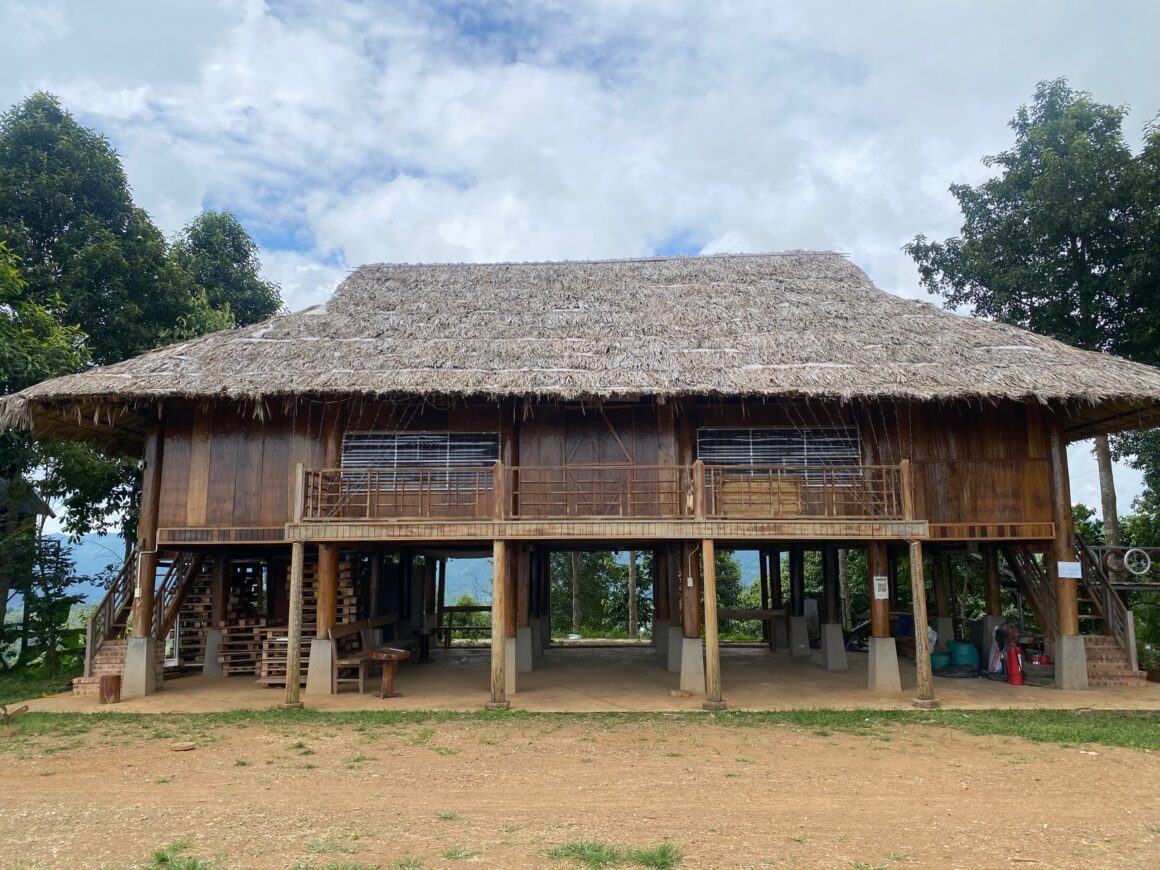
Here, homes aren’t just shelters—they are living stories carved from earth and timber. The Hmong people of Vietnam’s northern highlands showcase a unique architectural heritage through their distinctive stilt houses Vietnam, which stand as a testament to their communal lifestyle and deep connection to the land. Each dwelling tells a story of tradition, resilience, and the community’s harmony with nature.
Read more interesting posts here:
- The Best Waterfalls in Vietnam: Your Guide to Spectacular Natural Wonders
- Safe Swimming Spots Vietnam: Gentle Island Adventures for Families
- Discovering the Unique La Chi People Culture: The Khu Cù Tê Festival
Stilt houses Vietnam: A testament to ingenuity and tradition
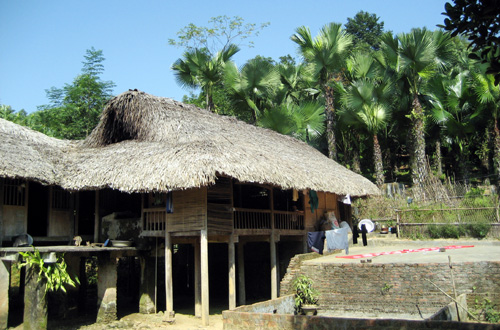
Hmong stilt houses Vietnam are meticulously crafted from local materials, primarily wood and bamboo, with raised platforms that protect inhabitants from flooding and pests. These houses are designed to withstand the region’s varied climate, offering ventilation in hot weather while providing warmth during cooler months.
Construction techniques are passed down through generations, reflecting the ingenuity of Hmong craftsmanship. The design includes intricate carvings and colorful textiles, often symbolizing prosperity and protection. Each home is a reflection of the family’s identity, showcasing personalized elements that convey the unique history and values of its occupants.
Communal living and social structure in stilt houses Vietnam
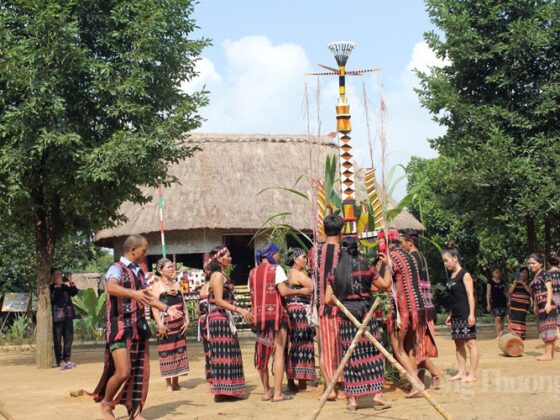
The Hmong community life is intricately tied to their architectural practices. Stilt houses Vietnam are typically built in close proximity to one another, fostering a strong sense of unity and cooperation among families. This communal layout encourages social interaction and support, with households often coming together for celebrations, rituals, and everyday gatherings.
Life in these stilt houses is characterized by shared responsibilities, where community members collaboratively engage in farming, tending livestock, and participating in festivals. This communal lifestyle not only strengthens bonds but also creates a rich tapestry of cultural practices that are vital to Hmong identity.
Cultural narratives embedded in stilt houses Vietnam architecture
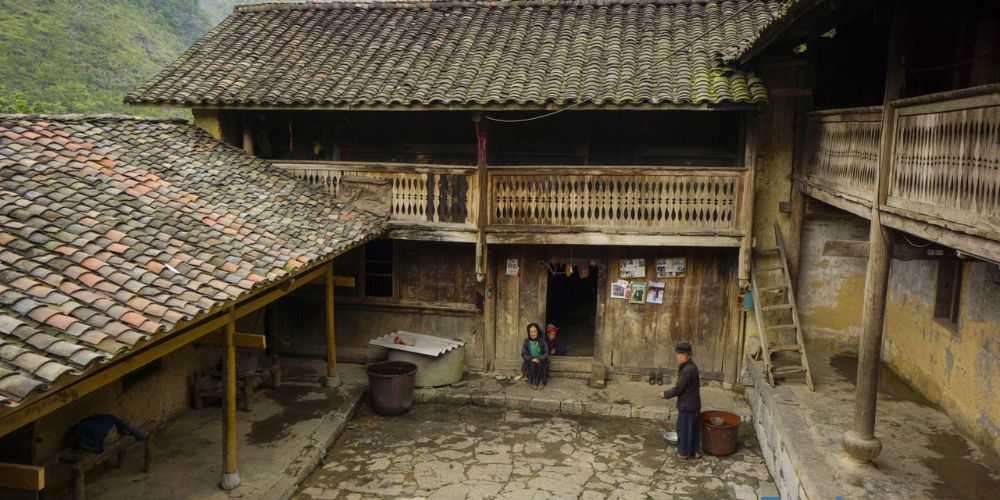
The stilt houses Vietnam of the Hmong are more than functional spaces; they are repositories of culture and history. Each structure is imbued with meaning, from the materials used to the decorating motifs, which often convey significant life events and ancestral stories.
Visitors can explore Hmong villages, witnessing how architecture serves as a canvas for cultural expression. Engaging with local families offers insights into their daily lives, traditions, and the architectural choices that influence their way of living. Travelers may even be invited to participate in communal activities, deepening their understanding of the social fabric that ties the Hmong to their homes.
Conclusion
The Hmong people’s stilt houses Vietnam stand as a testament to their resourcefulness and enduring connection to community and culture. These architectural wonders tell stories of their past, present, and future, demonstrating how homes can embody the spirit of a people. By exploring Hmong architecture and community life, visitors gain a profound appreciation for the narratives woven into the very fabric of these structures. Here, homes are not just shelters; they are vibrant representations of identity, heritage, and the lasting bonds that unite the Hmong people with their land.
Join our vibrant community on Facebook to share your trekking stories and tips, and don’t forget to like the ExoTrails fanpage for the latest updates and exclusive offers!
Frequently Asked Questions (FAQs)
Q: What are the primary materials used in building stilt houses Vietnam by the Hmong?
A: The Hmong primarily use locally sourced materials like wood and bamboo for the construction of their stilt houses Vietnam.
Q: What is the main functional reason for building stilt houses Vietnam?
A: The raised platform protects the inhabitants and their belongings from seasonal flooding, dampness, and various pests.
Q: How does the architecture of stilt houses Vietnam reflect Hmong social structure?
A: They are often built in close proximity, fostering a communal layout that encourages strong social interaction and cooperation among families.
Q: What is a typical decorative element found on stilt houses Vietnam?
A: Intricate carvings and colorful textiles are common decorative elements, often used to symbolize prosperity, protection, and family identity.
Klook.com