
Table of Contents Show
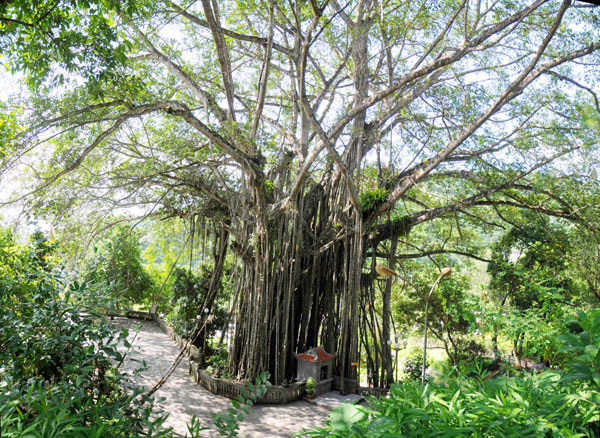
In the heart of Vietnam’s lush landscapes, ancient villages stand as living testaments to the country’s rich history and vibrant culture. At the center of these villages often lies a magnificent banyan tree, a silent sentinel that has witnessed the passage of time for hundreds of years. Revered as sacred, these trees are viewed not merely as flora, but as guardians of the land, enriching the villages with their historical and cultural significance. The Banyan tree in Vietnam is truly a cultural icon.
Read more interesting posts here:
- Brewing Stillness: Unpacking the Meditative Art of Tea Vietnam Offers
- Brewing Stillness: The Meditative Ritual of the Vietnamese Tea Ceremony
- The Resilient River: Motorbikes, Trains, and the Complete Guide to Transport in Vietnam
The Banyan Tree: A Symbol of Protection and Heritage
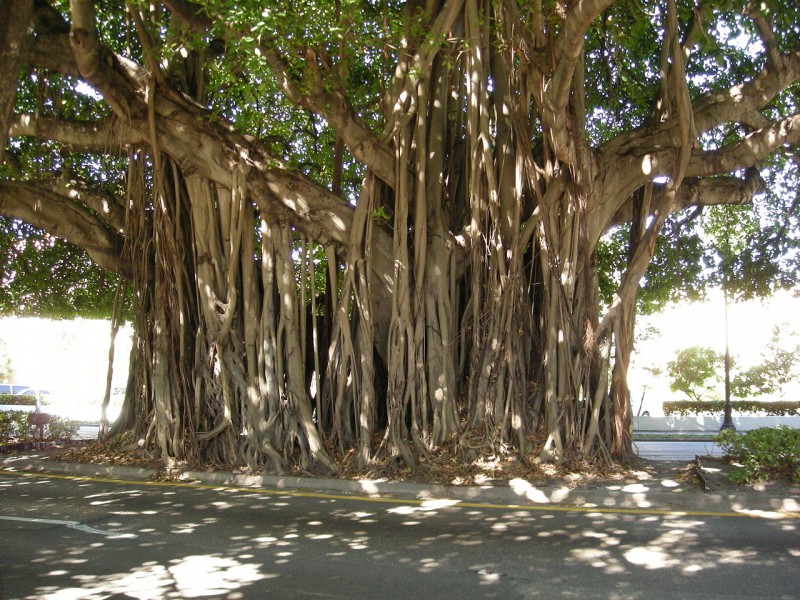
The banyan tree, with its sprawling branches and intricate aerial roots, embodies both life and resilience. Many of these trees, some dating back over 500 years, serve as natural monuments that mark the origins of the villages they inhabit. Local folklore and traditions often imbue these trees with a sense of spirituality, suggesting that they harbor the spirits of ancestors who continue to watch over the people.
Village elders share stories of how the Banyan tree in Vietnam has offered shelter during storms, shade during intense heat, and even a space for communal gatherings. The tree’s great trunk becomes a central point for festivities, ceremonies, and rites of passage, reinforcing community bonds and cultural identity.
Guardians of the Landscape: The Ecological Role of the Banyan Tree in Vietnam

Beyond their cultural significance, banyan trees play a vital role in the ecosystem. They provide habitat for various wildlife, serving as a sanctuary for birds, insects, and other creatures. Their expansive root systems help stabilize the soil, preventing erosion and promoting biodiversity in the surrounding area. These trees also serve as natural markers of secret trails and old footpaths, guiding travelers through the stunning landscapes of Vietnam.
Historically, these pathways have connected villages, allowing the exchange of goods, culture, and tradition. By following the network of banyan trees, one can trace the footprints of history—connecting rural communities and witnessing the evolution of local lifestyles. These routes often become a living tapestry of Vietnam’s past, filled with stories of trade, adventure, and cultural exchange.
Cultural Crossroads: Stories Beneath the Canopy of the Banyan Tree in Vietnam
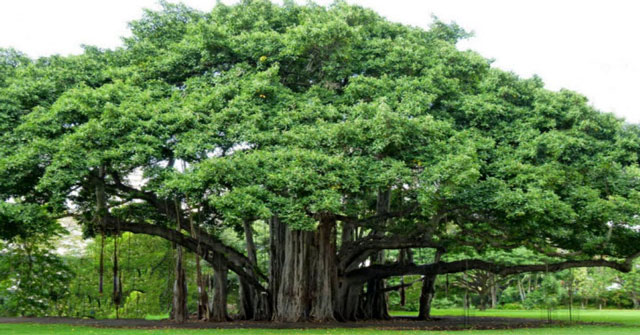
Throughout history, the banyan tree has acted as a cultural crossroads, where people from diverse backgrounds converge. In many villages, festivals are held under the spreading branches, celebrating agricultural cycles, ancestral worship, and communal harmony. It is here that the practice of storytelling flourishes, with elders recounting tales of bravery, love, and wisdom to younger generations.
These gatherings foster a sense of unity and shared identity among villagers. The Banyan tree in Vietnam becomes a witness to laughter, tears, and the rich tapestry of human experience. Gastronomic traditions also thrive around these sacred spaces, with vendors setting up stalls to offer local delicacies, transforming the area into a lively bazaar teeming with vibrant colors and enticing aromas.
Challenges and Conservation: A Collective Responsibility
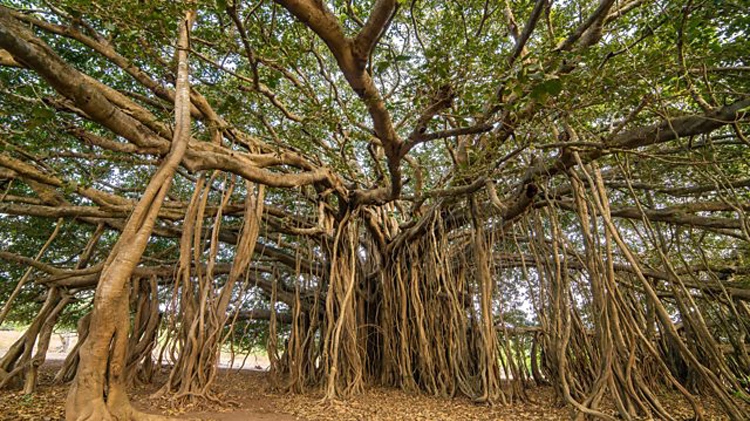
Despite their significance, many banyan trees face threats from urbanization, deforestation, and climate change. As villages expand and develop, these ancient guardians may be at risk. It is crucial to foster community awareness and engagement in the preservation of these sacred trees. Initiatives aimed at protecting banyan trees, along with the ecosystems they support, can empower communities to take action in safeguarding their cultural heritage.
Local governments and environmental organizations can play a pivotal role in these efforts. By integrating traditional knowledge with modern conservation strategies, they can work alongside villagers to ensure that these guardians remain standing for future generations to admire and revere.
Conclusion
The Banyan tree in Vietnam represents more than mere botanical wonders; they are the living embodiment of the nation’s history and culture. Each tree is a chapter in the story of the land, cultivating memories and traditions that bind communities together. By respecting and preserving these sacred guardians, we not only protect the natural environment but also honor the timeless narratives woven into the very fabric of Vietnamese identity. In following the banyans, we journey through Vietnam’s rich living history, reminding us that nature and culture are inseparable threads in the tapestry of life.
Want to explore the historical paths marked by these sentinels? Join our vibrant community on Facebook to share your trekking stories and tips, and don’t forget to like the ExoTrails fanpage for the latest updates and exclusive offers!
Frequently Asked Questions (FAQs)
Q: What is the spiritual significance of the Banyan tree in Vietnam?
A: The banyan tree is often revered as a sacred guardian that harbors the spirits of ancestors, serving as a protective and spiritual anchor for the village.
Q: Where can tourists typically find the largest Banyan tree in Vietnam?
A: Ancient banyan trees can be found at the heart of many traditional villages, often near communal houses, temples, or pagodas across the Vietnamese countryside.
Q: How do the aerial roots of the Banyan tree in Vietnam function?
A: The aerial roots grow downward from the branches, eventually thickening into woody trunks that provide structural support and allow the tree to continually expand its canopy.
Q: What communal activities take place under the Banyan tree in Vietnam?
A: The space beneath the banyan tree is used for village meetings, cultural festivals, traditional games, and informal social gatherings.
Klook.com