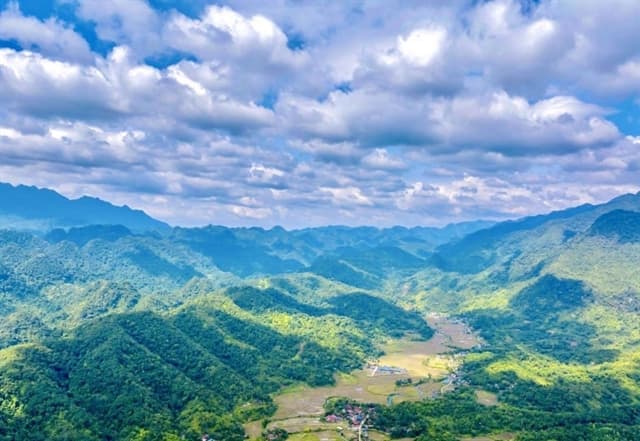


In Vietnam, the roads are not merely infrastructure; they are the nation’s lifeblood. With over 50 million registered motorbikes, the two-wheeled vehicle is the ultimate democratizer and workhorse, transporting everything from entire families to stacks of cargo, merchandise, and even livestock. For the visitor, navigating this sea of scooters is less about traffic rules and more about understanding the deep-seated cultural flow—a vibrant, resilient, and utterly mesmerizing organized chaos that defines transport in Vietnam.
Read more interesting posts here:
- Discovering the Authentic Vietnamese Coffee Culture in the Central Highlands
- Vietnamese Fine Dining: Beyond the Pho Stall to Gastronomic Heritage
- Ancestral Worship in Vietnam: A Young Generation’s Journey Back to Their Roots
Motorbikes: The Backbone of Transport in Vietnam
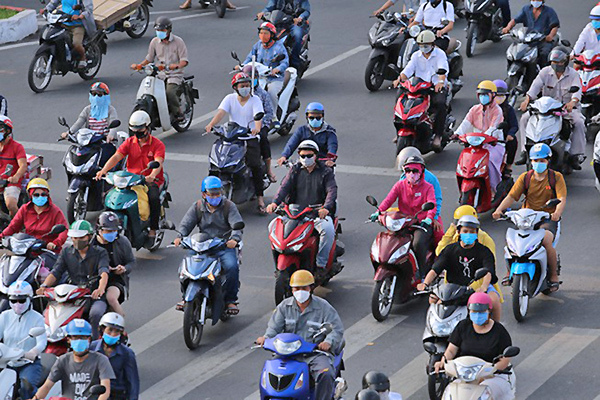
From the early hours until the height of the midday heat, motorbikes set the pace for commerce, shaping Transport in Vietnam by dictating the flow of goods and people across vast, winding road networks. The sheer versatility of the motorbike is a phenomenon in itself—it becomes a primary delivery vehicle, a pop-up storefront, and a family car all at once. Watch the motorbikes at the busiest intersections of Hanoi or Ho Chi Minh City, they move less like independent vehicles and more like a living river, constantly merging and parting, guided by a collective intelligence that values momentum over rigid lane lines. Even the persistent, gentle horn tap isn’t aggression; it’s a soft social cue, a rhythmic whisper that says, “I’m here, and I’m moving with you.”
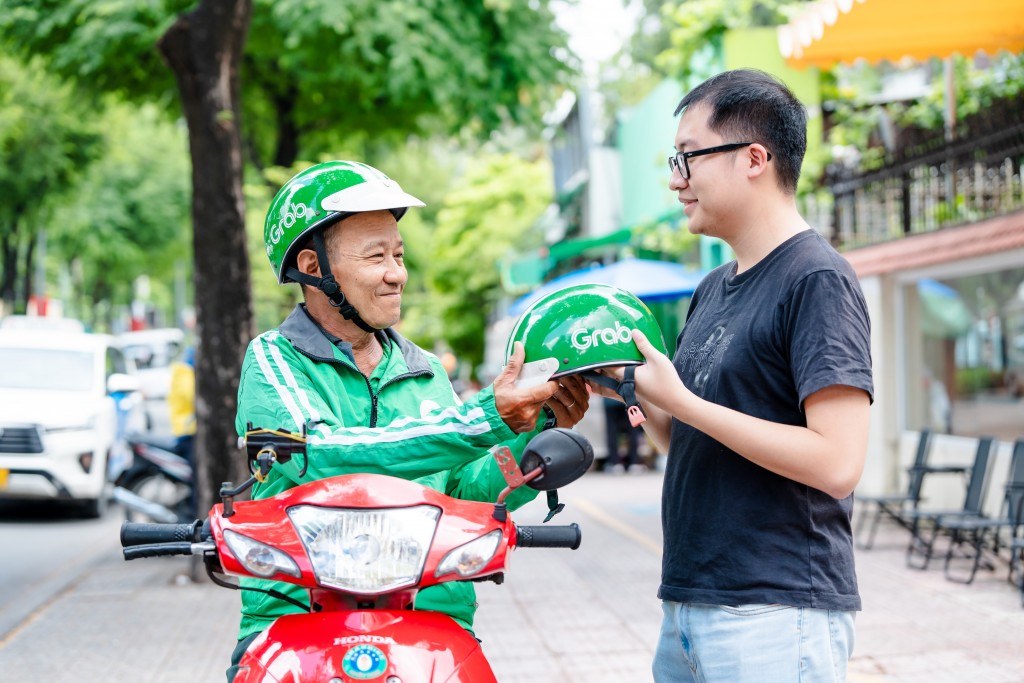
Tourists can dive directly into this culture affordably by using ride-hailing motorbike taxis (like Grab or Xanh). A short city trip (1-3 km) is exceptionally cheap, typically costing between $0.75 and $1.50 USD. For a longer ride (5-10 km) or a quick inter-district journey, prices generally range from $1.50 to $3.50 USD. This service offers both a thrill and the most efficient way to navigate the maze of city streets, providing a perspective truly immersed in local life.
Twilight and Beyond: Long-Distance and Scenic Transport in Vietnam
As the sun sets, the traffic lights of the cities create shimmering lines of red and white light, and the motorbike transforms from a functional tool into a vessel for adventure and social life.
The legendary long-distance motorbike journey—like conquering the Hải Vân Pass between Da Nang and Huế—is best experienced in the cool glow of twilight or the first breath of dawn. In these hours, Transport in Vietnam transforms into something poetic: sweeping coastal horizons, mist curling around mountain bends, and a raw, untamed beauty that slips straight into your chest. This kind of freedom can’t be replicated behind car windows. Adventurous travelers often rent a motorbike for around $7 to $15 USD per day for a standard scooter, with generous discounts for longer rentals, just remember, foreign riders must carry a valid International Driving Permit (IDP) with a motorcycle endorsement to ride legally and responsibly.
Navigating the Streets: The Unwritten Rules of Transport in Vietnam
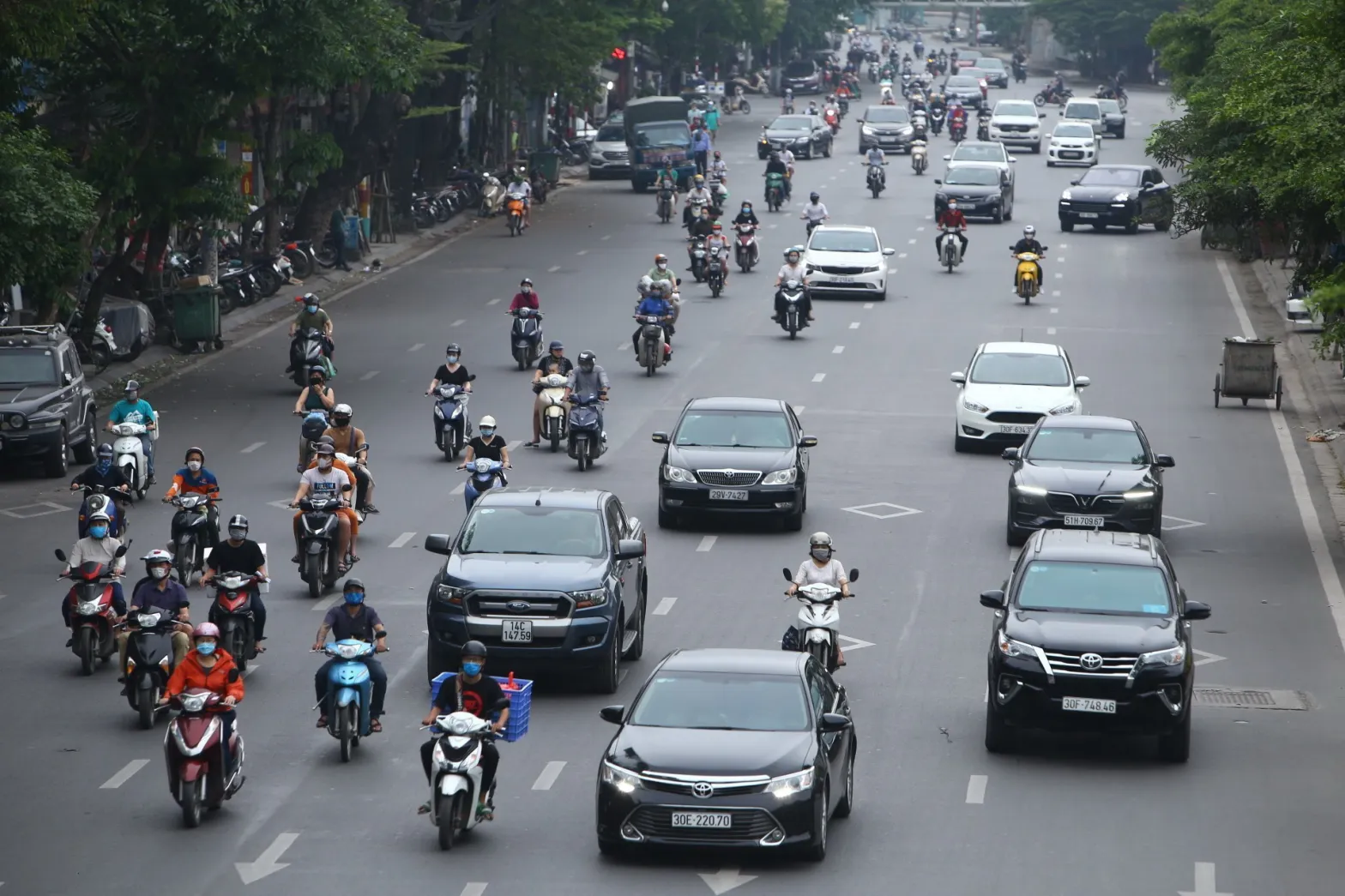
For those simply on foot in the city, the true test of cultural immersion—and a surprisingly poetic lesson in Transport in Vietnam is crossing the street. It looks terrifying at first glance, pure chaos with a pulse, yet it follows an unwritten rule: walk slowly and predictably. Do not stop. Do not run. By holding a steady, consistent pace, you let the river of motorbikes flow around you, intuitively anticipating your movement. What unfolds is a quiet choreography of trust and motion a living system where confidence, not force, keeps everything moving forward.
The enduring symbol of this culture is the cyclist and the xích lô (pedicab). While slower, these offer a quintessential, low-speed tourist experience in historic areas like Hanoi’s Old Quarter or Huế. A ride for 30–60 minutes typically requires negotiating a price upfront, which usually falls between $5 and $15 USD, offering a gentle, ground-level view of the bustling city that the motorbikes often blur past.
Vietnam's road culture is a powerful reflection of its people: dynamic, adaptable, and fundamentally resilient. To travel here is to understand that the two-wheeled vehicle is not just transportation; it is the rhythm of the nation's heart.
Conclusion
From the ubiquitous motorbike that dictates the pace of urban life to the iconic Reunification Express train that links the nation, transport in Vietnam is a vivid, ever-flowing aspect of the country's cultural identity. Mastering the unwritten rules of road crossing and choosing the right mode of travel for the occasion are key to fully appreciating the dynamic, adaptable, and mesmerizing flow of Vietnamese daily life.
Ready to ride into the heart of Vietnam? Join our vibrant community on Facebook to share your trekking stories and tips, and don't forget to like the ExoTrails fanpage for the latest updates and exclusive offers!
Frequently Asked Questions (FAQs)
Q: Is it safe for a tourist to ride a motorbike as a form of transport in Vietnam?
A: Riding as a passenger on a ride-hailing app (like Grab Bike) is very safe and recommended; riding your own legally requires an International Driving Permit (IDP) with a motorcycle endorsement.
Q: What is the most efficient way to travel between major cities in Vietnam?
A: Flying is the quickest method, but the Reunification Express train offers a highly scenic, comfortable, and often recommended alternative for inter-city transport in Vietnam.
Q: How do I cross a busy street safely in Vietnam?
A: Walk slowly and predictably at a consistent pace; do not stop abruptly, run, or make sudden movements, allowing the traffic to flow around you.
Q: Are there local buses available for transport in Vietnam?
A: Yes, major cities have extensive local bus networks, and long-distance sleeper buses (known as open-tour buses) are popular and budget-friendly for inter-city travel.