
Table of Contents Show
Beyond the immediate sensory thrills of street food and motorbikes, Vietnam holds layers of profound history and spiritual depth. From Hue Imperial City to ancient port towns and resilient spiritual sites, the country offers a quiet beauty that speaks volumes about its endurance and tradition. These places are where you connect with the soul of Vietnam.
Read more interesting posts here:
- Romantic Journeys: The Top 10 Vietnam Honeymoon Destinations Guide
- The Soundtrack of the Wild: Immersing in Nature Sounds Vietnam Offers
- Valleys of Gold: The Best Rice Terraces in Vietnam That Most Travelers Miss
Midday Reflection: The Imperial Splendor of Hue Imperial City
The grand historical and spiritual sites are often best viewed in the steady light of midday, allowing you to absorb the architectural details and the sheer scale of the historical effort.
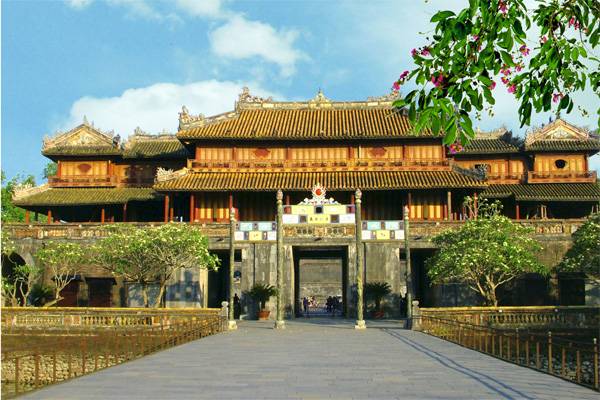
The most vital historical center is the Hue Imperial City, once the capital of the Nguyễn Dynasty. The citadel, with its high stone walls and intricate gateways, is a UNESCO World Heritage site that has been painstakingly restored after years of conflict. Walking through the Forbidden Purple City and its temples offers a deep sense of the nation’s royal past.
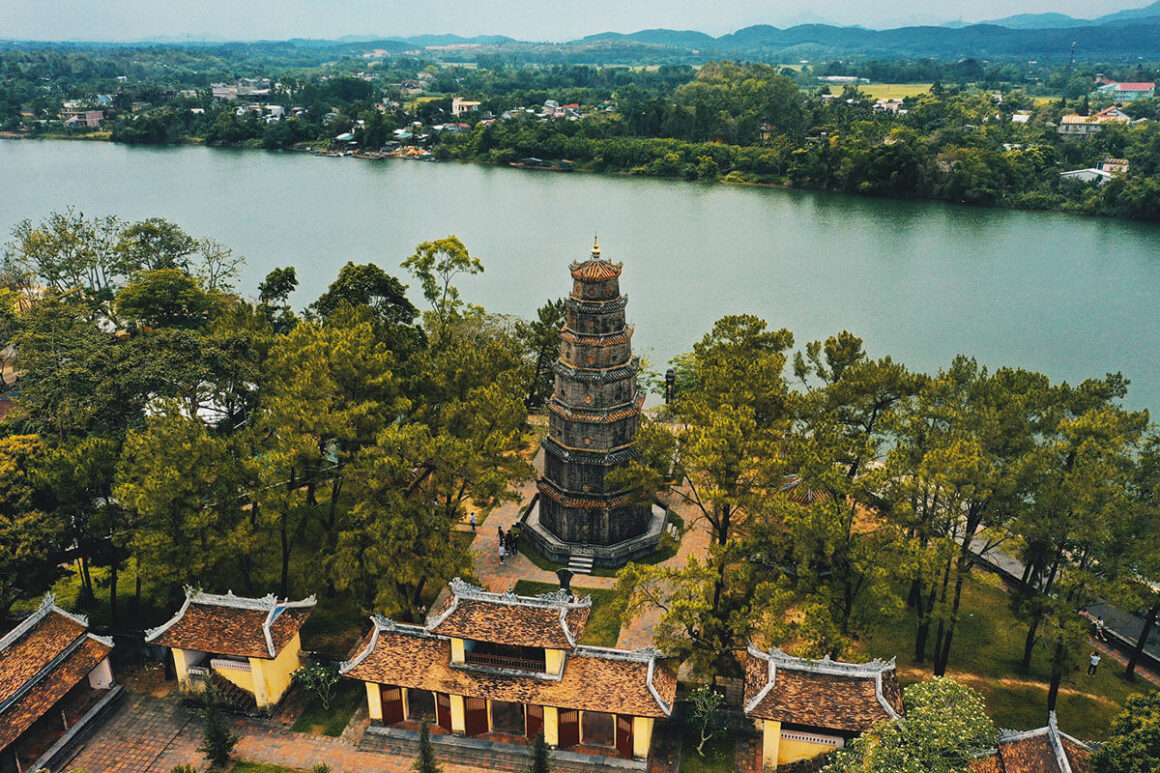
For a unique spiritual site, venture to the Thien Mu Pagoda , Huế’s oldest active Buddhist monastery. Perched on a hill overlooking the Perfume River, its seven-story pagoda stands as an iconic symbol of Vietnamese religious life.
Entrance fees for major sites like the Hue Imperial City Citadel are surprisingly affordable, offering hours of exploration. The ticket price typically ranges from $6.00 to $8.00 USD per person, providing incredible value for access to this level of historical preservation. The serene atmosphere contrasts sharply with the nearby bustling cities.
Twilight and Beyond: Lanterns, Temples, and Timeless Traditions
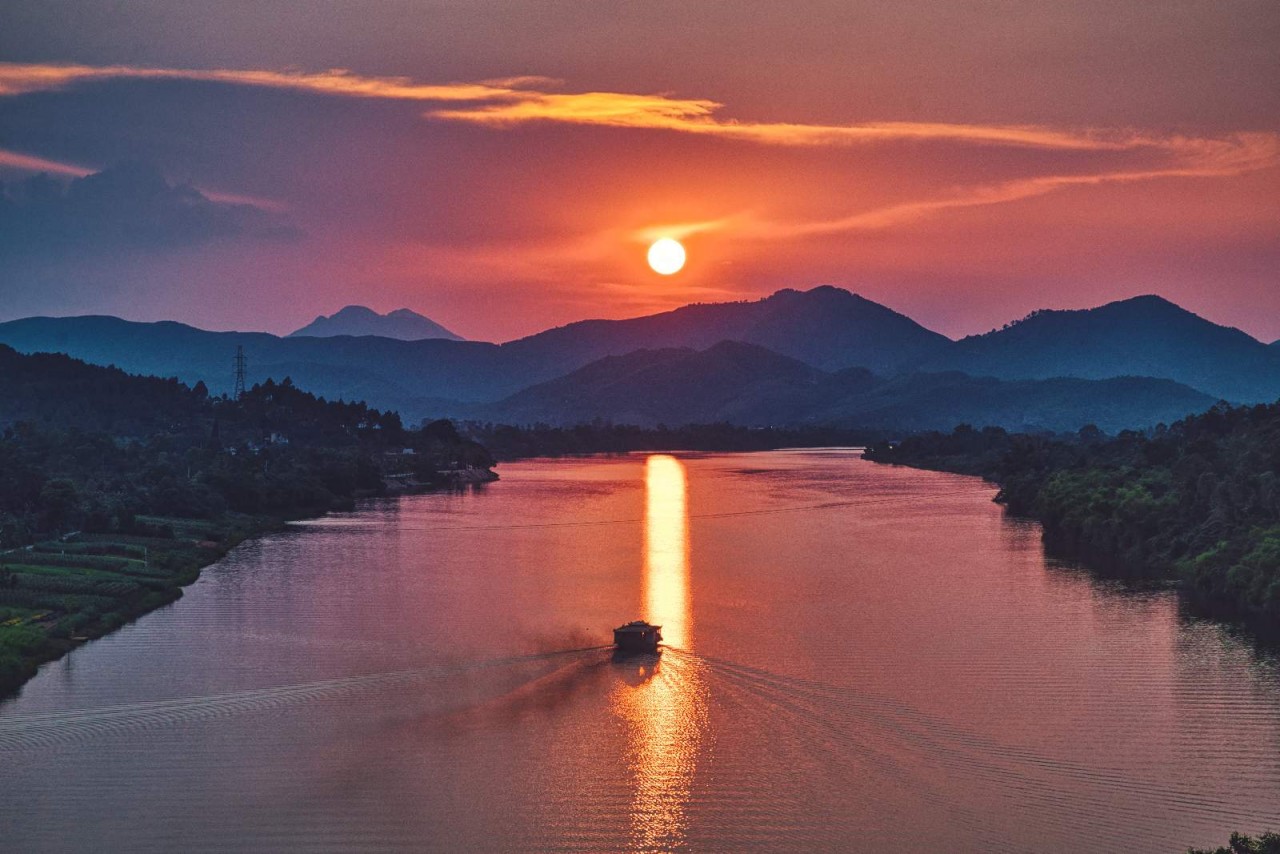
As the sun begins to set, some of Vietnam’s most enchanting cultural sites come to life, not through grand illumination, but through simple, timeless traditions.
No place captures this twilight magic quite like Hội An Ancient Town. Once a major trading port, this UNESCO site is famous for its distinct mix of wooden Chinese shop-houses, colorful French colonial buildings, and the iconic Japanese Covered Bridge. At dusk, the modern streetlights are switched off, and the town is lit only by hundreds of silk lanterns. The effect is dazzling, turning the canals and walking streets into a romantic, amber-lit maze — a charm reminiscent of the historic grandeur found at Hue Imperial City.
For a lesser-known but equally profound twilight experience, seek out a local Cao Đài Temple. Cao Đài is a unique Vietnamese syncretic religion that blends elements of Buddhism, Taoism, Confucianism, and Christianity. The colorful, ornate architecture of the temples—especially the main cathedral in Tây Ninh near Ho Chi Minh City—is astonishing. Visiting near dusk allows you to witness the visual drama of the architecture bathed in the evening light, often without the crowds of a major tourist site. Pair this with a visit to Hue Imperial City to experience the grandeur and history of Vietnam’s royal past.
While entrance to Hội An Ancient Town’s main historical sites (like the Japanese Bridge) requires a combined ticket (around $5.00 to $6.00 USD), simply walking the lantern-lit streets and soaking in the atmosphere is entirely free, making it an essential and budget-friendly twilight ritual. These silent structures and soft lights are not just relics; they are living testaments to the continuous flow of Vietnamese culture and resilience.
Conclusion
The Hue Imperial City stands as the definitive historical and cultural heart of Vietnam, providing an invaluable gateway to the nation’s royal past under the Nguyễn Dynasty. By exploring the meticulously restored Forbidden Purple City and the serene Thien Mu Pagoda, travelers gain a profound appreciation for the architectural grandeur, spiritual depth, and enduring resilience that define the former Imperial Capital.
Ready to walk through the palace grounds? Join our vibrant community on Facebook to share your trekking stories and tips, and don’t forget to like the ExoTrails fanpage for the latest updates and exclusive offers!
Frequently Asked Questions (FAQs)
Q: Is the Forbidden Purple City inside the Hue Imperial City?
A: Yes, the Forbidden Purple City is the innermost, highly restricted compound within the larger walls of the Hue Imperial City Citadel.
Q: How long should I plan to visit the Hue Imperial City?
A: You should allocate a minimum of 3 to 4 hours to walk through the main gates, palaces, and various restoration projects within the complex.
Q: What is the most iconic structure inside the Hue Imperial City?
A: The Ngo Mon Gate (Noon Gate), the main entrance to the Forbidden Purple City, and the Thái Hòa Palace (Hall of Supreme Harmony) are the most iconic structures.
Q: Is the Thien Mu Pagoda part of the Hue Imperial City complex?
A: No, the Thien Mu Pagoda is located on a hill overlooking the Perfume River a few kilometers from the Citadel, but it is considered an essential historical site of the Imperial Capital.
Klook.com