
Table of Contents Show
In the far north of Vietnam, where the clouds hang low and the hills ripple in every shade of green, the mountains still hum with stories. Here, time moves differently. Days begin with the crow of a rooster and end with the sound of bamboo flutes echoing across the valleys. It’s in these remote highlands, home to Vietnam’s Tay, Hmong, and Muong ethnic groups, that travelers can still find the heart of the country beating strong, steady, and proud within these Vietnam ethnic minority villages.
The road to Vietnam’s highland villages isn’t just a journey through altitude, it’s a journey through centuries of living wisdom.
Read more interesting posts here:
- Explore the Underground Kingdom: The Best Vietnam Cave Trekking Tours
- Unlock the True Heart of Vietnam Through Authentic Travel Experiences with Locals
- Top Sunrise Peaks Vietnam: Chasing the First Light of Dawn
Understanding the sustainable traditions in Tay Vietnam ethnic minority villages
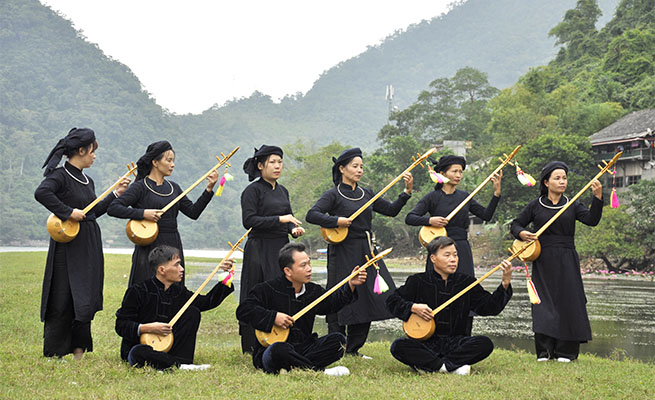
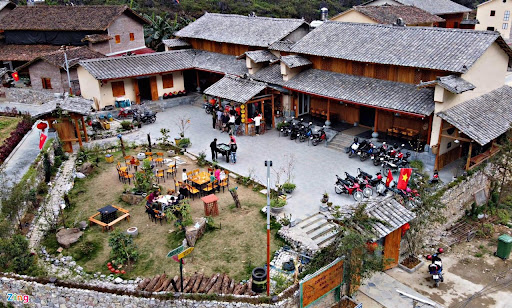
In the terraced valleys of Ba Be and Cao Bang, the Tay people have cultivated harmony between humans and nature for generations. Their stilt houses rise above lush paddies like wooden sentinels, built from forest timber with designs perfected over hundreds of years. Life in these Vietnam ethnic minority villages revolves around water — rivers, rice, and rain.
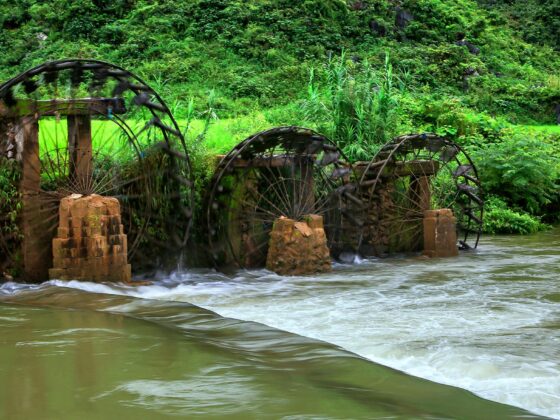
The Tay believe that nature is a living force, one that must be respected, not conquered. Their irrigation channels, still hand-dug and self-regulating, are an ancient form of environmental engineering. Visitors who trek these regions with local guides are often invited to join in daily routines, fishing in the river with bamboo traps, weaving baskets, or sharing rice wine by the fire. Each gesture carries a quiet lesson: sustainability isn’t a concept; it’s a way of life.
Trekking through the mist-draped Hmong Vietnam ethnic minority villages
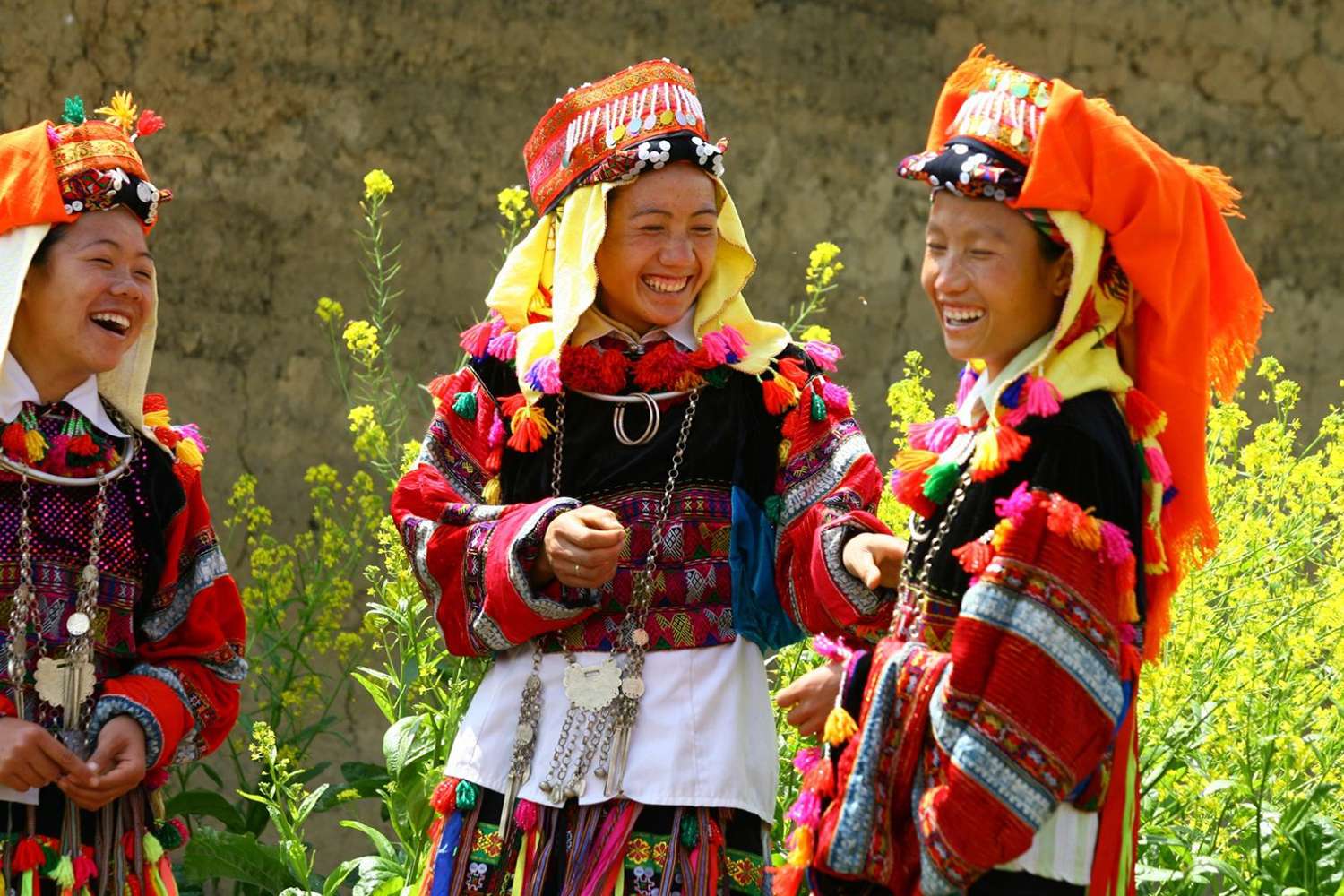
Higher up, in the mist-draped ranges of Ha Giang and Y Ty, the Hmong people live closer to the clouds. Their villages perch on ridges, surrounded by stone walls that shield them from biting winds. It’s a hard country, the soil is thin, the roads steep, but the Hmong spirit is as resilient as the mountain itself, a common trait found when visiting Vietnam ethnic minority villages at high altitudes.
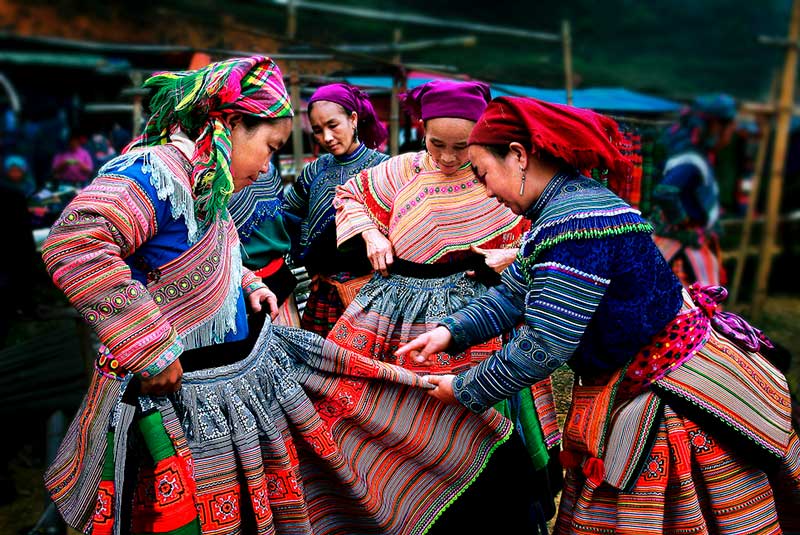
Their embroidered indigo clothes, dyed with plants and stitched with intricate patterns, tell stories of migration, dreams, and ancestry. Each motif is a thread in a much larger tapestry of identity — one that connects generations. Trekking through Hmong trails is more than a physical challenge; it’s a cultural exchange. Stop by a small mountain market, and you’ll find women selling herbal medicines, handwoven bags, and mountain honey, goods made not for tourists, but for sustenance.
Immersing yourself in the culture of Muong Vietnam ethnic minority villages
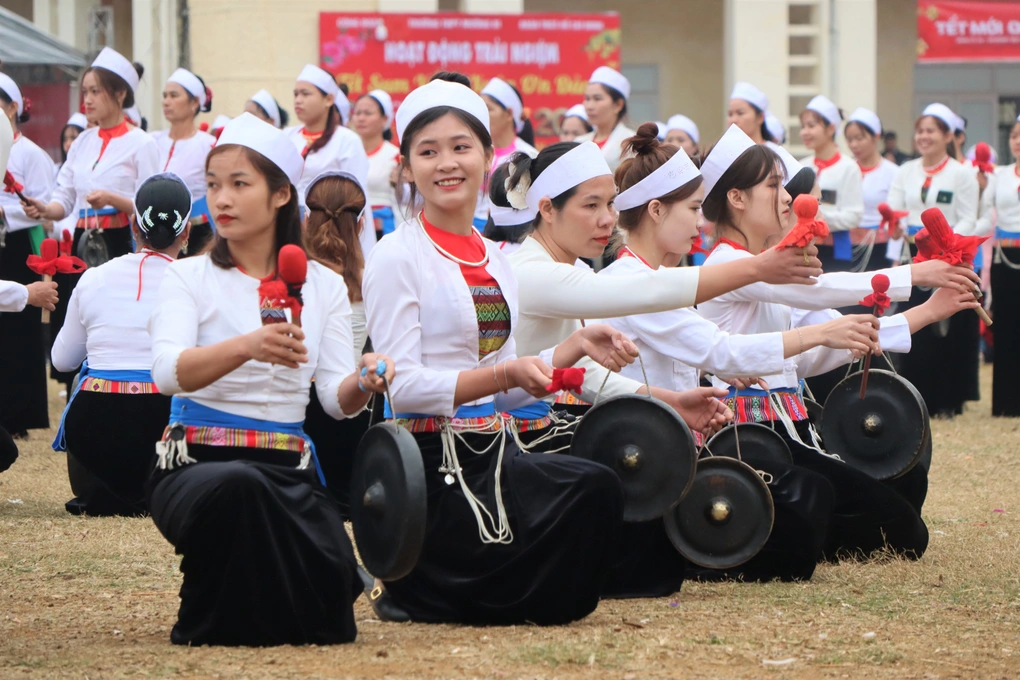
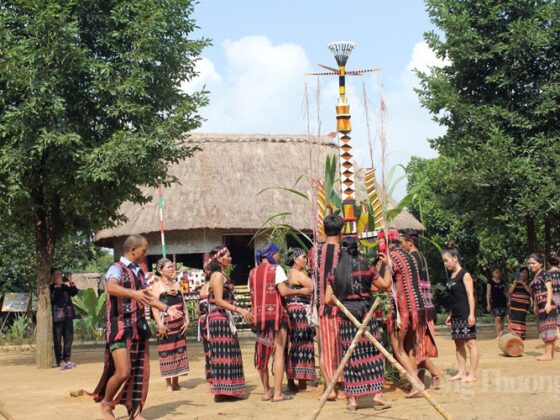
In the misty hills of Hoa Binh and Pu Luong, the Muong people live in deep connection with their forested surroundings. Their homes overlook quiet rivers, and their legends speak of dragons and water spirits guarding the land. The Muong drum, carved from a single tree trunk, is used to call both ancestors and the living together, blending music with ritual in many Vietnam ethnic minority villages.
Guests who stay in a Muong homestay will often find themselves part of the community rhythm: pounding rice, cooking mountain vegetables, or joining a late-night song circle. The warmth of their hospitality reflects an ancient truth, community is the greatest wealth.
Keeping the wisdom alive
As modernity edges into Vietnam’s mountains, these traditions face quiet threats, but they’re also finding new life through sustainable tourism and platforms like ExoTrails, which connect travelers with verified local guides, cultural routes, and community stays.
These aren’t just tours, they’re exchanges. Each visit supports local livelihoods, funds cultural preservation, and keeps the next generation rooted in their heritage. Because what these mountain communities teach best isn’t just how to live off the land, it’s how to live with it. When you trek through these northern highlands, you’re walking through stories, ancient, evolving, and alive, told by the people who have always called these Vietnam ethnic minority villages home.
Conclusion
Exploring Vietnam ethnic minority villages offers a rare glimpse into a world where tradition and nature are inextricably linked. By traveling with intention and respect, we do more than just observe these cultures; we help sustain them. As we look toward the future of travel in 2026, the wisdom held within these highland communities serves as a vital reminder of the importance of community, resilience, and environmental harmony.
Ready to be part of the change? Join our outdoor community! Follow our Facebook Page and join our ExoTrails Community Group to connect with fellow explorers and stay updated on the latest trails!
FAQs
What is the best way to visit Vietnam ethnic minority villages?
The most respectful and beneficial way is to hire a local guide and stay in community-run homestays, which ensures your travel funds directly support the village.
Which region has the most authentic minority villages for trekking?
Ha Giang and Lao Cai are world-famous for their high-altitude villages, while Pu Luong and Hoa Binh offer beautiful, more accessible valley-based cultural experiences.
How should I behave when visiting the ethnic minority villages in Vietnam?
Always ask for permission before taking photos of people, dress modestly, and respect local customs regarding sacred spaces or spiritual altars.
Is it possible to visit these villages year-round?
While possible, the best time is during the dry season (October to April) to ensure the mountain roads to the Vietnam ethnic minority villages are safe and passable.
Klook.com